Authentic German Frikadellen Recipe
- Time: Active 20 minutes, Passive 15 minutes, Total 35 minutes
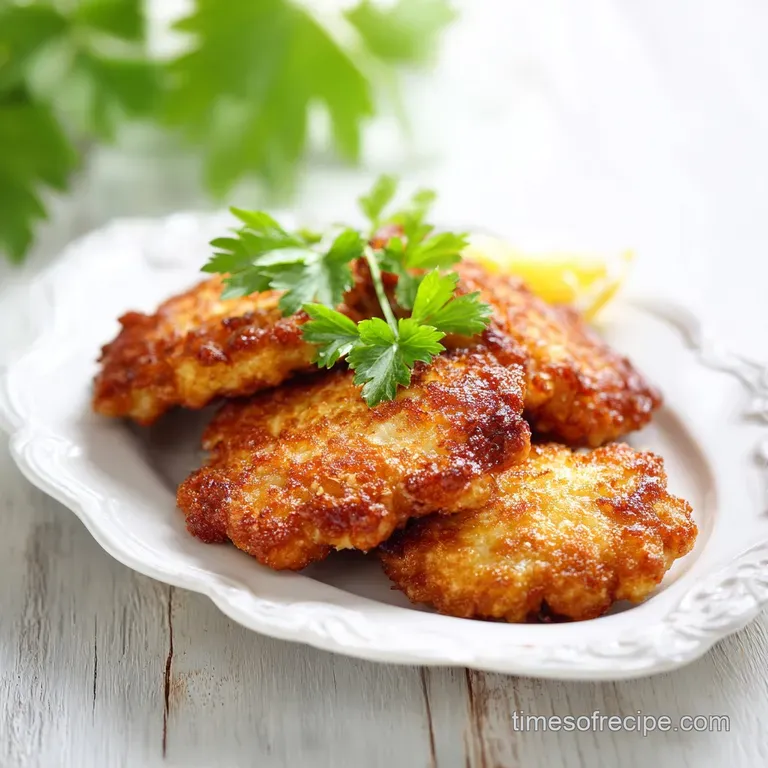
- Flavor/Texture Hook: A shatter crisp exterior giving way to a velvety, onion scented center.
- Perfect for: A hearty family Sunday lunch or a satisfying batch cooking session.
- Mastering the Authentic German Frikadellen Recipe
- Science of the Velvety Meatball
- The Component Analysis of Flavor
- Elements for a Traditional German Feast
- Gear for the Perfect Sear
- Step-by-Step Path to Golden Crusts
- How to Prevent Dry Meatballs
- Tasty Twists on Classic Flavors
- Myths About German Meatballs
- Guidelines for Freezing and Reheating
- Perfect Pairings for Your Plate
- Recipe FAQs
- 📝 Recipe Card
Mastering the Authentic German Frikadellen Recipe
I'll never forget the first time I stood in a tiny kitchen in Bavaria, watching my friend's grandmother work her magic. The air was thick with the scent of onions slowly caramelizing in butter and the sharp, herbal punch of fresh marjoram.
When she dropped the first patty into the sizzling lard, the sound was like a round of applause. I watched as she didn't just toss in breadcrumbs, but rather a whole stale Kaiser roll she’d drowned in warm milk.
That was the moment I realized my dry, crumbly meatballs back home were missing the "soul" of the German kitchen.
This isn't just a meat patty; it's a study in textures. You get that bold, savory hit of the beef, the richness of the pork, and a brightness from the parsley that keeps things from feeling too heavy. Most people make the mistake of over mixing the meat, turning it into a rubbery puck.
We're going to avoid that entirely. We're looking for a crust that offers a satisfying snap when your fork hits it, followed by an interior so tender it almost melts.
We've all had those sad, gray meatballs served at cafeteria buffets, but this is the real deal. We’re talking about a dish that’s as much about the technique of the "panade" as it is about the quality of the meat.
By the time we're done, you'll have a plate of Frikadellen that would make any German Oma proud. It’s hearty, it’s inviting, and it’s about to become your new favorite way to use ground meat.
Science of the Velvety Meatball
The Panade Power: Soaking the stale Kaiser roll in warm milk creates a gel like starch paste that physically prevents the meat proteins from over bonding and becoming tough.
Fat to Lean Ratio: Using an 80/20 beef mix combined with pork provides enough intramuscular fat to keep the patties lubricated as the proteins denature under heat.
Maillard Reaction: The clarified butter allows for a higher smoke point than regular butter, facilitating the chemical reaction between amino acids and reducing sugars for that dark crust.
Protein Cross Linking: Adding the egg acts as a binder, creating a network that holds the moisture of the onions and milk within the meat structure.
| Thickness | Internal Temp | Rest Time | Visual Cue |
|---|---|---|---|
| 1 inch (standard) | 160°F | 5 mins | Juices run clear when pressed |
| 0.5 inch (slider style) | 160°F | 3 mins | Deep brown on both faces |
| 1.5 inch (thick style) | 160°F | 7 mins | Firm bounce when poked |
Getting the temperature right is the difference between a succulent meal and a dry disappointment. While these are frying, I often think about how different they are from the delicate texture of a Filipino Recipe Pandesal, yet both rely on that perfect bread structure to achieve their signature mouthfeel.
The Component Analysis of Flavor
| Ingredient | Science Role | Pro Secret |
|---|---|---|
| Stale Kaiser Roll | Moisture Reservoir | Must be truly stale to absorb the maximum amount of warm milk without dissolving. |
| Ground Pork | Fat & Tenderness | Pork has a lower melting point than beef, providing a "silky" feel to the fat content. |
| German Mustard | Emulsifier | The vinegar and mustard seeds help bridge the gap between the fat and the aromatics. |
Understanding these components helps you troubleshoot on the fly. For instance, if you find your mix too wet, it's usually because the bread wasn't squeezed enough, not because there's too much meat.
Elements for a Traditional German Feast
- 1 large stale white bread roll (Kaiser style): This is the heart of the panade. Why this? Its airy structure holds more milk than dense sandwich bread.
- Substitute: 2 slices of thick cut white bread with crusts removed.
- 120ml warm milk: Used to rehydrate the roll. Why this? Warmth helps the starch in the bread swell faster.
- Substitute: Beef broth for a saltier, dairy-free profile.
- 250g Ground Beef (80/20 lean to fat ratio): Provides the bold structure. Why this? Leaner beef makes the patties dry and crumbly.
- Substitute: Ground turkey (though the flavor will be significantly lighter).
- 250g Ground Pork: Adds juiciness and flavor. Why this? German tradition relies on the "Halb und Halb" (half and half) mix.
- Substitute: Ground veal for a more delicate, luxury version.
- 1 Large Egg: The glue for our masterpiece. Why this? It binds the bread and meat into a cohesive unit.
- Substitute: 1 tablespoon of flaxseed meal mixed with 3 tablespoons of water.
- 1 Medium Yellow onion, very finely minced: Provides sweetness and moisture. Why this? Large chunks will cause the Frikadellen to fall apart during frying.
- Substitute: Shallots for a more sophisticated, garlicky sweetness.
- 1 clove Garlic, minced: Adds a subtle back note.
- 30g fresh parsley, finely chopped: Cuts through the richness.
- 1 tbsp German Mustard: Adds tang and depth.
- 1 tsp Salt & 1/2 tsp pepper: Essential seasoning.
- 1/2 tsp Marjoram: The "secret" German herb. Why this? It provides that specific woodsy aroma found in authentic recipes.
- Substitute: Dried oregano, though it is more floral.
- 1/2 tsp Sweet Paprika: For color and a hint of earthiness.
- 2 tbsp clarified butter: The frying medium. Why this? It has a high smoke point but retains a rich buttery flavor.
- Substitute: Grapeseed oil or lard.
Gear for the Perfect Sear
Using the right tools is just as important as the ingredients. You need a heavy bottomed skillet, preferably cast iron or stainless steel. These materials hold heat better, ensuring that when you drop five cold patties into the pan, the temperature doesn't plummet.
A non stick pan is okay, but you'll never get that deep, mahogany colored crust that makes people’s eyes light up.
You'll also want a fine mesh strainer for squeezing the milk out of the bread roll. Trust me, using your hands is fine, but a strainer lets you apply even pressure so you don't end up with soggy pockets in your meat. Finally,, a digital meat thermometer is your best friend here.
It removes the guesswork so you can pull the patties the second they hit that safe internal temperature.
step-by-step Path to Golden Crusts
- Hydrate the bread. Place the stale Kaiser roll in a small bowl and pour 120ml warm milk over it. Note: Let it sit for 10 minutes until the core is completely soft.
- Squeeze the roll. Remove the roll from the milk and squeeze it with your hands or a strainer until it feels like a damp sponge with no dripping liquid.
- Prep the aromatics. Mince the 1 medium yellow onion and 1 clove garlic as finely as possible. Note: If you like a milder flavor, sauté these in a teaspoon of butter before adding to the meat.
- Combine ingredients. In a large mixing bowl, add the 250g ground beef, 250g ground pork, squeezed bread roll, 1 large egg, minced onion, garlic, 30g fresh parsley, 1 tbsp German mustard, and all the spices.
- Mix gently. Use your hands to incorporate everything until the mixture looks uniform. Note: Do not over knead; you aren't making bread dough.
- Shape the patties. Divide the mixture into 5 equal portions and roll them into balls, then flatten them into 1 inch thick discs.
- Heat the pan. Add 2 tbsp clarified butter to your skillet over medium heat until it begins to shimmer.
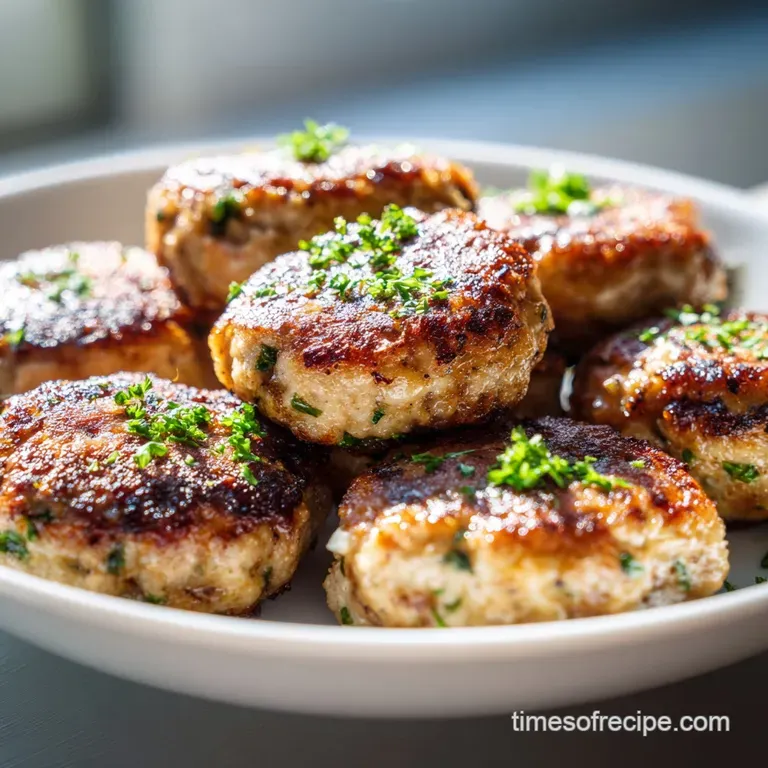
- Sear the first side. Carefully place the patties in the pan and cook for 5-7 minutes until a dark, crispy crust forms.
- Flip and finish. Turn the Frikadellen over and cook for another 5-6 minutes until the internal temperature reaches 160°F.
- Rest the meat. Transfer the patties to a plate and let them sit for 5 minutes until the juices redistribute throughout the center.
Chef's Tip: For an even deeper flavor, let the meat mixture chill in the fridge for 30 minutes before shaping. This allows the marjoram and mustard to fully permeate the meat proteins.
How to Prevent Dry Meatballs
Why Your Frikadellen Crumble
If your patties are falling apart in the pan, the issue is usually the moisture balance or the size of your aromatics. Large pieces of onion act like little wedges that break the protein bonds.
If you didn't squeeze the bread roll enough, the excess milk will steam the meat from the inside out, preventing it from binding.
| Problem | Root Cause | Solution |
|---|---|---|
| Patties are falling apart | Onion pieces are too large | Mince onions finer or grate them into the mix. |
| Exterior is burnt, interior is raw | Heat is too high | Lower heat to medium and use a thermometer. |
| Meat is tough and rubbery | Over mixing the meat | Mix only until ingredients are just combined. |
Common Mistakes Checklist:
- ✓ Squeeze the bread roll until it is almost dry to prevent soggy meat.
- ✓ Use a mix of beef and pork for the best fat content and texture.
- ✓ Don't skip the resting period; it keeps the center velvety.
- ✓ Ensure the pan is hot before adding the meat to get a proper sear.
- ✓ Avoid pressing down on the patties with a spatula while cooking it squeezes out the juices!
Tasty Twists on Classic Flavors
If you want to scale this recipe down for a solo lunch, just halve everything and use a small egg (or half a beaten large egg). For a crowd, you can easily double the meat, but I suggest keeping the spices at 1.5x the original amount and tasting as you go. Salt can become overwhelming very quickly when you scale up!
| Method | Time | Texture | Best For |
|---|---|---|---|
| Stovetop Skillet | 15 mins | Superior crispy crust | Traditional experience |
| Oven Baked (400°F) | 20 mins | Uniformly tender | Large batches/Meal prep |
| Air Fryer (375°F) | 12 mins | Very crunchy | Quick weeknight dinner |
- If you want a Bavarian twist: Add a teaspoon of lemon zest and a pinch of ground mace to the mix.
- If you want Frikadellen with gravy: Remove the patties from the pan, whisk in a tablespoon of flour to the drippings, and add beef stock to create a rich pan sauce.
- If you want a lighter version: Swap the pork for ground veal and use a gluten-free bread roll for the panade.
If you're hosting a European themed dinner, you might want to start with an Escargot recipe as a sophisticated appetizer before bringing out the bold, hearty Frikadellen as the main event.
Myths About German Meatballs
One of the biggest misconceptions is that you should use breadcrumbs instead of a soaked roll. Breadcrumbs create a much denser, drier texture because they absorb moisture from the meat during cooking.
The soaked roll brings its own moisture to the party, which is what gives you that signature velvety interior.
Another myth is that you need to cook them through on high heat to get a crust. High heat will simply burn the outside before the pork in the center is safe to eat. A medium heat, combined with a heavy pan, provides a steady energy transfer that browns the surface while gently poaching the interior in its own juices.
Guidelines for Freezing and Reheating
Storage: These keep beautifully in the fridge for up to 3 days in an airtight container. In fact, many people prefer them cold the next day on a piece of sourdough bread with extra mustard a classic German "Feierabend" snack.
Freezing: You can freeze the cooked patties for up to 3 months. Wrap them individually in plastic wrap and then place them in a freezer bag. To reheat, let them thaw in the fridge overnight and warm them in a skillet with a splash of water to keep them from drying out.
Zero Waste Tip: Don't throw away the milk left over from soaking the bread roll! It’s full of starch and can be added to a soup or used as a base for a creamy sauce to serve alongside the Frikadellen. Also, any leftover parsley stems can be frozen and used later for making a hearty beef stock.
Perfect Pairings for Your Plate
Traditionally, you'd see these served with a mountain of creamy mashed potatoes or a tangy German potato salad (the kind with vinegar and bacon, not mayo). A side of braised red cabbage provides a sweet and sour contrast that cuts through the rich fats of the pork and beef.
If you're looking for something a bit different, these patties actually make incredible burgers. Put them on a toasted bun with some sauerkraut and a thick swipe of spicy mustard.
For a completely different vibe on another night, you might try Rotisserie Chicken Tostadas recipe for a bright, crunchy meal. But when you need that soul warming, family filling dinner, nothing beats the Authentic German Frikadellen Recipe. It’s the kind of meal that makes the kitchen feel like the center of the world. Enjoy the sizzle!

Recipe FAQs
What is the secret to good Frikadellen?
Soaking stale bread in warm milk (the panade). This is critical because it adds retained moisture and creates a velvety texture, preventing the meat from becoming dense.
What is a German Frikadellen?
It is an authentic German pan-fried meat patty. Traditionally, it combines ground beef and pork, bound with a milk soaked bread mixture and seasoned with marjoram and onion.
What do Germans eat with Frikadellen?
Mashed potatoes or vinegar based potato salad are most common. Braised red cabbage also offers a perfect sweet and sour counterpoint to the richness of the meat.
What are authentic German meat patties?
Frikadellen, or Buletten in Berlin, are the authentic standard. They differ from meatballs primarily by using the soaked bread panade instead of just breadcrumbs for superior moisture retention.
How do I ensure the patties stay juicy and don't dry out?
Use an 80/20 fat ratio mix of beef and pork, and never overmix the meat. Overmixing causes the proteins to bind too tightly, squeezing out the moisture from the panade.
Is it true I must use clarified butter to fry them?
No, this is a common misconception, but highly recommended for the crust. Clarified butter has a higher smoke point than standard butter, allowing you to achieve a deep brown sear without burning the fat.
How long should I cook Frikadellen on each side?
Cook for 5 to 7 minutes per side over medium heat. Use a digital thermometer to pull them when the center hits 160°F, followed by a 5-minute rest period for best texture.
Authentic German Frikadellen Recipe
Ingredients:
Instructions:
Nutrition Facts:
| Calories | 332 calories |
|---|---|
| Protein | 20.4 grams |
| Fat | 19.1 grams |
| Carbs | 8.3 grams |
| Fiber | 0.9 grams |
| Sugar | 2.1 grams |
| Sodium | 542 milligrams |
