Crawfish Recipes: Master the Authentic Louisiana Étouffée
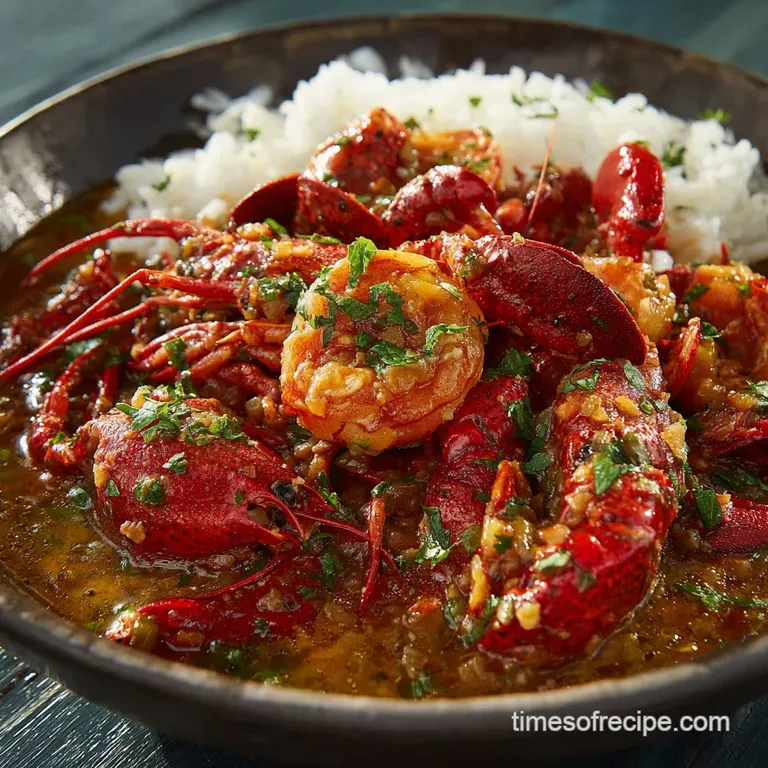
- Unlocking the Bayou Secret: What Makes Authentic Crawfish Étouffée Shine?
- Essential Components for the Best Crawfish Recipes: Ingredients List & Prep
- The Flavor Foundation: Science Behind the Perfect Étouffée Roux
- Step-by-Step Smothering: Mastering the Classic Étouffée Method
- Troubleshooting Your Étouffée: Chef’s Tips for Richness and Texture
- Making Ahead and Storing: Preserving Your Crawfish Masterpiece
- Presentation & Pairing: How to Serve Authentic Crawfish Étouffée
- Recipe FAQs
- 📝 Recipe Card
Unlocking the Bayou Secret: What Makes Authentic Crawfish Étouffée Shine?
That smell. The deep, sweet aroma of plump crawfish mixing with spicy, nutty butter is pure magic. When Crawfish Étouffée is bubbling on the stove, the whole house immediately smells like a Louisiana road trip, promising richness and serious comfort.
People often think this legendary dish is incredibly difficult, but they are absolutely wrong. This is, hands down, the fastest way to showcase crawfish tail meat once you master one simple technique: the roux. It delivers maximum flavor for surprisingly minimal fuss, making it a perfect special occasion meal.
I’ve burned my fair share of roux and definitely overcooked enough tail meat to stock a rubber band factory in my early days. Now I know the secrets to that perfect, velvety texture and true bayou flavor.
Let’s dive into the essential steps for truly authentic Crawfish Étouffée that absolutely sings, giving you the best of all crawfish recipes.
Decoding "Étouffée": History and Meaning of the Smothered Dish.
Étouffée is just a fancy French word meaning "smothered." It's incredibly straightforward, referring to the method where the main ingredient in this case, gorgeous crawfish tails is slowly cooked and covered in a rich, flavourful sauce.
The process is gentle, designed to protect the delicate taste and texture of the star ingredient.
The history is steeped in French, Spanish, and African culinary traditions that define Louisiana cooking. It’s comforting, hearty, and fundamentally built on that slow, over low heat cooking style. Trust me, it’s far more satisfying than any quick pan-fry.
The Difference Between Cajun and Creole Crawfish Recipes.
Ah, the great Louisiana divide! While both traditions produce mind blowingly good crawfish recipes, the key difference often boils down to the roux and the vegetables used. Creole cuisine, often associated with New Orleans, typically uses tomatoes and a lighter, blonde roux.
Cajun cuisine, stemming from rural Louisiana, almost never uses tomatoes in their Étouffée and instead relies on a dark, rich brown roux for flavor.
This recipe leans heavily toward the Cajun method because that deep, nutty roux base adds an unparalleled depth of flavor. It's the difference between a nice stew and a genuinely soul warming experience.
The Crucial Role of Crawfish Fat (The Yellow Stuff) for Ultimate Flavor.
Listen up, because this is the biggest mistake I see home cooks make. When you buy pre-cooked crawfish tails, you’ll often find a creamy, yellowish or orange substance in the bag. That is the rendered fat from the hepatopancreas of the crawfish, and it is flavour gold!
You need to reserve that liquid. It is intensely concentrated crawfish flavour and adds a richness and depth of colour that standard seafood stock simply cannot replicate. If you toss the "yellow stuff," you are tossing half the soul of your New Orleans style dish.
Why This Étouffée Recipe Is the Ultimate Comfort Food.
This specific method creates a sauce that is deeply savory, slightly spicy, and luxuriously thick, but never gloppy. We achieve this texture through precise timing: developing the roux to the perfect colour, which gives it that nutty taste and ideal consistency.
We then let the trinity sweat down completely, maximizing their aromatic impact.
The best part? Crawfish tails are only added right at the very end, preventing that tragic, rubbery chew. You get the soft, sweet taste of the mud bugs fully intact, smothered in pure bayou butter.
Essential Components for the Best Crawfish Recipes: Ingredients List & Prep
The key to easy crawfish recipes is mise en place . Chop everything before you start the roux; otherwise, you’ll be juggling flames and sharp objects, and we don’t want that.
| Ingredient | Amount | Viable Substitution |
|---|---|---|
| Unsalted Butter | 1/2 cup (115g) | Use Vegetable Shortening or Lard for a higher smoke point and a traditionally Creole flavor. |
| All-Purpose Flour | 1/2 cup (115g) | gluten-free Flour Blend (with xanthan gum) or Rice Flour work well; the roux will darken faster. |
| Crawfish Stock | 4 cups (950ml) | high-quality Shrimp Stock or a mix of Clam Juice and water. Avoid plain chicken broth, it's too weak. |
| Green Bell Pepper | 1 large | A Red or Orange Bell Pepper adds sweetness and softens the overall flavor profile. |
| Crawfish Tail Meat | 2 lbs (1 kg) | Peeled, medium sized Shrimp is the best substitute, but remember to adjust cooking time drastically. |
The Flavor Foundation: Science Behind the Perfect Étouffée Roux
The roux is the heart and soul of this Louisiana classic. It is not just a thickener; it is a flavor layer that needs time and respect.
Sourcing Quality Crawfish Tail Meat (Fresh vs. Frozen Considerations).
Unless you live on the Gulf Coast and are peeling them yourself, you are probably buying frozen pre-cooked crawfish tails. That is totally fine. The critical thing is to check the packaging: Look for Louisiana or Gulf Coast sourced meat, which tastes far better than imported varieties.
Always thaw them completely in the refrigerator overnight. Gently press them to remove excess water before you add them to the stew; too much water thins the sauce beautifully.
Preparing the Crawfish Stock Base (Shells or Commercial Stock).
If you’re ambitious, you can definitely simmer the shells and heads (if you boiled the crawfish yourself) to make an incredible, rich stock. If you are using pre-packaged frozen meat, you need a high-quality commercial stock.
Chef's Note: Warm your stock before you add it to the roux. Dumping cold liquid into a hot roux causes the temperature to crash, which is a common cause of lumpy sauce and uneven thickening.
Layering the Holy Trinity: Onion, Celery, and Bell Pepper Breakdown.
The Holy Trinity onion, celery, and bell pepper is the base of all authentic Cajun and Creole recipes. They must be finely diced to melt into the sauce texture. You want them to almost disappear.
It's absolutely essential to cook these down slowly in the finished roux until they are sweated and soft. Don’t rush this step; the process of softening releases their deep, sweet vegetable sugars.
Alternative Fats for the Roux (Beyond Butter or Oil).
Butter gives a beautiful, nutty taste, but traditional Cajun cooks often use oil or even rendered lard. If you are aiming for a darker, more stable roux that’s harder to burn, switch to a neutral vegetable oil or canola oil .
Butter contains milk solids, which brown and burn faster than pure oil.
Achieving the Ideal Peanut Butter Color and Texture for the Roux.
You are going for the color of dark peanut butter or milk chocolate. This takes patience. On medium low heat, constantly stirring, it will take at least 20 minutes. Do not stop stirring. The moment it reaches the desired colour, immediately add your cold vegetables.
This stops the cooking process instantly.
A darker roux provides a deeper, nuttier flavor but has less thickening power. This is why we simmer the sauce for so long later.
Deglazing: Extracting Every Bit of Flavor from the Pot.
When you add the Trinity to the hot roux, they immediately start sticking to the bottom of the pot. As the vegetables release their moisture, use your wooden spoon to scrape up all those wonderful brown bits clinging to the Dutch Oven bottom.
That scraping action, known as deglazing, adds another incredible layer of flavor to your base.
step-by-step Smothering: Mastering the Classic Étouffée Method
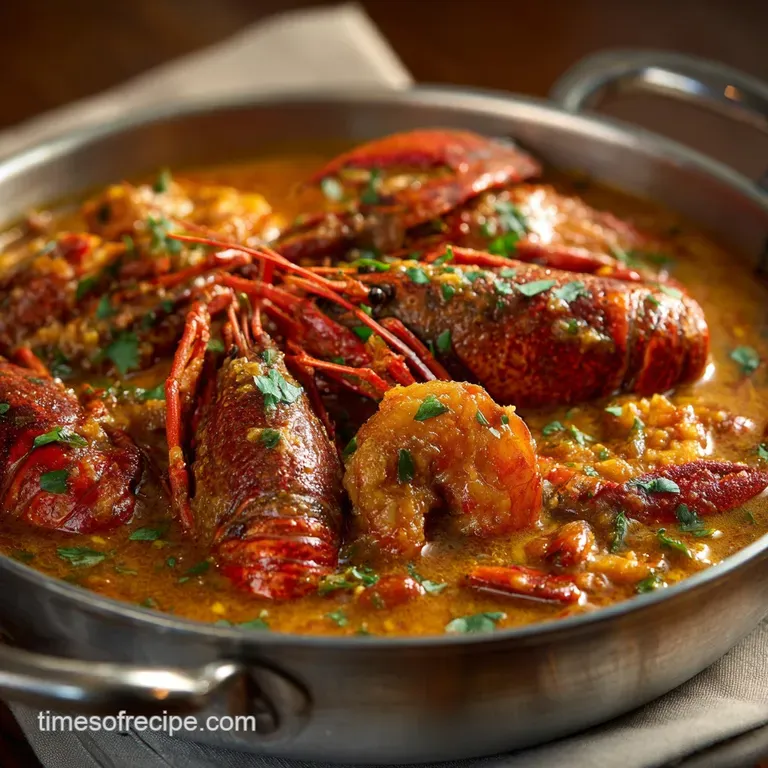
These steps must be followed precisely for that perfect Louisiana feel.
Phase 1: Building the Golden Roux Base.
- Melt and Whisk: Melt the butter over medium low heat in your heavy bottomed pot. Whisk in the flour until completely smooth.
- Stir and Cook: Reduce the heat to low. Stir continuously for 20 to 30 minutes. Be patient. When the roux is the color of light caramel or dark peanut butter, you’re done.
- Add the Trinity: Immediately dump in the diced onion, celery, and green bell pepper. Stir constantly for 5– 7 minutes until the vegetables have softened and become beautifully fragrant.
Phase 2: Sweating the Trinity and Blooming the Spices.
- Garlic Time: Stir in the minced garlic, thyme, cayenne, and black pepper. Cook for exactly 1 minute, stirring non-stop. You want to bloom the spices in the hot fat to release their essential oils, but garlic burns quickly.
- Deglaze with Liquid: Add the Worcestershire sauce, scraping the bottom of the pot to lift any stuck bits of seasoning or roux.
Phase 3: The Stock and Simmer Transformation.
- Add Stock Slowly: Gradually whisk in the warm seafood stock, ensuring the mixture remains lump free. Add the bay leaf and any reserved crawfish fat/liquid.
- Simmer: Bring the sauce to a gentle boil, then immediately reduce the heat to low. Simmer, uncovered, for 20 minutes. The mixture should thicken to a rich, thin gravy consistency, slightly darker than when you started.
- Seasoning Check: Remove the bay leaf. Taste the sauce, add your kosher salt, and adjust the cayenne and hot sauce until the flavor profile is punchy and perfectly seasoned.
Phase 4: Adding Crawfish Tails and Finishing Touches (The 5 Minute Rule).
- Gently Introduce Crawfish: Fold in the drained crawfish tails. Remember, they are already cooked. You are strictly warming them through.
- The Final Simmer: Simmer for just 5 minutes. DO NOT BOIL. If you boil or overcook them, the crawfish tails will seize up and become tough.
- Garnish and Serve: Ladle the hot Étouffée generously over beds of fluffy white rice. Garnish heavily with fresh spring onion and parsley. Serve with extra hot sauce on the side for those who like to crank up the heat.
Troubleshooting Your Étouffée: Chef’s Tips for Richness and Texture
Even the best crawfish recipes sometimes go sideways. Here’s how to recover like a pro.
Fixing a Thin Étouffée (Slurry Solutions and Simmer Time).
If your finished étouffée is too thin after the 20 minute simmer, you have two options. The first is to just simmer it longer, allowing more moisture to evaporate. If you’re in a hurry, pull out 1/4 cup of the sauce and whisk in 1 tablespoon of flour or cornstarch to make a smooth slurry.
Whisk this mixture back into the simmering pot.
Always remember to simmer the slurry for at least 5 minutes to cook out the raw flour taste.
Preventing a Burnt or Gritty Roux.
A burnt roux smells acrid, tastes bitter, and will ruin the entire pot of food. If you see even one black speck, you must start over. To avoid grittiness, use a heavy bottomed pot and keep the heat consistently low.
The grits usually happen when the flour isn't fully incorporated, or when the heat is too high, causing small particles to burn and stick to the bottom. Constant, thorough stirring is your only defense.
Maximizing Crawfish Flavor Without Overcooking the Tail Meat.
The flavor is maximized by using the reserved crawfish fat and a great stock. The key to texture is the 5 minute rule. I made the mistake once of letting the Étouffée simmer for a full 45 minutes with the tails, and they tasted like pencil erasers.
Warm them, don't cook them. That sweet, tender bite is what you’re aiming for.
Balancing the Heat: Seasoning Adjustments at the End.
The only acceptable time to adjust salt and heat is right before you add the crawfish tails. Once the liquid has simmered and reduced, the flavor is concentrated. If you season too early, it will become overwhelmingly salty or spicy.
Add hot sauce (like Crystal or Tabasco) in small dashes until the heat hits the back of your throat just right. Remember, you want to taste the delicate crawfish, not just fire.
Making Ahead and Storing: Preserving Your Crawfish Masterpiece
This is a fantastic dish for meal prepping, provided you handle the main ingredient correctly.
Flash Freezing Étouffée for Long Term Storage.
Crawfish Étouffée freezes beautifully, but you must take out the crawfish first. Freeze the sauce base only! The tails turn unpleasantly mushy and then rubbery after freezing and thawing in the sauce.
Cool the finished sauce completely, then transfer it to freezer safe containers, leaving a little headspace. It lasts 3 4 months. When ready to eat, thaw overnight, bring the sauce back to a simmer, and then add fresh or newly thawed crawfish for the final 5 minutes.
Refrigerating Safely: Shelf Life and Reheating Techniques.
In the refrigerator, fully cooked Étouffée (with the crawfish tails included) will last safely for 3 to 4 days. Store it in an airtight container.
To reheat, avoid the microwave if possible; it tends to toughen the crawfish. Gently reheat the Étouffée on the stovetop over low heat, stirring frequently. If it’s too thick, stir in a splash of water or stock to loosen it up.
Presentation & Pairing: How to Serve Authentic Crawfish Étouffée
Crawfish Étouffée is gorgeous, rustic food; presentation is simple. Ladle the sauce right over plain white rice.
The fluffy rice soaks up the gravy perfectly, ensuring every bite is rich and satisfying. Don’t use brown rice, please it’s too heavy for this delicate sauce. A side of crusty, warm French bread is mandatory for mopping up any leftover sauce, and a simple green salad dressed with a vinaigrette provides a nice acidic break from the richness.

Recipe FAQs
My roux burned while I was making the Étouffée base. Can I save it?
Unfortunately, a burned roux cannot be salvaged; the bitter taste will permeate the entire dish, and you must start over. The key to a successful étouffée roux is cooking it low and slow over medium low heat until it reaches the color of peanut butter, stirring constantly for about 15 to 20 minutes.
My Étouffée turned out too thin or watery. How can I thicken it?
A watery étouffée usually means either the roux ratio was slightly off or too much stock was added. You can correct this by simmering the dish uncovered for 10 15 minutes to reduce the liquid, concentrating the flavors.
Alternatively, mix one tablespoon of cornstarch with two tablespoons of cold water (a slurry) and stir it slowly into the hot stew until the desired thickness is reached.
Can I substitute shrimp or another protein for the crawfish tails?
Yes, shrimp is the most common and delicious substitute for crawfish in this recipe, although it will technically become a 'Shrimp Étouffée.' If using shrimp, ensure they are added only in the last five minutes of simmering to prevent them from becoming tough or rubbery.
You could also use small scallops or chunks of white fish, though they require similarly careful timing.
What is the best type of crawfish meat to use, and should it include the fat?
For authentic flavor and consistency, you should always use pre-cooked, peeled crawfish tail meat, preferably sourced from Louisiana. Crucially, try to find meat packaged with the yellow/orange crawfish fat, as this fat adds significant richness, color, and depth of flavor that defines a true étouffée.
How do I store and reheat leftover Crawfish Étouffée? Does it freeze well?
Étouffée freezes extremely well; store it in an airtight container for up to three months, ensuring there is minimum headspace. Thaw it overnight in the refrigerator and reheat gently on the stovetop over low heat, stirring occasionally to prevent the sauce from separating or sticking to the bottom of the pot.
My Étouffée tastes bland. How can I boost the savory flavor right before serving?
If the flavor seems muted, you likely need more acid and salt to make the flavors "pop." Stir in a splash of fresh lemon juice or a teaspoon of white vinegar, which brightens the dish without changing the overall profile.
You should also taste and adjust the seasoning with salt, pepper, or a dash of hot sauce like Crystal or Tabasco.
I want a spicier Étouffée. When should I add the heat?
The best time to build deep heat is right after sautéing the Holy Trinity by stirring in extra cayenne pepper or white pepper along with the dry seasonings. For fresh heat, you can sauté a minced jalapeño or serrano pepper along with the bell peppers and onions.
Alternatively, serve with a bottle of high-quality hot sauce on the table for personalization.
Authentic Louisiana Crawfish Etouffee
Ingredients:
Instructions:
Nutrition Facts:
| Calories | 449 kcal |
|---|---|
| Protein | 14.3 g |
| Fat | 26.0 g |
| Carbs | 37.6 g |
