Balsamic Glazed Tempeh: Maple Reduction
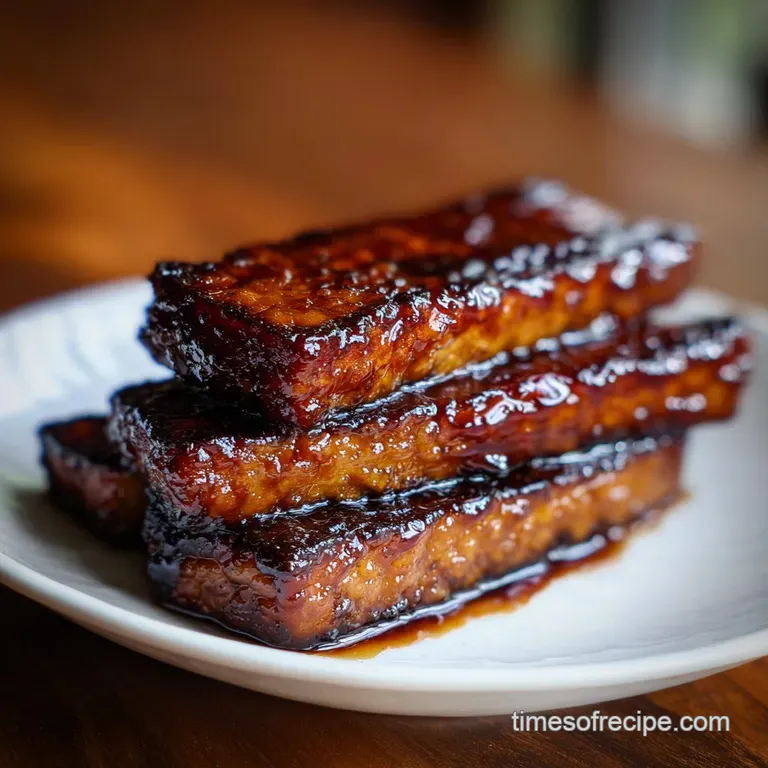
- Time: Active 10 mins, Passive 10 mins, Total 20 mins
- Flavor/Texture Hook: Savory sweet glaze with a nutty, firm bite
- Perfect for: High protein weeknight dinners or meal prep
I still remember the first time I tried to cook tempeh in my tiny first apartment. I had heard it was a great plant based protein, so I just sliced it up and tossed it into a dry pan with some salt. It was, quite frankly, a disaster. The result was incredibly bitter, dry, and had the texture of a pencil eraser.
I almost gave up on it entirely until a friend showed me the "steam bath" secret. Now, the smell of balsamic vinegar hitting a hot skillet is one of my favorite kitchen triggers.
That sharp, acidic tang of the vinegar mingling with the sweet aroma of maple syrup and minced garlic is enough to bring the whole family into the kitchen. When you pour that dark, mahogany liquid over the seared strips, the sizzle is loud and immediate.
It’s a hearty meal that feels like a big hug, and it has become a staple in our house whenever we want something bold and comforting without spending hours at the stove. Trust me, once you see that glaze turn into a thick, velvety coating, you will never look at tempeh the same way again.
Science of The Glaze
Pore Expansion: Steaming the tempeh for 10 minutes uses heat and moisture to open up the dense, fermented structure, allowing the marinade to penetrate the center rather than just sitting on the surface.
Maillard Reaction: The sugars in the maple syrup and the amino acids in the tamari react under high heat to create a complex, savory sweet crust that provides a satisfying depth of flavor.
Acid Reduction: Simmering balsamic vinegar evaporates water and concentrates the acetic acid and natural grape sugars, resulting in a thick, glossy syrup that clings to the protein.
| Cooking Method | Time | Texture | Best For |
|---|---|---|---|
| Stovetop Skillet | 15 mins | Crispy edges, sticky glaze | Quick weeknight dinners |
| oven-roasted | 25 mins | Firm and chewy throughout | Large batch meal prep |
| Air Fryer | 12 mins | Maximum crunch, less oil | Snacking or salad toppers |
Finding the right method depends on how much time you have, but I always stick to the skillet for that immediate, bold flavor. The stovetop allows you to watch the glaze transform in real time, which is half the fun of cooking this dish.
Essential Recipe Metrics
| Component | Science Role | Pro Secret |
|---|---|---|
| Balsamic Vinegar | Acid & Sugar | Use a mid range "Aceto Balsamico di Modena" for the best balance of tart and sweet. |
| Maple Syrup | Caramelization | Pure maple syrup has a lower burning point than honey, making it better for a quick glaze. |
| Dijon Mustard | Emulsifier | The mustard helps bind the oil and vinegar together, ensuring the glaze doesn't break. |
Understanding how these ingredients interact is the key to moving from a "good" cook to a "great" one. The Dijon mustard might seem like a small addition, but it is the glue that keeps your sauce from looking oily or separated in the pan.
Selecting The Right Elements
- 8 oz Organic Plain Tempeh: Look for a block that is firm and has a consistent white mycelium coating. Avoid any that look slimy or have dark, wet spots. Why this? The plain variety acts as a blank canvas for the bold balsamic flavors.
- 1 cup water or vegetable broth: This is strictly for the steaming phase to hydrate the beans. Why this? Broth adds a tiny hint of extra seasoning right into the core of the strips.
- 3 tbsp balsamic vinegar: The star of the show. Why this? It provides the deep, fruity acidity that cuts through the nuttiness of the soy.
- 2 tbsp pure maple syrup: A natural sweetener that pairs perfectly with the vinegar. Why this? It creates that iconic sticky texture as it reduces.
- 1 tbsp tamari or low sodium soy sauce: This brings the salt and umami. Why this? Tamari is usually gluten-free and has a richer, less "sharp" saltiness than regular soy sauce.
- 1 tsp Dijon mustard: For tang and emulsification. Why this? It adds a subtle back end heat that rounds out the sweetness.
- 2 cloves garlic, minced: Fresh is non negotiable here. Why this? Garlic becomes aromatic and sweet as it infuses into the glaze.
- 1 tbsp extra virgin olive oil: For searing the strips to a golden brown. Why this? It has enough flavor to complement the balsamic without being overpowering.
- 1/4 tsp black pepper: Just a pinch for a little bite. Why this? It balances the sugar in the maple syrup.
| Feature | Fresh Tempeh | Pre Marinated Packs |
|---|---|---|
| Flavor Control | High - You dictate the spice | Low - Often overly salty |
| Texture | Firm and customizable | Can be mushy from sitting in liquid |
| Cost | Generally $3-4 per block | $5-7 per pack |
Using fresh, plain tempeh is always my preference because you can control exactly what goes into the glaze. Pre marinated versions often use cheap oils and too much sodium, which masks the natural, earthy flavor of the fermented beans.
Tools For Success
You don't need a kitchen full of gadgets, but a good heavy bottomed skillet is your best friend here. I personally love using a well seasoned cast iron pan because it holds heat so consistently. If you don't have one, a solid stainless steel pan works wonders for getting those crispy edges.
You will also need a steamer basket to fit inside a medium saucepan. If you’re in a pinch and don't have a steamer, you can use a metal colander over a pot of boiling water just make sure the lid fits tightly enough to trap that steam.
A small whisk or even just a fork will help you blend the glaze ingredients until they are perfectly smooth. When it comes to the garlic, a microplane or a garlic press ensures the pieces are small enough to melt into the sauce without leaving you with a mouthful of raw garlic.
Finally, a flexible spatula is great for flipping the strips without breaking them, as they can be a bit delicate right after the steaming phase.
step-by-step Method
- Cut the tempeh. Slice your 8 oz block into 1/2 inch strips. Note: Keeping them uniform ensures they all finish cooking at the same time.
- Steam for 10 minutes. Place the strips in a steamer basket over 1 cup of boiling water or broth. Expect a nutty, yeasty aroma to fill the kitchen.
- Whisk the glaze. In a small bowl, combine 3 tbsp balsamic, 2 tbsp maple syrup, 1 tbsp tamari, 1 tsp Dijon, minced garlic, and pepper. Note: Whisk until the mustard is fully incorporated.
- Dry the strips. Remove the tempeh from the steamer and pat it dry with a clean kitchen towel. Note: Moisture is the enemy of a good sear.
- Heat the oil. Add 1 tbsp olive oil to your skillet over medium high heat. Note: Wait until the oil shimmers before adding the protein.
- Sear the exterior. Place the strips in the pan and cook for 3-4 minutes per side. Wait for a deep golden brown crust to form.
- Add the glaze. Pour the balsamic mixture directly over the tempeh. The immediate sizzle will release a sharp, sweet garlic scent.
- Reduce the liquid. Cook for another 2-3 minutes, flipping the strips frequently. The sauce should become thick and mahogany colored.
- Check for doneness. Ensure the glaze is bubbling and has coated every inch of the strips. Note: If the pan gets too dry, add a teaspoon of water.
- Rest and serve. Let the dish sit for 2 minutes before serving to let the glaze set. It will go from runny to a beautiful, shattering gloss.
Avoiding Common Mistakes
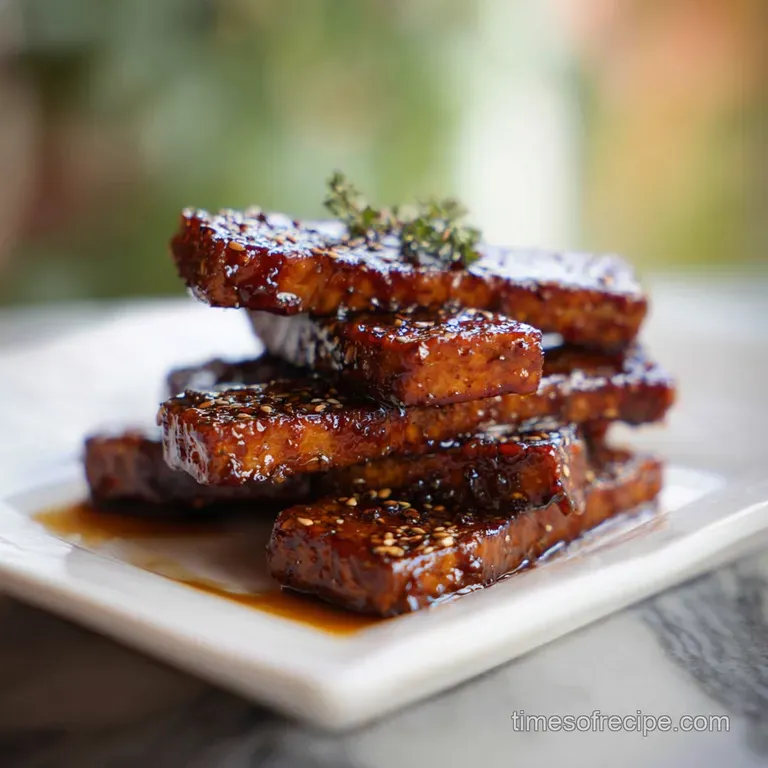
The Bitterness Issue
Tempeh is a fermented product, and depending on the brand, it can have a very strong, bitter aftertaste. If you skip the steaming step, that bitterness stays locked inside the bean. Steaming not only removes that "funk" but also softens the beans so they don't feel like eating gravel.
If you've tried tempeh before and hated it, this is likely why.
Sogginess and Texture
A common mistake is adding the glaze too early. If you pour the liquid into the pan before the strips are seared, you end up boiling the tempeh instead of frying it. You want that initial contact with the hot oil to create a structural crust.
This "barrier" prevents the glaze from making the inside mushy, giving you that perfect contrast of a crispy outside and a tender interior.
| Problem | Root Cause | Solution |
|---|---|---|
| Glaze is too thin | Not enough reduction time | Simmer for 1 extra minute on high heat. |
| Strips are sticking | Pan wasn't hot enough | Heat oil until it shimmers before adding tempeh. |
| Glaze tastes burnt | Heat was too high | Turn heat to low as soon as the sauce thickens. |
- ✓ Pat the tempeh completely dry after steaming to ensure a crispy sear.
- ✓ Don't overcrowd the pan; give each strip space to breathe and brown.
- ✓ Use a high-quality balsamic vinegar to avoid a metallic or overly sour taste.
- ✓ Stir the glaze constantly once it starts to bubble to prevent the sugars from scorching.
- ✓ Let the cooked strips rest for a minute; the glaze thickens significantly as it cools.
Flavor Variations and Swaps
If you want to shake things up, this recipe is incredibly flexible. If you're a fan of bold, spicy flavors, try adding a teaspoon of red pepper flakes or a squeeze of sriracha to the glaze. It creates a "hot honey" vibe that is absolutely addictive.
For those who prefer a more earthy tone, swapping the maple syrup for agave or even brown sugar provides a different type of sweetness that leans more toward molasses.
You can also change the protein entirely. This balsamic reduction works wonders on extra firm tofu or even roasted cauliflower steaks. If you use tofu, just make sure to press it for at least 20 minutes beforehand to get all the water out. If you're looking for a similar vibe but with a different profile, my Honey Garlic Meatballs recipe uses a related technique of reducing a sweet and savory sauce until it perfectly coats the protein.
Scaling Your Portions
When you're cooking for a crowd, doubling this recipe is straightforward, but you have to watch your pan space. If you try to crowd 16 oz of tempeh into a standard 10 inch skillet, the strips will steam each other and you'll lose that crispy exterior.
Work in batches for the searing phase, then combine everything back in the pan for the final glaze reduction.
If you are scaling down to a single serving, use a small 8 inch pan. You may find that the glaze reduces much faster in a smaller batch because there is more surface area relative to the liquid. Keep a tablespoon of water nearby to thin it out if it starts to turn into candy before the tempeh is fully coated.
For spices and aromatics like garlic and pepper, I usually don't cut them exactly in half I keep them a bit higher to ensure the flavor stays punchy.
Storing Your Leftovers
Leftover Balsamic Glazed Tempeh is actually a hidden gem for meal preppers. It keeps beautifully in the fridge for up to 5 days in an airtight container. The glaze will thicken and almost "cure" the tempeh, making it even more flavorful the next day.
I love slicing cold leftovers thin and throwing them onto a salad or inside a wrap with some crunchy greens and avocado.
For freezing, you can store the cooked strips for up to 2 months. To reheat, avoid the microwave if you can; it tends to make the glaze a bit rubbery. Instead, toss them back into a dry skillet over medium heat for 3-4 minutes.
This will revive the sticky texture and bring back that slight crunch on the edges. If you're looking for a zero waste tip, any leftover glaze at the bottom of the pan can be scraped out and mixed into a bit of mayo for a killer balsamic garlic sandwich spread.
Perfect Side Dish Pairings
Because this dish is so hearty and bold, I like to pair it with sides that offer a bit of freshness or a neutral base. A pile of fluffy quinoa or brown rice is the classic choice to soak up any extra glaze. If you want to keep the balsamic theme going through the whole meal, this pairs perfectly with my Honey Balsamic Brussels recipe. The roasted char of the sprouts mirrors the seared edges of the tempeh beautifully.
If you’re looking for something a bit more indulgent for a weekend dinner, these strips are a fantastic protein choice alongside a Side Dishe for Steak recipe like roasted asparagus or smashed potatoes. The acidity in the balsamic glaze cuts right through the starchiness of the potatoes, creating a balanced plate that feels like a restaurant quality meal right in your own dining room.
Kitchen Myths Debunked
One of the biggest myths is that tempeh needs to be marinated for hours to have any flavor. Because tempeh is so dense, a long soak often only flavors the outer millimeter of the block. The "steam and glaze" method is far more effective because it uses heat to force the flavor into the opened pores of the soy.
You get better results in 20 minutes than you would with a 4 hour cold marinade.
Another misconception is that the white fluff on the outside of the tempeh is mold that has "gone bad." In reality, that white fluff is Rhizopus oligosporus, the beneficial fungus that ferments the beans and makes them digestible. It is perfectly safe and actually a sign of a high-quality, active fermentation.
Unless the block is slimy, smells like ammonia, or has bright colors like blue or pink, it’s good to go. Searing it at high heat during the glazing process further mellows the earthy flavor into something truly savory.
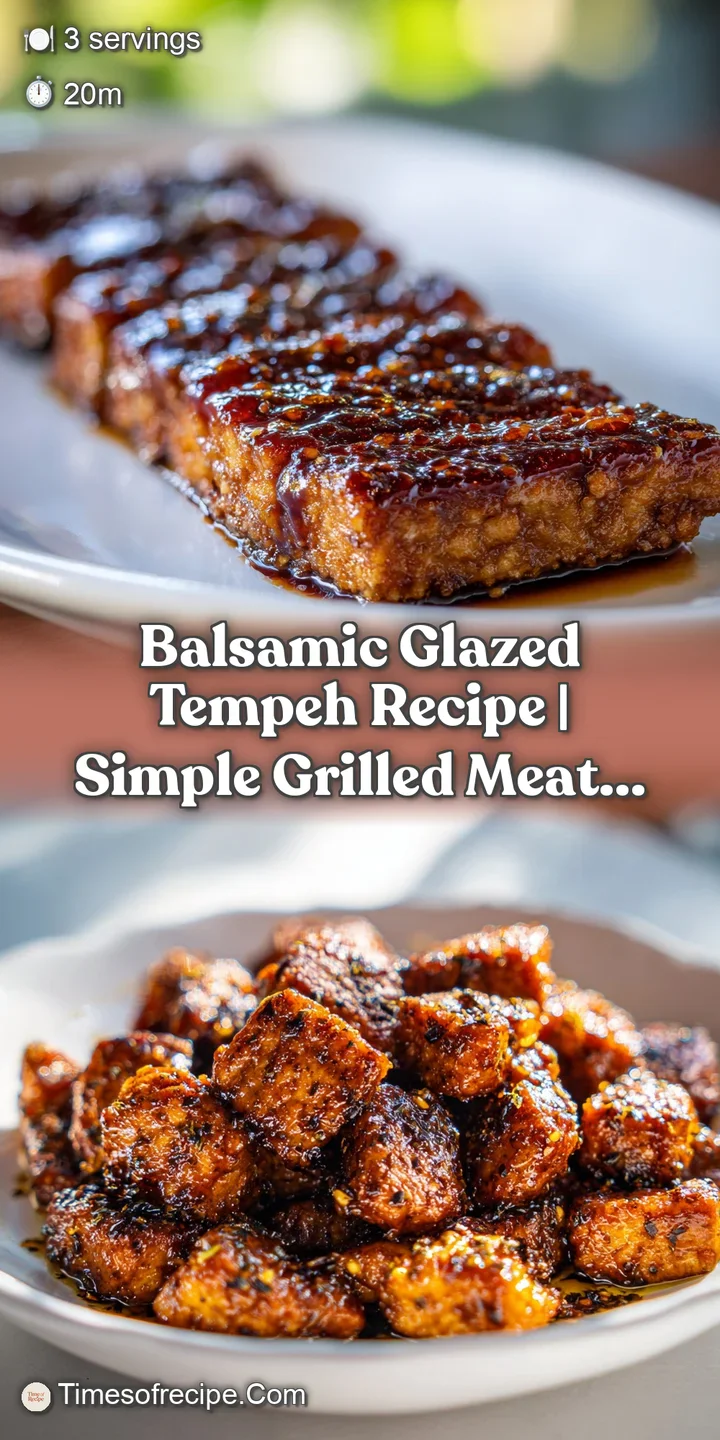
Recipe FAQs
What does balsamic glaze go well with?
Yes, it is versatile, especially with savory proteins. It pairs wonderfully with roasted vegetables, seared tofu, pork chops, or served over simple grain bowls. If you are looking for an indulgent side to cut through the sweetness, try serving this with our Galentine's and Valentine's recipe.
How long is too long to marinate tempeh?
Marinating longer than 2 hours is generally unnecessary for tempeh. Because tempeh is so dense, a long soak often only flavors the outer millimeter of the block, making longer times inefficient. The steaming method used here is much faster at infusing deep flavor.
What is balsamic glaze made of?
It is primarily reduced balsamic vinegar and a sweetener. Traditional glaze is made by simmering balsamic vinegar until the water content evaporates, concentrating the sugars and resulting in a thick, syrupy sauce. Maple syrup and tamari are used here for depth and balance.
What the heck is tempeh?
It is a traditional Indonesian food made from fermented soybeans formed into a dense cake. The fermentation process, driven by a beneficial mold, binds the beans together, giving it a firm, nutty texture that absorbs marinades well. The white webbing you see is a sign of a healthy ferment.
Can I skip steaming the tempeh?
No, skipping the steam step is highly discouraged. Steaming for 10 minutes hydrates the dense beans, softens the texture, and releases any inherent bitterness found in raw tempeh. If you skip this, the final texture will be hard and the flavor dull.
How do I ensure the glaze achieves that glossy, thick coating?
Achieve gloss by simmering the glaze over medium heat without cover. Allow the liquid to reduce by about one-third, ensuring you stir constantly as the sugars concentrate. If you enjoyed mastering the sweet tart balance in this reduction, see how the same acid technique works to create a bright dressing in our Champagne Vinaigrette Recipe.
Is it true that tempeh tastes overwhelmingly earthy or "funky"?
No, this is a common misconception, usually related to freshness or preparation. Unpleasant funkiness often comes from not steaming the tempeh first, which locks in bitterness and raw bean flavor.
A fresh, properly steamed block has a mild, nutty flavor that easily takes on bold sauces like this balsamic glaze.
Balsamic Glazed Tempeh
Ingredients:
Instructions:
Nutrition Facts:
| Calories | 241 kcal |
|---|---|
| Protein | 14.4 g |
| Fat | 12.8 g |
| Carbs | 18.7 g |
| Fiber | 3.1 g |
| Sugar | 10.7 g |
| Sodium | 313 mg |
