Worlds Best Lasagna Recipe
- Time: Active 45 minutes, Passive 3 hours 15 mins, Total 4 hours
- Flavor/Texture Hook: Hearty, bold ragù with a golden, bubbly cheese crust
- Perfect for: Large family gatherings, Sunday meal prep, or comforting potlucks
- The Hearty Secret to My Favorite Homemade Lasagna
- The Science Behind Every Satisfying Layer
- Analysis of the Key Flavor Components
- Building Your Pantry for This Iconic Meal
- Tools for Crafting the Perfect Family Dinner
- Mastering the Assembly of a Truly Bold Lasagna
- Troubleshooting Tips to Avoid Common Kitchen Disasters
- Smart Swaps for a Personalized Flavor Profile
- Debunking Italian Kitchen Myths
- Keeping Your Leftovers Fresh and Flavorful
- Tasty Sides to Complete the Italian Experience
- Critical in Sodium
- Recipe FAQs
- 📝 Recipe Card
The Hearty Secret to My Favorite Homemade Lasagna
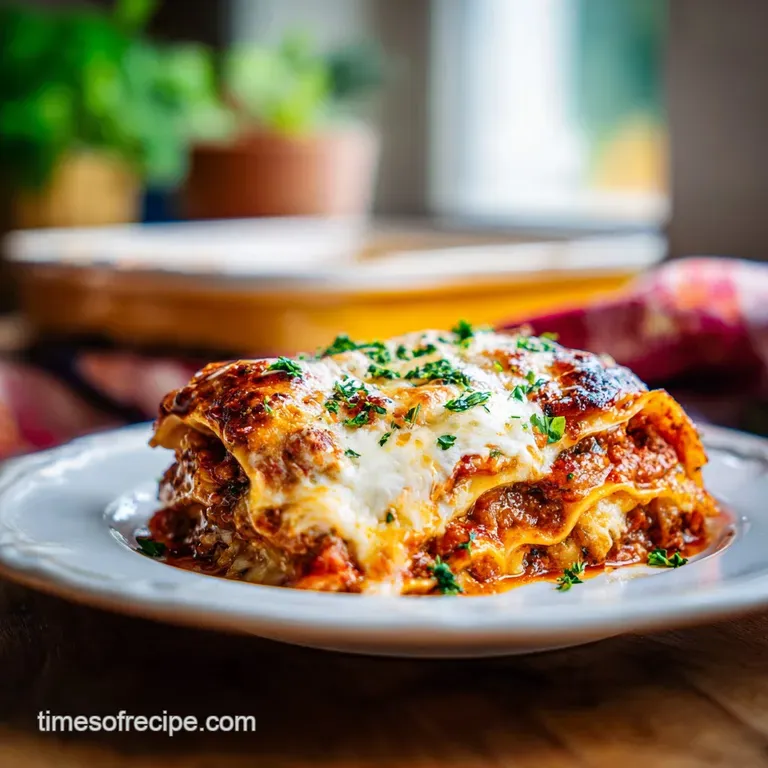
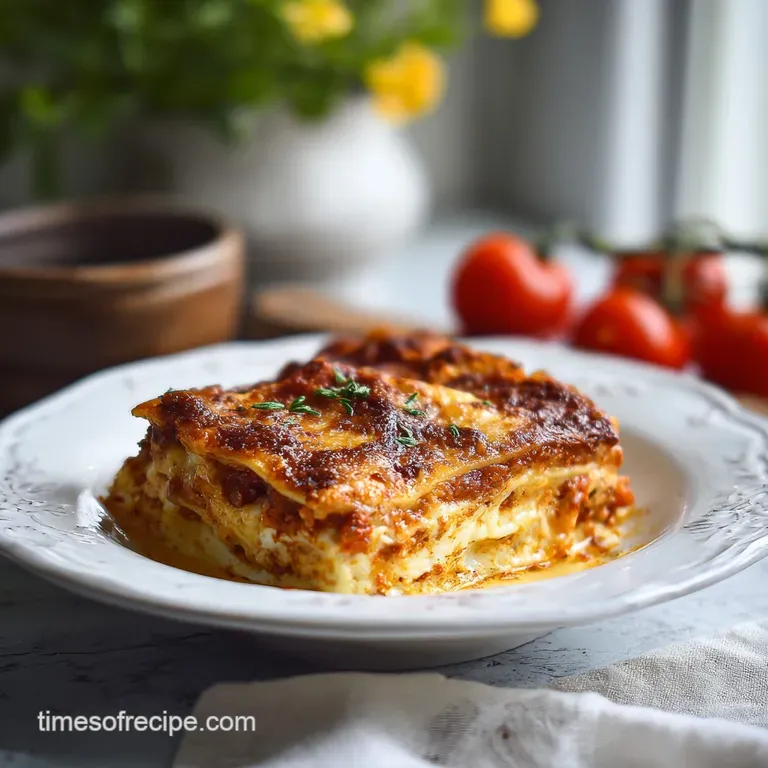
There is a specific sound that happens when you pull a heavy, ceramic dish of Lasagna out of the oven. It is a rhythmic, frantic bubbling around the edges where the tomato sauce has caramelized into a deep mahogany.
The first time I tried making this for a big family Sunday, I was so impatient that I sliced into it immediately. It was a disaster a delicious, sloppy soup that slid across the plate. I learned the hard way that the "set" is just as important as the simmer.
We are talking about a dish that takes up space in the kitchen and the heart. The aroma of 450g of ground beef and 450g of sweet Italian sausage browning together with garlic is basically a signal to everyone in the house that a feast is coming.
I’ve refined this over years of messy counters and stained aprons to ensure you get those distinct, beautiful layers that actually hold their shape. It’s about the contrast between the rich, acidic San Marzano tomatoes and the creamy, nutmeg spiced ricotta.
This isn't a quick weeknight meal; it’s a project. But I promise you, when you set this on the table and hear that first "shatter" of the crispy cheese top under your knife, every minute of that three hour simmer will feel worth it. We’re going for bold flavors here no bland fillers allowed.
This is the kind of meal that makes people quiet down because they’re too busy enjoying the comfort in every bite.
The Science Behind Every Satisfying Layer
Maillard Reaction: Browning the beef chuck and sausage at high heat creates complex flavor compounds that a quick boil simply cannot replicate.
Starch Gelatinization: Allowing the sauce to simmer for hours reduces the water content, ensuring the noodles absorb the right amount of liquid without becoming mushy.
Protein Coagulation: Adding a single egg to the ricotta mixture ensures the cheese layer "sets" into a velvety solid rather than weeping liquid during the bake.
Carryover Cooking: The internal temperature of the dish continues to rise after leaving the oven, which is why a 15 minute rest period is non negotiable for structural integrity.
| Method | Total Time | Texture | Best For |
|---|---|---|---|
| Classic Slow Simmer | 4 hours | Deep, rich, integrated | Sunday dinner/Guests |
| Modern No Boil | 1 hour 30 mins | Al dente, brighter sauce | Busy weeknights |
| Slow Cooker | 6 hours | Very soft, stew like | Set and forget days |
Choosing the right method depends on your schedule, but for that authentic, bold flavor we’re after today, the slow simmered classic version is the clear winner. While you wait for your sauce to reach that thick, glossy consistency, you could even prep a Baked Tortellini Casserole recipe for a faster meal later in the week.
Analysis of the Key Flavor Components
| Component | Science Role | Pro Secret |
|---|---|---|
| Beef Bone Broth | Adds gelatin for body | Use a reduced broth for an even deeper umami punch |
| Dry Red Wine | Acidity cuts through fat | Scrape the pan (deglaze) to catch every bit of flavor |
| Whole Milk Ricotta | Provides creamy contrast | Drain it in a sieve for 30 mins to prevent sogginess |
| Ground Nutmeg | Enhances dairy sweetness | Always grate it fresh for a more vibrant, spicy aroma |
Building Your Pantry for This Iconic Meal
- Ground beef chuck (450g): This provides the essential fat content for a satisfying mouthfeel.
- Sweet Italian sausage (450g): I prefer the casings removed so the meat integrates perfectly into the sauce.
- Yellow onion (1 large): Finely diced to melt away into the ragù.
- Garlic (4 cloves): Minced fresh; please don't use the jarred stuff for this dish.
- Crushed San Marzano tomatoes (1.6kg):Why this? These are less acidic and much meatier than standard canned tomatoes.
- Tomato paste (2 tbsp): For that concentrated, sun dried depth.
- Beef bone broth (240ml): Adds a rich, silky texture to the sauce.
- Dry red wine (120ml): Use something you’d actually drink, like a Chianti or Merlot.
- Dried oregano (1 tbsp): The backbone of Italian American herb flavor.
- Fresh basil (60ml): Stir this in at the very end to keep the brightness.
- Whole milk ricotta (425g):Why this? low-fat versions tend to turn grainy and watery when baked.
- Large egg (1): The "glue" that keeps your cheese layers from sliding.
- Parmigiano Reggiano (480ml): Grate it yourself; the pre shredded kind is coated in starch and won't melt properly.
- Ground nutmeg (0.5 tsp): A tiny amount makes the cheese taste incredibly rich.
- Lasagna noodles (450g): Traditional curly edged noodles hold the sauce best.
- Low moisture mozzarella (450g): Shred it at home for the best "cheese pull" experience.
- Extra virgin olive oil (60ml): For sautéing and a final silkiness.
Tools for Crafting the Perfect Family Dinner
You don't need a professional kitchen, but a heavy bottomed pot, like a Dutch oven (such as a Le Creuset or Lodge), is a game changer for simmering the sauce without burning the bottom. A standard 9x13 inch (23x33 cm) ceramic or glass baking dish is the ideal vessel for assembly.
I also recommend using a box grater for the mozzarella and Parmigiano. Trust me, the way freshly grated cheese melts bubbling and stretching into a silky web is totally different from the dusty, pre bagged versions. If you love these bold, cheesy flavors, you should also try my One Pot Cajun recipe for another satisfying meal that uses similar over high heat techniques.
Mastering the Assembly of a Truly Bold Lasagna
Developing the Fond
- Heat the oil. Add 60ml extra virgin olive oil to your Dutch oven over medium high heat.
- Brown the meat. Add the 450g ground beef and 450g sausage meat. Cook 8-10 minutes until deeply browned and crispy bits form. Note: This "fond" on the bottom is concentrated flavor.
- Sauté aromatics. Toss in the diced onion and cook 5 minutes until translucent. Stir in the minced garlic for 1 minute until the fragrance fills the room.
Simmering the Meat Sauce
- Deglaze the pan. Pour in the 120ml red wine, scraping the bottom of the pot with a wooden spoon.
- Build the sauce. Stir in the 1.6kg crushed tomatoes, 2 tbsp tomato paste, 240ml bone broth, and oregano.
- Slow simmer. Reduce heat to low and simmer uncovered for 2 hours 30 mins until thick enough to coat a spoon. Stir in the fresh basil at the end.
Preparing the Pasta
- Boil the noodles. Cook the 450g lasagna noodles in salted water for 2 minutes less than the package directions. Note: They will finish cooking in the oven's steam.
Tempering the Cheese Filling
- Mix the ricotta. In a bowl, combine 425g ricotta, 1 egg, 240ml Parmigiano Reggiano, and the nutmeg. Whisk until completely smooth and pale.
Engineering the Layers
- First layer. Spread a thin layer of meat sauce on the bottom of the 23x33 cm dish. Lay down 3-4 noodles, slightly overlapping.
- Cheese and meat. Spread 1/3 of the ricotta mixture over the noodles, followed by a generous layer of meat sauce and a handful of mozzarella.
- Repeat. Continue layering until you have 3 or 4 layers. Finish with a thick coating of meat sauce and the remaining mozzarella and Parmigiano.
Mastering the Bake
- The oven phase. Cover with foil and bake at 190°C for 25 minutes. Remove foil and bake another 20 minutes until the cheese is golden and bubbling.
- The crucial rest. Let the dish sit for 15 minutes before slicing. Precision Checkpoint: Use an instant read thermometer to ensure the center has reached 74°C.
Troubleshooting Tips to Avoid Common Kitchen Disasters
Preventing the Watery Slump
If your Lasagna resembles a lake after slicing, it’s usually because the sauce was too thin or the ricotta wasn't drained. The liquid from the vegetables and meat needs time to evaporate. Next time, let the sauce simmer for an extra 30 minutes until it looks like a thick jam.
Also, don't skip the egg in the ricotta; it acts as a stabilizer.
Avoiding the Burned Bottom
A dark, bitter crust on the bottom of the dish usually happens if the oven rack is too low or if there wasn't enough sauce on the very first layer. Always start with sauce, not noodles. If your oven runs hot, place the baking dish on a rimmed baking sheet to provide an extra layer of insulation.
| Problem | Root Cause | Solution |
|---|---|---|
| Rubbery Noodles | Not enough sauce/moisture | Ensure noodles are fully covered by sauce at the edges |
| Greasy Surface | Too much fat in the meat | Drain excess fat after browning the beef and sausage |
| Separated Layers | Cutting while too hot | Wait a full 15 minutes before your first slice |
Common Mistakes Checklist ✓ Always salt your pasta water like the sea (it's the only chance to season the noodles). ✓ Pat the cooked noodles dry before layering to prevent excess water.
✓ Don't overcook the noodles in the pot; aim for "very al dente." ✓ Use a heavy pan for the sauce to prevent scorching during the long simmer. ✓ Let the meat sauce cool slightly before assembly to keep the cheese from melting too fast.
Smart Swaps for a Personalized Flavor Profile
Adjusting a recipe is part of the fun of being a home cook. If you're looking for a lighter touch, you can swap the heavy meats, but be aware it will change the "hearty" nature we're aiming for.
| Original Ingredient | Substitute | Why It Works |
|---|---|---|
| Ground Beef Chuck | Ground Turkey (93%) | Leaner option. Note: Adds less flavor/fat; add a dash of Worcestershire sauce. |
| Red Wine | Balsamic Vinegar (2 tbsp) | Provides acidity and depth without the alcohol content. |
| Ricotta Cheese | Cottage Cheese (Small Curd) | Higher protein, slightly saltier. Note: Result will be more liquid; drain well. |
Scaling for a Smaller or Larger Crowd
- To Scale Down (1/2): Use an 8x8 inch square pan. Reduce the simmering time of the sauce by 30% as it will thicken faster. For the egg, whisk it and use half.
- To Scale Up (2x): You will need two separate baking dishes. Do not double the salt or oregano immediately; start with 1.5x and taste. Liquids like broth should be reduced by 10% as evaporation is slower in a larger pot.
Debunking Italian Kitchen Myths
One common myth is that you must rinse your pasta after boiling. This is actually a mistake! Rinsing washes away the surface starch that helps the sauce cling to the noodles. Instead, just drain them and lay them flat on a piece of parchment paper.
Another misconception is that more cheese always equals better Lasagna. If you overdo the mozzarella between the layers, you create a slick "oil barrier" that prevents the sauce and noodles from bonding. Stick to the measurements for a perfectly integrated slice.
Keeping Your Leftovers Fresh and Flavorful
Storage: This dish actually tastes better the next day as the flavors continue to meld. Keep it in the fridge for up to 4 days in an airtight container.
Freezing: You can freeze the entire baked dish (once cooled) for up to 3 months. Wrap it tightly in plastic wrap and then foil to prevent freezer burn. To reheat, thaw in the fridge overnight and bake at 175°C until the center is hot.
Zero Waste: If you have leftover sauce, it makes an incredible base for a "shakshuka" style breakfast. Just heat it in a pan, crack a couple of eggs on top, and cover until the whites are set. Leftover cooked noodle scraps can be tossed into a minestrone soup for extra body.
Tasty Sides to Complete the Italian Experience
To balance the boldness of this meal, I always serve it with a very bright, acidic green salad. A simple vinaigrette with plenty of lemon juice cuts right through the richness of the cheese.
Garlic bread is the classic companion, but try rubbing a raw garlic clove on toasted sourdough instead of using heavy butter. It provides a sharp, fresh hit that complements the slow simmered ragù perfectly.
If you have any leftover red wine from the sauce, serve it alongside the tannins in the wine love the fat in the beef and sausage. This is family cooking at its most satisfying. Enjoy the process!

Critical in Sodium
1145 mg mg of sodium per serving (50% % of daily value)
The American Heart Association recommends limiting sodium intake to about 2,300mg per day for optimal health.
Sodium Reduction Tips for Your Lasagna
-
Low-Sodium Broth-30%
Replace regular beef bone broth with a low-sodium or no-salt added version. This simple swap significantly reduces the overall sodium content.
-
Reduce Cheese Sodium-15%
Use part skim ricotta and less Parmigiano Reggiano. Consider a lower sodium mozzarella, or use it sparingly. Cheese contributes a significant amount of sodium.
-
No-Salt Added Tomatoes-20%
Opt for no-salt added crushed San Marzano tomatoes. This is an easy way to cut back on sodium without sacrificing flavor.
-
Lower Sodium Sausage-25%
Choose a lower sodium sweet Italian sausage or consider using half the amount of sausage and increasing the ground beef to compensate.
-
Skip the Wine-10%
While wine adds flavour, it can also contain added sodium. Substituting with no-sodium beef broth will keep the dish moist.
-
Flavor with Herbs
Enhance the flavor of your lasagna with a variety of fresh and dried herbs and spices! Experiment with garlic powder, onion powder, black pepper and additional oregano and basil to boost flavor without adding sodium.
Recipe FAQs
How long must the lasagna rest after baking before slicing?
Rest for a non-negotiable 15 minutes. This carryover cooking allows the internal proteins to coagulate, ensuring the layers hold their shape instead of sliding apart.
Should I drain whole milk ricotta before mixing it with the egg?
Yes, drain it for 30 minutes in a sieve. This removes excess moisture which, if left in, contributes directly to a watery final product.
Is it necessary to brown the beef and sausage until crispy bits form?
Yes, this step is critical for depth of flavor. Browning the meat at high heat creates the Maillard reaction, building complex compounds absent in simply simmered meat.
How do I prevent the noodles from becoming mushy when baking?
Cook them 2 minutes less than the package directs. They should be very al dente, as they absorb the remaining necessary liquid during the sauce's long simmer and the final bake.
Can I substitute cottage cheese for ricotta in this recipe?
Yes, but you must drain the cottage cheese thoroughly. Cottage cheese releases more liquid than ricotta, so ensure it is well strained or your cheese layer will weep.
Is it true that pre-shredded Parmesan melts better than freshly grated?
False. Pre-shredded cheese is coated in starch. Always grate Parmigiano Reggiano fresh, as the starch coating prevents the proper melting and binding required for the topping.
What is the ideal method for making this lasagna ahead of time?
Assemble the entire dish and refrigerate it up to 24 hours. When baking from cold, add an extra 10 to 15 minutes to the initial covered baking time.
Best Homemade Lasagna Recipe
Ingredients:
Instructions:
Nutrition Facts:
| Calories | 618 kcal |
|---|---|
| Protein | 39.2 g |
| Fat | 35.5 g |
| Carbs | 35.4 g |
| Fiber | 3.1 g |
| Sugar | 6.2 g |
| Sodium | 1145 mg |
