Brown Sugar Shaken Espresso: the Ultimate Copycat Recipe with Cinnamon Syrup
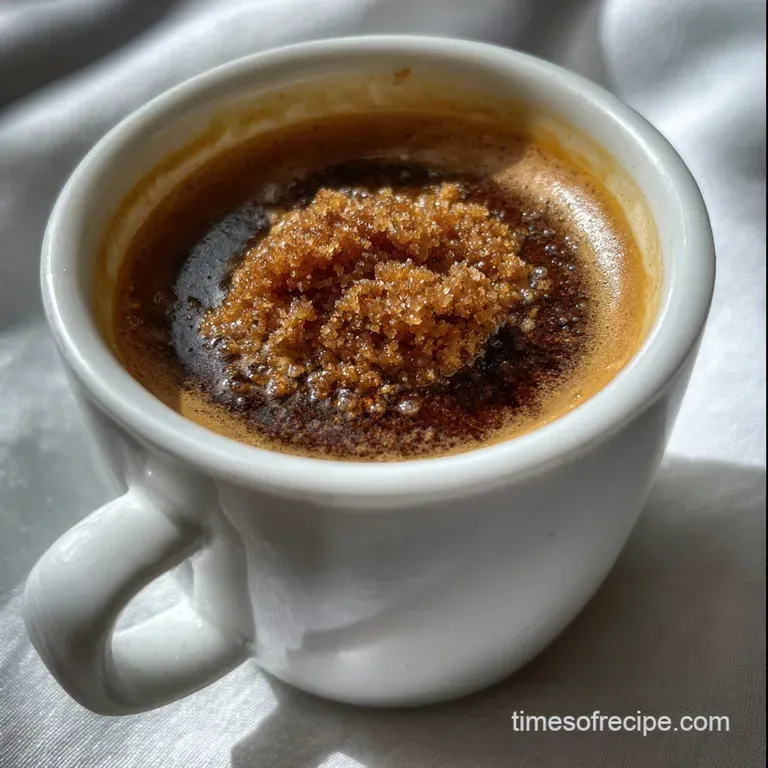
- Introducing The King's Road Shaker: The Ultimate Brown Sugar Shaken Espresso Recipe
- The Science of the Shake: Why This Brown Sugar Shaken Espresso Recipe Delivers Maximum Flavor
- Essential Components: Ingredients and Smart Substitutions
- The Aeration Method: Step-by-Step Instructions for the Perfect Brown Sugar Shaken Espresso
- Barista Secrets: Chef's Tips and Troubleshooting Common Shaken Espresso Mistakes
- Planning Ahead: Storage Guidelines for Syrup and Prepared Drink
- Recipe FAQs
- 📝 Recipe Card
Introducing The King's Road Shaker: The Ultimate Brown Sugar Shaken Espresso Recipe
That smell is absolutely addictive; it hits you the second the hot espresso melts into the spiced brown sugar syrup. We’re talking deep, caramelized molasses notes cut by punchy cinnamon, culminating in a velvety, frothy texture that only comes from a true shake.
If you’ve ever watched that glorious cascade of creamy oat milk mixing into the intensely dark espresso base, you know exactly why this drink is basically liquid gold.
Why stand in that eternally long line when you can make a better, faster, and significantly cheaper Brown Sugar Shaken Espresso at home? Seriously, I used to spend a fortune on these things until I realized the secret is shockingly simple: it’s all in the speed of the chill and the vigor of the shake.
This recipe delivers the perfect balance of sweetness and bitter coffee intensity every single time, saving your wallet and your morning routine.
This version, which I call The King's Road Shaker, relies on a perfect homemade syrup and a cold shock technique. Forget watered down coffee and flat foam; we are aiming for maximum aeration, flavor depth, and barista level presentation.
Let’s crack on and elevate your at-home coffee game, because you deserve this rich, comforting cup.
The Science of the Shake: Why This Brown Sugar Shaken Espresso Recipe Delivers Maximum Flavor
You might think shaking a drink is just for cocktails, but it’s actually essential here. We aren't just chilling the liquid; we are forcing aeration. The process involves hot liquid, cold liquid, and ice, creating tiny air pockets that form a long lasting micro foam, making the drink feel dramatically richer and smoother on the tongue.
Ditching the Drive Thru: Superior Taste at Home
The number one problem with most store-bought syrups is that they taste artificial and flat. When you simmer light brown sugar, water, and a whole cinnamon stick at home, you unlock the complex, smoky, molasses undertones inherent in the sugar itself.
This depth means you need less syrup overall to achieve intense flavor, resulting in a cleaner, less cloyingly sweet drink.
Is This a Copycat? Understanding the Flavor Profile
Yes, this mimics the beloved big-chain version, but honestly, I think it’s better. Why? We control the spice. The deep brown sugar shaken espresso flavor comes from leaning heavily into that warm, earthy cinnamon.
It is essential to use a cinnamon stick in the syrup and not just ground cinnamon, as steeping releases the oils more effectively.
Difficulty Check: Assessing the "Medium" Skill Level
While anyone can follow the steps, achieving a true medium difficulty rating comes down to equipment. Making a proper, concentrated espresso shot requires some kind of specialized machine even a Moka pot or Aeropress takes practice.
If you’re just pouring in cold brew concentrate, this recipe is easy, but you sacrifice some of that intense coffee richness.
The Maillard Reaction in Your Cup: Caramelization Notes
The intense flavor profile isn't accidental; it’s chemistry. The initial simmering of the brown sugar syrup lightly caramelizes the sugars (a mild Maillard reaction), deepening the flavor beyond simple sweetness. This complexity then perfectly complements the acidity and robust nature of the espresso.
Creating the Micro Foam: The Importance of Aeration
This is the secret weapon! When hot liquid is rapidly chilled by ice and violently agitated, tiny air bubbles are introduced and trapped before they can dissipate. This process, aeration, gives the shaken espresso that desirable, thick, creamy head that settles slowly instead of disappearing instantly.
If your foam vanishes immediately, you didn't shake hard enough.
Why Cinnamon is Crucial for the Brown Sugar Base
Brown sugar inherently carries a slight hint of spice and molasses, but cinnamon amplifies this to another level. Think of cinnamon as the anchor. It grounds the sweetness and prevents the entire drink from tasting like straight sugar water, giving it that cozy, warming finish we crave.
Essential Components: Ingredients and Smart Substitutions
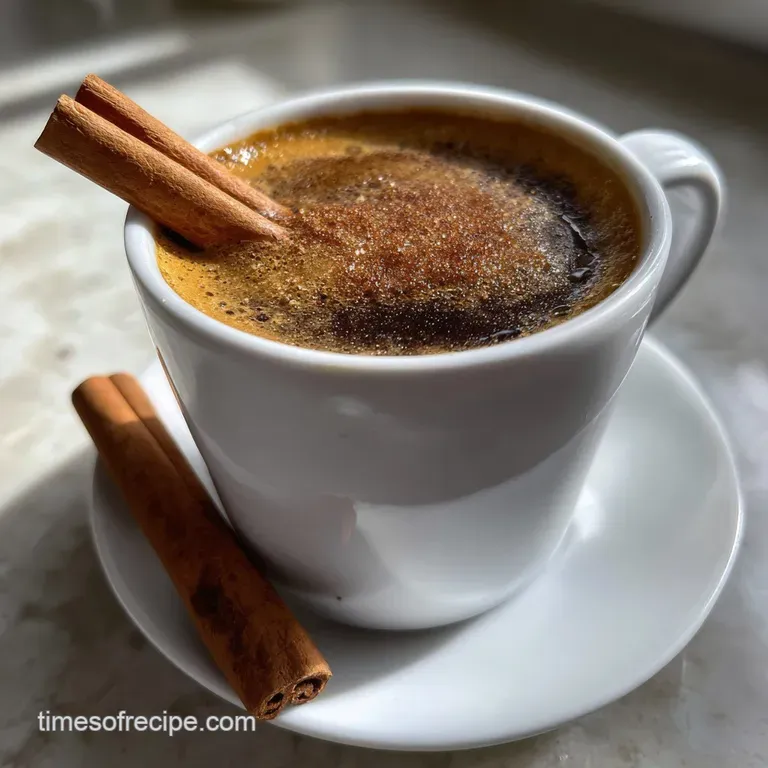
I believe in quality ingredients, but I also understand life happens! I once tried to use instant coffee in this recipe when my grinder was broken. Never again. It was thin, bitter, and sad. Here’s what you need and what you can use if you’re in a pinch.
Choosing the Best Espresso Roast and Grind
You need intensity here, plain and simple. I recommend a medium dark roast because it has enough body to stand up to the sweetness of the syrup without tasting burnt. If you only have light roast, pull the shots a little shorter than usual to maximize concentration.
| Original Ingredient | Substitution | Why it works |
|---|---|---|
| Espresso | Strong Moka Pot or Aeropress Concentrate | Provides the necessary viscosity and intensity. Drip coffee is too weak. |
| Grind | Finely Ground Coffee | Use the finest setting your machine allows to ensure maximum extraction in a short time. |
Homemade Brown Sugar Cinnamon Syrup vs. store-bought Shortcuts
Making the syrup is non-negotiable for superior flavor. store-bought syrups are usually too thin and often skip the crucial steeping process with real cinnamon. If you must use a shortcut, find a high-quality brown sugar syrup and add a few drops of pure vanilla extract to boost complexity.
Selecting the Right Dairy or Non-Dairy Milk
I am a die-hard Oat Milk enthusiast for this drink. Barista style oat milk is engineered to foam beautifully and has a naturally creamy, slightly sweet flavor that perfectly complements the brown sugar.
| Original Ingredient | Substitution | Notes |
|---|---|---|
| Oat Milk | Whole Milk or Soy Milk | Whole milk gives you maximum richness. Soy milk is the next best dairy-free alternative for texture. |
Ingredient Swap: Using Maple Syrup Instead of Brown Sugar
Did you run out of brown sugar? Don't panic! You can definitely use pure maple syrup, but remember, maple syrup is already liquid. If you sub maple for brown sugar, reduce the water in the syrup recipe to about ⅓ cup (80ml) so the syrup doesn't become too watery.
The flavor will be lovely slightly woody and earthy.
The Aeration Method: step-by-step Instructions for the Perfect Brown Sugar Shaken Espresso
This is the process I’ve perfected over countless attempts. Follow these steps precisely to get that beautiful micro foam.
Step 1: Crafting the Signature Brown Sugar Syrup Base
Combine ½ cup packed brown sugar, ½ cup water, and your whole cinnamon stick in a small saucepan. Heat this over medium heat, stirring until the sugar is totally dissolved and the mixture just starts to simmer around the edges.
Remove it immediately and let it sit for a full 15– 20 minutes so that cinnamon can infuse deeply. Finally, discard the stick, pour the syrup into a jar, and chill thoroughly. Cold syrup is absolutely mandatory for the next steps.
Step 2: Extracting Quality Espresso Shots
Pull a fresh double shot of espresso (about 2 fl oz / 60 ml) into a heatproof vessel. It must be fresh and scalding hot when it hits the shaker. Do not pre-chill the espresso, or you will ruin the magic of the temperature shock.
Step 3: The Cold Shock: Combining Syrup, Espresso, and Ice
Pour 2 to 3 tablespoons of the chilled brown sugar syrup into your cocktail shaker. Immediately pour the hot espresso over the syrup. Now, fill the shaker about ¾ full with solid, quality ice cubes. Use more ice than you think you need it helps the aeration.
Step 4: Mastering the 30 Second Vigor Shake
Seal the shaker tightly! You are now going to shake it hard and I mean hard —for a full 15 to 20 seconds. Listen for the sound of the ice cubes cracking and hitting the sides; the shaker exterior should be intensely cold.
This aggressive motion forces aeration, creating the characteristic thick micro foam. Fill your serving glass with fresh ice, pour the entire contents (foam and liquid) from the shaker into the glass, and top gently with your chilled oat milk.
Chef's Note: When you pour the shaken espresso into the serving glass, you should see a thick, tan layer of foam settle instantly on the liquid. If the foam looks watery or dissipates fast, you didn't shake with enough conviction!
Barista Secrets: Chef's Tips and Troubleshooting Common Shaken Espresso Mistakes
I've been there, staring sadly at a flat, watery coffee. Here are the pitfalls and how to avoid them.
Why Your Foam Fell Flat (And How to Fix It)
The foam falls flat for two main reasons. First, the ingredients weren't cold enough. You need that syrup chilled, and the ice needs to be hard. Second, you didn't shake hard enough or long enough.
The solution: Use massive, solid ice cubes (not crushed ice) and shake like your life depends on it for a full 20 seconds.
Adjusting Sweetness Levels Post Shake
Did you over sweeten it? This happens, especially if you measure incorrectly. The easiest fix is to simply add an extra splash of cold oat milk and maybe another half shot of espresso if you have one on hand. Don’t add water, as it will dilute the flavor profile too much.
The Optimal Ice Type for Maximum Chill and Aeration
Small, crunchy ice melts too fast, diluting your drink before the aeration process is complete. Use large, dense, solid ice cubes. These chill the mixture faster without adding too much water immediately, helping maintain the intensity and structure of the foam.
Planning Ahead: Storage Guidelines for Syrup and Prepared Drink
This recipe is fantastic for meal prepping the components, but you cannot prep the final shaken drink.
Shelf Life of the Brown Sugar Cinnamon Syrup
This homemade syrup is your best friend. Stored in an airtight container (a jar works great) in the refrigerator, it will easily last for 2 to 3 weeks. Always smell it before using, but because it's essentially sugar water, it has a long, stable shelf life.
Can You Store Leftover Shaken Espresso?
Absolutely not, do not try this! Once shaken, the intense micro foam structure begins to degrade immediately. If you try to save a leftover shaken espresso in the fridge, you will end up with a flat, watery, slightly separated coffee sludge. Always make the shaken portion fresh.
Ideal Breakfast and Brunch Accompaniments
Because the brown sugar shaken espresso is rich, sweet, and spiced, you want pairings that offer contrast or a simple buttery note. A perfect pairing is a warm, slightly flaky shortbread cookie or even a simple, lightly sweetened lemon muffin.
If you prefer something savory, a classic, warm, buttered scone balances the sweetness wonderfully.

Recipe FAQs
I don't have an espresso machine. Can I still make this drink?
Yes, you can substitute 4 ounces of very strong brewed coffee, Moka pot coffee, or two shots made with an AeroPress. Ensure your coffee is intensely concentrated, as regular drip coffee will be too watery and weak once diluted with ice and milk. The strength is crucial for balancing the rich syrup flavor.
My shaken espresso is not frothy. What did I do wrong?
The key to achieving that signature micro foam is the thermal shock created when hot espresso meets the ice and syrup. You must shake the contents very vigorously for a full 15 20 seconds to properly aerate the espresso. Ensure your espresso is freshly brewed and still hot when it enters the shaker.
Can I substitute granulated sugar or honey for the brown sugar syrup?
While you can use other sweeteners, brown sugar is essential for achieving the specific deep, molasses, and caramelized flavor profile of this recipe. Using white simple syrup will result in a much flatter taste. Honey, while complex, tends to overpower the delicate espresso notes.
What is the best dairy alternative to use in this shaken espresso?
Oat milk is generally recommended as the top choice due to its naturally sweet flavor and high fat content, which yields a wonderfully creamy texture. Alternatively, you can use high-quality soy milk. Avoid overly acidic milk substitutes, which may split or curdle when combined with hot espresso.
How can I reduce the sweetness level of the finished drink?
The easiest way to control sweetness is by pre-measuring and scaling back the syrup added to the shaker from the recommended amount to 1 or 1.5 tablespoons. If you make the syrup base from scratch, you can slightly reduce the sugar quantity, but be aware this will also impact the syrup's viscosity and shelf life.
Can I prepare the Brown Sugar Cinnamon Syrup in advance, and how long does it last?
Absolutely, preparing the syrup ahead of time streamlines the drink making process significantly. Store the fully cooled syrup in an airtight container or glass bottle in the refrigerator. When stored correctly, the syrup will remain fresh and flavorful for up to 2 weeks.
Can I make this recipe as a hot latte instead of an iced shaken espresso?
Yes, this recipe adapts beautifully into a comforting hot latte by omitting the ice and using steamed milk instead of cold milk. Simply combine the hot espresso and the syrup in a mug, then top with 6 ounces of freshly steamed, frothed milk and a light dusting of cinnamon.
Brown Sugar Shaken Espresso At Home
Ingredients:
Instructions:
Nutrition Facts:
| Calories | 249 kcal |
|---|---|
| Protein | 1.0 g |
| Fat | 1.0 g |
| Carbs | 61.0 g |
