Bun Rieu: the Ultimate Guide to Making Vietnamese Crab Noodle Soup at Home
- Unlocking the Ultimate Bun Rieu: A Culinary Labor of Love
- The Science of Flavour: Why This Bun Rieu Broth Sings
- Essential Components for Authentic Bun Rieu
- Crafting the Masterpiece: Step-by-Step Bun Rieu Method
- Troubleshooting and Expert Tips for Perfect Bun Rieu
- Meal Prep and Longevity: Storing Your Vietnamese Crab Noodle Soup
- Perfect Pairings: How to Serve and Garnish Bun Rieu
- Recipe FAQs
- 📝 Recipe Card
Unlocking the Ultimate Bun Rieu: A Culinary Labor of Love
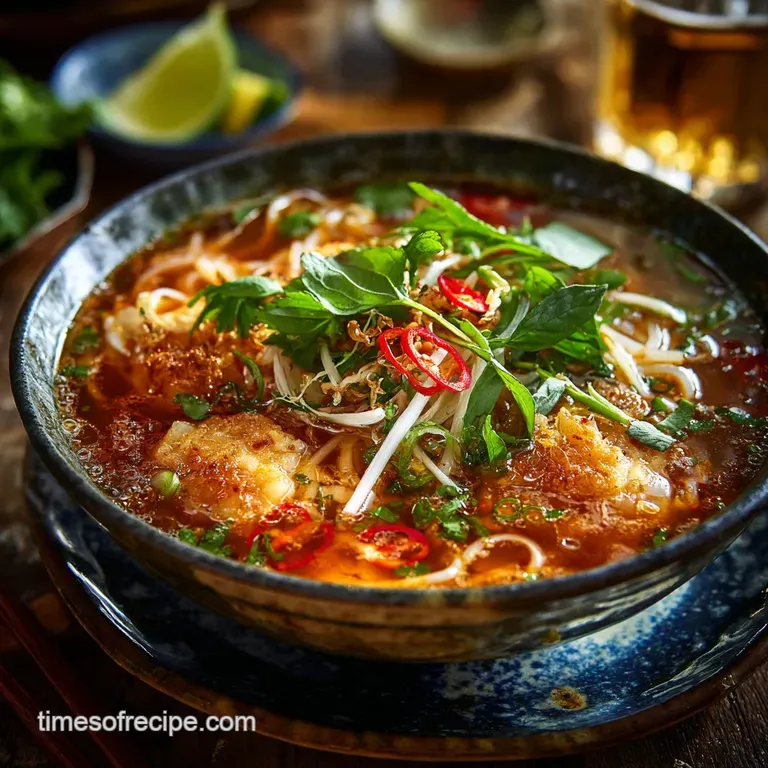
You know that smell? That incredible, tangy, savoury perfume that hits you the second you walk into a traditional Vietnamese market. That is the essence of Bún Riêu Cua (Vietnamese Crab Noodle Soup), a bowl so complex and satisfying it makes Pho feel shy.
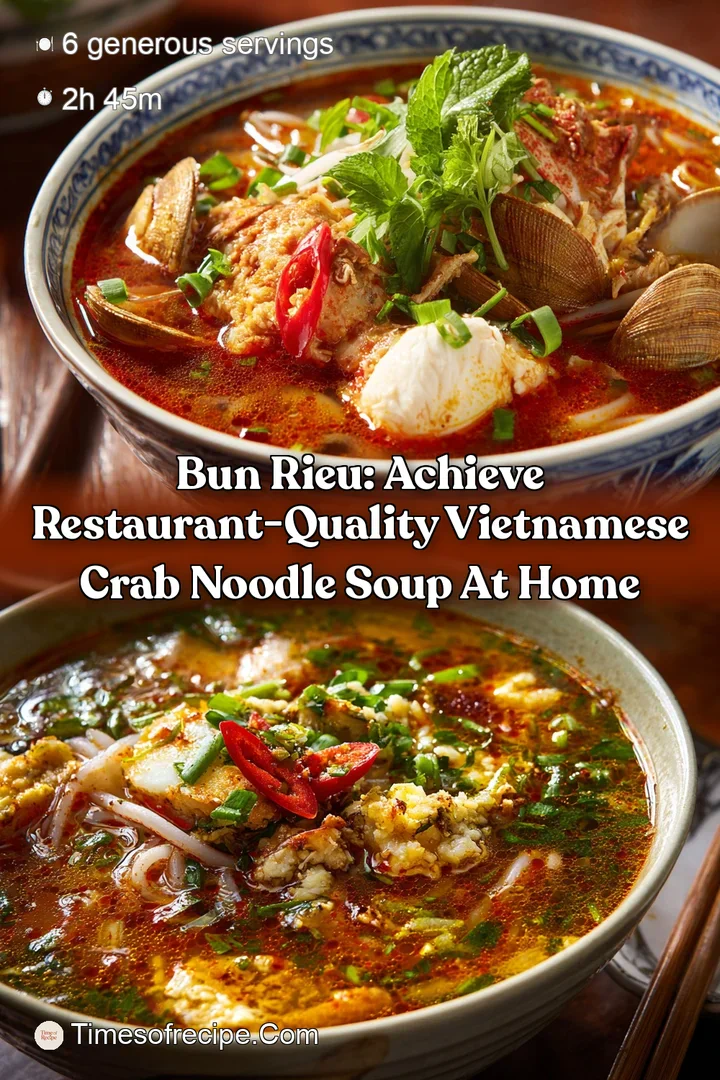
The moment I scoop up that cloud like, ruby stained crab and egg cake floating in the vibrant, tomato infused broth, I know everything is right with the world.
This dish, while requiring a bit of simmering time for the pork bone base, is profoundly comforting and shockingly nutritious. It’s definitely not a cheap takeout order, but making a massive pot of Bun Rieu at home is infinitely better and surprisingly economical for feeding a crowd.
You just need patience and the right secret weapon ingredients.
So, ditch the quick weeknight stir fry and dedicate a Sunday afternoon to this masterpiece. We’re going to nail that signature sour tang, achieve the perfect texture for the floating crab rieu , and create a broth that is deeply, brilliantly red. Let's crack on.
The Science of Flavour: Why This Bun Rieu Broth Sings
This isn't just a basic stock; it's a meticulously layered flavour bomb. The secret to making your homemade bún riêu cua taste authentic isn't expensive ingredients, it’s managing the acidity and balancing the heavy fermented notes with sweetness.
The Heart of Vietnamese Tang: What Makes Bun Rieu Unique
Unlike the star anise and cardamom profile of Pho, Bun Rieu relies heavily on ripe, sautéed tomatoes for its characteristic tangy base. We don't just drop the tomatoes in; we fry them first in annatto oil, softening them and concentrating their acidity.
This creates a sweet sour foundation that gets further brightened by a squeeze of lime or rice vinegar right before serving.
Understanding the Rieu: The Signature Crab and Egg Cake
The rieu (the floating crab and egg cake) is the defining characteristic of this Vietnamese soup. It works because the high protein content of the eggs and crab meat rapidly coagulates when dropped into a simmering broth. The trick is maintaining a steady, low simmer.
If the water boils too aggressively, the delicate protein structure breaks, and you end up with cloudy broth and scrambled bits of crab, which is a tragedy.
A History Told in Broth: Origin and Regional Variations
Traditionally, Bun Rieu was made using cua đồng (tiny freshwater paddy crabs) which were pounded whole, shell and all, to make the broth incredibly rich and milky.
While most of us now use readily available crab meat, understanding the original intensity helps us choose the right supplements, like strong dried shrimp and the essential fermented pastes. That intensity is what we are aiming for.
Achieving the Perfect Ruby Colour: The Annatto Oil Technique
It's brilliant. That intense ruby colour is non-negotiable, honestly. The best way to achieve this vibrant shade isn't food colouring, but by gently simmering annatto seeds in oil until the colour leeches out.
This Annatto Oil is then used to sauté the tomatoes and provides the final, stunning red float on top of the finished broth.
Building Umami Depth: Layering Dried Shrimp and Crab Paste
The richness in Bun Rieu comes from two core ingredients: dried shrimp and the crab paste ( mắm tôm or canned crab paste). I always rehydrate the dried shrimp and pulse half of it into a paste for the rieu mixture. The other half goes into the broth for deep, shrimpy flavour.
This multi layered approach builds umami that chicken stock alone can never achieve.
Mastering the Tang: Balancing Tomato Acidity with Calamansi or Vinegar
Tomatoes give us the base tang, but you need a final burst of brightness. Don't season the whole pot with huge amounts of vinegar or lime! Instead, serve the broth slightly less tangy than you might think, and offer fresh lime wedges and sliced chillies on the side.
This allows every eater to personalize the crucial sweet sour-spicy balance.
Essential Components for Authentic Bun Rieu
Chef's Note: The difference between good Bun Rieu and mind blowing Bun Rieu is the quality and quantity of the garnishes. Never skimp on the fresh herbs they cut through the richness beautifully.
Bun Rieu Ingredients & Substitutions: Detailed Notes
| Component | Standard Ingredient | Viable Substitution | Why the Substitution Works |
|---|---|---|---|
| Rieu Base | Fresh or Frozen Crab Meat (Paddy Crab) | high-quality Minced Shrimp or Tilapia Paste | Provides similar light texture and sets well with egg; use extra mắm tôm for crab flavor. |
| Noodles | Thin Round Rice Vermicelli ( Bún ) | Small Diameter Rice Sticks (Similar to Pho Noodles) | Provides necessary vehicle for the broth; adjust cooking time to avoid mushiness. |
| Broth Umami | Fermented Shrimp Paste ( Mắm Tôm ) | Extra Fish Sauce (high-quality, e.g., Red Boat) + Pinch of Sugar | Increases salt and savoury depth if the pungent fermentation is too challenging. |
| Protein Filler | Fried Tofu Puffs ( Đậu Hũ Chiên ) | Rehydrated Wood Ear Mushroom Strips | Adds textural contrast and soaks up the broth like a sponge. |
Sourcing the Star: Fresh vs. Frozen Paddy Crab Meat
Ideally, you'd use the traditional field crab ( cua đồng ), but for most home cooks, high-quality pasteurized crab meat or frozen snow crab is the reality. If you use frozen, you must squeeze out every drop of excess moisture.
Watery crab meat will dilute your rieu mixture, preventing it from holding its form and setting properly when cooked.
Selecting the Vermicelli: Thickness and Texture Notes
For genuine bun rieu noodles , you need the thin, round vermicelli ( bún ). They should be slippery and delicate, not thick and chewy like some flat rice noodles.
Cook them perfectly al dente , rinse them immediately in cold water, and drain them thoroughly. Soggy noodles will ruin the texture of your soup instantly.
The Essential Flavor Bases: Shrimp Paste and Fermented Anchovy Sauce ( Mắm Tôm )
Okay, let’s talk about the funk. Mắm Tôm is fermented shrimp paste, and yes, it smells intense, but it is the soul of true Bun Rieu. You use it in small amounts, adding unparalleled depth to the rieu mixture.
If the full strength paste scares you, look for the prepared, often sweetened, pre-jarred crab paste ( mắm riêu cua ) instead; it's a bit gentler.
Fresh Herbs and Garnishes: The Required Accoutrements
These are non-negotiables: shredded lettuce (for crunch), bean sprouts (for freshness), and an absolute pile of Thai basil, Vietnamese mint, and perilla leaves. This cool greenery balances the heat and richness of the soup beautifully.
Crafting the Masterpiece: step-by-step Bun Rieu Method
Phase I: Preparing the Rieu Mixture and Setting the Broth Base
Prep and Blanch the Bones: Get a crystal clear broth by blanching your pork bones first. Boil them hard for five minutes, drain off the scummy water, and rinse the bones clean. Return them to the pot with fresh, cold water and the halved onion.
Simmer very gently for at least 90 minutes.
Make the Ruby Oil: Heat the oil in a small pan, add the annatto seeds, and cook until the oil turns a deep red (about five minutes). Don't let the seeds burn! Strain the oil immediately, discarding the seeds.
Start the Tomato Base: Take half of that gorgeous annatto oil and sauté the quartered tomatoes with a pinch of salt and sugar until they are soft and slightly jammy. This concentrates the tomato flavour.
Add the soaked, rinsed dried shrimp and the sautéed tomato mixture into the main broth pot.
The Rieu Mixture: In a mixing bowl, combine the crab meat, ground pork (if using), minced shallots, the three eggs, fish sauce, pepper, and the crucial teaspoon of mắm tôm . Mix gently; we are not trying to emulsify this, just combine the ingredients.
Phase II: Simmering the Tomato Base and Skimming the Rieu
Test and Drop the Rieu: Bring the broth back up to a very gentle simmer. Trust me on this part: cook a tiny spoonful of the crab mixture separately to check the seasoning before you commit the whole batch.
Now, using a spoon, gently dollop the remaining crab mixture directly onto the surface of the simmering broth.
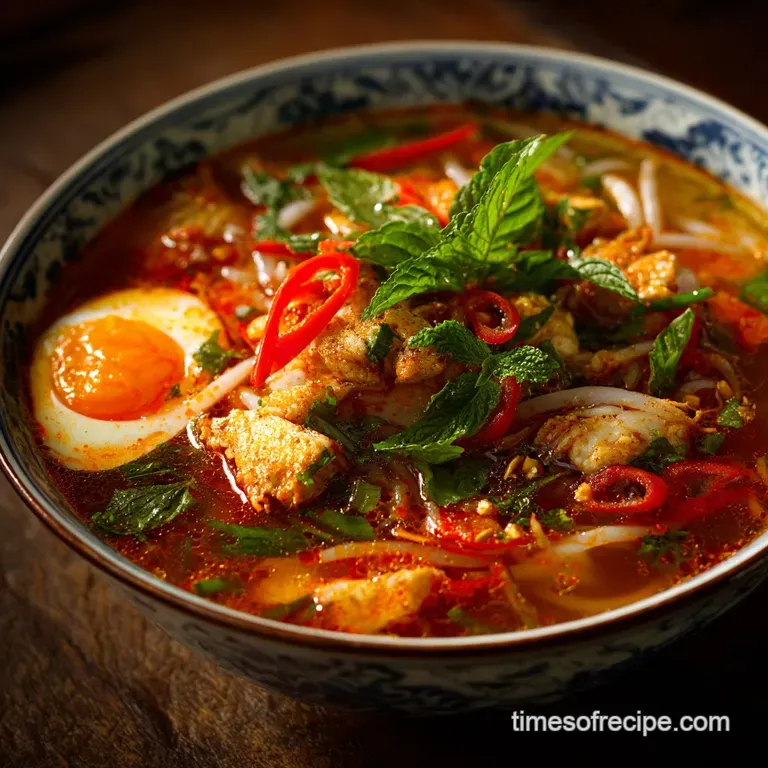
Patience is Key: Walk away. Do NOT stir the pot. Let the heat work its magic. Within 10 to 15 minutes, the crab and egg will coagulate and rise to the surface, forming floating, fluffy rafts.
Use a slotted spoon to gently push the rieu rafts to one side of the pot if you need to, but be careful.
Final Seasoning: Once the rieu is fully set and floating, remove the bones and onion. Stir in the remaining fish sauce (1/4 cup) and taste, adjusting salt or sugar. Ladle the remaining annatto oil over the surface for that final, visual pop.
Phase III: Final Seasoning, Adjusting Acidity, and Assembly
Noodle Prep: While the broth holds warm, cook the vermicelli according to the package directions. Rinse with cold water and drain completely.
Assembly: Place a nest of prepared noodles, a handful of bean sprouts, shredded lettuce, and sliced tofu puffs into deep serving bowls.
Serve: Ladle the piping hot, ruby red broth over the noodles, ensuring that each bowl gets several floating rieu cakes and pieces of tomato. Serve immediately with a side plate of fresh herbs, lime, and chillies.
Troubleshooting and Expert Tips for Perfect Bun Rieu
Preventing the Rieu Cake from Disintegrating in the Broth
This is the most common mistake. The fix is simple: low heat and no stirring. When you drop the rieu , the broth must be simmering, not boiling aggressively. If the surface water is thrashing, the delicate egg proteins can’t set properly.
Once they are floating, they are stable, but don't poke at them unnecessarily.
Why Your Broth Isn't Red Enough (And How to Fix It)
If you followed the annatto oil steps and your broth still looks pale, you likely didn't use enough annatto, or the seeds didn't infuse long enough. The emergency fix: Stir in one tablespoon of high-quality tomato paste when sautéing the fresh tomatoes.
This guarantees a rich, deep colour, even if you are out of annatto seeds.
Handling the Pungency of Fermented Ingredients
Mắm tôm is potent; it’s supposed to be. If the resulting soup tastes too fishy or overwhelming, you need acid and sugar to tame it. Add a small squeeze of lime juice and a tiny pinch more sugar to the individual serving bowl.
This immediately balances the funkiness without dulling the flavour.
Meal Prep and Longevity: Storing Your Vietnamese Crab Noodle Soup
Separating Components for Maximum Freshness
Bun Rieu is a dream for meal prep, provided you store the components separately. The broth, the rieu cakes, the noodles, and the garnishes must all be kept apart. Storing the noodles in the broth results in mushy, overcooked vermicelli that sucks up all the liquid overnight.
Freezing the Broth: Best Practices and Thawing
The broth freezes beautifully! Once completely cooled, store the broth (without the floating rieu cakes, if possible, as they can get rubbery) in airtight containers for up to three months. To thaw, simply place it overnight in the fridge and reheat gently on the stove.
Reheating Leftovers Without Overcooking the Noodles
If you have assembled bowls, reheat the soup very gently in a saucepan, just until warmed through. If the noodles were stored separately, reheat the broth until boiling, drop the portion of noodles in for 30 seconds to warm, then ladle into the bowl immediately.
This preserves that ideal al dente noodle texture.
Perfect Pairings: How to Serve and Garnish Bun Rieu
Bun Rieu is an interactive meal. Don't plate the entire thing for your guests; let them customize it!
Serve the bowls of soup hot, focusing on the beautiful broth and floating rieu cakes. Then present a massive platter laden with:
- Fresh Herbs: Thai basil, mint, perilla.
- Acidity: Lime wedges (or calamansi, if you can find them).
- Heat: Sliced bird's eye chilies or a small jar of chili garlic oil.
- Extra Protein: Slices of chả lụa (Vietnamese pork sausage) or small cubes of crispy pork belly make wonderful additions.
Dive in, adjust your tang, embrace the funk, and enjoy this truly stunning bowl of Vietnamese comfort food. You absolutely earned this.
Recipe FAQs
How do I ensure my crab and egg mixture (the rieu) sets properly and floats?
The secret lies in proper seasoning and very gentle heat application. Once the mixture of crab, ground pork, and egg is fully combined, slowly introduce it to the broth while the liquid is simmering, not boiling aggressively.
Avoid stirring vigorously once the mixture is added; the protein will coagulate and naturally float to form the characteristic cake.
How can I achieve the signature vibrant ruby red colour in the broth without using artificial food colouring?
The rich, appealing red hue comes from annatto seed oil and correctly prepared tomato paste. Sauté the tomato paste in the annatto oil until it darkens and caramelizes slightly before adding the liquid; this process releases the fat-soluble pigments responsible for the deep colour.
Do not skimp on the annatto oil, as it is purely for aesthetics and depth.
My broth tastes too intense or fishy due to the fermented shrimp paste (mắm tôm). How can I fix this?
Fermented shrimp paste is crucial for authentic flavour, but too much can overwhelm the palate. To correct an overly salty or fishy broth, first dilute it with more plain water or unseasoned stock.
Then, balance the intensity by adding acidity through fresh lime juice, a small amount of vinegar, or extra sliced tomatoes.
Can I make the broth ahead of time, and how long does it last in storage?
Yes, the broth is an excellent component to prepare ahead, as the flavours deepen overnight. Store the cooled, fully cooked broth (without the noodles or fresh garnishes) in an airtight container in the refrigerator for up to 4 days.
You can also freeze the broth safely for up to 3 months, ensuring you leave some headspace in the container.
What are the essential, non-negotiable garnishes for authentic Bun Rieu?
Bun Rieu relies heavily on fresh, crunchy garnishes to balance the rich broth. Essential items include shredded banana blossom and shredded water spinach (rau muống), which provide vital texture.
Always serve with fresh lime wedges, chili oil, and a small side dish of fermented shrimp paste for those who wish to boost the funkiness directly.
I don't eat seafood; how can I create a flavourful vegetarian or vegan version?
While the crab flavour is key, you can replicate the umami depth using substantial quantities of rehydrated shiitake mushrooms and dried kelp/seaweed in the base stock. For the rieu component, use a mixture of crumbled firm tofu, ground mung beans, and a binder like agar agar or starch to create a similar texture when cooked in the broth.
Can I use fresh Dungeness or blue crab instead of frozen crab paste?
Absolutely, using fresh crab will provide superior flavour and texture for the soup base and the rieu mixture. If using whole fresh crab, boil them first, use the shells/carcasses to enrich your stock, and reserve the meat and any internal fat (tomalley) to mix into your rieu cake binding.
Bun Rieu Vietnamese Crab Noodle Soup
Ingredients:
Instructions:
Nutrition Facts:
| Calories | 500 kcal |
|---|---|
| Fat | 15 g |
| Fiber | 5 g |
