New Years Recipe with Champagne Chicken
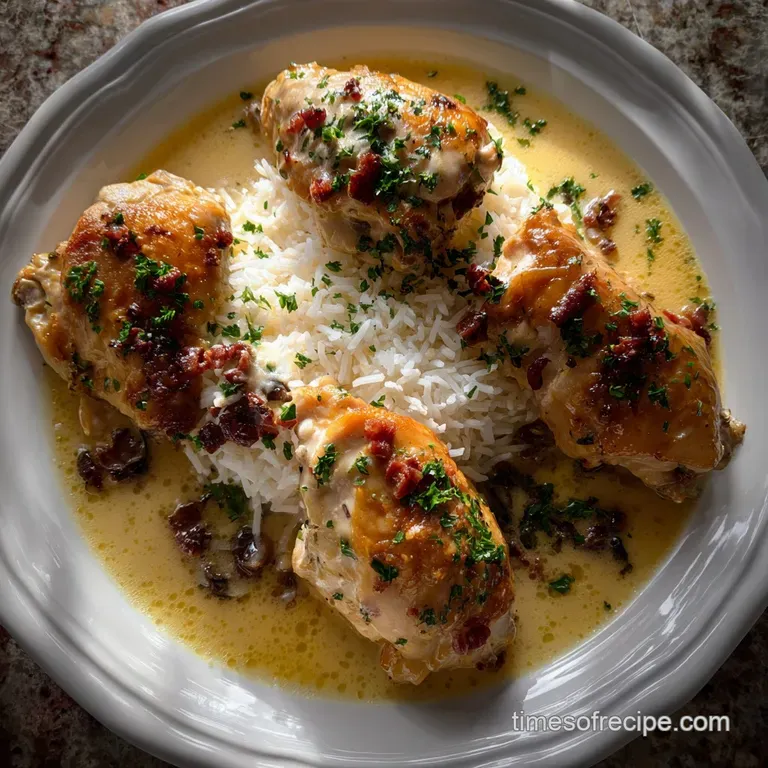
- Time: Active 15 minutes, Passive 20 minutes, Total 35 minutes
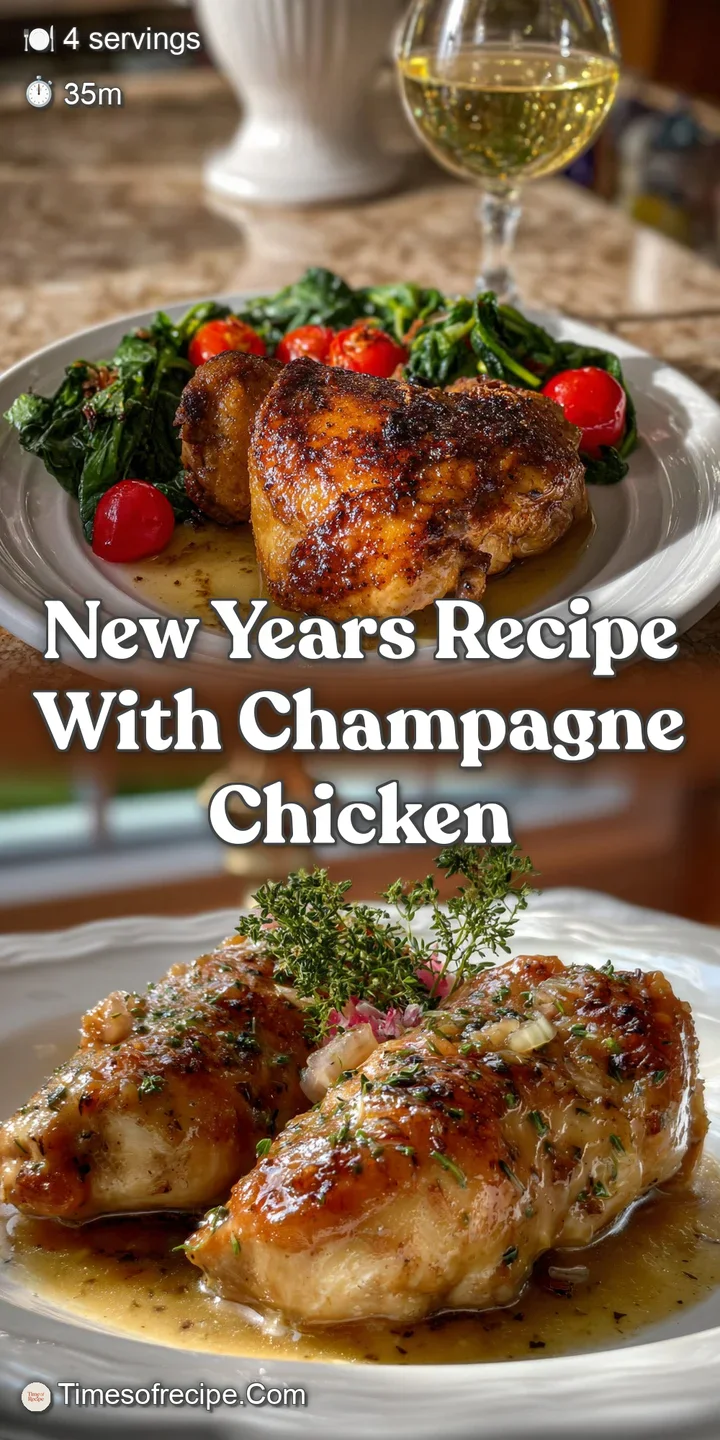
- Flavor/Texture Hook: Shatter crisp golden chicken crust meets a silky, tarragon infused sauce
- Perfect for: New Year's Eve dinner, anniversary celebrations, or a cozy winter dinner party
- Festive New Years Recipe with Champagne Chicken
- Why This Sauce Works So Well
- Essential Numbers for Your Meal
- Everything Needed for This Feast
- Tools for a Better Dinner
- Cooking Your Chicken to Golden
- Fixing Any Kitchen Mishaps Fast
- Swaps for Every Single Diner
- Keeping Your Leftovers Fresh Tonight
- What to Serve Alongside It
- Final Success Checklist
- Recipe FAQs
- 📝 Recipe Card
Imagine the clock ticking down to midnight while the kitchen fills with the scent of bubbling wine and searing poultry. Finding a solid New Years Recipe with Champagne Chicken is like finding the perfect pair of shoes for the party - it needs to look stunning but actually be comfortable enough to handle the long haul.
Most people think they need to spend hours at the stove for a holiday main, but the truth is, you can get that restaurant style "pop" without missing the ball drop.
We are talking about a dish that brings people to the table with their eyes wide. This isn't just about the chicken, it is about that sauce - a glossy, ivory reduction that catches the light and tastes like pure celebration.
If you have ever worried about your chicken coming out dry or your cream sauce breaking into an oily mess, you can relax right now. I have made those mistakes for you, and this method is basically bulletproof.
This recipe is my go to when I want to feed a crowd something that feels special but keeps me in the room with my friends instead of being stuck behind a pile of pans. It’s hearty, satisfying, and has just enough kick from the tarragon to keep things interesting.
Let’s get that skillet hot and start the year with something truly memorable.
Festive New Years Recipe with Champagne Chicken
The magic of this New Years Recipe with Champagne Chicken lies in how the ingredients behave under heat. When we talk about a "hearty" meal, we are looking for depth, and that depth comes from the marriage of fat and acid.
The sparkling wine isn't just for show, it provides the structural backbone that keeps the heavy cream from feeling too cloying on the tongue.
The Science of Why it Works
- Maillard Reaction
- High heat transforms the proteins in the flour dusted chicken into a complex brown crust, creating dozens of new flavor compounds.
- Acidic Emulsification
- The tartaric acid in the champagne acts as a bridge, allowing the fat molecules in the heavy cream to suspend evenly without separating.
- Alcohol Volatility
- Reducing the wine concentrates the esters and aromas while boiling off the harsh ethanol, leaving behind a floral, fruity essence.
When you hit that pan with the champagne, you’ll hear a loud sizzle and smell a floral, yeasty steam rising from the bubbling liquid. That is the sound of flavor being unlocked. Many people think you need to use the most expensive bottle for a New Years Recipe with Champagne Chicken, but that is a total myth.
Use a Brut - something dry and crisp - because the sugar in a sweet wine will caramelize too much and throw off the balance of your savory sauce.
Chef's Tip: Freeze your butter for 10 minutes before dicing it into the final sauce. Whisking in ice cold butter at the very end (a technique called monter au beurre) creates a glossy, professional finish that won't happen with room temp butter.
Why This Sauce Works So Well
The sauce is the soul of this New Years Recipe with Champagne Chicken. To understand why it tastes so rich, we have to look at how we build the layers of flavor. We start with the "fond" - those little brown bits stuck to the bottom of your Lodge cast iron skillet after searing the chicken.
Those bits are concentrated savory gold.
| Feature | Fresh Champagne Method | Canned Cream Shortcut |
|---|---|---|
| Flavor Profile | Bright, acidic, floral | Salty, metallic, flat |
| Texture | Velvety and light | Thick and gummy |
| Aroma | Fresh herbs and yeast | Processed starch |
By deglazing with champagne, we are literally washing those flavors back into the liquid. It's a simple physical process that transforms a plain pan into a flavor factory. If you are serving this alongside a Hoppin John recipe, the acidity of the champagne sauce cuts right through the smoky, earthy notes of the peas and pork, making for a perfectly balanced New Year's plate.
Essential Numbers for Your Meal
Precision is your best friend when the kitchen is crowded and the music is loud. I once tried to eyeball the reduction time for a New Years Recipe with Champagne Chicken during a party, and I ended up with a sauce that was basically water. Don't be like me.
Stick to these specific checkpoints to ensure your chicken stays juicy and your sauce stays thick.
Precise Cooking Checkpoints
- Chicken Weight: 500g total weight for the two breasts ensures they cook evenly when halved.
- Internal Temp: Pull the chicken at 71°C (160°F). Carryover cooking will bring it to the safe 74°C (165°F) while it rests.
- Liquid Volume: You are looking for exactly 240ml of champagne and 240ml of cream. This 1:1 ratio is the secret to a perfectly balanced mouthfeel.
Scaling the Feast
If you are cooking for a larger crowd, don't just dump double the ingredients into one pan. Scaling a New Years Recipe with Champagne Chicken requires space. For 8 People: Double the ingredients but use two separate skillets.
If you crowd one pan, the chicken will steam rather than sear, and you'll lose that "shatter" texture on the crust. For 2 People: Use one large chicken breast (250g) and halve the liquids. You can still use the full amount of tarragon because, honestly, you can never have enough of that herbal punch.
Everything Needed for This Feast
For a successful New Years Recipe with Champagne Chicken, the quality of your base ingredients matters more than fancy garnishes. I always reach for Diamond Crystal Sea Salt because the grains are easy to pinch and distribute.
Component Analysis
| Ingredient | Science Role | Pro Secret |
|---|---|---|
| Champagne (240ml) | Solvent/Acid | Use a "Brut" to avoid a cloyingly sweet sauce. |
| Heavy Cream (240ml) | Emulsifier | Never use low-fat; the 36% fat prevents curdling. |
| Shallots (40g) | Aromatic Base | Mince them tiny so they melt into the sauce texture. |
| Fresh Tarragon (15g) | Flavor Profile | Add at the very end to preserve the volatile oils. |
- 500g Boneless Chicken Breasts: Halve them horizontally to create thin cutlets. Why this? Thinner cutlets cook faster and provide more surface area for the golden crust.
- Substitute: Chicken thighs (boneless) for a richer, fattier bite.
- 30g All purpose Flour: Used for dredging the chicken.
- Substitute: Cornstarch (use half the amount) for a gluten-free option.
- 5g Sea Salt & 2g Black Pepper: For seasoning the flour.
- 30ml Extra Virgin Olive Oil: To provide the over high heat fat for searing.
- 120ml Low sodium Chicken Stock: Adds body and savory depth to the wine.
- 30g Unsalted Butter: Chilled and cubed for the final finish.
- 15g Fresh Tarragon: Finely chopped.
- Substitute: Fresh parsley or chives if tarragon's anise flavor isn't your thing.
Tools for a Better Dinner
You don't need a kitchen full of gadgets, but a few specific items make this New Years Recipe with Champagne Chicken much easier. A heavy bottomed skillet is non negotiable. I prefer a 12 inch Lodge Cast Iron Skillet because it retains heat like a beast, which is exactly what you need for that initial sear.
You'll also want a sharp Chef's Knife (Wüsthof is my daily driver) to get those shallots into a fine mince. If the shallots are too chunky, they won't soften properly in the short cooking time, and you'll have crunchy bits in your velvety sauce. Finally, grab a wire whisk.
It's the only way to properly incorporate the cream and cold butter into the champagne reduction without it breaking.
Cooking Your Chicken to Golden
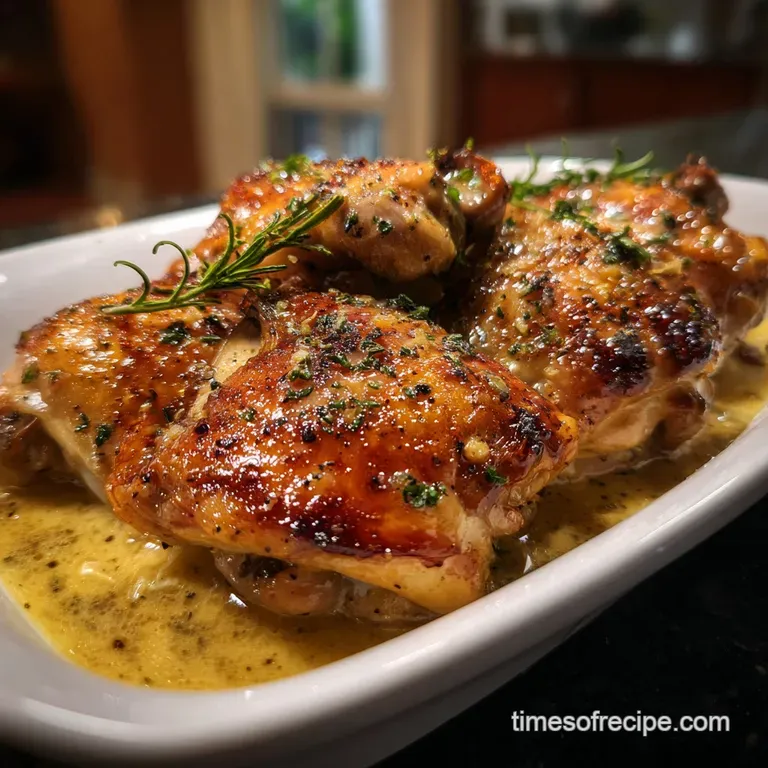
Let's get into the heat of it. This process moves fast once the chicken hits the oil, so have your champagne and cream measured and ready.
- Prep the chicken. Slice your 500g of chicken breasts horizontally into four thin cutlets. Pat them bone dry with paper towels. Note: Dry chicken is the only way to get a crispy sear.
- Season and dredge. Mix the 30g flour, 5g salt, and 2g pepper in a shallow bowl. Press each cutlet into the flour, shaking off every bit of excess.
- Heat the oil. Add 30ml olive oil to your skillet over medium high heat. Wait until it shimmers and barely starts to smoke.
- Sear the cutlets. Lay the chicken in the pan. Cook for 3-4 minutes per side until you see a deep, golden brown crust. Remove to a plate.
- Sauté aromatics. Toss in the 40g of minced shallots. Sizzle for 1-2 minutes until they turn translucent and smell sharp and sweet.
- Deglaze the pan. Pour in the 240ml of Champagne. Use a wooden spoon to scrape up every brown bit from the bottom. Note: This is where the flavor lives!
- Reduce the wine. Let the champagne bubble vigorously until it has reduced by half. The smell will change from alcoholic to floral and rich.
- Add the liquids. Stir in 120ml chicken stock and 240ml heavy cream. Lower the heat to medium.
- Simmer and thicken. Let the sauce bubble gently for 5-7 minutes until it coats the back of a spoon.
- The finish. Whisk in the 30g of chilled butter and 15g of fresh tarragon. Slide the chicken back in for 1 minute to warm through.
Aroma Checkpoints
- Step 5: You should smell the sharp, sweet sting of shallots hitting the hot oil and residual chicken fat.
- Step 7: The yeastiness of the champagne will fill the room as the alcohol evaporates.
- Step 10: The sudden hit of anise scented tarragon hitting the warm cream is the final "wow" moment.
Fixing Any Kitchen Mishaps Fast
Even with a reliable New Years Recipe with Champagne Chicken, things can go sideways when you're distracted by the party. Don't panic; most sauce issues are easily fixed.
Why Your Sauce Broke
If you see little beads of oil separating from the cream, your heat was likely too high or you used a low-fat cream. This is why the 36% fat content is so important!
Fixing a Broken Sauce
Take the pan off the heat immediately. Whisk in a tablespoon of room temperature heavy cream or a splash of warm chicken stock very vigorously. This helps re emulsify the fats.
Troubleshooting Table
| Problem | Cause | Fix | Pro Tip |
|---|---|---|---|
| Soggy Crust | Crowded the pan | Sear in batches | Use a larger skillet than you think. |
| Bitter Sauce | Wine was too dry | Add 1/2 tsp sugar | A tiny pinch of sugar balances high acidity. |
| Tough Chicken | Overcooked | Use a thermometer | Pull the meat at 71°C (160°F) exactly. |
Swaps for Every Single Diner
I know how it goes. You plan a beautiful New Years Recipe with Champagne Chicken, and then you find out one guest doesn't do dairy or another wants more veggies.
Adding Earthy Mushrooms
For a heartier, more forest floor flavor, sauté 200g of sliced cremini mushrooms right after the chicken. They soak up the champagne beautifully and add a satisfying chew to the dish. This makes it feel even more like a "winter comfort" meal.
Substituting for Dietary Needs
- dairy-free: Use a high-quality full fat coconut milk instead of heavy cream. Note: This will add a distinct nutty/tropical note to the dish, so increase the tarragon to balance it out.
- Alcohol Free: Swap the champagne for 200ml of non alcoholic sparkling cider and 40ml of white wine vinegar. It won't have the same depth, but the acidity will still be there.
- Different Proteins: This sauce is incredible over seared salmon or even thick cut cauliflower steaks if you have a vegetarian at the table.
Keeping Your Leftovers Fresh Tonight
If you happen to have leftovers of your New Years Recipe with Champagne Chicken (a rare occurrence!), you need to store them properly to maintain that velvety texture.
Storage: Keep the chicken and sauce in an airtight container in the fridge for up to 3 days. I don't recommend freezing this dish, as the cream sauce will likely separate and become grainy when thawed.
Zero Waste Tip: If you have leftover sauce but no chicken, don't you dare throw it out. Toss it with some hot fettuccine or pour it over roasted potatoes the next morning. You can even use the ends of the tarragon stems to infuse olive oil for salad dressings later in the week.
Reheating: To keep the chicken from turning into rubber, reheat it slowly in a skillet over low heat. Add a splash of water or chicken stock to loosen the sauce back up. Avoid the microwave if you can; it's the enemy of cream based sauces.
What to Serve Alongside It
Because this New Years Recipe with Champagne Chicken is so rich and bold, you want side dishes that can stand up to the sauce without getting lost. A Try This Hearty recipe for black eyed peas is a classic Southern pairing that brings good luck for the coming year.
Perfect Complements
- Garlic Mashed Potatoes: The ultimate vessel for soaking up that champagne cream.
- Roasted Asparagus: The snap of the green stalks cuts through the richness.
- Crusty Sourdough: Essential for mopping the skillet clean. You won't want to leave a single drop of that sauce behind.
Common Kitchen Myths
- Myth: "You must use expensive Champagne." Truth: Cooking destroys the delicate bubbles and subtle nuances of a $100 bottle. A $15-20 Brut is perfect.
- Myth: "Searing 'seals in' the juices." Truth: Searing is about flavor and texture (Maillard reaction). The juices stay inside because you don't overcook the meat, not because of the "seal."
Final Success Checklist
- [ ] Chicken is patted bone dry before dredging.
- [ ] The skillet is shimmery hot for the initial sear.
- [ ] You reduced the champagne by half before adding the cream.
- [ ] Cold butter was whisked in at the very end for that gloss.
There you have it. A New Years Recipe with Champagne Chicken that will make your kitchen smell like a five star bistro and leave your guests scraping their plates. It's hearty, it's satisfying, and it is exactly the kind of meal that brings a crowded table together. Happy New Year and happy cooking!
Recipe FAQs
Can I make the sauce completely ahead of time?
No, it is best finished just before serving. While you can sauté the shallots, the final incorporation of cold butter must happen off-heat right at the end to achieve that professional gloss and velvety texture.
What is the absolute minimum internal temperature I should pull the chicken at?
Yes, pull the chicken at 71°C (160°F). Carryover cooking is essential here; the residual heat will safely bring the interior up to the necessary 74°C (165°F) while the meat rests, ensuring it stays juicy.
My cream sauce broke and looks oily; how do I save the emulsion?
No, do not panic, take it off the heat immediately. If the emulsion separates, whisk in one tablespoon of room temperature heavy cream or warm stock very rapidly to help the fats redistribute.
What kind of sparkling wine works best for the sauce?
Yes, use a Brut or very dry sparkling wine. Dry wines provide the necessary tartness to balance the heavy cream; sweeter wines will caramelize too quickly and result in a cloyingly sweet, heavy sauce.
Can I substitute the tarragon with another herb?
Yes, but the flavor profile will change significantly. Tarragon provides anise notes crucial for cutting the richness, but you could try parsley or chives if needed, much like how we balance savory components in our Gai Lan Chinese Broccoli: Restaurant Quality Oyster Sauce Recipe.
Why is searing the chicken without crowding the pan so important?
No, crowding guarantees a steamed product instead of a sear. High heat needs space to evaporate moisture quickly; if the pan is too full, the chicken steams, preventing the Maillard reaction that creates that desirable golden crust flavor.
What is the technique of adding cold butter to the sauce called?
It is called monter au beurre. Whisking in ice-cold butter off the heat at the end creates a stable, glossy reduction by thickening the sauce through melted fat incorporation, a skill that also improves dough handling in baking, as seen in our Pandesal Recipe: Softest Classic Filipino Bread Rolls.
Champagne Chicken New Years Recipe
Ingredients:
Instructions:
Nutrition Facts:
| Calories | 608 kcal |
|---|---|
| Protein | 31.2 g |
| Fat | 38.8 g |
| Carbs | 10.4 g |
| Fiber | 0.6 g |
| Sugar | 2.1 g |
| Sodium | 585 mg |
