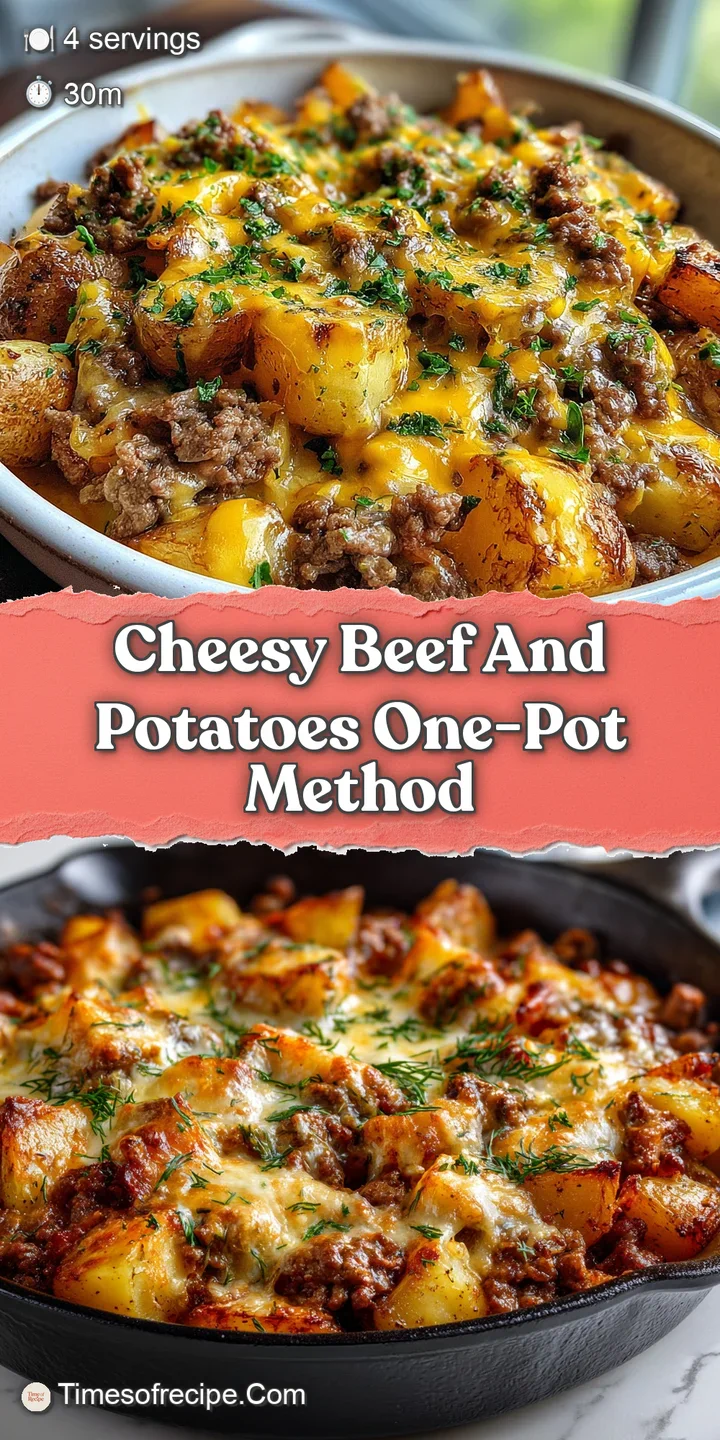
Cheesy Beef and Potatoes Skillet
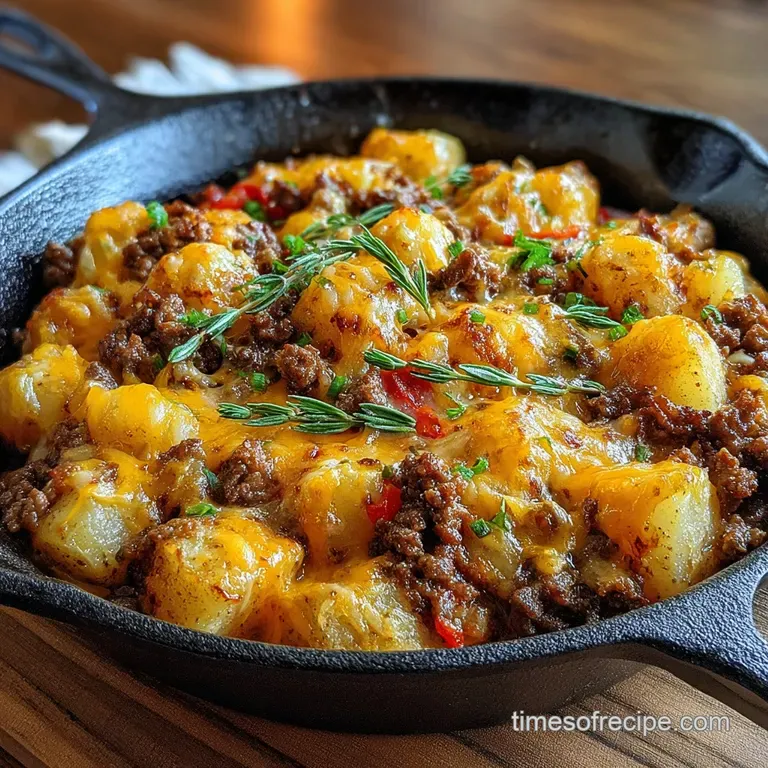
- Time: Active 10 minutes, Passive 20 minutes, Total 30 minutes
- Flavor/Texture Hook: Velvety melted cheddar meets crispy, golden edged potatoes
- Perfect for: High protein weeknight dinners and satisfying family meal prep
- The Hearty Comfort of Cheesy Beef and Potatoes
- Transforming Starch and Protein Into Skillet Gold
- Nutrient Density and Ingredient Deep Dive
- Essential Components for a Bold Skillet Meal
- The Best Tools for a Crispy Finish
- A Step-by-Step Guide to Sizzling Success
- Solving Common Texture and Flavor Issues Naturally
- Adapting Your Meal for Different Dietary Needs
- Keeping Leftovers Fresh and Reducing Kitchen Waste
- Rounding Out the Table with Side Dishes
- Debunking Common Kitchen Myths
- Recipe FAQs
- 📝 Recipe Card
The Hearty Comfort of Cheesy Beef and Potatoes
The first time I really nailed this dish, it wasn't a planned masterpiece. It was a Tuesday night, the rain was lashing against the kitchen window, and I was staring at a pound of ground beef and a bag of Yukon Golds like they were a puzzle I couldn't solve.
I threw the beef into my heavy cast iron skillet, and that initial hiss of the meat hitting the hot metal felt like a promise. As the fat started to render and the smell of browning beef filled the room, I realized that the magic isn't in fancy ingredients, but in how you handle the basics.
I used to struggle with soggy potatoes or dry, crumbly meat, but I’ve learned that it all comes down to the timing of the sizzle. When you add those diced potatoes into the beef fat, the kitchen fills with an aroma that is purely primal salty, earthy, and rich.
By the time I folded in the sharp cheddar and watched it turn into a velvety blanket over the crispy edges, I knew I’d moved past "just a quick meal" into the territory of genuine comfort food.
This isn't about a delicate balance of flavors; it's about bold, heavy hitting satisfaction. We're going for that deep Maillard crust on the beef and a tender, buttery interior for the potatoes. I've made the mistakes so you don't have to, like overcrowding the pan and steaming the food instead of searing it.
Trust me, once you hear that specific crackle of the potatoes hitting the oil, you’ll know you’re on the right track.
Transforming Starch and Protein Into Skillet Gold
Starch Gelatinization: As the potatoes simmer in the bone broth, they release starches that act as a natural thickener for the liquid. This creates a glossy, velvety coating that helps the cheese adhere to every single bite without needing a heavy flour based roux.
Maillard Reaction: High heat transforms the amino acids and sugars in the beef, creating a complex, savory crust. This browning process is the primary source of the deep, umami flavor that carries the entire dish.
Emulsification Stability: The addition of Greek yogurt at the end provides a slight acidity that helps stabilize the melted cheese. This prevents the fats from separating, ensuring your sauce stays creamy and smooth rather than turning oily.
| Potato Cube Size | Internal Beef Temp | Rest Time | Visual Finish Cue |
|---|---|---|---|
| 1.3 cm (1/2 inch) | 71°C (160°F) | 3 minutes | Cheese is bubbling and potatoes are translucent |
| 2 cm (3/4 inch) | 71°C (160°F) | 5 minutes | Golden brown potato edges and no liquid in pan |
| 2.5 cm (1 inch) | 71°C (160°F) | 5 minutes | Deep char on beef and fork tender centers |
Choosing the right potato size is the difference between a quick dinner and a long wait. I prefer the 1.3 cm dice because it ensures the potatoes soften at the exact moment the beef finishes browning.
If you go too large, you'll end up with burnt meat and crunchy potato centers, which is a tragedy nobody wants on their plate.
Nutrient Density and Ingredient Deep Dive
| Ingredient | Science Role | Pro Secret |
|---|---|---|
| Yukon Gold Potatoes | High starch content for thickening | Keep the skin on for extra texture and a boost of potassium |
| Sharp White Cheddar | Provides fat and protein for the "blanket" effect | Grate it yourself; pre shredded cheese is coated in cellulose that prevents a smooth melt |
| Beef Bone Broth | Deglazing agent and flavor carrier | Use chilled broth to slow the cooking of the beef while the potatoes catch up |
| Greek Yogurt | Acidic stabilizer for the cheese | Ensure it is room temperature to prevent curdling when hitting the hot skillet |
The chemistry here is simple but vital. The bone broth isn't just for moisture; it picks up all those brown bits stuck to the bottom of the pan, which we call "fond." That fond is where the most intense flavor lives, and the broth acts as a vehicle to distribute it back into the potatoes.
Essential Components for a Bold Skillet Meal
- 450g Lean Ground Beef (93/7):Why this? Higher fat counts will make the dish too greasy once the cheese is added. (Substitute: Ground turkey or bison)
- 680g Yukon Gold Potatoes:Why this? They hold their shape better than Russets and have a naturally buttery flavor. (Substitute: Red bliss potatoes)
- 1 medium Yellow Onion:Why this? Adds a foundational sweetness once caramelized. (Substitute: 2 medium shallots)
- 3 cloves Garlic, minced:Why this? Provides the sharp, aromatic punch that balances the heavy fat. (Substitute: 1 tsp garlic paste)
- 1 medium Bell Pepper, diced:Why this? Offers a bright, crisp contrast to the soft potatoes. (Substitute: Diced poblano for a slight kick)
- 5ml (1 tsp) Smoked Paprika:Why this? Adds a "fire roasted" depth without needing a grill. (Substitute: Liquid smoke - use only 2 drops)
- 2.5ml (1/2 tsp) Garlic Powder:Why this? Layers the garlic flavor so it survives the over high heat sear. (Substitute: Onion powder)
- 120ml (1/2 cup) Low Sodium Beef Bone Broth:Why this? Adds collagen and richness without excessive salt. (Substitute: Chicken stock or vegetable broth)
- 60ml (1/4 cup) Plain Non Fat Greek Yogurt:Why this? Provides creaminess and tang without the calories of heavy cream. (Substitute: Sour cream)
- 170g (1.5 cups) Sharp White Cheddar:Why this? Has a lower moisture content for a more intense cheese flavor. (Substitute: Monterey Jack for a milder melt)
- 2 Green Onions, sliced:Why this? A fresh, sharp finish to cut through the richness. (Substitute: Fresh chives)
- 15ml (1 tbsp) Olive oil:Why this? High smoke point for the initial potato sear. (Substitute: Avocado oil)
- Sea salt and freshly cracked black pepper to taste
Chef's Tip: Freeze your block of cheddar for 10 minutes before grating. It makes the cheese firmer and prevents it from clumping in the grater, resulting in those long, beautiful shreds that melt perfectly.
The Best Tools for a Crispy Finish
You really want a heavy bottomed skillet for this, ideally cast iron or stainless steel. Non stick pans are great for eggs, but they struggle to produce the over high heat sear we need for the beef and potatoes. A 12 inch (30 cm) skillet is the sweet spot; it gives the ingredients enough room to breathe.
If the pan is too small, the moisture released by the onions and peppers will steam the potatoes, making them soft and mushy instead of giving them that beautiful shatter crisp edge.
| Fresh Approach | Shortcut Version | Resulting Texture Impact |
|---|---|---|
| Hand diced Yukon Golds | Frozen potato cubes | Fresh is creamier; frozen can be watery |
| Freshly grated cheddar | Pre shredded cheese | Fresh melts smoothly; pre shredded can be grainy |
| Hand minced garlic | Jarred garlic | Fresh is pungent; jarred is significantly sweeter/milder |
While the shortcut version works when you're in a massive rush, the texture trade off is real. Pre shredded cheese contains potato starch or cellulose to keep it from sticking in the bag, which unfortunately means it won't ever achieve that velvety, flowing consistency we're after in a Cheesy Beef and Potatoes skillet.
A step-by-step Guide to Sizzling Success
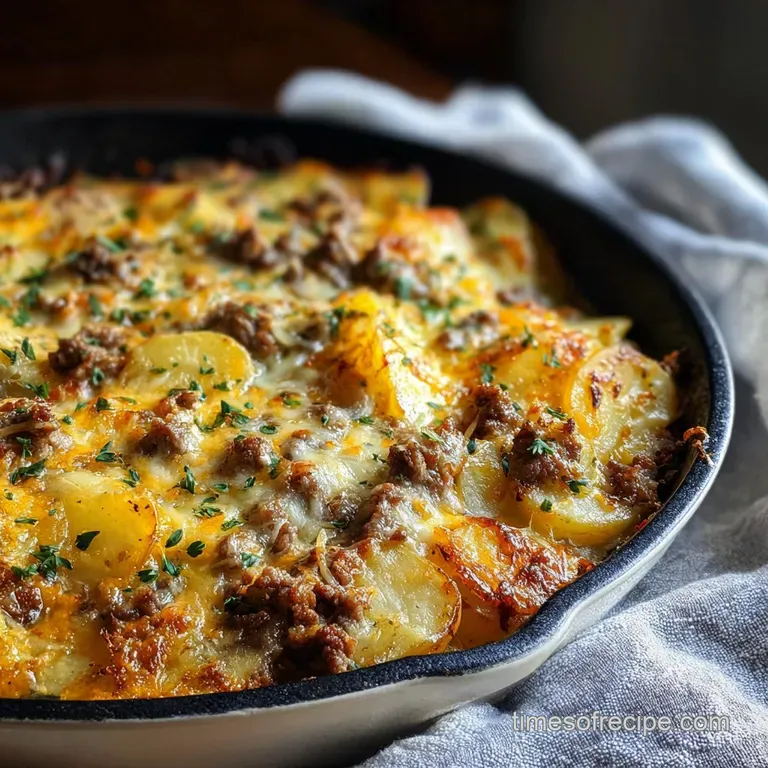
- Prep the potatoes. Dice the 680g of Yukon Golds into uniform 1.3 cm cubes. Note: Uniformity ensures every piece softens at the same rate.
- Sear the beef. Heat a large skillet over medium high heat. Add the 450g of lean ground beef, breaking it apart with a wooden spoon until the edges are dark brown and crispy.
- Sauté the aromatics. Push the beef to one side and add the 15ml of olive oil, the diced yellow onion, and the diced bell pepper. Cook for 4 minutes until the onions turn translucent and smell sweet.
- Bloom the spices. Stir in the 3 cloves of minced garlic, 5ml of smoked paprika, and 2.5ml of garlic powder. Cook for 60 seconds until the garlic is fragrant but not browned.
- Crisp the potatoes. Add the diced potatoes to the skillet, stirring to coat them in the beef fat and oil. Let them sit undisturbed for 3 minutes until a golden brown crust forms on the bottom.
- Simmer with broth. Pour in the 120ml of beef bone broth. Cover the skillet with a lid and reduce heat to medium low. Cook for 8-10 minutes until the potatoes are fork tender and the liquid has reduced by half.
- Incorporate the binder. Remove from heat. Stir in the 60ml of Greek yogurt. Note: Doing this off heat prevents the yogurt from breaking.
- The final melt. Sprinkle the 170g of shredded sharp white cheddar evenly over the top. Cover for 2 minutes until the cheese is completely melted and bubbling.
- Garnish and serve. Top with the sliced green onions and a generous amount of freshly cracked black pepper.
This method is similar to the technique I use in my Beef Tips Recipe, where we focus on building layers of flavor through browning before adding our liquid elements.
Solving Common Texture and Flavor Issues Naturally
Why Your Potatoes Are Still Crunchy
This usually happens if the cubes were cut too large or if the liquid evaporated too quickly before the centers could soften. If you notice the pan is dry but the potatoes are hard, add an extra splash of broth and keep the lid on for another 3 minutes.
The steam is what does the heavy lifting for the potato's interior.
Why Your Cheese Sauce Turned Out Grainy
High heat is the enemy of a smooth cheese melt. If you add the cheddar while the skillet is still over a roaring flame, the proteins in the cheese will tighten and squeeze out the fat, resulting in a clump of rubbery protein and a pool of oil. Always kill the heat before the cheese goes in.
| Problem | Root Cause | Solution |
|---|---|---|
| Sogginess | Overcrowded skillet | Use a larger pan or cook in two batches |
| Lack of Flavor | Under seasoning the beef | Salt the beef directly as soon as it hits the pan |
| Oily Finish | Using high fat beef | Drain excess grease before adding the potatoes |
Common Mistakes Checklist
- ✓ Pat the potato cubes dry with a paper towel before adding to the pan to ensure they sear rather than steam.
- ✓ Don't skip the deglazing step; those brown bits on the bottom of the pan are concentrated flavor.
- ✓ Use room temperature Greek yogurt to ensure it integrates smoothly into the sauce.
- ✓ Wait to add the salt until the end; the broth and cheese both contain sodium, and it's easy to overdo it early on.
Adapting Your Meal for Different Dietary Needs
If you want to turn this into a Cheesy Steak and Potato Skillet, swap the ground beef for 450g of sirloin steak tips. You'll want to sear the steak at a very high heat for just 2 minutes per side to keep it medium rare, then remove it from the pan while you cook the potatoes.
Toss the steak back in right before adding the cheese to prevent it from becoming tough and overcooked.
For those looking for a lower carb version, you can replace half the potatoes with diced cauliflower florets. The cauliflower cooks much faster than the potatoes, so add it during the last 5 minutes of the simmering stage. It provides a similar bulk and picks up the cheese sauce beautifully. If you are looking for a more formal presentation using similar flavors, you might enjoy my Roast Beef Root recipe, which uses oven roasting to achieve a different kind of depth.
| Goal | Adjustment | Outcome |
|---|---|---|
| More Heat | Add 5ml of red pepper flakes | Spicy kick that cuts the creaminess |
| Leaner Meal | Use ground chicken | Lighter flavor profile; requires more seasoning |
| Earthy Depth | Add 200g sliced mushrooms | Adds a "meaty" texture and savory notes |
Keeping Leftovers Fresh and Reducing Kitchen Waste
Storage: This skillet meal keeps remarkably well in the fridge for up to 4 days. Store it in an airtight glass container. When reheating, add a teaspoon of water or broth before microwaving to help the cheese regain its silky texture.
Freezing: You can freeze this for up to 2 months, though the potatoes may become slightly softer upon thawing. To reheat from frozen, let it thaw in the fridge overnight and then warm it in a skillet over medium heat to help recrisp the edges.
Zero Waste: Don't throw away those onion skins or the ends of the bell peppers. Keep a bag in your freezer for vegetable scraps. Once the bag is full, boil them with water to create your own vegetable base for future recipes.
Also, the green onion roots can be placed in a jar of water on your windowsill they will regrow in about a week, giving you a perpetual supply of garnishes.
Rounding Out the Table with Side Dishes
While this is a complete meal on its own, I love serving it with something bright and acidic to balance the weight of the beef and cheese. A simple arugula salad with a lemon vinaigrette works wonders. The peppery bite of the greens acts as a perfect foil to the rich, smoky paprika in the beef.
If you’re feeding a larger crowd, a side of roasted broccoli or charred Brussels sprouts adds a nice crunch and some much needed fiber. I’ve even served this alongside some crusty sourdough bread to mop up any extra cheese sauce left in the pan.
Whatever you choose, keep it simple the and Potatoes Skillet is the undisputed star of the show.
Debunking Common Kitchen Myths
One common myth is that you must soak potatoes in water to remove starch before frying. While that’s true for deep fried French fries, for this skillet recipe, we actually want that surface starch. It helps create the golden crust and eventually thickens our bone broth into a sauce.
Skipping the soak saves time and improves the final texture.
Another misconception is that you can't get a good sear on lean beef. Many people think you need 80/20 fat ratios for flavor. In reality, the flavor comes from the Maillard reaction, which is a function of heat and protein, not just fat.
By using 93/7 beef and adding a small amount of high-quality olive oil, you get all the browning benefits without the greasy residue.
Finally, don't believe the "never use Greek yogurt in hot dishes" rule. While it can curdle if boiled aggressively, incorporating it at the very end off the heat provides a creamy, tangy finish that is far more complex than heavy cream.
It’s a trick that changes the entire nutritional profile of the dish without sacrificing that bold flavor we’re after. This Cheesy Beef and Potatoes Skillet is proof that smart techniques beat heavy ingredients every single time.
Recipe FAQs
Can I substitute the Yukon Gold potatoes with Russets?
No, stick with Yukon Golds or Red Bliss. Russets break down too much during the simmer stage, leading to a mushy texture rather than distinct, creamy cubes.
How to ensure the cheese melts smoothly and doesn't separate into oil?
Remove the skillet from the heat entirely before adding the cheese. The residual heat is enough to melt it, but boiling the cheese causes the proteins to seize and release the fat, resulting in a grainy texture.
How to make this a healthier, leaner dish without losing savory depth?
Swap ground beef for 93/7 ground turkey and use vegetable broth. To replace the savory depth, significantly increase the smoked paprika and add 200g of sautéed cremini mushrooms.
Why must I use an iron or heavy stainless steel skillet?
Heavy skillets maintain the high, consistent heat necessary for searing the beef and crisping the potatoes. Lighter pans cool down too quickly when ingredients are added, causing everything to steam instead of brown properly.
How to prevent the ground beef from steaming instead of developing a crust?
Sear the beef in batches if your skillet is smaller than 12 inches. Overcrowding the pan releases too much moisture at once, preventing the Maillard reaction which creates the savory crust.
What is the best way to serve this if I want a similar, yet more formal, presentation?
Serve individual portions topped with crispy fried onions or shallots. If you enjoy the savory flavor combination, mastering the technique of high heat searing used here is also key to our New Years Eve recipe for steak.
Do I need to soak the potatoes before cooking?
No, soaking the potatoes is counterproductive for this specific recipe. We require the surface starch from the fresh dice to help thicken the bone broth into a velvety sauce during the simmer phase.
Cheesy Beef Potatoes Skillet
Ingredients:
Instructions:
Nutrition Facts:
| Calories | 538 kcal |
|---|---|
| Protein | 40.5 g |
| Fat | 25.2 g |
| Carbs | 34.8 g |
| Fiber | 4.5 g |
| Sugar | 3.2 g |
| Sodium | 565 mg |
