Biko Recipe: Smoky Sweet Filipino Rice Cake
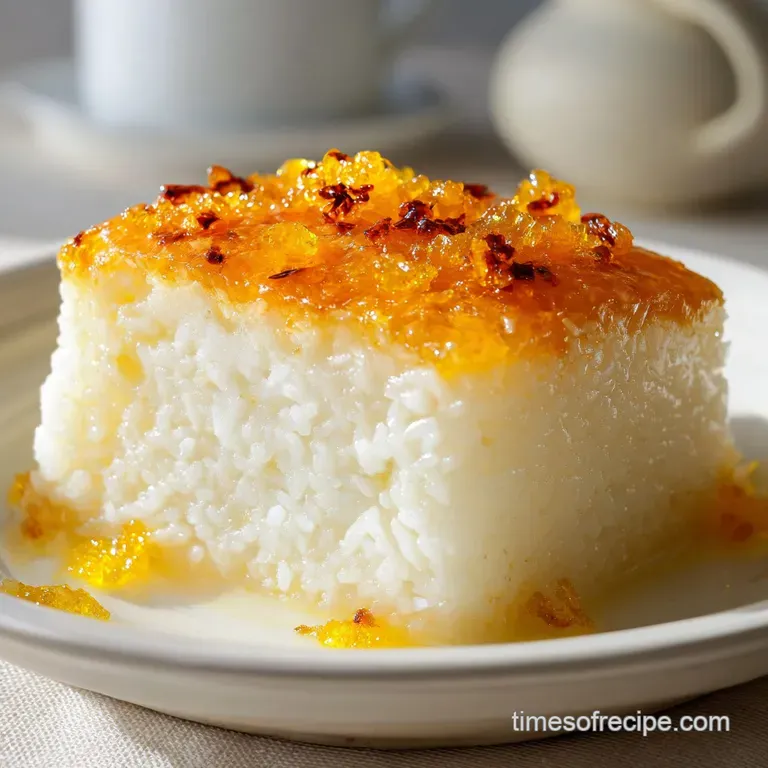
- Time: Active 45 mins, Passive 15 mins, Total 1 hour
- Flavor/Texture Hook: Smoky, toffee sweet, and intensely chewy
- Perfect for: Family gatherings and traditional celebrations
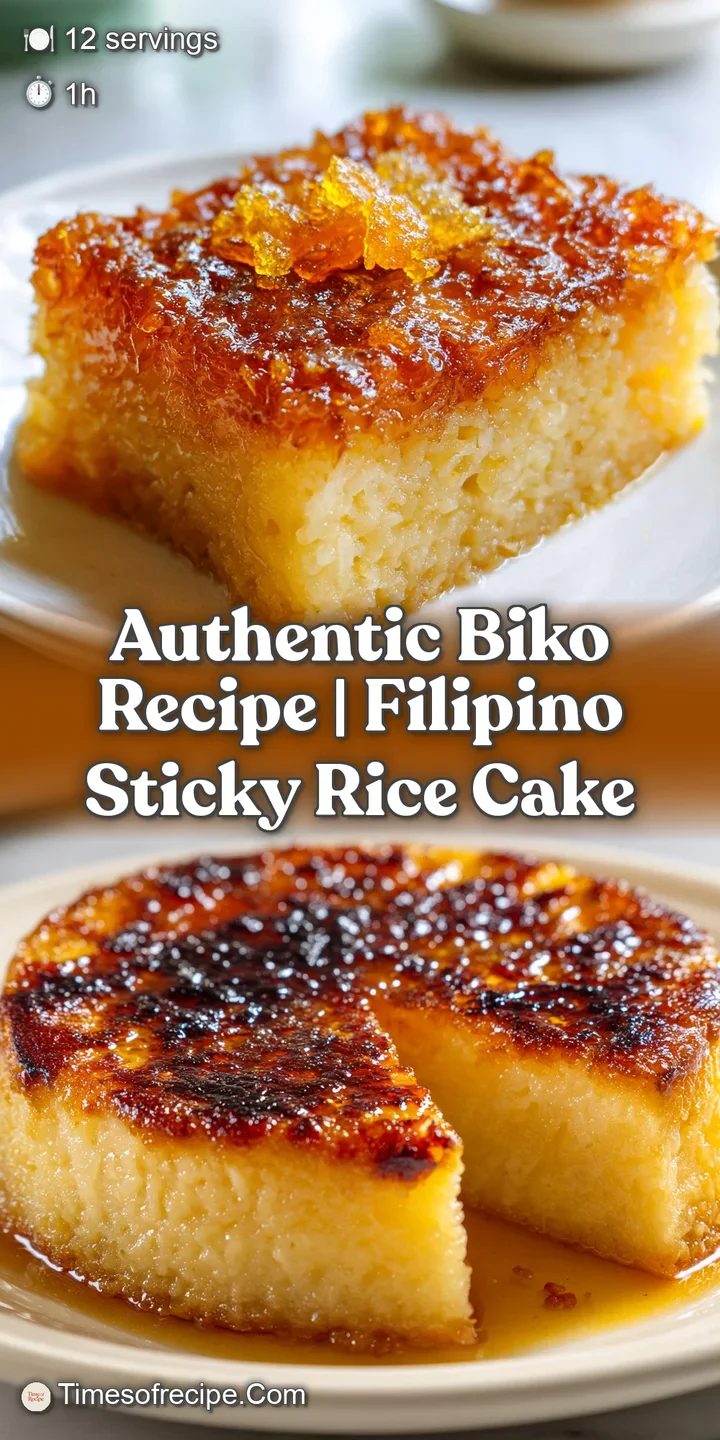
- Master This Hearty Traditional Biko Recipe
- Defining the Filipino Rice Cake
- Layers of Bold Toffee Flavor
- Essential Stats for Perfect Results
- Selecting Your Quality Ingredients
- Proper Tools for Success
- Step-by-Step Cooking Mastery
- Fixing Common Cooking Errors
- Scaling for Large Gatherings
- Smart Swaps and Variations
- Debunking Sticky Rice Myths
- Storing for Maximum Freshness
- Serving Your Sweet Creation
- Recipe FAQs
- 📝 Recipe Card
Master This Hearty Traditional Biko Recipe
The scent of a Biko Recipe bubbling on the stove is the smell of my childhood Sunday afternoons. I remember walking into my grandmother's kitchen, the air thick and heavy with the aroma of toasted coconut and dark, molten sugar.
She’d be standing over a blackened wok, her arm moving in rhythmic circles, coaxing a pot of stubborn, white grains into a glossy, amber hued cake. It wasn't just a snack; it was a test of patience that we all eagerly waited to fail the moment it hit the serving tray.
There is a specific sound to a Biko Recipe near the end of its cook - a wet, heavy "thwack" as the wooden spoon pulls the sticky mass away from the sides of the pan. If you don't hear that sound, you aren't done yet. I once tried to rush it, pulling the pan off the heat early because I was too hungry to wait.
The result? A soggy, sad puddle that lacked that signature bite. Since then, I’ve learned that the secret isn't just the ingredients; it's the stamina to keep stirring until the rice and coconut become one.
We are going to walk through this together so you can get that velvety, pull apart texture every single time. We’ll talk about the rice to liquid ratio, how to avoid the dreaded "hard center" grain, and how to make the latik topping that actually shatters when you bite into it.
Trust me, once you master the layers of flavor here, you’ll never look at a store-bought rice cake the same way again.
Defining the Filipino Rice Cake
Biko is a pillar of Filipino merienda culture, representing the communal spirit of "bayanihan" because it’s almost always made to be shared. It’s a glutinous rice cake that relies on three main pillars: malagkit (sticky rice), gata (coconut milk), and panucha or dark sugar.
Unlike other desserts that use flour or eggs, this dish uses the natural starches of the rice to create its structure, resulting in a dense, satisfying chew that stays pliant for days.
The soul of the dish lies in the latik. These are the small, browned coconut solids that form when you boil coconut cream until the water evaporates and the oil separates, essentially deep frying the remaining proteins. It provides a salty, nutty contrast to the deep sweetness of the dark brown sugar.
It’s that balance of fat, sugar, and salt that makes this recipe so addictive.
Layers of Bold Toffee Flavor
The Physics of the Pull: High amylopectin levels in glutinous rice create a sticky matrix that traps moisture, while the sugar reduction forms a protective syrup layer. This prevents the rice from hardening while creating the signature "stretch" that characterizes a well made cake.
- Amylopectin Saturation: Unlike long grain rice, glutinous rice is nearly all amylopectin, which provides the structural glue that allows the cake to be sliced cleanly without crumbling.
- Oil Infusion: As the coconut milk reduces, the fat migrates into the rice grains, creating a velvety mouthfeel that prevents the sugar from feeling cloying or dry.
- Maillard Magic: The dark brown sugar reacts with the coconut proteins during the long simmer, creating complex, toasted flavor notes that go far beyond simple sweetness.
- Evaporative Concentration: Slowly cooking out the water from the coconut milk concentrates the natural electrolytes and minerals, giving the dish a subtle savory backbone.
| Method | Time | Texture | Best For |
|---|---|---|---|
| Traditional Stovetop | 45 mins | Dense, chewy, glossy | Maximum flavor depth |
| Rice Cooker | 30 mins | Softer, more moist | Quick family cravings |
| Baked Finish | 1 hour | Crusty edges, firm | Party platters |
The stovetop method is my personal favorite because it gives you total control over the reduction. You can feel the resistance change as the sugars caramelize, which is something a machine just can't replicate. If you're looking for a savory main to serve before this sweet treat, my Garlic Shrimp Scampi recipe provides a wonderful zesty contrast to the heavy coconut flavors.
Essential Stats for Perfect Results
| Ingredient | Science Role | Pro Secret |
|---|---|---|
| Glutinous Rice | Structural Base | Soak for 30 mins to ensure even hydration of the grain core. |
| Coconut Milk | Fat & Emulsion | Use full fat versions to prevent the rice from sticking to your teeth. |
| Dark Brown Sugar | Caramelization | The higher molasses content provides the dark, mahogany color naturally. |
| Coconut Cream | Latik Source | Pure cream yields more solids than "milk" for a better topping yield. |
Selecting Your Quality Ingredients
For this Biko Recipe, the quality of your coconut product is everything. If you can get fresh pressed coconut milk, do it. If not, look for brands with the fewest stabilizers.
- 2 cups glutinous rice (malagkit): Why this? Essential for the sticky, chewy texture that defines traditional Filipino rice cakes.
- Substitute: Sweet rice or Thai sticky rice.
- 1.5 cups water: Why this? Provides the initial hydration needed to par cook the rice grains.
- Substitute: Coconut water for a deeper tropical profile.
- 0.5 tsp salt: Why this? Enhances the sweetness and balances the richness of the coconut fat.
- Substitute: Sea salt or kosher salt.
- 2 cups coconut milk: Why this? Creates the creamy, flavored syrup that the rice absorbs during the second stage.
- Substitute: Oat milk (full fat) for a different nutty flavor, though fat content varies.
- 1.5 cups dark brown sugar: Why this? Adds the deep molasses flavor and rich amber color to the rice.
- Substitute: Muscovado sugar for an even smokier, darker result.
- 0.5 tsp salt (additional): Why this? Second addition ensures the caramel syrup is perfectly seasoned throughout.
- Substitute: A small splash of patis (fish sauce) for an experimental umami kick.
- 1 tsp vanilla extract: Why this? Rounds out the flavors and adds a subtle floral aroma.
- Substitute: Pandan extract for a more traditional, grassy scent.
- 1 cup coconut cream: Why this? Specifically used to produce the latik (fried coconut curds) for the topping.
- Substitute: Toasted shredded coconut if you are in a massive hurry.
Proper Tools for Success
You don't need a high tech kitchen for this, but the right pan makes the difference between a relaxing cook and a burnt mess. I highly recommend a heavy bottomed pot or a traditional "kawali" (wok).
- Heavy Bottomed Pot: This prevents the sugar from scorching. Stainless steel or cast iron works best.
- Wooden Spoon or Sturdy Spatula: As the rice thickens, it becomes incredibly heavy. A weak plastic spatula might actually snap.
- Small Non Stick Skillet: Best for making the latik, as the coconut solids tend to stick to stainless steel during the frying process.
- 9x9 inch Square Pan: Perfect for setting the Biko. Line it with wilted banana leaves for the most authentic flavor and easy removal.
step-by-step Cooking Mastery
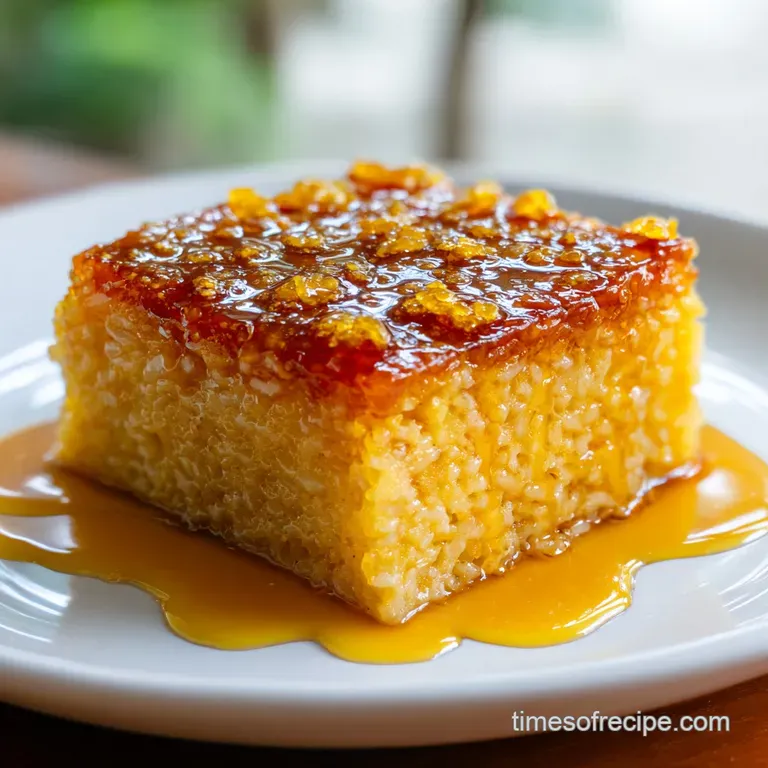
Phase 1: The Par Cook (Rice Preparation)
- Wash the 2 cups of glutinous rice under cold water twice. Note: Don't over wash; we need some surface starch to help the binding later.
- Combine the washed rice with 1.5 cups of water and 0.5 tsp salt in a pot.
- Cook over medium heat until the water is fully absorbed but the rice is still slightly firm. This usually takes about 10-12 minutes. Set aside.
Phase 2: Crafting the Golden Latik
- Pour 1 cup of coconut cream into a small skillet over medium low heat.
- Simmer, stirring occasionally, until the liquid evaporates and the white solids separate from the oil.
- Continue frying the solids in their own oil until they turn a deep golden brown and smell nutty. Drain the curds (latik) and save the oil for brushing the pan later.
Phase 3: The Slow Reduction (Binding the Biko)
- In a large, wide pan, combine 2 cups coconut milk, 1.5 cups dark brown sugar, and the remaining 0.5 tsp salt.
- Bring to a boil, then reduce to a simmer, stirring until the mixture thickens into a syrupy consistency. This takes about 15 minutes.
- Stir in 1 tsp vanilla extract to the bubbling syrup.
Phase 4: The Final Integration
- Add the par cooked rice into the coconut sugar syrup.
- Stir constantly over low heat until the rice has absorbed the liquid and the mixture becomes very thick and heavy. This is where you need that "arm power"!
Phase 5: Setting and Finishing
- Brush your 9x9 pan with the reserved coconut oil from the latik.
- Transfer the hot rice mixture into the pan and flatten it with a spatula.
- Sprinkle the golden latik evenly over the top until every square inch has a bit of crunch. Let it cool for at least 30 minutes before slicing.
Chef's Note: For the cleanest slices, grease your knife with a little bit of the leftover coconut oil. It prevents the sticky rice from tearing as you cut.
Fixing Common Cooking Errors
Why is my Biko too soft or mushy?
This usually happens if you added too much water during the first phase or didn't reduce the coconut milk syrup enough before adding the rice. If the rice is fully cooked before the syrup is thick, the grains will just keep absorbing moisture until they lose their shape.
My rice grains are still hard!
Under cooked rice "eyes" are the worst. This happens if you didn't soak the rice or if the heat was too high, causing the water to evaporate before the grain core could soften. To fix this, you can add an extra 1/4 cup of warm coconut milk to the pan, cover it with a lid, and let it steam on the lowest possible heat for another 5 minutes.
| Problem | Root Cause | Solution |
|---|---|---|
| Burnt Bottom | Heat too high/No stirring | Use a heat diffuser or lower flame immediately. |
| Latik is Bitter | Fried for too long | Remove curds from oil the moment they turn medium brown. |
| Rice is Gritty | Uneven hydration | Soak rice for 30 mins before the initial boil next time. |
The sugar won't dissolve properly.
If you see crystals, your heat might be too high, causing the sugar to seize. Always start the syrup on medium low until the sugar is completely integrated with the coconut milk before cranking it up to a simmer.
Common Mistakes Checklist: ✓ Never leave the stove once the rice is in the syrup; it scorches in seconds. ✓ Don't use "Light" coconut milk; the lack of fat results in a rubbery texture. ✓ Avoid stirring the latik too much at the start; let the solids clump together.
✓ Ensure the rice is par cooked (al dente), not mushy, before the second stage. ✓ Let the Biko cool completely; it sets and becomes much easier to handle.
Scaling for Large Gatherings
If you are making this for a big party, scaling up is relatively simple because the ratios are forgiving.
- Scaling UP (2x): Use 4 cups of rice and 3 cups of water for the first stage. For the syrup, use 4 cups of coconut milk but only 2.5 cups of sugar to keep the sweetness from becoming overwhelming. Cook time will increase by about 15-20 minutes because of the volume.
- Scaling DOWN (1/2): Use 1 cup of rice and 3/4 cup water. Use a smaller pan (like a loaf pan) so the Biko doesn't spread too thin and dry out.
- Small Pan Tip: If you're cutting the recipe in half, be very careful with the syrup reduction. It will thicken twice as fast, so keep your eyes on the pan!
Smart Swaps and Variations
If you want to deviate from the classic version, sticky rice is a great canvas for other Filipino flavors. While the traditional Biko Recipe is unbeatable, these variations are fun for a change.
| Premium Ingredient | Budget Alternative | Flavor Impact | Savings |
|---|---|---|---|
| Fresh Coconut Cream | Canned Coconut Milk | Less "fresh" aroma | Save $3-5 |
| Muscovado Sugar | Light Brown Sugar | Milder, less complex | Save $2 |
| Banana Leaves | Parchment Paper | Loses earthy scent | Save $4 |
If you enjoy the creamy texture of this rice cake, you might also love my NoBake Banana Cream recipe. It offers a similar level of indulgence but with a fruitier, lighter finish.
Biko Rice Cooker Recipe (The Shortcut)
If you're short on time, you can cook the rice, coconut milk, and sugar all together in a rice cooker. The texture won't be as dense or chewy, but it's a great "Tuesday night" version. Just use the "Sweet Rice" setting if your machine has it.
Ube Biko Variation
Add 2 tablespoons of ube halaya (purple yam jam) and a drop of ube extract to the coconut syrup before adding the rice. It creates a stunning purple cake with an earthy, vanilla like flavor that pairs perfectly with the latik.
Debunking Sticky Rice Myths
"You must wash the rice until the water is crystal clear." Actually, if you remove all the surface starch, the Biko won't bind as well. You want to wash away the dust and excess debris, but two quick rinses are plenty. We need that starch to create the velvety "pull" between the grains.
"Adding oil to the rice prevents it from sticking." In this recipe, adding extra oil during the boiling phase actually prevents the rice from properly absorbing the coconut syrup later. The fat should come from the coconut milk itself during the reduction phase for the best emulsification.
"Latik is just burnt coconut milk." Not at all! Latik is the toasted protein and sugar solids. If it tastes burnt, you've gone too far. It should taste like a toasted marshmallow had a baby with a piece of salted caramel. If it's black, throw it out and start over it will ruin the whole dish.
Storing for Maximum Freshness
Storage: Biko is best enjoyed at room temperature on the day it's made. However, it will keep in the fridge for up to 4 days. Wrap it tightly in plastic wrap or store it in an airtight container to prevent the rice from absorbing fridge odors and drying out.
Freezing: You can freeze Biko! Cut it into individual portions, wrap each in plastic, and place them in a freezer bag. It stays good for up to 2 months. To reheat, steam it for 5 minutes or microwave it with a damp paper towel over the top to restore the moisture.
Zero Waste Tip: If you have leftover latik oil, don't throw it away! It’s essentially highly flavored coconut oil. Use it to sauté vegetables, or drizzle it over a bowl of plain steamed rice with a little salt for a quick, fragrant snack.
You can also use the leftover rice water from the first rinse to water your plants; it's full of nutrients they love.
Serving Your Sweet Creation
When it comes to serving, presentation is half the joy. I always try to find fresh banana leaves at the Asian market. Quickly pass them over a gas flame to wilt them they turn bright green and become flexible.
Lining your tray with these doesn't just look "pro," it infuses the bottom of the Biko with a tea like, earthy aroma that is absolutely intoxicating.
The Classic Merienda
Serve a square of Biko with a hot cup of "kapeng barako" (strong Filipino coffee) or a thick hot chocolate (tsokolate de batirol). The bitterness of the coffee cuts through the fatty sweetness of the coconut perfectly.
The Party Platter
If you're bringing this to a potluck, slice the Biko into small, 2 inch diamonds. It makes them easier to grab and looks much more elegant than squares. If you want to go all out, serve it alongside a savory dish like my Garlic Shrimp Scampi recipe for a full Filipino style feast. The contrast between the salty, garlicky shrimp and the sweet, sticky rice is a flavor profile my family has loved for generations.
Remember, Biko is a "feeling" food. If the rice feels too heavy as you stir, that's good. If your arm gets a little tired, you're doing it right. It’s that effort that makes the first bite so incredibly satisfying.
Enjoy the process, and don't forget to save a few extra pieces of latik for yourself you’ve earned them!
Recipe FAQs
What are the ingredients in biko?
Glutinous rice, coconut milk, and dark brown sugar are the core three. You also need salt for balance and coconut cream specifically for making the traditional latik topping.
What is the best rice to use for biko?
Stick exclusively to glutinous rice, known as malagkit or sweet rice. This variety has a high amylopectin content necessary to create the dense, chewy, sticky texture this dessert requires.
Is coconut milk or coconut cream better for biko?
Use both, but for different purposes. Coconut milk (thinner) is used with the sugar to cook the rice, while pure coconut cream is necessary to yield the solid, fried curds called latik for topping.
What is the English name for biko?
There is no direct, common English translation. It is simply referred to as Biko, a traditional Filipino sweet sticky rice cake. If you want to explore other sweet sticky rice preparations, see how the same rice texture is achieved in our NoBake Banana Cream recipe.
How do I prevent the bottom of my biko from scorching?
Use a heavy bottomed pot and keep the heat low during the reduction phase. The sugar content means it burns easily; constant stirring is mandatory once the rice is added to prevent localized hot spots.
Should I boil the coconut milk and sugar completely dry before adding the rice?
No, this is a common misconception. You should reduce the liquid until it is thick and syrupy, but not completely dry, or the rice will not absorb enough flavor, resulting in a grainy texture.
How do I make the crispy latik topping?
Gently fry the coconut cream solids in a small pan until they separate from the oil and turn golden brown. Be patient and remove them right as they hit that color; if you master the sensory control required for this separation, you've mastered a core technique that is also useful when making savory reductions in recipes like our Goetta Recipe -.
Chewy Filipino Biko Recipe
Ingredients:
Instructions:
Nutrition Facts:
| Calories | 360 calories |
|---|---|
| Protein | 3.8 g |
| Fat | 16.8 g |
| Carbs | 51.2 g |
| Fiber | 1.1 g |
| Sugar | 26.4 g |
| Sodium | 201 mg |
