Chicken Long Rice Recipe
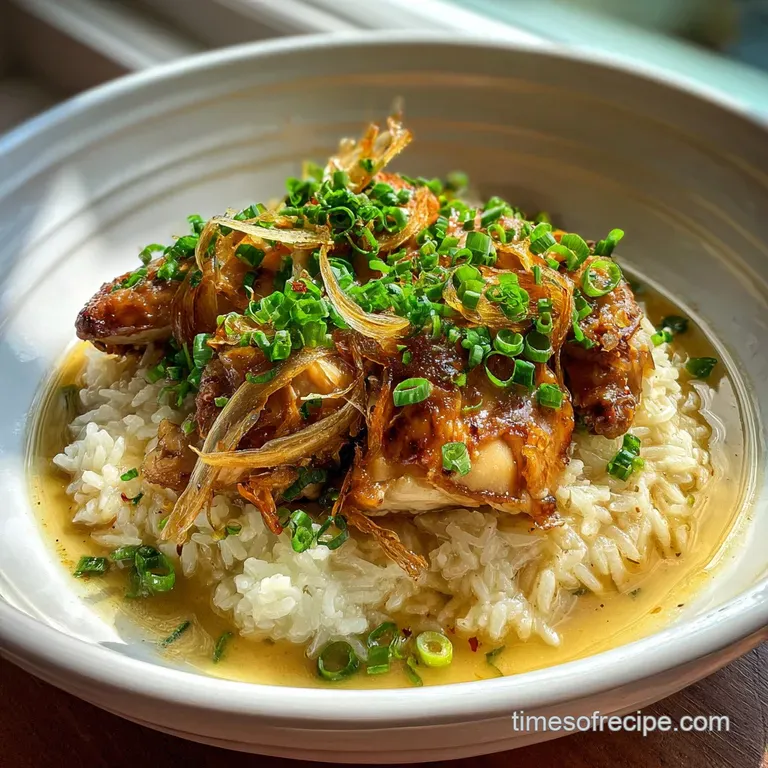
- Time: Active 15 minutes, Passive 45 minutes, Total 60 minutes
- Flavor/Texture Hook: Pungent ginger aroma with slick, velvety noodles
- Perfect for: Family potlucks, rainy day comfort, or easy meal prep
- Create the Best Chicken Long Rice Recipe
- Quick Dish Vital Statistics
- Exploring Essential Component Science
- Necessary Kitchen Tools List
- The Simple Cooking Sequence
- Expert Cooking Success Strategies
- Creative Flavor Variation Ideas
- Expert Cooking Myths
- Freshness and Storage Methods
- Ideal Side Dish Pairings
- Chicken Long Rice Recipe FAQs
- 📝 Recipe Card
The first time I smelled a pot of this bubbling on a stove, the sharp, spicy scent of fresh ginger cut right through the humidity of the afternoon. It's a smell that promises comfort before you even take a single bite.
If you have ever felt under the weather or just needed a hug in a bowl, this dish is exactly what you are looking for.
I used to think this was a complicated labor of love, but honestly, it is one of the most forgiving meals in my rotation. We are basically making a quick, concentrated stock and letting the noodles do the heavy lifting by absorbing all that flavor.
You do not need fancy equipment, just a big pot and a little patience while the chicken becomes tender enough to fall off the bone.
The magic happens when those clear noodles hit the broth. They act like little sponges, pulling in the soy sauce and ginger essence until they are plump and translucent. It is a hearty, satisfying meal that feels light yet filling, and it has become a staple in my house whenever we need something that feels like home.
Create the Best Chicken Long Rice Recipe
When we talk about a chicken long rice recipe, we are really talking about the ultimate fusion of cultures. This dish found its way to the islands and became a local obsession because it is simple, inexpensive, and incredibly bold in flavor.
The key is not to rush the ginger infusion, because that aromatic heat is what balances the richness of the chicken fat.
Collagen Extraction Process
Simmering bone in thighs allows the connective tissue to break down into gelatin. This process creates a velvety mouthfeel in the broth that lean cuts just cannot replicate.
Hydration of Noodle Starch
Bean thread noodles are made from mung bean starch, which requires specific hydration to reach a slick, non mushy texture. Letting them soak before adding them to the boiling broth ensures they cook evenly without clumping.
Aromatic Oil Infusion
Bruising the ginger before it hits the pot ruptures the cell walls, releasing essential oils like gingerol. These oils are fat soluble, meaning they cling to the chicken fat and coat every noodle with spice.
Quick Dish Vital Statistics
Before we get our hands messy, let's look at how this recipe stacks up. Whether you are in a rush or want to go the traditional route, there are ways to make this work for your schedule. I usually opt for the classic method because the flavor depth is just leagues ahead of the quick versions.
| Method | Time | Flavor Profile |
|---|---|---|
| Classic Simmer | 60 minutes | Deep, rich, collagen heavy broth with tender hand shredded meat |
| Pressure Cooker | 35 minutes | Bright ginger notes but slightly thinner mouthfeel |
| Rotisserie Shortcut | 20 minutes | Salty and fast, though lacks the ginger infused bone depth |
Getting the balance of liquid to noodles right is the biggest hurdle for most home cooks. If you use too much broth, it feels like a thin soup; too little, and you end up with a sticky block of noodles. We are aiming for that "juicy" middle ground where the noodles are bathed in just enough liquid to stay slippery.
Exploring Essential Component Science
Every ingredient here serves a structural or chemical purpose. We aren't just tossing things in a pot; we are building a flavor bridge between the sharp aromatics and the neutral starches. Understanding why we use bone in meat versus boneless, for instance, changes how you approach the simmer.
| Component | Science Role | Pro Secret |
|---|---|---|
| Bone in Thighs | Provides gelatin and depth | Leave the skin on during the simmer, then discard for maximum fat infusion |
| Fresh Ginger | Acts as a digestive aid and aromatic | Use the back of a spoon to peel it so you don't waste the flavorful flesh |
| Bean Thread Noodles | Absorbs 4x its weight in liquid | Always cut them with kitchen shears after soaking or they are impossible to eat |
| Maui Onion | Adds natural sweetness | Sauté until just translucent to keep the sweetness from becoming cloying |
Using a high-quality low sodium chicken bone broth is a great move here. Since we are adding soy sauce and Hawaiian sea salt later, starting with a low sodium base prevents the dish from becoming a salt bomb.
If you find yourself making this often, you might even start saving your own chicken carcasses for an even more authentic experience.
Necessary Kitchen Tools List
You don't need a professional kitchen to pull this off, but a few specific items will make your life a lot easier. I highly recommend using a heavy bottomed pot like a Dutch oven. It holds heat more consistently than thin stainless steel, which prevents the bottom from scorching while you simmer the chicken.
Broth and Protein Needs
For the base, you'll need 1.5 lb bone in, skinless chicken thighs and 8 cups low sodium chicken bone broth. Make sure you have your 4 inches fresh ginger ready to be bruised and sliced. I like to use a heavy knife handle or a meat mallet to give the ginger a good whack before it goes into the pot.
The Long Rice Noodles
The 8 oz bean thread noodles are the star. These are often labeled as "cellophane noodles" or "saifun." You will also need a large bowl for soaking them in warm water. Don't skip the soaking step, or they will steal all your broth and leave the dish dry.
The Final Garnish
To finish, grab a bunch of green onions and your 1/2 tsp Hawaiian sea salt. The salt adds a specific mineral crunch that regular table salt lacks. You'll also want 2 tbsp low sodium soy sauce to provide that essential umami backbone and a hint of amber color to the noodles.
The Simple Cooking Sequence
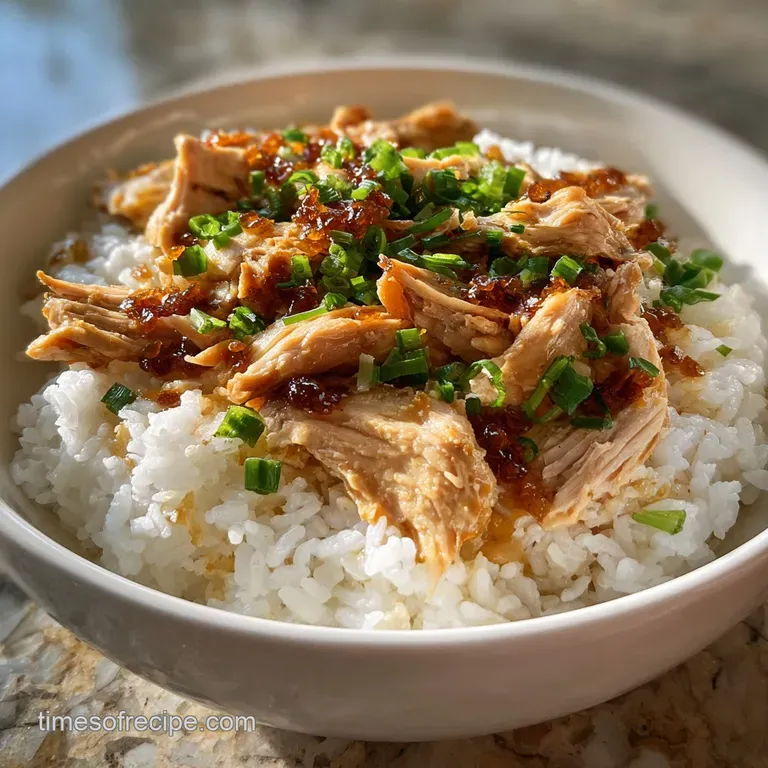
Let's get cooking. The smell in your kitchen is about to become the best part of your day. Just remember to keep an eye on the liquid levels as those noodles can be quite thirsty once they hit the heat.
- Bruise the ginger. Take your 4 inches of fresh ginger and smash it with the side of a knife, then slice it into thick coins. Note: This releases the oils without making the pieces too small to fish out later.
- Sauté the aromatics. Toss the diced Maui onion, smashed garlic cloves, and ginger into a large pot over medium heat. Cook for 5 minutes until the onion is soft and fragrant.
- Add the liquid. Pour in the 8 cups of low sodium chicken bone broth and the 2 tbsp of low sodium soy sauce.
- Submerge the chicken. Place the 1.5 lb bone in, skinless chicken thighs into the liquid. Wait 45 minutes while it simmers gently until the meat is tender.
- Prep the noodles. While the chicken cooks, soak the 8 oz bean thread noodles in a bowl of warm water for 15 minutes. Soak until they are pliable and no longer brittle.
- Remove and shred. Lift the chicken out of the pot. Using two forks, shred the meat into bite sized pieces and discard the bones.
- Cut the noodles. Drain the soaked noodles and use kitchen shears to cut them into 4 inch lengths. Note: Long noodles are a nightmare to serve and eat.
- Final simmer. Return the shredded chicken and the noodles to the pot. Cook for 5 minutes until the noodles are translucent and slippery.
- Season the dish. Stir in the 1/2 tsp Hawaiian sea salt and the thinly sliced green onions.
- Check the texture. If it looks too dry, splash in a little extra broth. Serve immediately while the noodles are at their silkiest.
Chef's Tip: For an extra layer of flavor, try to freeze butter 10 mins before grating a tiny bit over the top of the finished bowls. It adds a French style richness that contrasts beautifully with the ginger.
Expert Cooking Success Strategies
The biggest mistake I ever made with this dish was overcooking the noodles. I thought they needed to boil like pasta, but they really just need a hot soak in the flavored broth. If you leave them on the heat too long, they turn into a gelatinous mush that loses that satisfying "snap."
Done: 3 Key Cues
- Noodle Clarity: The noodles should be completely clear, not white or opaque.
- Meat Texture: The chicken should pull apart with almost zero resistance from a fork.
- Broth Level: There should be about a half inch of liquid visible at the bottom of the pot when you push the noodles aside.
Solving 2 Mistakes
If your broth tastes thin or weak, it usually means the ginger wasn't bruised enough or the chicken didn't simmer long enough. You can fix this by adding a teaspoon of ginger juice or a splash of fish sauce for instant depth.
If the noodles have absorbed all the liquid, simply add another cup of hot broth and a dash of soy sauce before serving.
| Problem | Root Cause | Solution |
|---|---|---|
| Clumpy Noodles | Not cut after soaking | Use shears to snip them into manageable 4 inch pieces |
| Bland Broth | Lack of salt/ginger | Add more Hawaiian sea salt and a squeeze of fresh ginger juice |
| Tough Chicken | Boiling too hard | Keep the pot at a gentle simmer to avoid tightening the protein |
Creative Flavor Variation Ideas
Once you have mastered the basic chicken long rice recipe, you can start playing with the ingredients to suit your pantry. While the Maui onion is classic for its sweetness, a standard yellow onion works in a pinch if you add a tiny pinch of sugar.
Making 2 Swaps
You can easily swap the protein or the aromatics depending on what you have on hand. For example, some people love adding sliced shiitake mushrooms during the simmer for an extra earthy note.
| Original Ingredient | Substitute | Why It Works |
|---|---|---|
| Maui Onion (1 medium) | Yellow Onion + 1/2 tsp sugar | Mimics the higher sugar content of the Hawaiian variety |
| Bean Thread Noodles (8 oz) | Rice Vermicelli | Similar shape. Note: Texture is firmer and less "slippery" than mung bean starch |
Dietary Adaptation Tips
- If you want more heat: Add a teaspoon of red chili flakes or a sliced Hawaiian chili pepper to the initial sauté.
- If you want it richer: Use skin on thighs and skim only half the fat off the top before adding the noodles.
- If you want it lighter: Increase the ginger to 6 inches and use chicken breast, though the texture will be slightly drier.
For those looking for other hearty options, this method of slow simmering meat for deep flavor is very similar to the technique used in my Chicken Bryan recipe. Both rely on building a solid flavor base before finishing with fresh herbs.
Expert Cooking Myths
One common misconception is that you need to boil the noodles in a separate pot of water first. This is actually a flavor killer! If you boil them in plain water, they hydrate with bland liquid.
By soaking them in warm water and then finishing them in the chicken broth, they absorb the ginger and soy essence directly into their core.
Another myth is that you must use a whole chicken. While a whole bird provides great flavor, using only thighs gives you a much more consistent ratio of fat to meat without the hassle of picking through tiny rib bones. It makes the dish much more approachable for a Weeknight Recipes list where you want maximum flavor with minimum fuss.
Freshness and Storage Methods
This dish is notorious for "growing" in the fridge. The noodles will continue to drink any available liquid as they sit. If you are planning to have leftovers, I recommend storing the shredded chicken and noodles separately from the bulk of the broth, then recombining them when you reheat.
- Storage
- Store in an airtight container in the fridge for up to 4 days.
- Freezing
- This recipe does not freeze well. The noodles lose their structural integrity and become grainy when thawed.
- Reheating
- Always add a splash of broth or water before microwaving or heating on the stove. This loosens the noodles and brings back that silky texture.
For zero waste, don't throw away those ginger coins! I like to keep them in a jar of honey in the fridge to make a quick ginger tea later. Also, any leftover green onion bottoms can be placed in a glass of water on your windowsill to regrow for your next batch.
Ideal Side Dish Pairings
Because this dish is quite soft and savory, it pairs beautifully with things that offer a bit of crunch or acidity. A side of pickled papaya or a simple cucumber salad with rice vinegar provides a bright contrast to the ginger heavy broth.
If you are serving this as part of a larger spread, it fits perfectly alongside a Puerto Rican Rice recipe. The fluffy texture of the rice complements the slickness of the noodles, making for a very satisfying plate. Trust me, once you put this on the table, the aroma alone will have everyone asking for the recipe.
Chef's Tip: Add a teaspoon of toasted sesame oil right before serving. It doesn't just add flavor; the scent hits the steam and creates an incredible aromatic "cloud" over the bowl.
Chicken Long Rice Recipe FAQs
What is chicken long rice made of?
Yes, the main components are chicken and noodles. It's a Hawaiian comfort food dish typically made with bone-in chicken thighs simmered in a ginger infused broth with bean thread noodles (also known as long rice or cellophane noodles). Maui onions add a natural sweetness to the savory broth.
What are the 4 ingredients in chicken and rice casserole?
Chicken long rice is not a typical casserole and doesn't have just four ingredients. A classic chicken long rice features chicken thighs, bean thread noodles, ginger, and onions as its core components, with chicken broth and soy sauce forming the flavorful liquid base.
What to serve with chicken long rice?
Serve it with dishes that offer contrasting textures and acidity. Pickled papaya, a simple cucumber salad with rice vinegar, or a light green salad are excellent choices. It also pairs well with fluffy rice, like in this Essential Puerto Rican Rice recipe.
Why is it called chicken long rice?
It's named for the long, thin bean thread noodles, often called "long rice" in Hawaii. These noodles resemble rice but are made from mung bean starch, and their length is a key visual characteristic of the dish, soaking up the savory ginger broth.
Can I use chicken breast instead of thighs?
Yes, you can, but it will change the texture. Chicken thighs are preferred for their fat content, which creates a richer, more gelatinous broth and keeps the meat tender. If using chicken breast, it's best to avoid overcooking to prevent it from becoming dry, similar to how you'd aim for High Protein Low Calorie Easy Recipe with Grilled Chicken to remain juicy.
How do I prevent the noodles from clumping?
Soak the noodles thoroughly and cut them before adding to the pot. Bean thread noodles need to be soaked in warm water until pliable, not brittle. Using kitchen shears to cut them into 4 inch lengths after soaking prevents them from becoming an unmanageable tangle during cooking.
Is ginger essential for chicken long rice?
Yes, ginger is crucial for its signature flavor and aroma. Bruising the ginger releases its aromatic oils, which infuse the broth and balance the richness of the chicken, providing a warm, spicy kick that defines the dish. If you enjoy how aromatic oils contribute to flavor, you might also appreciate the technique in our Aji de Gallina: Ultimate Creamy Peruvian Comfort Chicken Recipe.
Chicken Long Rice Recipe
Ingredients:
Instructions:
Nutrition Facts:
| Calories | 324 kcal |
|---|---|
| Protein | 19.6 g |
| Fat | 7.8 g |
| Carbs | 35.2 g |
| Fiber | 1.4 g |
| Sugar | 2.1 g |
| Sodium | 768 mg |
