Chicken Fried Steak: Crispy and Classic
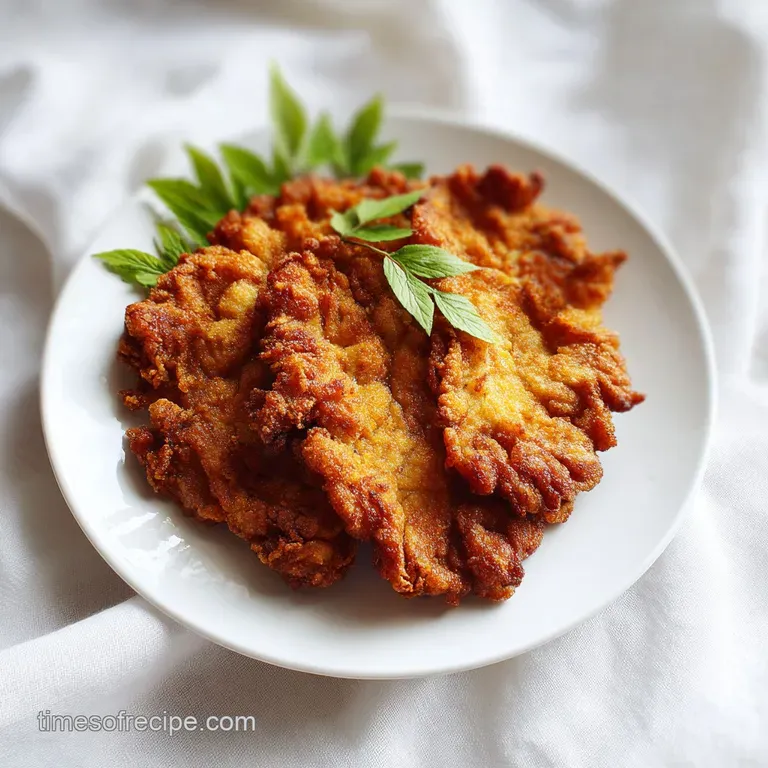
- Time: Active 20 minutes, Passive 15 minutes, Total 35 minutes
- Flavor/Texture Hook: Shatter crisp seasoned crust with velvety black pepper gravy
- Perfect for: Weekend family comfort or a nostalgic Sunday brunch
- Creating the Best Chicken Fried Steak Recipe for Family
- Achieving a Shatter Crisp Crust and Tender Center
- Deep Dive into Essential Component Roles
- Gathering Your Elements and Possible Substitutes
- Necessary Kitchen Tools for Success
- Executing the Perfect Fry with Precision
- Solving Crust and Gravy Challenges
- Adjusting the Recipe for Any Crowd
- Debunking Common Kitchen Beliefs
- Proper Storage and Using Every Scrap
- Serving with Hearty Style and Flair
- CRITICAL: Very High in Sodium
- Recipe FAQs
- 📝 Recipe Card
Creating the Best Chicken Fried Steak Recipe for Family
The sound of a heavy cast iron skillet hitting the stovetop always brings me back to my grandmother’s kitchen on a humid Sunday afternoon. There was a specific rhythm to it: the rhythmic thwack thwack of the meat being prepared, followed by the gentle hiss of flour hitting hot oil.
That aroma a mix of toasted grain, savory beef, and the sharp bite of cracked black pepper is the ultimate olfactory embrace. It didn't matter what else was going on in the world; when that smell drifted through the house, everything felt right.
I remember standing on a wooden stool, watching her hands move with a speed that only comes from decades of practice. She’d dredge the meat once, then twice, making sure every nook and cranny was filled with seasoned flour. "If you see the meat peeking through, it’s not ready for the oil," she’d say.
That lesson stayed with me. This isn't just a meal; it’s a craft. We’re taking a humble, tough cut of beef and transforming it into something so tender you could practically eat it with a spoon, all while maintaining a crust that offers a satisfying crunch in every single bite.
This recipe is my love letter to those Sunday afternoons. It’s the result of trying every variation under the sun from cracker crumbs to panko only to realize that the traditional Texas style double dredge is the undisputed king.
We've refined the ratios to ensure the breading never slides off and the gravy is thick enough to coat a spoon without being gummy. It’s hearty, it’s bold, and it’s exactly what comfort food should be. Put on an apron, turn up some music, and let's get that skillet screaming.
Achieving a Shatter Crisp Crust and Tender Center
Starch Hybridization: Mixing cornstarch with all purpose flour creates a more brittle protein structure in the crust, leading to a more pronounced crunch.
The Hydration Bridge: Resting the dredged steaks for 10 minutes allows the buttermilk to fully hydrate the flour, creating a "glue" that prevents the coating from separating during frying.
Thermal Momentum: Frying in a shallow layer of high smoke point oil ensures the bottom gets a hard sear immediately, while the carryover heat finishes the interior without overcooking.
Maillard Reinforcement: The addition of smoked paprika and onion powder doesn't just add flavor; the natural sugars in these spices caramelize under heat to deepen the mahogany color of the crust.
| Servings | Ingredient Adjustments | Pan Size | Cook Time |
|---|---|---|---|
| 2 people | 2 cube steaks, 120g flour, 175ml buttermilk | 20cm skillet | 15 minutes |
| 4 people | 4 cube steaks, 240g flour, 350ml buttermilk | 30cm skillet | 15 minutes |
| 6 people | 6 cube steaks, 360g flour, 525ml buttermilk | 35cm skillet (or 2 pans) | 20 minutes |
Finding the right balance between the meat and the breading is where most people struggle. If the steak is too thick, the crust burns before the middle is done. If the oil is too cold, the breading soaks up grease like a sponge.
We avoid these pitfalls by keeping the oil at a steady 175°C and using cube steaks that have been mechanically tenderized. This ensures the cooking time remains consistent across every batch.
Deep Dive into Essential Component Roles
| Ingredient | Science Role | Pro Secret |
|---|---|---|
| Cube Steak | Structural Protein | Ensure it is room temperature before dredging to prevent the crust from "steaming" off from the inside. |
| Buttermilk | Enzyme Tenderizer | The lactic acid breaks down tough muscle fibers while providing the acidity needed to balance the heavy fats. |
| Cornstarch | Moisture Absorber | It prevents gluten development in the flour, which keeps the crust from becoming "bready" or chewy. |
| Black Pepper | Flavor Catalyst | Use a coarse grind; the larger particles bloom in the hot oil, releasing oils that provide a floral, spicy heat. |
One thing I learned the hard way is that not all peppers are created equal. For this dish, you want a coarse, butcher grind black pepper. Fine table pepper just disappears into the flour, but those big, cracked peppercorns provide a textural element that cuts through the richness of the cream gravy.
When the pepper hits that hot fat in the pan, the aroma is instantaneous sharp, woody, and intensely savory.
When selecting your cube steaks, look for meat that hasn't been "over cubed." You want to see the indentations of the tenderizer, but the steak shouldn't look like it’s falling apart. If you can’t find pre cubed steak, you can use top round or sirloin and give it a good thrashing with a meat mallet at home.
Just remember to cover it with plastic wrap first, or you'll be cleaning beef spray off your kitchen walls for a week.
Gathering Your Elements and Possible Substitutes
- 4 Cube Steaks (170g each): The foundation of the dish. Why this? Lean but tenderized to handle over high heat shallow frying.
- Substitute: Round steak, pounded thin until 1cm thick.
- 240g All Purpose Flour: For the bulk of the dredging stations. Why this? Provides the protein structure needed for a sturdy crust.
- Substitute: A 1:1 gluten-free flour blend if dietary needs require.
- 60g Cornstarch: The secret to the crunch. Why this? Lowers the overall protein content for a crispier finish.
- Substitute: Potato starch or arrowroot powder.
- 350ml Whole Buttermilk: The binder and tenderizer. Why this? Its thickness helps the flour adhere better than plain milk.
- Substitute: 350ml milk mixed with 1 tbsp lemon juice, sat for 5 mins.
- 2 Large Eggs: Adds richness and "lift" to the breading. Why this? Acts as an emulsifier to bond the liquid and dry layers.
- Substitute: 60ml heavy cream (though the crust will be heavier).
- 1 tbsp Hot Sauce: For a subtle back end kick. Why this? Brightens the flavor profile without making it "spicy."
- Substitute: 1 tsp cayenne pepper added to the flour.
- 500ml High smoke point oil: Such as canola, peanut, or vegetable oil. Why this? Prevents the oil from burning and tasting bitter during the fry.
- Substitute: Lard for a more traditional, nostalgic flavor profile.
- 480ml Whole Milk & 60ml Heavy Cream: For the gravy. Why this? The cream adds a luxurious mouthfeel that milk alone lacks.
- Substitute: All whole milk for a lighter (but still tasty) gravy.
Chef's Tip: Freeze your flour for 15 minutes before mixing in the spices. Cold flour hitting hot oil creates tiny steam pockets that result in a lighter, flakier crust.
For the seasoning, don't be shy. We're using 1 tbsp of black pepper, smoked paprika, garlic powder, onion powder, and cayenne. It might seem like a lot, but a significant portion stays in the dredging bowl or is mellowed out by the frying process. You want that flour to look speckled and vibrant. If it looks pale, your steak will taste pale. If you find yourself enjoying the creamy profile of the gravy, you might also like the lemon butter finish found in a Chicken Bryan copycat for a different dinner night.
Necessary Kitchen Tools for Success
You don't need a professional kitchen to make a legendary fried steak, but a few specific tools make the job significantly easier. A heavy cast iron skillet is my top recommendation. It holds heat better than stainless steel, which is vital when you drop cold meat into hot oil.
If the temperature of your oil dips too far, you lose that immediate "sear" that locks the breading in place.
A set of sturdy metal tongs is also non negotiable. You need to be able to flip these steaks without piercing the crust or splashing hot grease. I also highly recommend a wire cooling rack set over a baking sheet. Placing the fried steaks directly onto paper towels can cause the bottom to steam and go soggy.
The wire rack allows air to circulate around the entire steak, keeping it crispy on all sides while you whisk up the gravy.
Executing the Perfect Fry with Precision
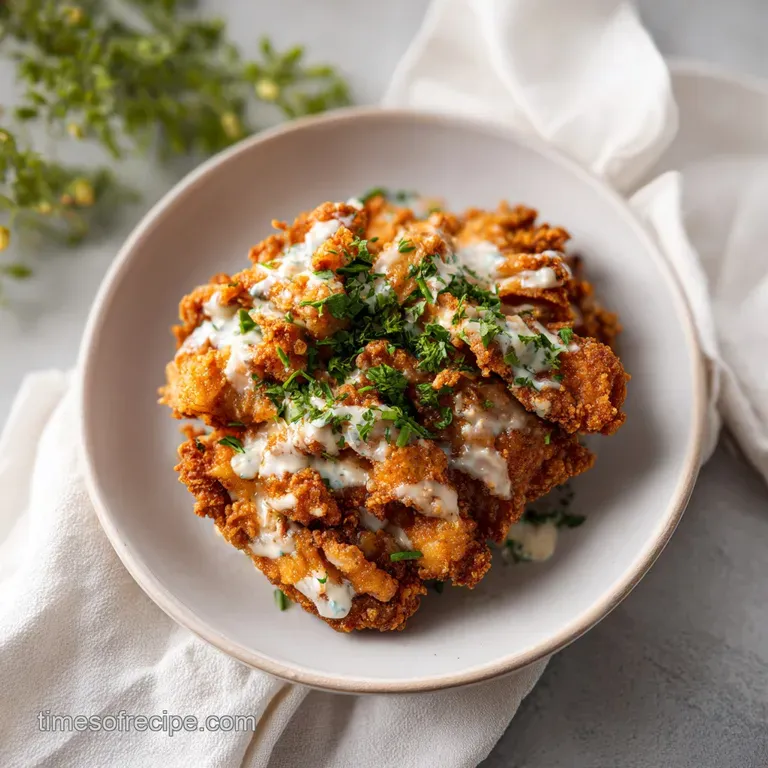
1. Preparing the Breading Stations
Set up three wide, shallow bowls in an assembly line. Bowl one gets 60g of the seasoned flour. Bowl two is for the whisked buttermilk, eggs, and hot sauce. Bowl three contains the remaining seasoned flour mixed thoroughly with the cornstarch. Organizing this way prevents a messy workspace and ensures a logical flow.
2. Executing the Double Dredge Technique
Pat the steaks dry with paper towels first. Season them with the salt and extra pepper. Press each steak into the plain flour (Bowl 1) to create a dry surface. Dip into the buttermilk mixture (Bowl 2), ensuring it's fully submerged. Finally, press firmly into the seasoned flour cornstarch mix (Bowl 3).
Use your palms to really push the flour into the meat.
3. Frying to Golden Perfection
Heat 1.5cm of oil in your skillet to 175°C. You can test this by dropping a pinch of flour in; if it sizzles immediately, you're ready. Fry the steaks for 3–4 minutes per side.
Watch for the edges to turn mahogany brown and the bubbles to slow down. Use an instant read thermometer to ensure the internal temperature reaches 63°C.
4. Whisking the Peppery Country Gravy
Remove the steaks to a rack. Pour off all but 60ml of the fat, keeping those flavorful brown bits (the "fond") in the pan. Whisk in 30g of flour and cook for 2 minutes until it smells like toasted nuts. Slowly whisk in the milk and cream.
Simmer for 5 minutes until thick enough to coat the back of a spoon. Season heavily with more black pepper and salt.
| Fresh Made | Shortcut (Pre breaded) | Flavor Impact |
|---|---|---|
| Hand dredged buttermilk crust | Frozen breaded patties | Fresh has a jagged, crispy texture; frozen is often uniform and spongy. |
| Homemade pan dripping gravy | Jarred or powdered gravy | Homemade has deep beefy undertones; shortcut is often overly salty and lacks "soul." |
| Freshly cracked pepper | Pre ground pepper | Fresh pepper has a floral heat; pre ground can taste dusty or bitter. |
The transition from the buttermilk to the final flour stage is the most critical moment. You want to see "crags" forming in the flour. These little lumps of doughy flour are what turn into those hyper crispy bits that everyone fights over.
If your flour looks too smooth, drizzle a tablespoon of the buttermilk mixture into the flour bowl and toss it with a fork to create little clumps before the final dredge.
Solving Crust and Gravy Challenges
Why Your Breading Falls Off
There are usually two culprits here: moisture and movement. If the steak is wet when it hits the flour, it creates a layer of steam that pushes the crust away from the meat. Similarly, if you flip the steak too early or too often, the crust doesn't have time to set.
Let it sit undisturbed in the oil for at least three minutes before you even think about touching it.
| Problem | Root Cause | Solution |
|---|---|---|
| Soggy Breading | Oil temperature too low | Use a thermometer; ensure oil is 175°C before adding meat. |
| Coating Sliding Off | Meat was too wet | Pat steaks bone dry with paper towels before starting the dredge. |
| Lumpy Gravy | Milk added too fast | Add liquid in a slow, steady stream while whisking constantly. |
Why Your Gravy Is Too Thin
Gravy is all about the roux. If you didn't cook the flour and fat together long enough, the starches won't be able to thicken the milk properly. Conversely, if you added too much milk at once, the roux might have broken. The fix is simple: simmer it longer. As the water evaporates, the gravy will naturally thicken.
If you're in a real rush, a tiny slurry of cornstarch and cold milk can save it, but use it sparingly to avoid a "shiny" texture.
Common Mistakes Checklist
- ✓ Never crowd the pan; fry only two steaks at a time to keep oil temp stable.
- ✓ Do not skip the 10 minute rest after dredging; this is the "glue" phase.
- ✓ Use a cast iron skillet if possible; the heat retention is unparalleled for frying.
- ✓ Always use whole milk for the gravy; skim milk will result in a watery, grey sauce.
- ✓ Taste your gravy after it thickens; the salt and pepper levels change as it reduces.
While this dish is a powerhouse on its own, I often get asked what to serve it with. For a lighter weeknight alternative that still hits those savory notes, you might enjoy a Turmeric Chicken Rice which offers a different but equally satisfying flavor profile.
Adjusting the Recipe for Any Crowd
When you're cooking for a larger group, say eight people, the temptation is to double everything and start frying. But be careful with the spices. If you double the cayenne and the black pepper, the heat can become overwhelming. I recommend doubling the flour and meat, but only increasing the spices by 1.5 times.
You can always add more pepper to the gravy at the end, but you can't take it out once it's fried into the crust.
For scaling down to a dinner for two, it's pretty straightforward. However, since the recipe calls for two eggs, don't just use one. Whisk two eggs together and use about half the mixture. This ensures the binder has the right consistency.
Use a smaller 20cm skillet to save on oil, but keep the oil depth the same about 1.5cm to ensure the steaks are properly submerged.
Debunking Common Kitchen Beliefs
"You must use a deep fryer for the best results." This is actually a myth. Deep frying submerges the steak entirely, which can lead to the breading becoming too uniform and losing those "skillet fried" crags.
Shallow frying in a pan allows the bottom to develop a darker, more flavorful crust while the top steams slightly before being flipped, creating a multi textured experience that a deep fryer just can't replicate.
"The gravy must be white." While "Country Gravy" is traditionally light, the best gravies are actually a pale tan. This color comes from the "fond" those caramelized beef bits left in the pan after frying.
If your gravy is stark white, you didn't incorporate enough of those pan drippings, which means you're missing out on the most concentrated beef flavor in the entire dish. Don't be afraid of the brown bits!
Proper Storage and Using Every Scrap
If you happen to have leftovers (which is rare in my house), the fridge is your friend for up to 3 days. However, do not microwave them. The microwave is the enemy of fried food; it will turn that beautiful crust into a soggy, rubbery mess.
Instead, reheat them in an oven or air fryer at 190°C for about 5-8 minutes. This will re crisp the coating and bring the steak back to life. Store the gravy in a separate container, as it will thicken significantly when cold; you’ll need to whisk in a splash of milk when reheating it on the stovetop.
Don't throw away the leftover dredging flour! If you have about 60g left, you can sift it to remove any large clumps of buttermilk and use it as a seasoned base for a savory pancake or to thicken a beef stew later in the week.
As for the frying oil, if it isn't burnt, you can filter it through a coffee filter and store it in a cool, dark place. It’s "seasoned" now and works wonderfully for sautéing potatoes or making a breakfast hash the next morning.
Serving with Hearty Style and Flair
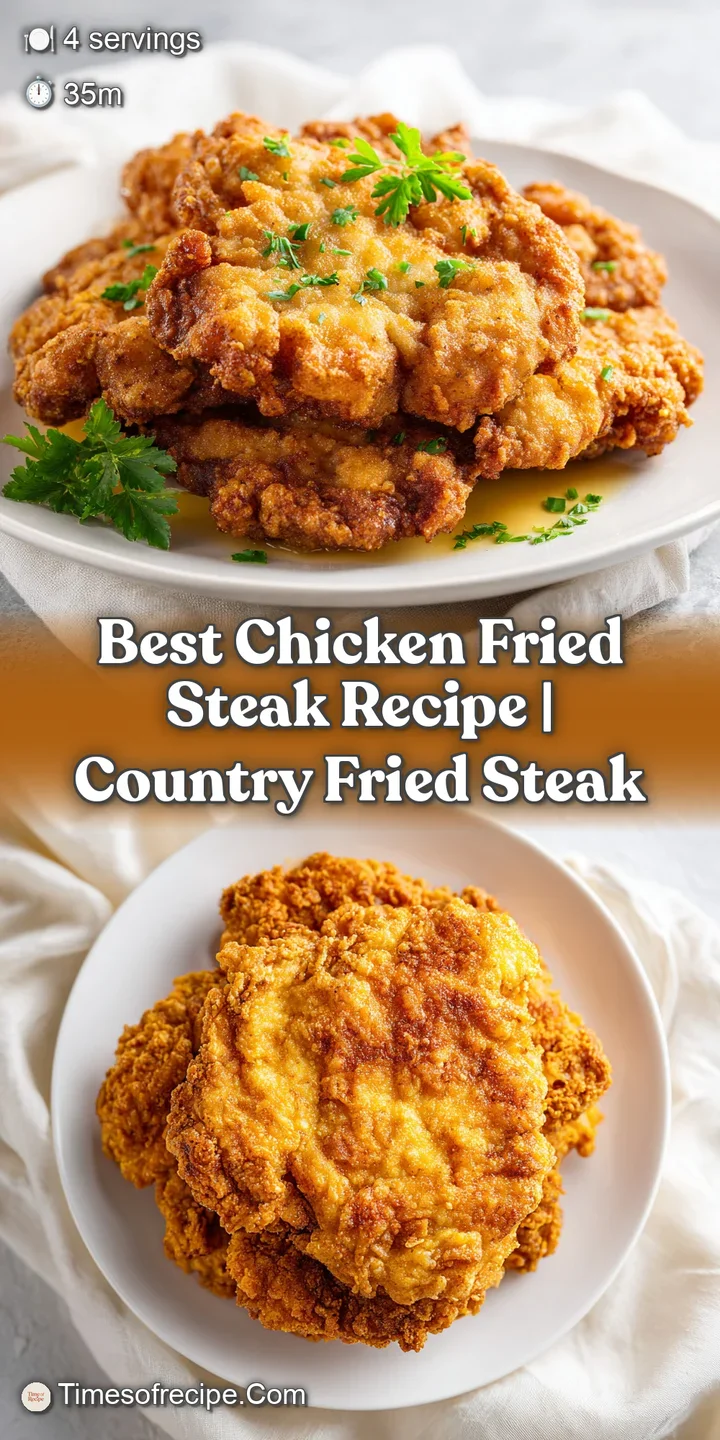
Presentation is everything with a dish this rustic. I love the "half smother" technique. Instead of drowning the entire steak in gravy, pour a thick ribbon of it across the center. This allows the diner to see the beautiful mahogany crust you worked so hard on while still getting plenty of sauce in every bite.
Sprinkle a little fresh parsley or an extra crack of black pepper over the top for a pop of color that cuts through the beige tones of the dish.
Classic pairings are non negotiable here. A massive scoop of garlic mashed potatoes and some buttery green beans or collard greens provide the perfect textural balance. The potatoes act as a second vehicle for that peppery gravy, and the acidity of vinegar splashed greens cuts through the fat of the fry.
Serve it on a warm plate there’s nothing worse than hot gravy hitting a cold dish and seizing up. This is hearty, bold comfort food at its finest, meant to be shared with people you love.
- For a spicier kick
- Add 1 tsp of dry mustard to the flour and double the hot sauce in the binder.
- For a lighter crust
- Use 50% cornstarch and 50% flour, and skip the double dredge.
- For a richer gravy
- Use half and half instead of milk and add a dash of Worcestershire sauce.
CRITICAL: Very High in Sodium
1245 mg 1245 mg of sodium per serving (54% 54% of daily value)
The American Heart Association recommends a limit of about 2,300mg per day, with an ideal limit of 1,500mg for most adults.
Tips to Reduce Sodium
-
Eliminate Kosher Salt-25%
The recipe calls for 2 tsp Kosher Salt. Completely removing it will significantly reduce sodium. You can rely on other seasonings for flavor.
-
Reduce Hot Sauce-5%
Hot sauce can be a hidden source of sodium. Reduce the amount of 1 tbsp Hot Sauce to 1 tsp, or opt for a low-sodium version if available.
-
Amplify Herbs and Spices
Boost the flavor without salt by increasing the amounts of black pepper, smoked paprika, garlic powder, onion powder, and cayenne pepper. These offer great taste and no sodium.
-
Use Unsalted Liquids
Ensure the whole milk and heavy cream used for the gravy are unsalted. If using any broth in the future, always choose a low-sodium or no-salt added variety.
Recipe FAQs
What is the best breading for chicken fried steak?
Use a blend of all-purpose flour and cornstarch. This combination ensures the crust stays exceptionally crispy and mahogany brown, rather than turning soft or soggy during frying.
What steak makes the best chicken fried steak?
Cube steak is the gold standard for this dish. It is pre-tenderized, which allows the meat to cook through in the brief 3 4 minutes per side required for the crust to reach the perfect color.
How do you keep batter from falling off chicken fried steak?
Place breaded steaks on a wire rack to rest for 10 minutes before frying. This "glue" phase allows the flour and buttermilk to hydrate and bond with the meat, preventing the coating from separating in the oil.
Should you marinate chicken fried steak?
No, marinating is unnecessary for this cut of meat. Instead, rely on the buttermilk, eggs, and hot sauce in your second dredging bowl to tenderize the surface while adding flavor during the breading process.
Is it true I must use high heat oil to get the crust right?
Yes, this is essential for texture. If you enjoyed mastering this high temperature frying technique, you can apply similar heat control principles when preparing our crispy lemon garlic wings.
How to ensure the gravy is creamy and not lumpy?
Whisk the milk and cream slowly into the flour fat roux. Constant, steady whisking as you incorporate the liquids ensures the starch granules hydrate evenly without forming lumps, resulting in a smooth, rich sauce.
How to prevent the oil temperature from dropping while frying?
Fry only two steaks at a time. Crowding the cast iron skillet causes a massive temperature drop, which prevents the crust from setting properly and forces the meat to absorb too much grease.
Classic Chicken Fried Steak
Ingredients:
Instructions:
Nutrition Facts:
| Calories | 988 kcal |
|---|---|
| Protein | 55.2 g |
| Fat | 48.5 g |
| Carbs | 75.3 g |
| Fiber | 2.8 g |
| Sugar | 9.8 g |
| Sodium | 1245 mg |
