Escargot De Bourgogne: Classic French Garlic Butter Snails
- The Ultimate Bistro Experience: Mastering Classic Escargots de Bourgogne
- Sourcing Your Shells and Snails: Essential Ingredients for Authentic Escargot
- Step-by-Step Method: Preparing and Baking Your Decadent Escargots
- Elevating Your Dish: Professional Tips and Troubleshooting Escargot
- Preparation & Shelf Life: Storing Your Compound Butter and Leftovers
- The French Way: Serving Suggestions and Wine Pairings
- Recipe FAQs
- 📝 Recipe Card
The Ultimate Bistro Experience: Mastering Classic Escargots de Bourgogne
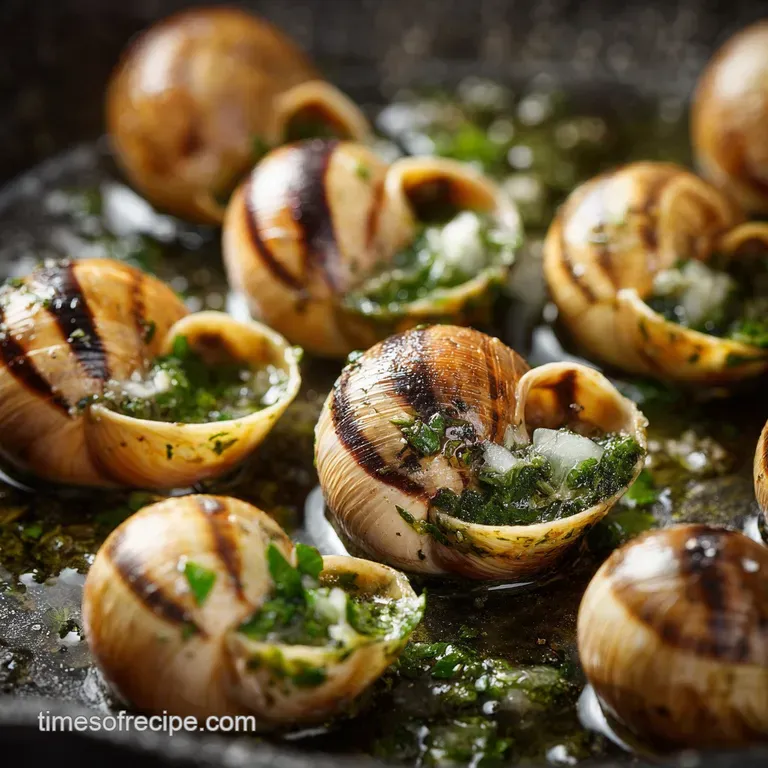
When that dish hits the table, you hear it before you see it. It’s that vigorous, aggressive sizzle of butter, still furious from the oven, carrying the most intoxicating perfume of roasted garlic, fresh parsley, and just a hint of citrus.
You know immediately you’re about to eat something truly indulgent. This isn't just food; it’s theatre, it’s tradition, and it's absolutely one of the best ways to kick off any celebratory meal.
People think Escargots de Bourgogne is a fussy, complicated restaurant dish, but I swear it's mostly assembly. You can buy the snails pre-cooked, jarred, or canned, and the whole show relies on making one perfect thing: killer garlic herb butter.
We are talking less than 15 minutes of prep and a quick 10 minute blast in the oven, making it an incredible, fast appetizer for any weeknight or dinner party.
So, ditch the menu stress and forget that fancy bistro price tag. I’m going to show you exactly how to execute this classic French starter perfectly every single time, complete with the tricks I learned after splitting approximately 40 pounds of butter in my early days.
Let’s get these classic French escargots cooking!
What Exactly Are Escargots de Bourgogne?
This is the gold standard of snail dishes. When you hear Escargot in a French context, they almost always mean Escargots à la bourguignonne , which translates to "snails in the Burgundy style." It involves pre-cooked land snails (specifically the Helix pomatia species, or "Roman snail") slathered in a deeply aromatic, green compound butter ( beurre d’escargots ) and then baked until the butter is molten and bubbling.
The goal isn't really to cook the snail, which is already tender; the goal is to infuse it completely with that rich, garlicky, herby flavor.
A Brief History: From Roman Delicacy to French Starter
Snails have been a delicacy since Roman times; they were actually farmed by the Romans who considered them an absolute treat. The dish we know today, however, truly became associated with the Burgundy region of France famous for its excellent dairy and fantastic wine in the 19th century.
Initially, the preparation was often simpler, but over time, it evolved into the decadent, garlic heavy classic we crave at every good bistro . I love making this dish because it connects you directly to centuries of French culinary history.
Why This Dish Requires a Crusty Baguette
A quick, non-negotiable public service announcement: you must have a baguette. This isn't just about pairing bread with a meal; the entire structure of the dish relies on using thick slices of crusty bread to mop up the molten garlic butter.
Trust me, leaving that golden, herb laced fat in the dish is a crime. It is arguably the best part of the whole operation.
Sourcing Your Shells and Snails: Essential Ingredients for Authentic Escargot
Understanding the Different Types of Snails (Helix Pomatia)
When you buy escargots, you are almost certainly buying snails that are already cooked, cleaned, and preserved in brine or a stock. The best quality are usually the Helix Pomatia , often referred to as the Burgundy snail, because they are larger and have a more robust flavor.
Don’t worry too much about the tiny canned ones; look for larger, whole snails, typically found jarred or vacuum sealed in specialty food stores or online.
Preparing Frozen or Canned Escargot Properly
Whether canned or jarred, the process is the same: they must be thoroughly rinsed. Drain them into a sieve, running cool water over them for a solid minute to wash away any preserving brine or residue. Crucially, you must then pat them bone dry.
Any excess moisture will introduce water into your compound butter during baking, which dilutes the flavor and guarantees a thin, split sauce instead of a rich emulsion.
| Ingredient | Why it's Important | Substitution/Adjustment |
|---|---|---|
| Unsalted Butter | Fat base; flavor carrier. | Use salted butter, but reduce added salt by half. Must be room temp! |
| Shallots | Milder, sweeter onion flavour. | Use 1/4 of a small yellow onion, finely grated, for less intensity. |
| Fresh Parsley | Classic French herb; color. | Use a mix of chives and flat leaf parsley if you’re short on quantity. |
| Garlic | The soul of the dish. | Pre-minced jarred garlic works in a pinch, but use fresh for the best heat release. |
| Dry Vermouth/Brandy | Adds complex depth. | A teaspoon of Worcestershire sauce works surprisingly well for umami, or just skip it. |
Substituting Fresh Herbs: Parsley, Chervil, and Tarragon
I am devoted to fresh flat leaf parsley in this recipe, but that doesn't mean you can't play around. For a more sophisticated, anise forward flavor profile, try swapping half of the parsley for fresh tarragon.
Chervil is another classic French choice that adds a subtle, delicate flavour often described as being like mild licorice. Just remember: dried herbs are a huge mistake here. The dish relies entirely on that vibrant green, fresh burst of flavor.
step-by-step Method: Preparing and Baking Your Decadent Escargots
Step 1: Whipping the Garlic Parsley Compound Butter Base
This is where we build the magic. Start with genuinely soft, room temperature butter —don't try to cheat this by microwaving it; it should be soft enough to easily indent with your thumb.
In a medium bowl, combine the butter with the ridiculously fine mince of shallots, the mountain of parsley, the mashed garlic, a hit of pepper, and the salt. If you’re adding that splash of brandy, now is the time.
Chef's Note: When tasting the raw compound butter, it should taste almost aggressively seasoned a little too salty, and very garlicky. The heat of the oven mellows these flavors significantly, creating the perfect balance once baked.
Step 2: Filling the Shells and Preparing the Escargot Dish
Once your butter is mixed, roll it tightly into a log using parchment paper and chill it for at least 30 minutes. This is crucial for structure. When ready to assemble, pull the dry snails and the chilled butter log out. Slice the butter into thick rounds, or just scoop it out.
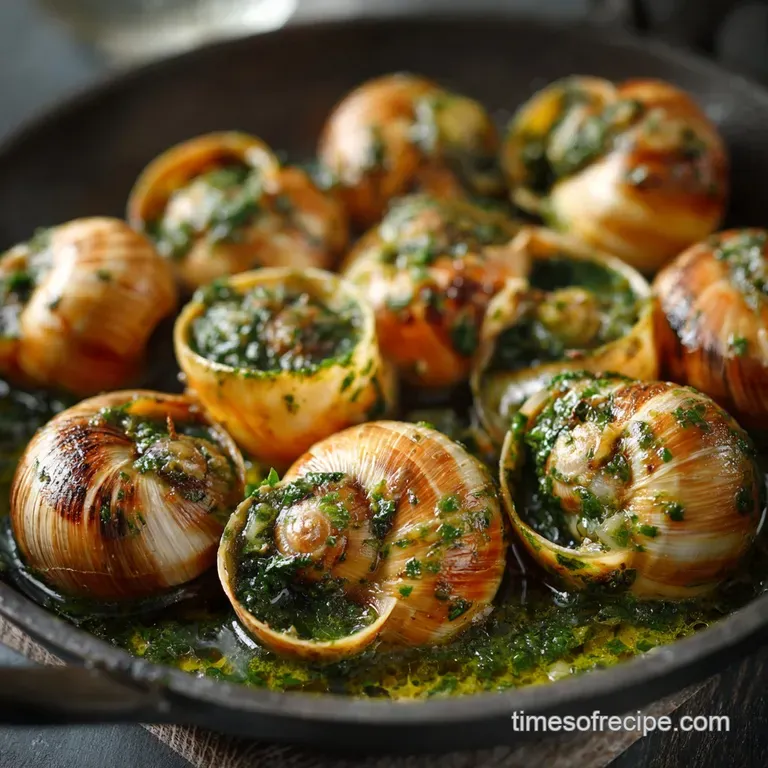
Place a small amount of butter into the empty escargot shell or the indentation of your specialized dish. Push the snail firmly on top of that base layer, and then top it off with a large dollop of butter. You want the snail completely encased.
Step 3: Oven Temperature and Optimal Baking Time
Preheat that oven to a blistering 425°F (220° C) . We are not slow roasting here; we are providing a quick, powerful blast of heat. You are looking to melt the butter quickly, allowing the aromatics to infuse the fat without letting the butter break or separate completely.
Bake the escargots for exactly 10 to 12 minutes. They are done when the butter is aggressively bubbling, filling your kitchen with that glorious smell, and starting to brown just on the very edges.
Quick Guide: Making Escargot Without Specialty Shells
Don't have the traditional ceramic dish with indentations or snail shells? No worries! You can use small, oven safe ceramic ramekins (4 inch size works well). Just place 5 or 6 butter covered escargots into each ramekin and bake as directed.
Alternatively, individual oven safe soup spoons laid out on a baking sheet also make a super stylish, modern presentation. It’s brilliant.
Elevating Your Dish: Professional Tips and Troubleshooting Escargot
Common Mistake: Avoiding Leaky Shells During Baking
The number one disaster I used to face was butter leaking everywhere, leaving me with dry snails and a messy baking sheet. The fix is threefold: 1) Always chill your compound butter first. Using soft butter to fill the shells guarantees leakage. 2) Ensure the snail is completely dry.
Moisture encourages the butter to break down. 3) Seal the opening completely with butter. Think of the top layer of butter as a cap holding all the good stuff in.
Ensuring the Garlic Butter Doesn't Split or Separate
Garlic butter splitting happens when the fat (butter) is heated too quickly and separates from the milk solids and aromatics. Using room temperature butter during mixing helps prevent this.
Also, don't try to bake them at a low temperature for a long time; the quick, high heat we use melts and infuses before the butter has time to truly break down. If you do notice separation during mixing, add a tiny splash of cold water or dry vermouth while stirring vigorously to help emulsify it slightly.
The Secret to Perfectly Crisp Garlic Butter Crust
If you want that perfect, slightly crisp texture on top, here's a secret. Right before baking, sprinkle a tiny pinch of panko breadcrumbs or very finely grated Parmesan cheese (or both!) over the top of the butter.
This provides texture and encourages a beautiful, golden brown crust, especially if you finish the dish under the broiler for 30 seconds (watch it like a hawk!).
Preparation & Shelf Life: Storing Your Compound Butter and Leftovers
Can You Make the Butter Ahead of Time?
Absolutely! This is the greatest time saver. You can make the beurre d’escargots one week ahead of time. Keep the butter tightly wrapped in its log shape in the fridge.
When you are ready to use it, let it sit out for about 15 minutes just so it's pliable enough to slice or scoop without crumbling.
Proper Freezing Techniques for Assembled Escargot
Want to make a huge batch? You bet you can freeze them. Assemble the escargots (with or without shells) completely, sealing the snails in the butter within the dish or ramekin. Place the entire dish, uncovered, into the freezer until solid. Once frozen, wrap the dish tightly in plastic wrap and then foil.
They will keep for up to three months. To cook, simply unwrap and bake directly from frozen, adding about 5 to 8 minutes to the baking time until the butter is furiously bubbling.
Utensils Required: Tongs and Specialty Forks
When you serve escargots de bourgogne in the shells, the traditional way requires specific tools. You need escargot tongs, which look like fancy pliers, to hold the hot, slippery shell steady.
Then, you use a tiny, two-pronged escargot fork to gently coax the snail out, dragging it through the molten butter before eating. If you use ramekins or an indentation dish, a small appetizer fork is all you need the bread does the heavy lifting!
The French Way: Serving Suggestions and Wine Pairings
Since this dish is so rich and buttery, you need something acidic and refreshing alongside it. A simple side salad ( Salade Verte ) tossed in a sharp vinaigrette made with Dijon and white wine vinegar works wonders to cut through the fat. For wine, stick to the classics: a clean, unoaked white.
Think a dry Muscadet, a high acid Sancerre, or a crisp Chablis. They cleanse the palate beautifully, setting you up for the next bite of glorious garlic herb snails.
Recipe FAQs
Where can I purchase culinary escargots, and do they require special preparation?
Culinary escargots are typically found canned or jarred in brine, usually located near imported specialty foods or high end seafood sections of the market. If you are using canned snails, it is crucial to drain them thoroughly and rinse them well under cold water to eliminate any metallic residue or excess salt from the brine before mixing them with the butter.
My garlic butter separated and turned oily during baking. What did I do wrong?
Butter separation often occurs when the oven temperature is too low, causing the butter to melt slowly rather than quickly emulsifying the herbs and liquids as it heats. Ensure your oven is fully preheated to the specified high temperature (usually 425°F or higher), and place the buttered snails close to the top rack for rapid, high intensity cooking.
If separation occurs, the flavor remains delicious, but the texture is less creamy.
Can I prepare the escargots or the garlic butter ahead of time?
Yes, the garlic herb butter is excellent for meal prep and can be made up to one week in advance, stored tightly wrapped in the refrigerator. You can also assemble the snails completely in their dishes up to 12 hours before serving; keep them covered and chilled, remembering to add 3-5 minutes to the suggested baking time if cooking from cold.
Do I need specialized escargot dishes and tongs to serve this dish properly?
While specialized snail dishes (escargot plates) prevent the glorious butter from running out and keep the shells upright, they are not mandatory; small oven safe ramekins or even a sturdy muffin tin work perfectly.
Snail tongs and forks are traditional tools for retrieving the piping hot shells, but a regular small seafood fork or cocktail fork can easily suffice if serving in individual ramekins.
I don't have fresh parsley. Can I use dried herbs instead?
Fresh herbs are essential for the bright, vibrant flavor profile of true Escargots de Bourgogne, but you can substitute dried parsley in a pinch, using only about one-third of the fresh volume required.
For a necessary aromatic lift, supplement the dried herbs with another fresh component, such as finely minced chives or a squeeze of fresh lemon juice added just before baking.
How can I add a touch of extra richness or luxury to the compound butter?
To deepen the flavor profile, incorporate a small amount of finely grated Parmesan or aged Gruyère cheese (about a tablespoon) into the butter mixture before combining with the snails.
Alternatively, drizzle a few drops of high-quality dry sherry or Cognac over the snails before stuffing them; this addition adds a wonderful, complex steam during baking.
What is a good vegetarian substitution if I cannot source escargots?
The buttery preparation is remarkably versatile and works beautifully with other small ingredients that can hold the rich sauce. Tiny whole cremini or button mushroom caps make an excellent, earthy vegetarian replacement that fits well into the shells or ramekins.
Alternatively, consider using artichoke hearts, which provide a pleasing, slightly acidic counterpoint to the rich garlic butter.
Classic Garlic Butter Escargot Snails
Ingredients:
Instructions:
Nutrition Facts:
| Calories | 400 calories |
|---|---|
| Fat | 36 g |
| Fiber | 1 g |
