Sausage Balls: the Classic Cheesy Bite
- The Ultimate Appetizer: Why These Cheesy Sausage Bites Shine
- The Science of Perfect Sausage Balls: Achieving Tenderness and Flavour
- Essential Components for the Classic Sausage Ball Mixture
- Shaping and Baking: Your Comprehensive Guide to Preparation
- Troubleshooting and Expert Tips for Flawless Results
- Make-Ahead Mastery: Freezing and Storing Your Batch
- Perfect Pairings: Dipping Sauces and Serving Suggestions
- Recipe FAQs
- 📝 Recipe Card
The Ultimate Appetizer: Why These Cheesy Sausage Bites Shine
There is nothing quite like the smell of baking pork sausage and sharp cheddar wafting through the house on a chilly Saturday morning. That robust, savoury aroma is the culinary equivalent of a warm hug, signaling that a batch of truly excellent Sausage Balls is just minutes away from hitting the serving platter.
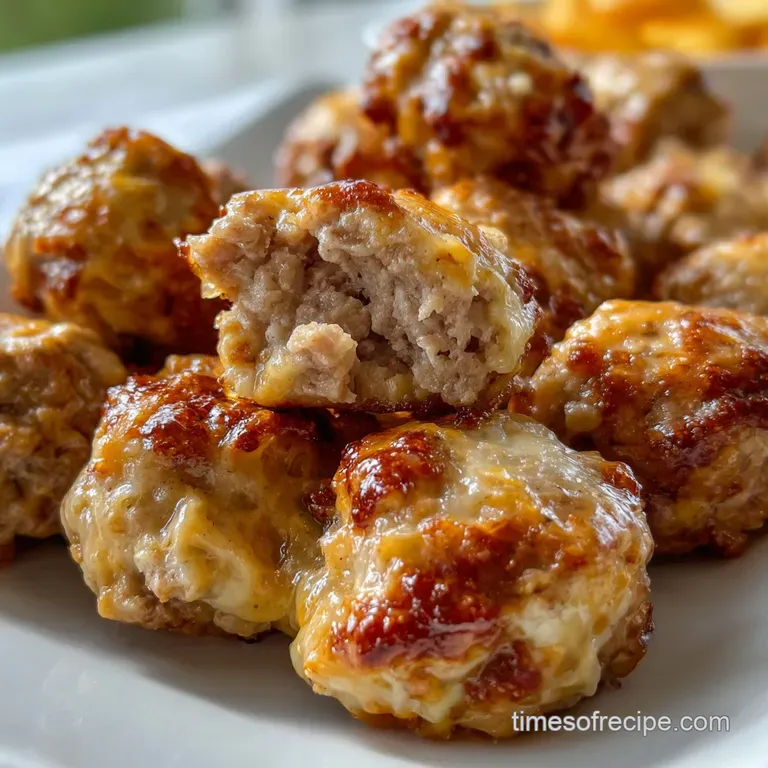
They come out golden, impossibly cheesy, and just dense enough to satisfy that deep craving for comfort food. These glorious little spheres are proof that the simplest ingredients often create the most satisfying results, especially when feeding a hungry crowd.
I swear by this recipe because it’s a total lifesaver for busy people who still want to look like domestic gods or goddesses. They are fast, ridiculously cheap to make in bulk, and require absolutely zero complicated technique.
Whether you’re throwing a last minute brunch, stocking your freezer for future busy weeks, or need the perfect game day snack, classic Sausage Balls perform flawlessly every single time.
It’s the ultimate grab and go nourishment, requiring only one hand, which is crucial when you’re holding a coffee or waving wildly at the telly.
Forget those dry, cardboard versions you might have suffered through at lackluster office parties years ago. This isn't that. We're talking tender, moist, and deeply flavourful Sausage Balls that disappear faster than you can say, "Pass the honey mustard." Trust me, once you master this basic blueprint and understand the few key tricks involved, you’ll never buy the pre-made stuff again.
Let’s get cracking on the easiest, most requested recipe on my blog.
The Science of Perfect Sausage Balls: Achieving Tenderness and Flavour
From Breakfast Staple to Party MVP
I genuinely love how unassuming these Sausage Balls are. They started life, at least in the American sense, as a simple breakfast item, using just three basic components: sausage, cheese, and a baking mix.
But their portability and punchy flavour profile mean they easily transition into the MVP of any party spread. The magic lies in the high fat content of the pork sausage melding with the creamy, sharp cheddar as they bake. This process essentially bastes the baking mix from the inside out.
What Makes Them British Inspired? (The Rich Pork and Cheddar Combo)
While the three ingredient recipe is uniquely American, my version leans heavily into British flavour pairings specifically, using robust, slightly fatty pork sausage and a sharp, mature Cheddar cheese. This flavour pairing is foundational to so many delicious savory pies and pastries across the pond.
We are amplifying that savoury depth with a hint of smoked paprika and garlic powder. It elevates the classic flavor profile without making the Sausage Balls fussy or complicated.
Quick Prep, Effortless Hosting
The true genius of this recipe is the speed. Fifteen minutes of active prep, tops, and then the oven does the rest of the heavy lifting. If you use a cookie scoop for shaping, you can whip out dozens of perfectly uniform Sausage Balls without breaking a sweat.
This makes them the ideal choice for large gatherings where you need bulk output without the labour of individual plating or intricate assembly. This easy Sausage Balls technique is the key to stress free hosting.
The Essential Binder: How Cheddar Creates Structure
The shredded cheese does double duty here. First, it adds that crucial sharp flavour and irresistible cheesy melt. Second, and this is the science bit, the fat in the cheese and the fat in the sausage are what coat the dry baking mix.
This coating prevents the flour’s gluten from developing too much, keeping the resulting Sausage Balls tender and moist. The sheer volume of cheese we use ensures that every bite is gooey inside while holding its spherical shape perfectly.
Balancing the Fat: Selecting the Right Raw Pork Sausage
You must use raw, bulk pork sausage the kind intended for breakfast patties or links. Do not, under any circumstances, use pre-cooked sausage or sausage removed from casings that has been overly drained. We need that delicious rendered fat to provide the moisture and the rich, characteristic flavour.
I usually opt for a mild pork sausage, but if you like a kick, the hot variety works just as well to make zesty Sausage Balls . Remember, if the sausage is too lean, the final product will be dry.
Avoiding the Dreaded Dry Texture
Many people complain their homemade Sausage Balls turn out dry. Nine times out of ten, this is caused by two things: either they used a lean sausage or they overbaked them. We solve the lean sausage problem by choosing full fat bulk pork.
We solve the baking issue by watching for the golden brown exterior and testing the internal temperature, not just waiting until the full time has elapsed. If you see the cheese aggressively bubbling out and the edges looking dark, pull them immediately.
Essential Components for the Classic Sausage Ball Mixture
Getting the ingredients right is 80% of the battle when making superb Sausage Balls . Here’s the lineup and why each part is non-negotiable (or, at least, thoughtfully substitutable).
Choosing Your Sausage: Mild vs. Hot Pork Options
I always start with one pound of bulk pork sausage. I am firmly in the "Mild Sausage" camp because I prefer to control the spice level with additions like smoked paprika. However, if you are a heat fiend, go for the Hot option.
Just remember, the final Sausage Balls will taste even spicier once they cool down, so measure your cayenne carefully if you add extra.
The Best Baking Mix for Fluffy Results
The classic ingredient here is, of course, Bisquick. It’s pre-mixed with leavening agents and a little fat, which guarantees a consistent, slightly fluffy texture. If you are baking gluten-free, look for a reputable gluten-free biscuit mix, or use the homemade flour substitute trick mentioned in the notes.
The key is that it must contain some form of leavening (baking powder) to keep the Sausage Balls from turning into heavy hockey pucks. That's how we get fluffy Bisquick Sausage Balls .
Grate Expectations: Why Freshly Shredded Cheddar Matters
Please, I beg you, skip the pre-shredded cheese. I know it saves two minutes, but the anti caking agents they dust those shreds with inhibit melting and binding. You want the sharp, freshly grated Cheddar to melt and become one with the pork mixture. This is how you achieve that cohesive, fudgy texture.
This simple step makes all the difference in achieving truly excellent Sausage Balls .
Expert Swaps for Customizing the Flavour Base
| Ingredient | My Preferred Swap | Why it Works |
|---|---|---|
| Pork Sausage | Ground Turkey or Chicken Sausage | Lighter protein; may need 1 tbsp added fat (butter) for moisture. |
| Baking Mix | Homemade Flour/Leavening Blend | Good for allergy control or when you run out; ensures proper fluffiness. |
| Sharp Cheddar | Gruyère or Mature Gouda | Provides a deeper, nuttier, more complex flavour profile. |
| Cheddar (Optional) | Full Fat Cream Cheese | Using cream cheese helps bind the mixture and adds a lovely tang (for Sausage Balls with Cream Cheese ). |
Shaping and Baking: Your Comprehensive Guide to Preparation
Prepping the Oven and Pan Setup
You must preheat your oven to 375°F (190°C) and, importantly, line your baking sheet with parchment paper. Don't skip the lining! Trust me, these things are greasy, and cleaning rendered cheese off a raw metal sheet is nobody’s idea of a good time.
A silicone mat is even better if you have one kicking around.
Creating the Homogenous Sausage Cheese Dough
The goal here is thoroughness, not brute force. In a large bowl, combine the baking mix, spices, and cheese first. Then, add the cold pork sausage. Using your hands is the most efficient way to mix, gently squeezing and folding the ingredients until a uniform "dough" forms.
Stop mixing the second you don't see any dry flour streaks.
Chef's Note: If your mixture feels crumbly and won't hold its shape when you pinch it, drizzle in a tablespoon or two of whole milk or buttermilk. This happens sometimes if your pork sausage is slightly leaner than average, and the milk adds just enough liquid to activate the flour and help the binding process for these Sausage Balls . If you are skipping the baking mix and making Sausage Balls without Bisquick , you might need slightly more liquid.
The Secret to Uniform Ball Size
Baking evenly is crucial for successful Sausage Balls . If some are huge and some are tiny, the small ones will burn before the large ones are cooked through. Use a small cookie scoop (about 1.5 tablespoons capacity) to ensure every portion is identical.
Roll them quickly between your palms just to smooth them out and place them on the lined sheet, spaced about an inch apart.
Achieving the Golden Brown Finish
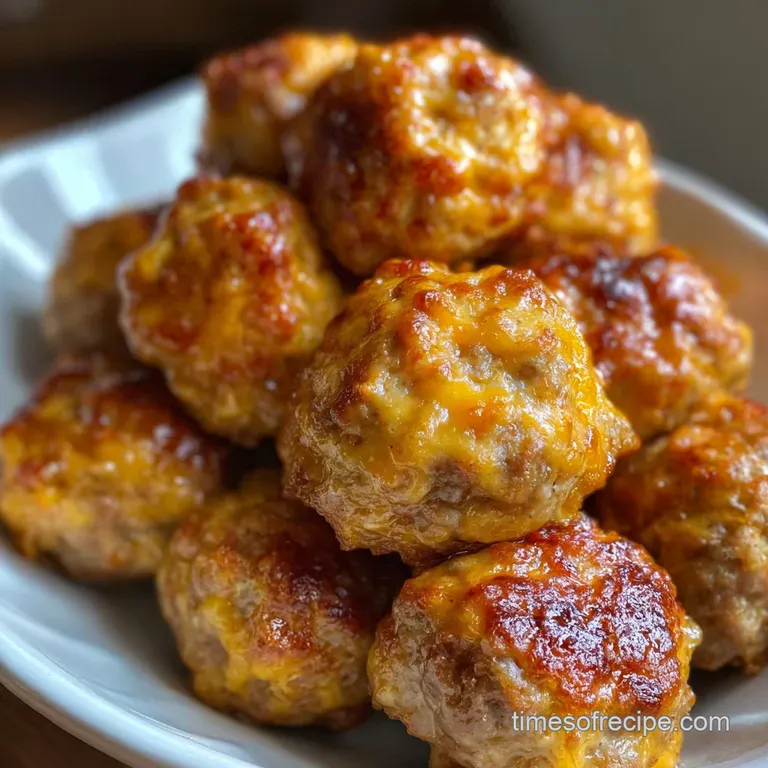
Bake these at 375°F for 20 to 25 minutes. You are looking for a deep golden brown exterior. The cheese might bubble a little, and the house will smell amazing.
The only way to truly confirm doneness is with an instant read thermometer; the internal temperature of the pork should register 165°F (74°C). If you pull them too soon, they will taste doughy and raw inside, which is a tragedy we want to avoid with these perfect Sausage Balls .
Troubleshooting and Expert Tips for Flawless Results
We all mess up sometimes; I once tried to use reduced fat cheese thinking I was being clever. Spoiler alert: the resulting Sausage Balls were rubbery and flavourless. Learn from my mistakes! Always use full fat ingredients for the best results.
Why Overmixing is the Enemy of Tender Morsels
Overmixing any dough containing flour activates too much gluten, resulting in a tough, chewy texture. We want these to be tender little nuggets, not jaw workout equipment. Mix only until the ingredients are just combined literally, the moment the dry baking mix disappears.
This gentle approach is key to moist, delicate Sausage Balls .
Fixing a Mixture That Is Too Dry or Too Sticky
If your mixture is too dry, it won't hold a ball shape, instead crumbling apart. This is where the milk addition comes in handy. Add it slowly, one tablespoon at a time, until the mixture holds together when pressed.
Conversely, if your mixture is too sticky (often due to handling it too much and melting the fat), pop the entire bowl in the refrigerator for 15 minutes. Chilling the fat down will make rolling much easier and improve the texture of your final Sausage Balls .
make-ahead Mastery: Freezing and Storing Your Batch
How to Freeze Unbaked Balls (The Flash Freeze Method)
This is my favourite trick for effortless entertaining: prep them all ahead of time. Shape the raw Sausage Balls and place them close together (but not touching) on a parchment lined tray. Put the whole tray in the freezer for about two hours until the balls are completely solid.
Once frozen, transfer them to a heavy duty freezer bag or airtight container. They keep beautifully for up to three months. When you are ready to bake these frozen Sausage Balls , place them straight on the baking sheet no need to thaw!
Just add about 5– 10 minutes to the original bake time.
Reheating Previously Baked Sausage Bites
If you’ve already baked a batch and want to reheat them, the oven is your best friend. Preheat your oven to 300°F (150°C). Place the Sausage Balls on a baking sheet and heat for about 10 to 15 minutes, or until warmed through.
The low temperature prevents the exterior from burning while allowing the interior to heat up evenly. The air fryer also works wonders here; try 350°F (175°C) for about 5 minutes for perfect reheating of your tasty sausage appetizers.
Safe Refrigeration Guidelines for Cooked Product
Cooked Sausage Balls will last safely in an airtight container in the refrigerator for up to 4 days. They are fantastic cold, straight from the fridge, but they lose a bit of their tenderness. For the best flavour and texture, always plan to reheat them slightly before serving.
Perfect Pairings: Dipping Sauces and Serving Suggestions
Our Favourite Homemade Dipping Sauces
You can serve these plain, but a great sauce just sends these easy Sausage Balls over the moon. The saltiness and richness of the pork and cheese love a sweet or tangy counterpoint. The perfect dipping sauce elevates the whole experience of eating these popular sausage appetizers.
- Sweet Heat Honey Mustard: Mix equal parts good quality Dijon mustard, honey, and a splash of cider vinegar, then whisk in a few dashes of hot sauce. This is a non-negotiable classic pairing for all Sausage Balls .
- Tangy Marmalade Dip: Whisk 1/2 cup of apricot or orange marmalade with 1 tablespoon of apple cider vinegar and a pinch of red pepper flakes. This sweet savoury pairing is incredible for breakfast Sausage Balls .
- Simple Ranch: Buy the good stuff or make your own from scratch. A cool, creamy ranch balances the rich pork perfectly, especially for those who made spicy Sausage Balls with Cream Cheese instead of just cheddar.
Creating a Full Brunch or Appetizer Platter
These bites are substantial, so when building a platter, focus on fresh, light complements. Serve them alongside a colourful fruit salad, a bowl of crisp cherry tomatoes, or perhaps a small dish of pickled jalapeños for an extra crunch and kick.
For a brunch spread, pair the Bisquick Sausage Balls with a light egg scramble or maybe a simple yogurt parfait. The beauty of these classic Sausage Balls is their versatility; they fit in everywhere, making them the ultimate easy Sausage Balls for parties.
If you’re curious about alternatives, you can even make Air Fryer Sausage Balls using this same mixture; just reduce the cook time slightly and check them often.
Best Beverages to Serve Alongside
Because these are rich and fatty, you want something sharp to cut through that flavour profile. For the morning crowd, strong black coffee, robust tea, or even a glass of sparkling lemonade is excellent.
If you’re serving them as appetizers, a chilled, dry Prosecco or a crisp pilsner will work wonders to refresh the palate between bites of these satisfying Sausage Balls . Seriously, try the Prosecco it’s unexpectedly brilliant with the sharp Cheddar.
These truly are the best kind of party food because they are so reliable and delicious. When you need a trustworthy, flavour packed recipe, this classic Sausage Balls recipe is the one you’ll come back to again and again. Happy cooking, friend!

Recipe FAQs
Can I freeze sausage balls, and if so, cooked or uncooked?
Yes, sausage balls freeze excellently in both states. To freeze uncooked, flash freeze the rolled balls on a baking sheet until solid, then transfer them to an airtight container or freezer bag for up to three months. Baked balls can be frozen and reheated in a 350°F (175°C) oven until warmed through.
Why did my sausage balls turn out dry and crumbly?
Dryness is usually caused by overbaking or using too much baking mix relative to the fat and moisture content of the sausage and cheese. Always bake only until they are lightly golden brown, and ensure you use a full fat sausage and cheese combination as the fat renders out and keeps the inside moist.
I don't eat pork. Can I use a different type of sausage?
Absolutely; ground turkey or chicken sausage are suitable substitutes, but be aware that they are typically much leaner than pork. If using lean meat, we highly recommend adding 2 to 3 ounces of softened cream cheese to the mixture to compensate for the lack of fat and maintain moisture.
Can I prepare the mixture ahead of time and bake them later?
Yes, the unbaked sausage ball mixture can be prepared, rolled, and stored tightly covered in the refrigerator for up to 24 hours before baking. If the mixture is too cold and stiff when you are ready to bake, let it warm up on the counter for 10-15 minutes to allow for even cooking.
What are the best substitutions for sharp Cheddar cheese?
For a similar sharp flavour and excellent melt, try Gruyère or aged Parmesan mixed with Monterey Jack. Alternatively, for a bit of heat, pepper jack cheese works wonderfully. Always use block cheese that you shred yourself, as pre-shredded varieties contain anti caking agents that can interfere with the texture.
What dipping sauces pair well with these sausage balls?
For a brunch setting, a tangy honey mustard or sweet maple syrup are excellent classics. If serving them as an appetizer, try a spicy pepper jelly, a creamy ranch dressing, or a smooth marinara for a robust flavour pairing.
How do I adjust the recipe if I want to make large party sized meatballs instead of small balls?
You can certainly make larger, golf ball sized portions, but you must significantly adjust the baking time. Increase the cooking time by about 10 to 15 minutes, ensuring the internal temperature reaches a safe 165°F (74°C).
The larger size will also require a slightly lower oven temperature to prevent the outside from burning before the center cooks.
Classic Sausage Balls Recipe
Ingredients:
Instructions:
Nutrition Facts:
| Calories | 100 kcal |
|---|---|
| Fat | 7.5 g |
| Fiber | 0.5 g |
