Texas Roadhouse Rolls Recipe Copycat: Pillowy and Buttery
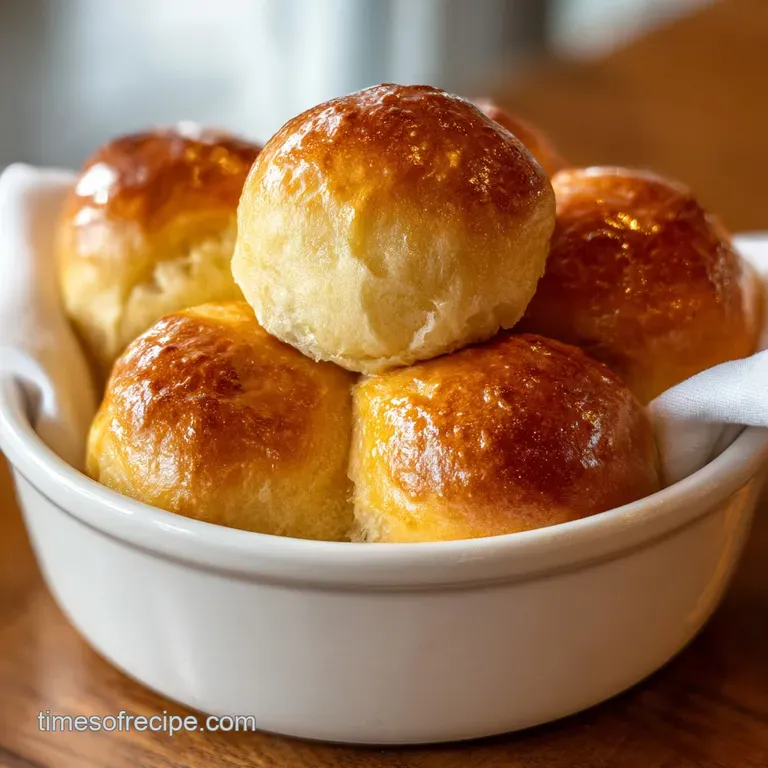
- Time: Active 25 minutes, Passive 52 minutes, Total 1 hours 17 mins
- Flavor/Texture Hook: Pillowy, buttery, and subtly sweet
- Perfect for: Family Sunday dinners and holiday feasts
- Essential Recipe Specs For Fluffy Results
- The Building Blocks Of Pillowy Bread
- Necessary Tools For Perfect Proofing
- Steps To Achieve Bakery Quality
- Success Strategies For Yeast Dough
- Scaling For Large Family Gatherings
- Debunking Bread Making Myths
- Keeping Your Rolls Fresh Longer
- Perfect Complements For Your Meal
- Recipe FAQs
- 📝 Recipe Card
You know that specific, intoxicating scent that hits you the second you walk through those heavy wooden doors? It’s not just the steak; it’s the yeast, the honey, and that warm, sweet butter.
The first time I tried to make these at home, I ended up with rolls that were more like dense biscuits heavy, sad, and definitely not "roadhouse" quality. I realized I was rushing the yeast and using the wrong flour.
Since then, I’ve spent way too many Saturday afternoons hovering over a stand mixer, testing hydration levels until I found the sweet spot. We've all been there, staring at a bowl of dough that won't rise, wondering where it went wrong.
But once you pull a tray of these out and see that golden, shimmering crust, you’ll realize why we don't settle for store-bought. It’s hearty, it's comforting, and it's exactly what your family deserves.
The Physics of the Proof
The secret lies in the carbon dioxide bubbles trapped by the strong gluten network of the bread flour. By scalding the milk first, we break down whey proteins that would otherwise weaken the dough, allowing for a higher, more stable rise.
- Enzymatic Breakdown: Scalding milk at 180°F denatures proteins that interfere with yeast growth.
- Gluten Strength: Using bread flour instead of all purpose provides the protein needed to hold large air pockets.
- Honey Fermentation: The natural sugars in honey provide immediate fuel for the yeast, accelerating the first bloom.
- Fat Distribution: Incorporating melted butter late in the mixing process coats gluten strands for a velvety, tender crumb.
Classic Yeast vs. Rapid Method
| Method | Rise Time | Texture | Flavor Depth |
|---|---|---|---|
| Classic Yeast | 60+ minutes | Airy and pillowy | Rich, fermented sweetness |
| Rapid Rise | 30 minutes | Denser crumb | Mild, flour forward |
| No Rise Soda | 0 minutes | Cake like/Crumbly | Tangy and heavy |
While the rapid method saves time, the classic yeast approach is what gives this texas roadhouse rolls recipe copycat that signature "pull apart" texture we all crave. If you love the aroma of baking bread but want something sweeter for breakfast, my Cinnamon Rolls recipe uses a similar logic for that soft crumb.
Essential Recipe Specs For Fluffy Results
Before we get our hands floury, let's look at what's actually happening inside that mixing bowl. Understanding the components helps you troubleshoot on the fly.
| Component | Science Role | Pro Secret |
|---|---|---|
| Bread Flour | Structural Integrity | Weigh it! Scooping with a cup packs the flour and makes rolls dry. |
| Whole Milk | Tenderness and Color | The fats in whole milk create a softer "velvety" interior. |
| Honey | Hygroscopic Moisture | Honey keeps the rolls moist for days longer than white sugar. |
Getting the temperature of your liquid right is the difference between a soaring success and a flat failure. Use a digital thermometer; if your water or milk is over 115°F, you'll kill the yeast instantly.
The Building Blocks Of Pillowy Bread
To get that authentic flavor, we aren't just making bread; we're building layers of fat and sugar. Here is what you'll need for the dough and that addictive butter spread.
- 1/4 cup warm water (105°F-110°F) Why this? Awakens the yeast gently.
- 1 package active dry yeast (7g) Why this? Provides the lift.
- 1 tsp granulated sugar Why this? Kickstarts the yeast bloom.
- 1 cup whole milk, scalded and cooled to 110°F
- 1/3 cup salted butter, melted and cooled
- 1/4 cup honey
- 1 large egg, room temperature Why this? Adds richness and color.
- 4.25 cups bread flour
- 1 tsp fine sea salt
- 1/2 cup unsalted butter, softened (for honey butter)
- 3 tbsp honey (for honey butter)
- 2 tbsp powdered sugar (for honey butter)
- 1 tsp ground cinnamon (for honey butter)
Substitution Table:
| Original Ingredient | Substitute | Why It Works |
|---|---|---|
| Bread Flour | All Purpose Flour | Lower protein means rolls will be slightly softer and less chewy. |
| Whole Milk | Unsweetened Soy Milk | High protein content mimics dairy well for a vegan adjacent base. |
| Salted Butter | Unsalted Butter + 1/4 tsp salt | Gives you total control over the sodium levels in the dough. |
Note that if you use all purpose flour, the dough might feel stickier because it doesn't absorb quite as much liquid as bread flour. Don't be tempted to dump in extra flour right away give it time to hydrate!
Necessary Tools For Perfect Proofing
You don't need a professional bakery, but a few specific items make this texas roadhouse rolls recipe copycat much easier to handle.
- Stand Mixer: Such as a KitchenAid with a dough hook. It saves your arms from 10 minutes of intense kneading.
- Small Saucepan: For scalding the milk.
- Digital Thermometer: To ensure your liquids won't murder your yeast.
- Rolling Pin: For getting that even thickness before cutting.
- Rectangular Cutter: Or a sharp pizza wheel to get those iconic square shapes.
- Pastry Brush: For that final, glistening butter wash.
Chef Tip: Freeze your honey for 10 minutes before measuring. It will slide right out of the measuring cup without sticking to the sides!
Steps To Achieve Bakery Quality
Let's get to the fun part. Follow these steps closely, especially the cues for what the dough should look like.
- Bloom the yeast. Combine 1/4 cup warm water, yeast, and 1 tsp sugar in your mixer bowl. Let it sit for 5 minutes until it looks foamy and smells earthy.
- Scald the milk. Heat 1 cup milk in a pan until small bubbles form at the edges, then cool it to 110°F. Note: This step is vital for a soft crumb.
- Mix wet ingredients. Add the cooled milk, 1/3 cup melted butter, 1/4 cup honey, and the egg to the yeast mixture. Whisk until combined.
- Add the flour. Incorporate 4.25 cups bread flour and 1 tsp salt. Mix on low until a shaggy dough forms.
- Knead the dough. Using the dough hook, knead for 5-7 minutes. The dough should be smooth and tackiness should barely remain on your finger.
- First proof. Place in a greased bowl, cover, and let rise in a warm spot for 45 minutes until doubled in size.
- Shape the rolls. Punch down the dough. Roll it out on a floured surface to 1 inch thickness. Cut into 24 squares.
- Second proof. Place squares on a baking sheet. Cover and let rise for 30 minutes until they look puffy and light.
- Bake the rolls. Bake at 350°F (180°C) for 12 minutes until the tops turn golden brown.
- Whipped Butter. While baking, beat 1/2 cup softened butter, 3 tbsp honey, 2 tbsp powdered sugar, and 1 tsp cinnamon until light and velvety.
- Finish. Brush the hot rolls with extra melted butter immediately after removing from the oven.
Success Strategies For Yeast Dough
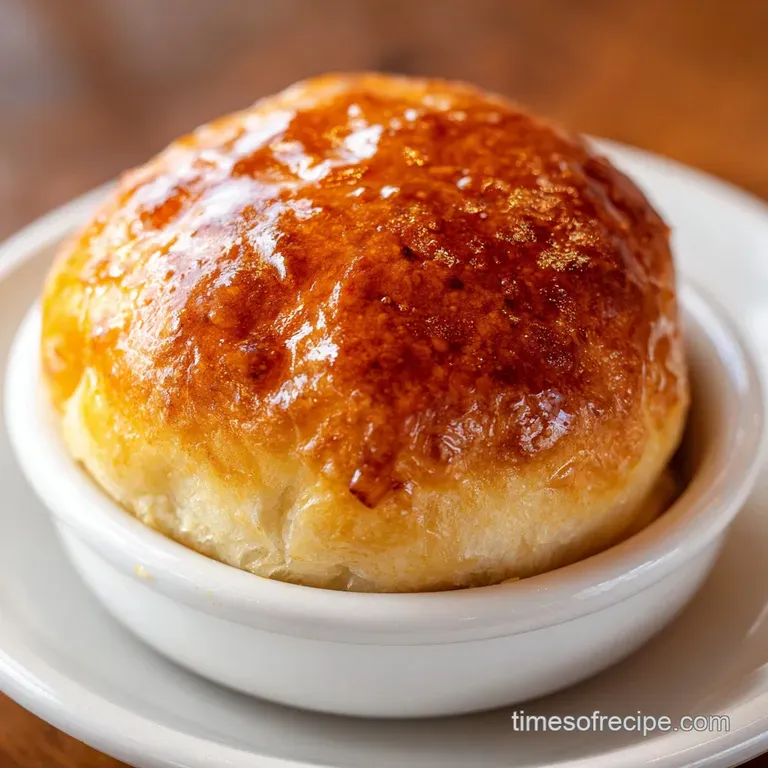
Even experienced bakers run into trouble. If things aren't looking right, don't panic most bread issues are easily fixed.
Why Your Dough Stays Flat
If your dough isn't rising, it's usually a temperature issue. Either the liquid was too hot (killing the yeast) or the room is too cold (putting the yeast to sleep). Try moving the bowl to the inside of an oven that is turned OFF but has the oven light on.
The Problem With Sticky Dough
Bread flour varies by brand and humidity. If your dough is sticking to the sides of the bowl after 5 minutes of kneading, add flour one tablespoon at a time. It should be "tacky" like a Post it note, not "sticky" like honey.
Quick Fix Table:
| Problem | Root Cause | Solution |
|---|---|---|
| Rolls are dense | Under proofing | Let them rise longer in the second stage until very puffy. |
| Hard crust | Oven too dry | Place a small pan of water on the bottom rack to create steam. |
| Yeast didn't foam | Old yeast | Check the expiration date; always use fresh yeast for this recipe. |
Common Mistakes Checklist: ✓ Using cold eggs (this shocks the yeast and slows the rise). ✓ Not cooling the scalded milk enough (anything over 120°F is risky). ✓ Over flouring the work surface (leads to dry, tough rolls).
✓ Skipping the second proof (this is where the "fluff" happens). ✓ Forgetting to brush with butter while the rolls are screaming hot.
Scaling For Large Family Gatherings
If you're hosting a big holiday dinner, you'll likely want to double this recipe copycat.
- To Double (48 Rolls): You can double all ingredients, but keep the salt to 1.5x the original amount to avoid inhibiting the yeast too much. You may need to knead in two batches unless you have a professional grade mixer.
- To Halve (12 Rolls): Beat the egg in a small cup and use exactly half of it. Use a smaller 8x8 baking pan to keep the rolls close together so they rise "up" instead of "out."
Chef Tip: For an extra golden crust, add a pinch of espresso powder to the butter wash. It won't taste like coffee, but it deepens the mahogany color of the crust beautifully.
Debunking Bread Making Myths
Myth: Salt kills yeast on contact. While salt can inhibit yeast, mixing it with the flour first protects the yeast. You need salt for flavor and to control the fermentation rate, otherwise, the dough rises too fast and collapses.
Myth: You must use "Warm" water. Actually, yeast can ferment in cold water, it just takes much longer (cold fermentation). Warm water is simply a tool for speed. For this specific texas roadhouse rolls, we use warm liquid to keep the total time around 1 hours 17 mins.
Keeping Your Rolls Fresh Longer
Storage: These are best fresh, but you can store them in an airtight container at room temperature for up to 3 days. To revive that "shatter" on the crust, toast them for 2 minutes at 350°F.
Freezing: You can freeze the baked rolls for up to 2 months. Wrap them individually in foil and then place them in a freezer bag. To reheat, bake the foiled rolls at 350°F for 10 minutes directly from the freezer.
Zero Waste Tip: If you have leftover rolls that have gone slightly stale, don't toss them! They make the most incredible bread pudding or "sweet" croutons for a fruit salad. You can also dry them out and pulse them in a blender for honey scented breadcrumbs to use on top of a sweet potato casserole.
Perfect Complements For Your Meal
These rolls are the star of the show, but they need a supporting cast. For a more classic Sunday dinner vibe, you might also like my Homemade Dinner Rolls recipe which is slightly less sweet and pairs better with savory gravies.
- For the BBQ lover
- Serve these alongside smoked brisket; the sweetness of the honey cuts through the smoky fat perfectly.
- For the Holiday host
- Pair with a roasted turkey. The cinnamon in the butter complements autumn spices like sage and thyme.
- For the quick fix
- Make the dough, but instead of squares, roll them into circles and use them as sliders for pulled pork.
Trust me, once you master the texas roadhouse rolls recipe copycat, you’ll never look at a bread basket the same way again. It's about that contrast between the velvety butter and the warm, airy bread. Right then, let’s get baking!
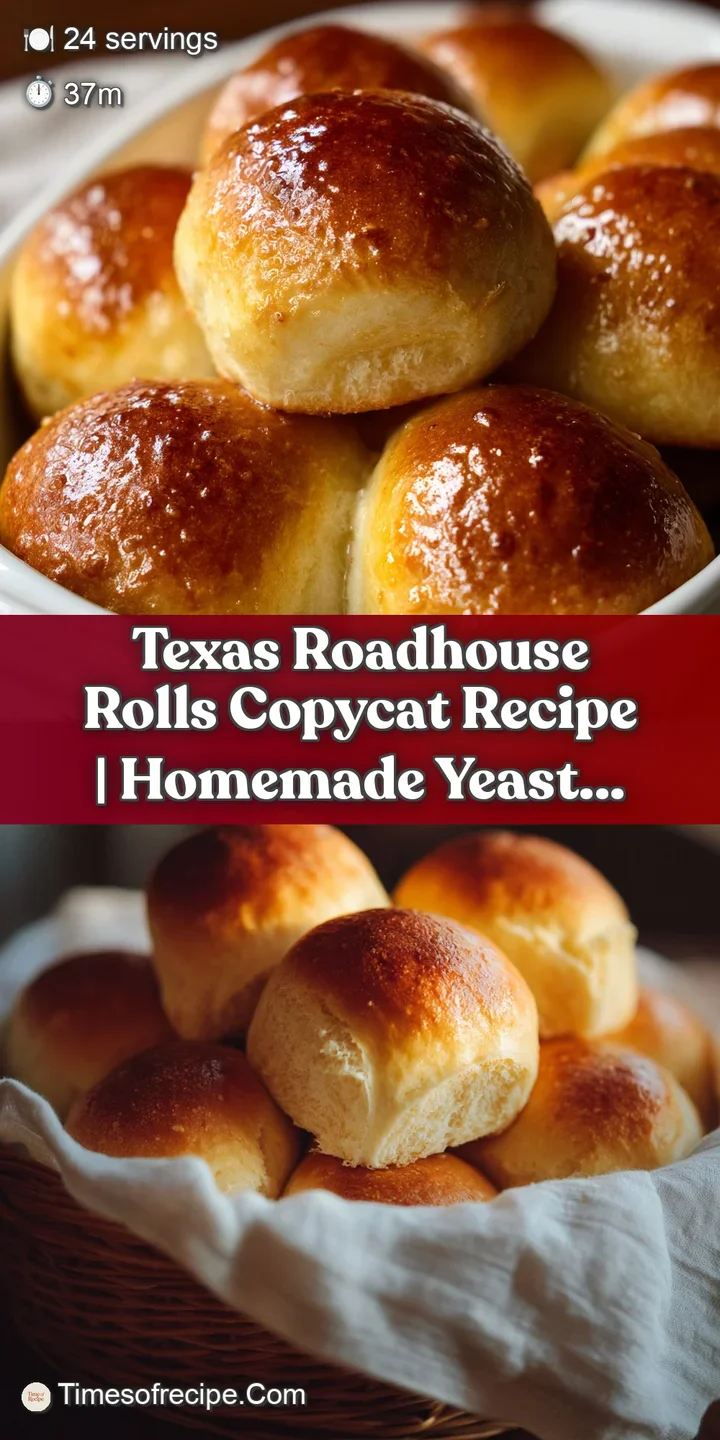
Recipe FAQs
What is the secret ingredient in Texas Roadhouse Rolls?
Honey is the critical ingredient, providing natural moisture retention and the specific sweetness profile. It keeps the rolls soft for days longer than recipes using only white sugar.
What makes Texas Roadhouse rolls so good?
It is the combination of scalded milk and bread flour. Scalding the milk denatures certain proteins that would otherwise weaken the dough structure, allowing for a higher, lighter rise and a velvety crumb.
What are the ingredients in Texas Roadhouse rolls?
Yeast, sugar, bread flour, whole milk, honey, butter, egg, and salt. The signature flavor also relies heavily on the cinnamon honey butter spread served immediately after baking.
What kind of flour is used in Texas Roadhouse rolls?
Bread flour should be used for the best results. It has a higher protein content (12-14%), which develops a stronger gluten network to trap more gas, resulting in that desired chewy yet fluffy texture.
Is it true you can use instant yeast instead of active dry yeast?
No, it is best to use active dry yeast as directed in the initial bloom step. Instant yeast can be added directly to the flour, but blooming the active dry yeast first confirms it is viable and feeds it the necessary sugar right away.
How do I make the dough tender rather than tough?
Mix only until the dough is smooth and tacky, then stop kneading. Over kneading develops too much tough gluten structure. If you're focusing on technique, mastering the right dough hydration here will help you achieve great texture, much like when you're working with high hydration doughs in a Hoppin John recipe adaptation.
Can I make these rolls ahead of time for a large party?
Yes, the unbaked dough can be refrigerated for up to 24 hours. After the final shaping, cover the tray and chill; this slow, cold proof deepens the flavor profile similar to how long, slow cooking tenderizes meat, like in a Crockpot Brisket Recipe.
Copycat Roadhouse Rolls Recipe
Ingredients:
Instructions:
Nutrition Facts:
| Calories | 170 kcal |
|---|---|
| Protein | 3.1 g |
| Fat | 7.4 g |
| Carbs | 22.8 g |
| Fiber | 0.8 g |
| Sugar | 6.2 g |
| Sodium | 125 mg |
