Cornell Chicken Bbq: the Ultimate Tangy, Tender Grilling Secret
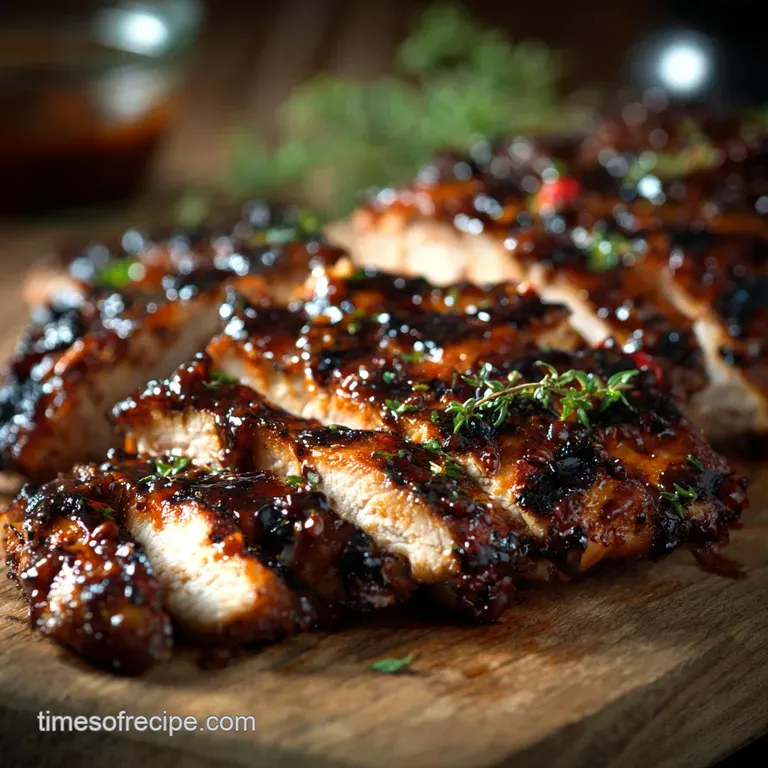
- Hailing from Ithaca: The History of the Original Cornell Chicken
- The Science of Crisp Skin: Deconstructing the Cornell Marinade
- Essential Components for the Authentic Cornell Chicken Marinade
- Mastering the Technique: Step-by-Step Guide to Grilling Cornell Chicken
- Troubleshooting and Expert Secrets for Perfect Cornell Results
- After the Grill: Storage, Reheating, and Classic Cornell Pairings
- Recipe FAQs
- 📝 Recipe Card
Hailing from Ithaca: The History of the Original Cornell Chicken
Stop right there if you think great barbecue always means sticky, sweet glaze. We are diving deep into the ultimate secret of Upstate New York grilling: the magnificent Cornell Chicken recipe.
This preparation delivers skin that is incredibly crisp and meat that is juicy beyond belief, all thanks to a marinade that smells bright, tangy, and utterly addictive before it even hits the heat.
Forget scrubbing scorched sugar off the grill grates; this method uses acidity and science to do the heavy lifting. It's a lifesaver for big parties because the ingredients are dirt cheap and the process, once mastered, is incredibly reliable.
When you need foolproof, tender meat that feeds a crowd without breaking the bank, this classic Cornell Chicken bbq recipe is your new best friend.
Professor Robert C. Baker developed this genius marinade back in the 1950s at Cornell University, aiming for a way to cook large quantities evenly and deliciously for the masses. His invention is more than just a marinade; it’s a scientific method for grilling, and I'm ready to spill the details so you can master this tangy, historical gem.
The Science of Crisp Skin: Deconstructing the Cornell Marinade
This isn't your grandma’s backyard brine; this is a laboratory tested, precision engineered marinade that fundamentally changes how you think about grilling. The magic isn’t about adding flavor after the fact; it’s about penetrating the meat and achieving a perfect surface texture during the cooking process.
We're maximizing moisture retention and building flavor simultaneously.
Professor Baker’s Scientific Approach to Grilling
Professor Baker focused on maximizing tenderness and minimizing cooking losses meaning less dry, shriveled meat. He realized that a simple, heavily salted, acidic emulsion could coat the poultry evenly, protecting it from the high heat of the grill.
This approach ensures every square inch gets tenderized and seasoned, resulting in a phenomenal finished product.
Beyond Barbecue Sauce: The Power of Vinegar and Emulsion
Most regional BBQ sauces rely on sugar, which inevitably burns or caramelizes too quickly over direct heat. The Cornell chicken marinade recipe skips sugar entirely in favor of apple cider vinegar, which tenderizes the meat without charring the exterior.
This tangy brine allows the meat to cook low and slow, giving us the perfect window for basting.
Defining the Signature Tang: Why Cornell Chicken Stands Apart
The bright, vinegary tang is the defining characteristic of Cornell Chicken. It cuts through the natural richness beautifully, providing a clean, savory taste that is completely different from smoky Southern BBQ. This flavor profile is light, bright, and unbelievably refreshing on a hot summer day.
The Role of Egg in Achieving Perfect Emulsion
Here’s the part that always surprises people: the egg is crucial. Why put raw egg in a marinade? It acts as a powerful emulsifier, just like when you make mayo or Hollandaise.
The egg yolk binds the acid (vinegar) and the fat (oil) into a stable, creamy Cornell chicken sauce that adheres perfectly to the skin and meat, preventing the two from separating.
How Vinegar Tenderizes and Prevents Drying
Vinegar's acidity works wonders on proteins. It slightly denatures the surface proteins of the meat, allowing the salt and seasoning to penetrate deeper and faster. This chemical reaction results in noticeably more tender meat when compared to an un-marinated piece.
Do not skip the overnight soak for maximum tenderness.
Temperature Control: The Low and Slow Basting Method
The Cornell method requires careful temperature control, specifically using two-zone grilling. We want a low ambient temperature (around 325°F) to ensure the internal meat cooks fully before the skin burns.
The constant basting with the cold marinade also helps regulate the surface temperature, stopping it from scorching.
Essential Components for the Authentic Cornell Chicken Marinade
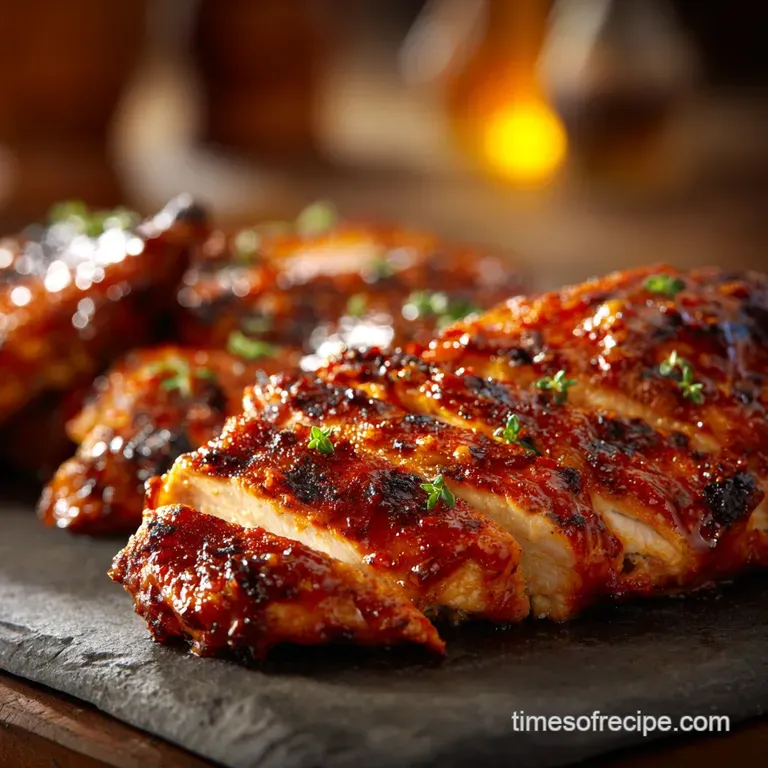
To execute the best Cornell chicken recipe, you need the right foundational components. We are building an emulsified workhorse here, not just a watery soak.
Sourcing high-quality Grilling Cuts
While the recipe is optimized for a whole, spatchcocked chicken, it works brilliantly on bone-in, skin-on thighs and legs. Spatchcocking (removing the backbone so the bird lies flat) is highly recommended, as it ensures everything cooks evenly, eliminating those annoying cold spots near the breast bone.
Detailed Breakdown of the Tangy Brine Base
The absolute heart of this recipe is the apple cider vinegar. It provides that essential fruity tang and the necessary acidity. We blend this with neutral oil to create a stable fat base and use eggs to hold the whole thing together. Simple ingredients yield spectacular results.
Selecting the Right Salt and Spice Blend
Kosher salt is my go-to because the larger crystals give you better control when seasoning large cuts. The secret spice? A dash of dried poultry seasoning. It often contains thyme, sage, and marjoram, which provides the classic, subtle, savory backbone without overwhelming the bright vinegar flavor.
Oil Choices: Optimizing for High Heat and Emulsification
We need a neutral, high smoke-point oil that won't separate quickly. Canola, vegetable, or grapeseed oil are perfect here. Avoid heavy duty extra virgin olive oil; its flavor is too strong and it burns easily at grilling temperatures.
| Component | Essential Role | My Favorite Substitute |
|---|---|---|
| Apple Cider Vinegar | Tang/Tenderizer | White Wine Vinegar (Sharper profile) |
| Eggs | Emulsifier/Binder | 1 Tsp Mustard Powder (If allergies/no eggs) |
| Neutral Oil | Heat Protection/Fat | Light Olive Oil (Requires vigilance against burning) |
| Poultry Seasoning | Herbaceous Depth | Pinch of dried Sage + Thyme |
Mastering the Technique: step-by-step Guide to Grilling Cornell Chicken
This recipe hinges on technique. If you can handle indirect heat and learn the basting rhythm, you’ve basically unlocked a grilling superpower.
Preparing the Marinade and Proper Soaking Time
First, grab a non-reactive bowl; plastic or glass is fine. Whisk your eggs, vinegar, salt, pepper, and spices vigorously. Then, the critical step: slowly drizzle the oil into the mixture while whisking constantly until the marinade becomes thick and creamy, like a thin salad dressing.
Reserve half of this fresh marinade immediately for basting during the cook that avoids cross contamination! Marinate the poultry for at least 3 hours, but I swear by 12 hours (overnight) for the ultimate flavor penetration.
Setting Up Your Grill Zones for Optimal Basting
Whether gas or charcoal, you must establish two heat zones. For charcoal, pile the coals entirely on one side. For gas, only turn on the burners on one side. You want the cooking surface over the heat to be medium high, and the surface away from the heat (the indirect zone) to be where the chicken sits most of the time.
Target 300 325°F (150 160°C).
The Critical Basting Schedule and Flip Frequency
Start the spatchcocked bird skin side up over the indirect heat. Leave it alone for 40 minutes to gently dry out and start cooking. After that initial period, flip it skin side down and immediately baste the exposed cavity and legs generously with the reserved cold marinade.
Close the lid for 10– 12 minutes. Flip it back skin side up and baste the skin. Continue this flip and baste routine every 10– 12 minutes until done.
Testing for Doneness and Achieving Maximum Crispness
Chef’s Note: Use an instant read thermometer. The only way to guarantee safety and perfect juiciness is to cook until the thickest part of the thigh (avoiding the bone) reaches 165°F (74°C).
If your skin is still pale when the temperature is reached, you can briefly move the chicken skin side down over the direct heat for 1– 2 minutes, watching it like a hawk, to get that final, crackling bronze.
Troubleshooting and Expert Secrets for Perfect Cornell Results
Trust me, I’ve made every mistake in the book. There was a time I didn't dry the skin and ended up with rubbery sadness never again! Here are the ways to nail this recipe every single time.
Preventing Flare Ups During Basting
The basting sauce is oily, and oil drips can cause serious flare ups, which means instant burnt skin. Always baste the chicken when it is over the indirect (cooler) zone. The only time you move it over direct heat is for the final 60 second crisping blast.
Keep a spray bottle of water nearby just in case a sudden flame erupts; a quick spritz can save dinner.
The Mistake of Over Marinating (And How to Avoid It)
I once thought "more time = more tender," and I left some smaller cuts in the Cornell marinade for a full 36 hours. Because of the high acidity, the edges of the meat started to turn mushy a texture called "pickling." Stick to 12 hours max for safety and ideal texture.
Acid is powerful, friends!
Quick Fixes for Skin That Isn't Crisp Enough
If the internal temperature hits 165°F but the skin lacks that satisfying mahogany snap, your grill temperature was probably too low, or you didn't pat the skin dry enough initially. The fix? Crank the direct heat.
Move the chicken over the hottest part of the grill, skin side down, for exactly 60 seconds (or less!). Be hyper vigilant this is fast work!
After the Grill: Storage, Reheating, and Classic Cornell Pairings
The hardest part about serving this dish is trying to save some leftovers. It tends to disappear frighteningly fast.
Safely Storing Leftovers and Maximizing Shelf Life
Once cooled, leftover Cornell Chicken can be safely stored in an airtight container in the refrigerator for up to 4 days. If you’re freezing, I recommend carving the meat first and shredding it. Freeze the shredded meat in a freezer safe bag for up to 3 months. When thawed, it’s amazing in tacos or a quick, savory rice bowl maybe even a filling for a quick Bisquick Chicken Pot Pie: The Easiest 45 Minute Weeknight Dinner .
Best Practices for Reheating Without Losing Moisture
The microwave is the enemy of crisp skin. Reheat your Cornell Chicken in the oven or an air fryer. Place the pieces on a wire rack over a baking sheet and bake at 350°F (175°C) until warmed through (about 10– 15 minutes).
This method allows the air to circulate, which helps revive that lovely crisp exterior.
Traditional Upstate New York Side Dishes for Pairing
Because the marinade is so tangy and bright, you need sides that offer some creamy balance and texture. A cold, creamy coleslaw that isn't overly sweet is mandatory. Crisp, grilled potato wedges tossed with herbs are also perfect.
Honestly, this tangy Cornell chicken bbq recipe pairs perfectly with anything you’d serve at a classic summer picnic!
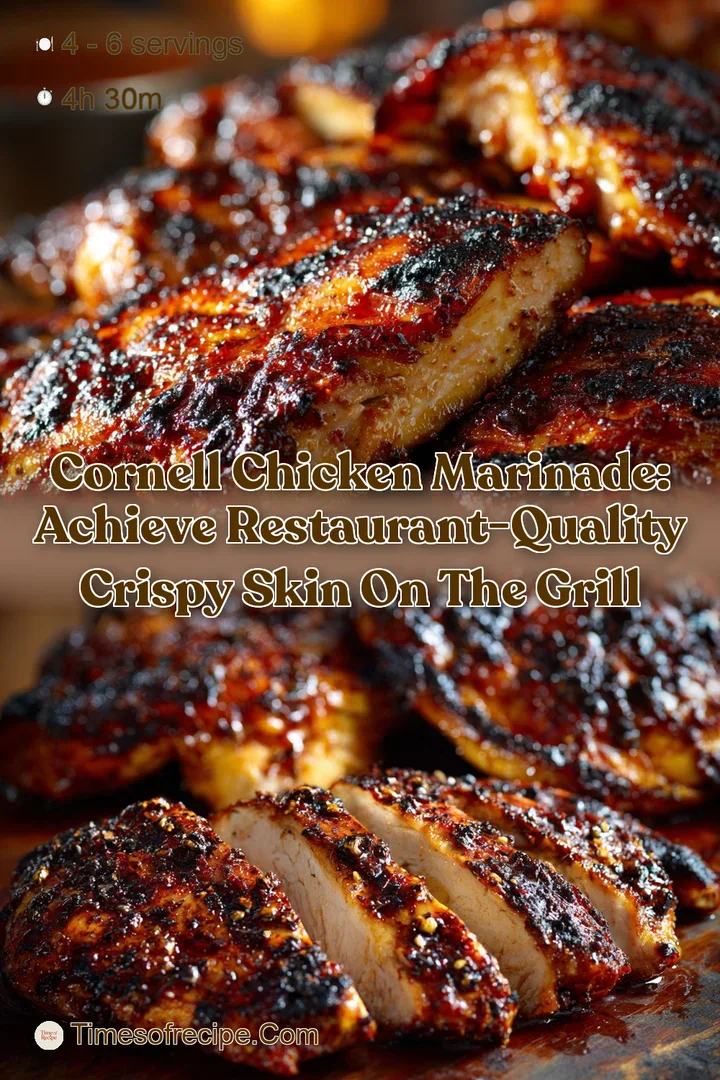
Recipe FAQs
Why is the Cornell marinade separating, and how do I fix it?
The Cornell marinade is an unstable emulsion due to the high ratio of oil and highly acidic vinegar. To prevent separation, ensure you whisk it vigorously for a full minute after mixing, or shake it thoroughly in a sealed container just before each basting application.
The emulsion must be creamy and homogeneous when applied to the chicken for best results.
My grilled chicken often turns out dry. How do I ensure maximum moisture with this recipe?
Dryness typically occurs when the chicken is cooked too hot or past its safe internal temperature. Utilize indirect heat for the majority of the cooking time to gently raise the temperature, finishing over direct heat only for crisping the skin.
Always use a reliable meat thermometer to remove the chicken promptly at 165°F (74°C).
Why is there raw egg in the basting sauce, and is it safe?
The raw egg yolk is a critical emulsifier, binding the oil and vinegar into a stable, creamy sauce that adheres better to the chicken skin. This is perfectly safe because the intense heat of the grill rapidly cooks the thin layer of marinade, pasteurizing the egg immediately upon contact.
The egg also contributes significantly to the beautiful, golden brown crust.
Can I make Cornell Chicken ahead of time, and how long can I marinate it?
Because the marinade is highly acidic, chicken should not marinate for longer than 4 to 6 hours, as the vinegar can begin to break down the muscle fibers, resulting in a slightly mushy texture. For best results, plan to only marinate for 2 to 4 hours, and reserve the bulk of the marinade for use as the basting sauce.
I don't have a grill. Can I still make this in the oven?
Yes, you can replicate this in the oven, although the smoky flavor will be absent. Preheat your oven to 400°F (200°C) and place the chicken pieces on a rack set inside a rimmed baking sheet.
Baste the chicken every 15 to 20 minutes until it is cooked through, using the broiler for the last few minutes to crisp the skin, if necessary.
How should I store and reheat leftover Cornell Chicken?
Store any leftover cooked chicken in an airtight container in the refrigerator for up to 3 to 4 days. When reheating, the best method is to use a toaster oven or standard oven at 350°F (175°C) until warmed through, as this helps retain the crispness of the skin.
Avoid the microwave, which tends to make the skin rubbery.
Cornell Chicken Marinade Bbq
Ingredients:
Instructions:
Nutrition Facts:
| Calories | 450 kcal |
|---|---|
| Fat | 30 g |
| Fiber | 1 g |
