Velvety Cottage Cheese Eggs
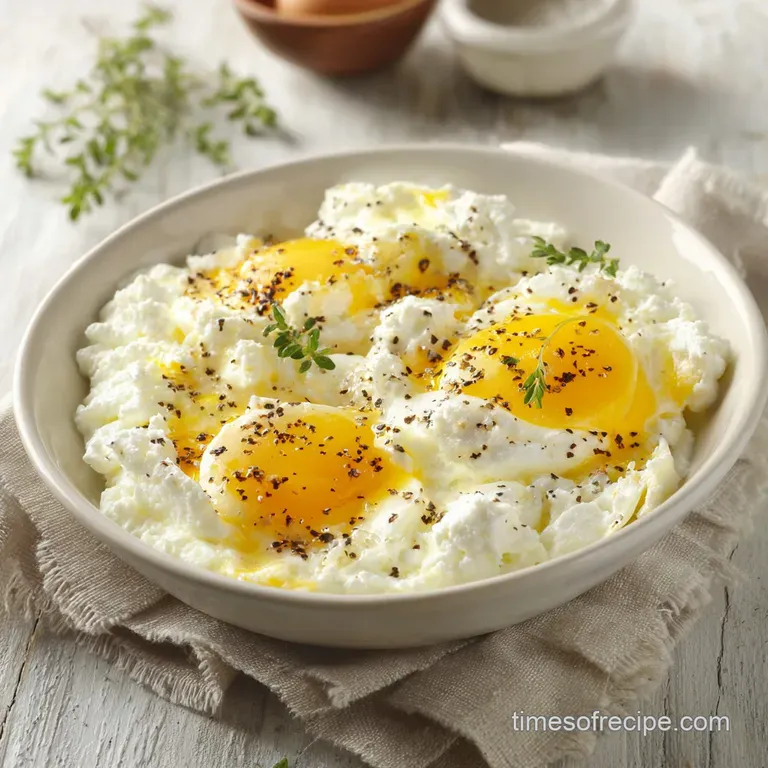
- Time: Active 3 minutes, Passive 5 minutes, Total 8 minutes
- Flavor/Texture Hook: Velvety, rich, and deeply satisfying
- Perfect for: Busy weekday mornings and post workout fuel
- The Bold Flavor Secret Behind My Cottage Cheese Eggs
- Hearty Specs for This Satisfying Protein Packed Breakfast
- Analyzing the Components That Make This Dish Work
- Essential Tools for Achieving a Velvety Scramble
- Step-by-Step Guide to Cooking the Best Scrambled Eggs
- Solving Common Kitchen Mishaps for Consistent Success
- Creative Ways to Adapt This Breakfast Favorite
- Debunking Common Breakfast Myths
- Keeping It Fresh and Reducing Waste
- Visual Touches for a Family Style Morning Feast
- Recipe FAQs
- 📝 Recipe Card
The Bold Flavor Secret Behind My Cottage Cheese Eggs
The first time I tried whisking cottage cheese into my morning scramble, I did it out of pure desperation. My fridge was nearly empty, and I needed something hearty enough to keep me fueled until a late lunch. I expected a watery, curdled mess, but what happened next changed my breakfast routine forever.
As the butter hit the hot skillet with a gentle sizzle, the kitchen filled with a rich, nutty aroma that smelled more like a fancy French bistro than my cluttered apartment kitchen.
When I finally pulled the pan off the heat, the eggs weren't just cooked; they were transformed. They had this incredible, velvety texture that felt luxurious without being heavy. My partner, who usually avoids the "lumpy" texture of cottage cheese, didn't even notice the secret ingredient.
He just kept asking why the eggs tasted so much more bold and satisfying than usual. We’ve since made this a family staple, especially on those slow Sunday mornings when we want comfort food that actually provides a solid protein punch.
This isn't just about adding bulk to your meal. It's about a specific chemical reaction that happens when the cheese curds meet the heat. You get these tiny, molten pockets of savory goodness tucked inside every bite.
If you’ve ever struggled with dry, rubbery eggs that feel like a chore to eat, this technique is going to be your new best friend. Trust me, once you see how the curds melt into the folds of the egg, you'll never go back to the plain version.
Hearty Specs for This Satisfying Protein Packed Breakfast
Before we get into the nitty gritty of the technique, let's look at how this method stacks up against the traditional oven baked version. While many people love a good Egg Casserole Recipe for feeding a crowd, the stovetop method offers a level of control over the texture that you just can't get in the oven.
| Method | Time | Texture | Best For |
|---|---|---|---|
| Stovetop | 5 minutes | Silky, custard like folds | Quick, high-quality solo meals |
| Oven Bake | 25 minutes | Firm, bouncy, and uniform | Meal prepping for the week |
| Microwave | 2 minutes | Foamy and light | Absolute emergencies only |
Choosing the right path depends entirely on your morning vibe. If I'm in a rush, I might lean toward making Egg White Bites recipe in a muffin tin, but when I want that bold, buttery finish, the skillet is king. The stovetop allows you to pull the eggs the exact second they reach that glossy, just set stage.
Analyzing the Components That Make This Dish Work
The magic of these eggs isn't just luck; it's basic kitchen chemistry that works in your favor. By understanding how these simple ingredients interact, you can master the texture every single time without overthinking it.
- Protein Shielding: The fats in the 4% milk fat cottage cheese coat the egg proteins, preventing them from bonding too tightly and becoming rubbery.
- Steam Aeration: As the moisture in the cheese curds heats up, it creates microscopic steam bubbles that lift the eggs from within.
- pH Balancing: The slight acidity of the cultured dairy helps tenderize the egg whites, resulting in a much softer "shatter" when you bite into them.
- Carryover Buffer: The extra mass of the cheese acts as a thermal heat sink, giving you a wider window of "doneness" before they overcook.
| Ingredient | Science Role | Pro Secret |
|---|---|---|
| Large Eggs | Structure & Binder | Use room temperature eggs for a faster, more even set. |
| Cottage Cheese | Moisture & Fat | Use small curd variety to ensure even melting throughout the scramble. |
| Grass fed Butter | Emulsification | Cold butter added to a hot pan creates a foam that prevents sticking. |
One mistake I once made was using fat free cottage cheese. Honestly, don't even bother with that. You need the 4% milk fat to get that bold, satisfying mouthfeel. The fat is what carries the flavor and keeps the eggs from feeling "squeaky" against your teeth.
Essential Tools for Achieving a Velvety Scramble
You don't need a professional kitchen to pull this off, but the right gear makes the process much smoother. I personally swear by a heavy bottomed non stick skillet. A cast iron pan is great for a Cottage Cheese Omelette, but for a soft scramble, you want something that responds quickly to temperature changes.
A silicone spatula is your best tool here. It allows you to scrape the bottom of the pan cleanly, ensuring no golden bits are left behind to overcook. I also recommend a small stainless steel whisk. You want to beat the eggs until no streaks of white remain before you even think about adding the cheese.
This ensures the protein structure is uniform, which leads to that silky, consistent finish we're after.
For the Egg Base
You'll need a medium mixing bowl. Avoid plastic if you can; glass or metal stays cooler, which helps keep the eggs stable while you're whisking in the air.
For the Skillet
A 20 cm non stick pan is the sweet spot for a two serving batch. If the pan is too large, the eggs spread too thin and dry out before you can fold them. If it's too small, they'll stack up and steam rather than scramble.
step-by-step Guide to Cooking the Best Scrambled Eggs
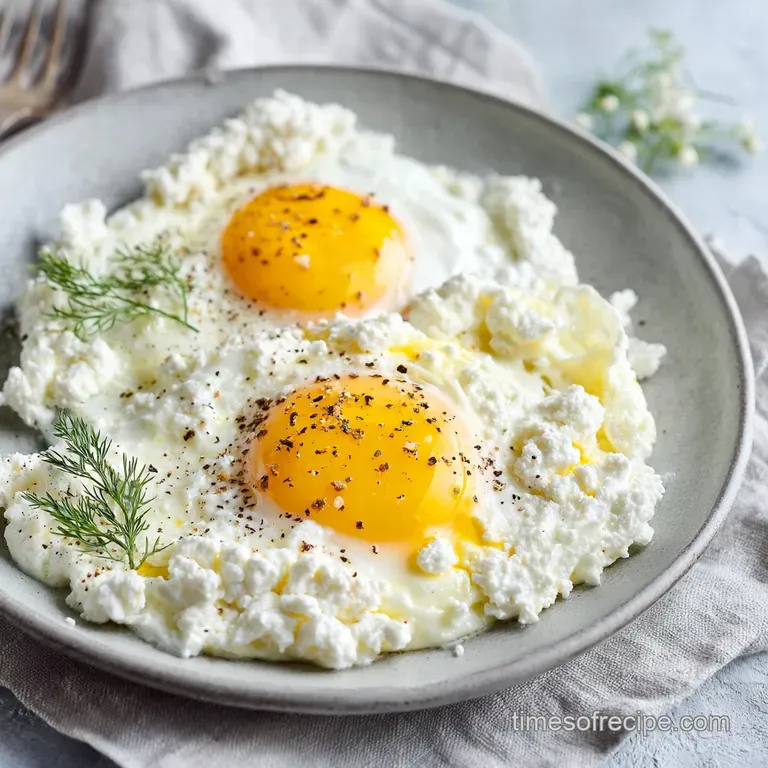
Right then, let's crack on with the actual cooking. This moves fast, so have your toast ready before you even turn on the burner.
- Whisk the eggs. Crack the 4 large eggs into your bowl and beat them vigorously. Note: You're looking for a uniform pale yellow color with no translucent streaks.
- Add the dairy. Fold in the 1/2 cup cottage cheese, 1/4 tsp sea salt, and 1/8 tsp freshly cracked black pepper.
- Heat the pan. Place your skillet over medium low heat. Add the 1 tsp grass fed butter.
- Watch the foam. Wait for the butter to melt and stop foaming. Wait until it smells slightly nutty and toasted.
- Pour the mixture. Add the egg and cheese mixture to the center of the pan.
- Wait for the set. Let it sit undisturbed for about 30 seconds until the edges look opaque and matte.
- Push and fold. Using your spatula, gently push the cooked edges toward the center. Note: This creates those signature large, soft curds.
- Monitor the moisture. Continue folding slowly for about 3 minutes. Stop when the eggs look glossy and slightly "wet."
- Remove from heat. Slide the eggs onto a warm plate immediately.
- Rest and serve. Let them sit for 60 seconds. The residual heat will finish the cooking process perfectly.
Chef's Tip: If you want an even smoother texture, pulse the cottage cheese in a blender for 5 seconds before adding it to the eggs. It removes the visible curds while keeping all the moisture.
Solving Common Kitchen Mishaps for Consistent Success
Even with a simple recipe, things can go sideways. The most common issue people face is a watery plate. This usually happens because the heat was too low for too long, causing the proteins to weep.
Why Your Eggs Are Watery
When eggs cook too slowly, the proteins have too much time to contract and push out the liquid from the cottage cheese. To fix this, bump the heat up just a tiny bit and make sure you're using full fat dairy. The fat helps stabilize the emulsion.
| Problem | Root Cause | Solution |
|---|---|---|
| Rubbery Texture | Heat too high | Pull the pan off the heat while eggs still look slightly underdone. |
| Grey/Green Color | Overcooked | Reduce cook time; the sulfur in eggs reacts when heated too long. |
| Bland Taste | Under seasoned | Salt the eggs before cooking to season the proteins from within. |
Common Mistakes Checklist
- ✓ Using "light" or fat free cottage cheese (leads to a watery mess).
- ✓ Over whisking once the cheese is added (breaks down the curds too much).
- ✓ Walking away from the stove (these cook in less than 5 minutes).
- ✓ Salting only at the end (the salt needs time to dissolve into the egg structure).
- ✓ Using a fork instead of a whisk (you won't get enough air into the whites).
Creative Ways to Adapt This Breakfast Favorite
Once you've mastered the basic scramble, you can start playing with the format. I love turning this into a Cottage Cheese Egg Bake for meal prep. Just multiply the recipe by four, pour it into a greased baking dish, and bake at 180°C for about 20 minutes.
It's much more satisfying than a standard frittata.
If you're looking for a portable option, Cottage Cheese Egg Muffins are brilliant. Use a silicone muffin liner and bake them until they're just set. They stay incredibly moist even after being reheated in the office microwave. For another high protein snack, you have to try my Cottage Cheese Chips recipe — they provide that same salty satisfaction but with a massive crunch.
Scaling Guidelines
- For One Person: Use 2 eggs and 1/4 cup cottage cheese. Reduce the butter to a small sliver.
- For a Family of Four: Double everything, but use a larger 30 cm pan. Increase the cook time by about 2 minutes.
- Spices: If you double the recipe, only increase the black pepper to 1.5x the amount to avoid it becoming overpowering.
| Servings | Eggs | Cottage Cheese | Pan Size | Cook Time |
|---|---|---|---|---|
| 1 Person | 2 Large | 1/4 Cup | 20 cm | 4 mins |
| 2 People | 4 Large | 1/2 Cup | 20 cm | 5 mins |
| 4 People | 8 Large | 1 Cup | 30 cm | 7 mins |
Debunking Common Breakfast Myths
There's a lot of misinformation out there about cooking eggs. One of the biggest myths is that you should add milk or cream for fluffiness. In reality, adding extra liquid often just dilutes the flavor and makes the eggs more prone to weeping.
The cottage cheese is superior because it adds fat and structure simultaneously.
Another myth is that you shouldn't salt eggs until they are finished. Science actually shows that salting 15 minutes before cooking (if you have the time) or right before whisking acts as a stabilizer for the proteins.
It keeps them from over coagulating, which means your eggs stay tender and soft rather than turning into "bouncing" rubber pellets.
Keeping It Fresh and Reducing Waste
I’ll be honest: eggs are always best fresh off the pan. However, if you have leftovers, you can definitely save them. Store them in an airtight container in the fridge for up to 2 days. When reheating, avoid the microwave if possible.
Instead, toss them in a warm pan with a tiny drop of water and a lid for 30 seconds to steam them back to life.
For zero waste, don't throw away those eggshells! If you have a garden, crush them up and add them to your compost or sprinkle them around your tomato plants for a calcium boost. Also, if you find yourself with just a tablespoon of cottage cheese left in the tub, stir it into your pancake batter or use it as a creamy base for a quick salad dressing.
Visual Touches for a Family Style Morning Feast
Presentation matters, especially when you're serving a hearty comfort meal. I like to serve these eggs in a warm bowl rather than a flat plate to help them retain their heat. A bold sprinkle of freshly chopped chives or a dusting of smoked paprika adds a beautiful pop of color and a subtle layer of flavor.
If you want to go all out, serve these alongside some thick cut sourdough toast. The contrast between the crunchy, charred bread and the velvety, soft eggs is absolutely addictive.
For a truly satisfying family breakfast, I often put the whole skillet in the center of the table and let everyone scoop their own portions. It feels more connected and bold the perfect way to start a busy day together.
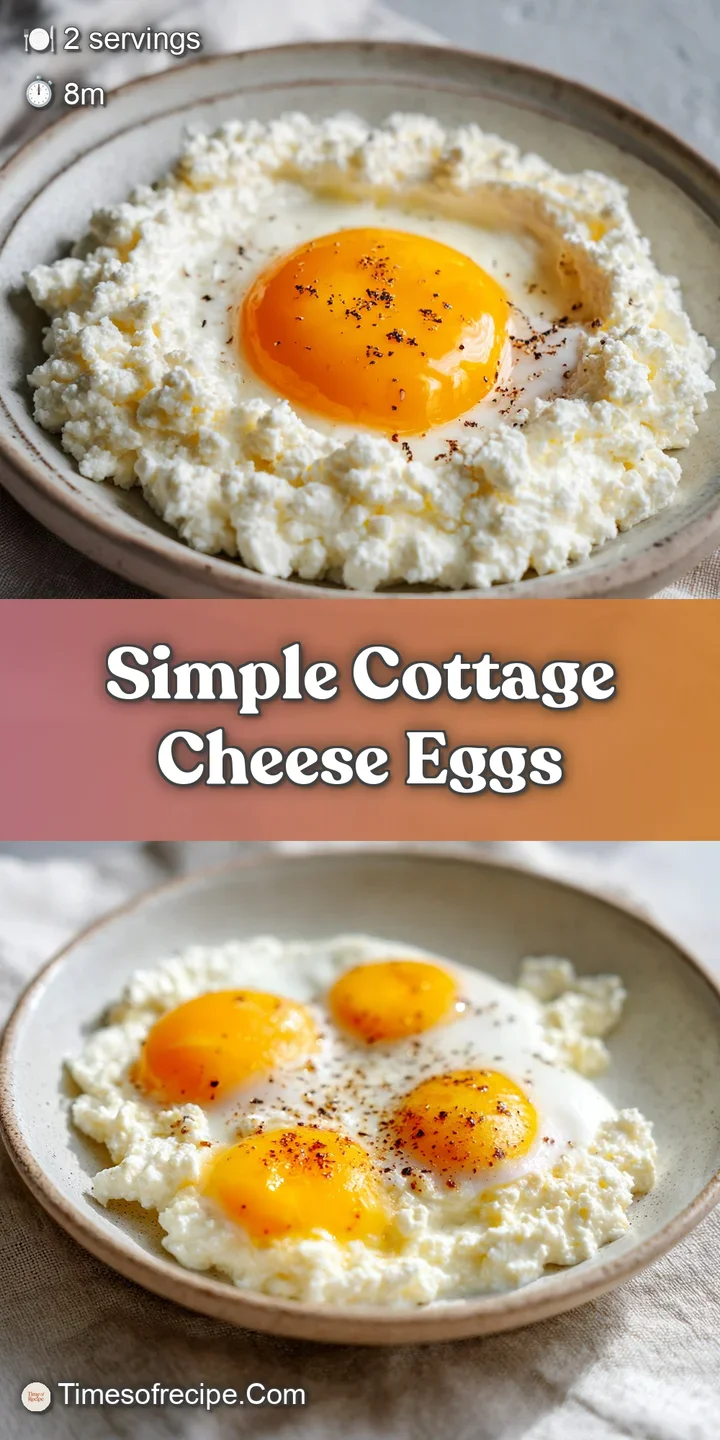
Recipe FAQs
Does cottage cheese taste good in eggs?
Yes, it makes them incredibly creamy. The small curds melt into the eggs while cooking, creating a rich, velvety texture without an overpowering cheesy flavor.
How much cottage cheese should I add to 3 large eggs?
Use 1/3 cup of cottage cheese for 3 eggs. For the best texture, always choose the full fat (4% milk fat) variety as the additional fat stabilizes the mixture.
Can cottage cheese be eaten with eggs for protein boosting?
Yes, they are an excellent, high protein combination. The two ingredients combine for a nutritionally dense meal, perfect for post workout recovery or fueling a long morning.
What is the ideal cooking temperature for cottage cheese eggs?
Start on medium low heat, but increase slightly as needed. You want the butter to foam and smell nutty; cooking too slowly causes the eggs to weep moisture, resulting in a watery scramble.
Is it true that blending the cottage cheese first is necessary for smooth eggs?
No, blending is optional but highly recommended for uniformity. If you pulse the cheese briefly, you remove large curds while keeping the moisture benefit, similar to how precise emulsification is needed for great sauces, like in our Panera Bread Mac recipe.
How do I prevent cottage cheese eggs from becoming rubbery?
Pull the eggs off the heat when they still look slightly wet. Residual heat will continue cooking them to perfect doneness; overcooking is the primary cause of rubbery texture in all scrambled eggs.
Can I substitute low-fat cottage cheese for full fat in this scramble?
No, avoid low-fat or fat-free versions for the best results. The fat content is crucial because it coats the proteins, ensuring a moist, velvety mouthfeel, which is the whole point of adding the cheese in the first place.
Cottage Cheese Eggs Recipe
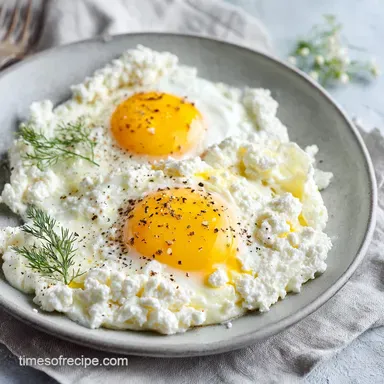
Ingredients:
Instructions:
Nutrition Facts:
| Calories | 219 kcal |
|---|---|
| Protein | 19.1 g |
| Fat | 14.1 g |
| Carbs | 2.8 g |
| Fiber | 0 g |
| Sugar | 2.1 g |
| Sodium | 630 mg |
