Lasagna with Cottage Cheese Recipe: Hearty & Velvety
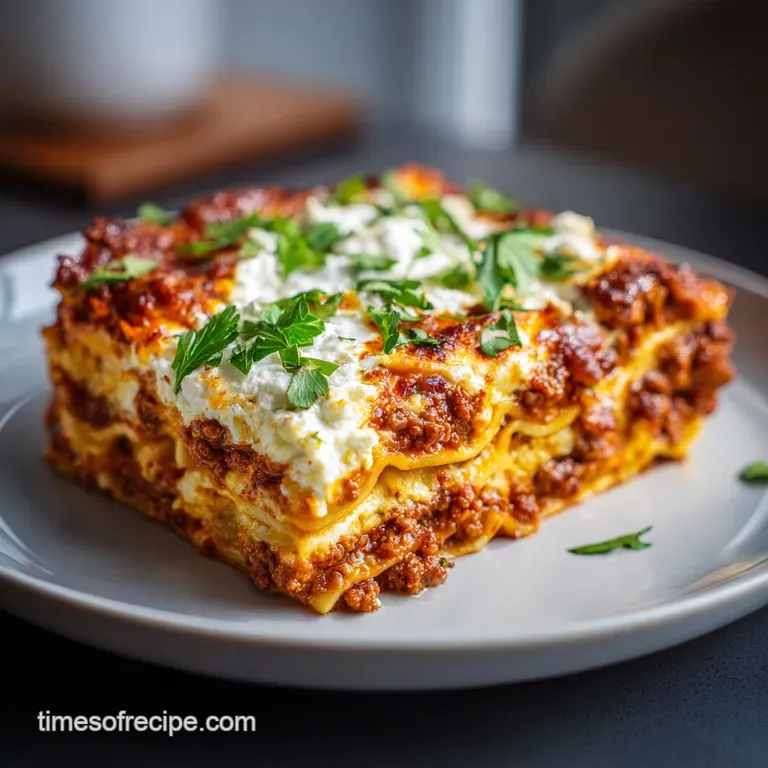
- Time: Active 25 minutes, Passive 55 minutes, Total 1 hour 20 mins
- Flavor/Texture Hook: Hearty meat sauce meets a velvety, nutmeg spiced cheese filling.
- Perfect for: Sunday family dinners, high protein meal prep, or feeding a hungry crowd.
- The Secret Behind Every Layer of This Comfort Classic
- Precision Measurements for a Perfectly Balanced Bake
- Gathering the Components for a Rich and Savory Bake
- Essential Tools for the Perfect Assembly
- Step-by-Step Guide to Layering Greatness
- Troubleshooting the Perfect Slice
- Adapting the Recipe for Your Table
- Decoding Kitchen Myths
- Efficient Storage and Zero Waste Habits
- Serving Suggestions for a Complete Feast
- Very High in Sodium
- Recipe FAQs
- 📝 Recipe Card
The Secret Behind Every Layer of This Comfort Classic
I’ve spent a lot of time thinking about why this specific swap works so well. Most people think ricotta is the gold standard, but it often ends up dry or gritty after an hour in the oven.
The cottage cheese provides a moisture reservoir that keeps the noodles from getting brittle, while the curd structure creates a more interesting mouthfeel. It’s a trick I learned from an old neighbor, and I’ve refined the science of it over hundreds of Sunday bakes.
- Protein Coagulation: The addition of beaten eggs to the cottage cheese ensures the filling sets into a firm, sliceable layer instead of running.
- Acid Base Balance: The slight tang of the cottage cheese cuts through the heavy fat of the beef and sausage, brightening the overall profile.
- Maillard Reaction: Using a mix of lean beef and fatty sausage provides enough rendered fat to deeply brown the onions and garlic, creating a complex base.
- Starch Hydration: The moisture from the sauce and the cheese filling slowly hydrates the noodles, ensuring they are tender but still "al dente" to the tooth.
Flavor Map
- Savory: Ground beef and Italian sausage
- Sweet: Tomato paste and a pinch of nutmeg
- Bright: Fresh basil and parsley
- Rich: Whole milk cottage cheese and mozzarella
Decision Table for Perfect Results
| Layer Thickness | Internal Temp | Rest Time | Visual Cue |
|---|---|---|---|
| 1/2 inch sauce | 165°F | 10 minutes | Bubbles at the edges slow down |
| 1/4 inch cheese | 165°F | 15 minutes | Top cheese is deeply bronzed |
| 3/4 inch total | 165°F | 20 minutes | The center feels firm to a knife |
Choosing the right meat is the foundation of this bake. While some people stick to just beef, I find that a 50/50 split with Italian sausage is non negotiable for that bold, "simmered all day" taste. If you're looking for something slightly different but equally comforting, you might also enjoy the creamy texture of my Baked Spaghetti Recipe.
Precision Measurements for a Perfectly Balanced Bake
Getting the ratios right is the difference between a lasagna that stands tall on the plate and one that slides into a pile of ingredients. I always use a 9x13 inch deep dish pan because it gives the layers room to breathe without spilling over the sides and smoking up the oven.
Trust me, cleaning burnt cheese off the bottom of an oven is a mistake you only make once.
Chef Tip: Add the nutmeg to the cheese mixture, not the sauce. Nutmeg is fat soluble, so it blooms beautifully inside the cottage cheese and parmesan, creating a hidden depth that makes people ask, "What is that flavor?"
Component Analysis of a Comfort Classic
| Ingredient | Science Role | Pro Secret |
|---|---|---|
| Cottage Cheese | Moisture & Structure | Use small curd for a more uniform, velvety texture. |
| Tomato Paste | Umami & Thickness | Fry it with the garlic until it turns rust colored to remove the raw metallic taste. |
| Italian Sausage | Fat & Seasoning | Leave some larger chunks during browning for a "rustic" texture. |
| Mozzarella | Meltability & Crust | Hand grating from a block prevents that powdery, non melting coating found in pre shredded bags. |
Between these ingredients, the cottage cheese is the real workhorse. It acts as a binder and a moisture source simultaneously. If you're ever in the mood for a different take on Italian American comfort, you should definitely try this Lasagna with Ricotta recipe to compare the two textures for yourself.
Gathering the Components for a Rich and Savory Bake
I always suggest laying everything out on the counter before you start. There’s nothing worse than having a hot pan of meat and realizing you forgot to chop the onions. For the cheese, stick to "low moisture" mozzarella; the fresh, water packed balls are great for salads but will turn your lasagna into a soup.
- 1 lb Lean Ground Beef (90/10): Provides the meaty base without excess grease.
- 1 lb Italian Sausage: Sweet or spicy, casings removed. Why this? Adds fennel and pepper notes that beef alone lacks.
- 1 large Yellow Onion: Finely diced for even distribution.
- 4 cloves Garlic: Minced fresh (don't use the jarred stuff here).
- 28 oz Marinara Sauce: Choose a high-quality brand with low sugar.
- 2 tbsp Tomato Paste: For a concentrated tomato "punch."
- 1 tsp Dried Oregano: The quintessential Italian herb.
- 1/2 tsp Crushed Red Pepper Flakes: Just enough for a tiny tingle.
- 24 oz Small Curd Cottage Cheese: Use full fat for the best mouthfeel. Why this? The fat content prevents the curds from becoming rubbery.
- 2 large Eggs: Lightly beaten to bind the cheese.
- 1/2 cup Freshly Grated Parmesan: For a salty, nutty kick.
- 1/4 cup Fresh Parsley: Chopped fine.
- 1/2 tsp Nutmeg: The secret ingredient for dairy layers.
- 12 Lasagna Noodles: Regular or no boil (see instructions).
- 4 cups Mozzarella Cheese: Shredded at home if possible.
- 1/4 cup Fresh Basil: For finishing and brightness.
Smart Ingredient Swaps
| Original Ingredient | Substitute | Why It Works |
|---|---|---|
| Ground Beef | Ground Turkey | Lower fat, but needs an extra splash of olive oil for moisture. |
| Italian Sausage | Ground Pork | Neutral flavor; add 1 tsp fennel seeds to mimic sausage. |
| Cottage Cheese | Ricotta Cheese | Classic texture. Note: Result will be drier and more "grainy." |
| Marinara Sauce | Crushed Tomatoes | Fresher taste, but requires 15 mins more simmering with herbs. |
Essential Tools for the Perfect Assembly
You don't need a professional kitchen, but a few specific tools make the "lasagna with cottage cheese recipe" much easier to handle. A heavy bottomed skillet is my first recommendation because it distributes heat evenly, preventing the garlic from scorching while the meat browns.
- 9x13 Inch Baking Dish: Preferably glass or ceramic for even heat distribution.
- Large Skillet: A 12 inch cast iron or stainless steel pan is ideal.
- Large Mixing Bowl: For combining the cottage cheese and eggs.
- Colander: To drain the noodles and prevent them from sticking.
- Box Grater: For that fresh shredded mozzarella and parmesan.
- Silicone Spatula: Great for spreading the cheese mixture without tearing the noodles.
- Aluminum Foil: To cover the dish during the first half of baking.
step-by-step Guide to Layering Greatness
Building a lasagna is like building a house; you need a solid foundation and a weatherproof roof. I like to take my time with the sauce because that’s where the soul of the dish lives. Don't rush the meat browning you want that deep color for maximum flavor.
Phase 1: The Base Sauce
- Brown the meat. In your large skillet over medium high heat, cook the 1 lb beef and 1 lb sausage. Break it up with a spoon until no pink remains and it's sizzling.
- Sauté the aromatics. Add the diced onion to the meat fat. Cook for 5 minutes until translucent and soft.
- Bloom the spices. Stir in the 4 cloves of minced garlic, 2 tbsp tomato paste, oregano, and red pepper flakes. Cook for 2 minutes until the paste turns a dark brick red.
- Simmer the sauce. Pour in the 28 oz marinara sauce. Lower the heat and simmer for 15 minutes. Note: This reduces the water content so your lasagna isn't runny.
Phase 2: The Velvet Filling
- Mix the cheese. In a bowl, combine the 24 oz cottage cheese, 2 beaten eggs, 1/2 cup parmesan, parsley, and nutmeg. Stir until the eggs are fully incorporated and the mixture is pale yellow.
- Prep the noodles. Boil the 12 noodles in salted water for 2 minutes less than the package says. Note: They will finish cooking in the oven by absorbing sauce moisture.
Phase 3: The Architecture
- Start the foundation. Spread 1 cup of meat sauce on the bottom of the 9x13 pan. Place 3 or 4 noodles on top, overlapping slightly until the sauce is covered.
- Layer the filling. Spread 1/3 of the cottage cheese mixture over the noodles. Sprinkle with 1 cup of mozzarella. Repeat this pattern (sauce, noodles, cottage cheese, mozzarella) twice more.
- The final roof. Finish with a final layer of noodles, the remaining sauce, and the last 1 cup of mozzarella.
Phase 4: The Bake
- Bake and rest. Cover with foil and bake at 375°F (190°C) for 25 minutes. Remove foil and bake another 20-30 minutes until the cheese is bubbly and golden brown. Let it rest for 15 minutes before slicing.
Chef Tip: If the mozzarella is browning too fast, move the rack to the lower third of the oven. This keeps the top from burning while the middle layers get hot enough to melt.
Troubleshooting the Perfect Slice
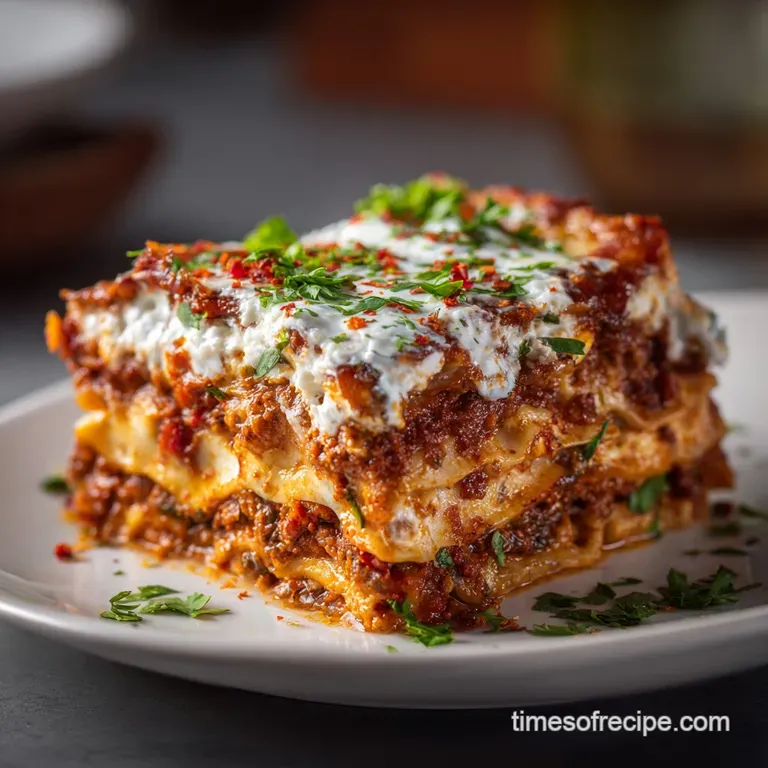
Even experienced cooks run into trouble sometimes. The most common complaint with this "lasagna with cottage cheese recipe" is a watery bottom. This usually happens if the cottage cheese has a high liquid content or if the sauce wasn't simmered long enough.
Why Your Lasagna is Runny
The most likely culprit is the moisture in the cottage cheese. If yours looks particularly "soupy" in the container, strain it through a fine mesh sieve for 10 minutes before mixing in the eggs. This ensures a tight, professional looking slice.
Fixing "Noodle Curl"
If your noodles are curling up at the edges, they likely weren't covered well enough with sauce. The sauce acts as a weight and a hydrating agent. Make sure you spread it all the way to the very edges of the pan.
The Clean Slice Secret
If you cut into the lasagna right out of the oven, it will collapse. The 15-20 minute rest time isn't just a suggestion; it’s when the proteins in the cheese and eggs finish "setting." This is what gives you those beautiful, distinct layers.
| Problem | Root Cause | Solution |
|---|---|---|
| Watery layers | Excess moisture in cheese or veggies | Strain cottage cheese and simmer sauce longer. |
| Hard noodles | Not enough sauce or undercooked | Ensure noodles are fully submerged in sauce before baking. |
| Burnt top | Oven rack too high | Move to a lower rack and tent with foil halfway through. |
Common Mistakes Checklist
- ✓ Using "fat free" cottage cheese (it lacks the structure to hold up under heat).
- ✓ Forgetting to salt the noodle water (this is your only chance to season the pasta itself).
- ✓ Overcooking the noodles during the initial boil (they should be quite firm).
- ✓ Skipping the rest period (vital for structural integrity).
- ✓ Using a pan that is too shallow (leads to messy oven spills).
Adapting the Recipe for Your Table
One of the reasons this "lasagna with cottage cheese recipe" has stayed in my rotation is how easy it is to scale. If I'm cooking for just the two of us, I'll often make a half batch in an 8x8 pan. If you're doing this, reduce the baking time by about 10-15 minutes, but keep the temperature the same.
If you're feeding a massive crowd (think 16-20 people), double the recipe and use two separate pans. Don't try to make one "mega lasagna" in a deeper pan, as the center will stay cold while the edges burn. When doubling, I usually only increase the salt and red pepper by 1.5x so the flavors don't become overwhelming.
Comparison: Fresh Ingredients vs. Shortcut Methods
| Component | Fresh/Homemade | Shortcut/store-bought | Flavor Impact |
|---|---|---|---|
| Meat | Freshly ground | Pre cooked crumbles | High: Fresh fat adds richness |
| Cheese | Hand grated block | Pre shredded bag | Med: Fresh melts much better |
| Sauce | Homemade marinara | Jarred sauce | High: Homemade is less sugary |
If you love the idea of a cheesy, baked pasta but want something with a different flavor profile, my Cheese Sauce recipe is a fantastic base for a quick mac and cheese that uses similar dairy binding principles.
Decoding Kitchen Myths
There are a few "rules" about lasagna that I’ve found just aren't true. For example, people often say you must use ricotta for an authentic dish. While ricotta is traditional in Southern Italy, many Northern regions use a Béchamel sauce, which is actually closer in creaminess to our cottage cheese version.
Another myth is that you can't use "no boil" noodles. You absolutely can! However, if you use no boil noodles, you must increase the marinara sauce by about 1/2 cup to provide the extra liquid the noodles need to hydrate. If the sauce is too thick, the noodles will stay crunchy.
Finally, don't believe the idea that you have to use expensive "artisanal" cheeses. A good quality, supermarket brand whole milk cottage cheese often performs better in a bake than a fancy, high moisture variety from a specialty shop.
Efficient Storage and Zero Waste Habits
Lasagna is one of those rare dishes that actually tastes better the next day. As it sits in the fridge, the flavors of the garlic, sausage, and oregano meld together, and the texture becomes even firmer.
- Fridge: Store in an airtight container for up to 5 days.
- Freezer: You can freeze the entire lasagna (unbaked or baked). If unbaked, it will last 3 months. Thaw in the fridge for 24 hours before baking.
- Reheating: Use the oven at 350°F (180°C) covered with foil to keep it from drying out. Avoid the microwave if possible, as it can make the noodles rubbery.
- Zero Waste: If you have leftover meat sauce, it makes a perfect topping for polenta or a base for a quick chili. Leftover cottage cheese is great mixed into pancake batter for a protein boost!
Serving Suggestions for a Complete Feast
When I serve this "lasagna with cottage cheese recipe," I like to keep the sides simple to let the bold flavors of the bake shine. A crisp green salad with a sharp vinaigrette is the perfect contrast to the rich, heavy cheese.
For bread, a simple loaf of crusty Italian bread is great for mopping up any extra sauce. If you want to go all out, a side of roasted broccoli or sautéed spinach adds a nice pop of color and some much needed fiber to the meal.
Whatever you choose, make sure to garnish the lasagna with that fresh basil right before it hits the table the heat from the cheese will release the basil's oils, making the whole room smell like a classic Italian trattoria.
It’s the kind of meal that makes everyone slow down and actually talk to each other, which is the best part of being a home cook.
Very High in Sodium
1210 mg mg of sodium per serving (53% % of daily value)
The American Heart Association recommends limiting sodium intake to no more than 2,300mg per day for most adults. This recipe exceeds that limit.
Tips to Reduce Sodium in Your Lasagna
-
Swap Sausage for Lean Beef-25%
Italian sausage is a major source of sodium. Replacing the sausage with an additional pound of lean ground beef can significantly reduce the overall sodium content. Using 2lbs of lean beef is the best swap!
-
Reduce/Swap Cheese-20%
Cheeses like Parmesan and mozzarella contribute a lot of sodium. Use low-sodium or part skim mozzarella and reduce the amount of Parmesan by half. Consider ricotta instead of cottage cheese because cottage cheese tends to be higher in sodium.
-
Choose Low-Sodium Sauce-15%
Marinara sauce can be high in sodium. Look for a no-salt added or low-sodium marinara sauce, or make your own from scratch to control the sodium level. Fresh tomatoes are ideal!
-
Omit Tomato Paste and Salt-10%
Tomato paste often adds extra sodium. Omit it altogether or find a no-salt added version. Taste the lasagna before adding any additional salt; you likely won't need it.
-
Spice it Up!
Enhance the flavor with sodium free herbs and spices! Experiment with different combinations of fresh or dried herbs like basil, oregano, thyme, and rosemary. A pinch of red pepper flakes can also add a nice kick without sodium.
Recipe FAQs
Can I make lasagne with cottage cheese?
Yes, cottage cheese is an excellent substitute for ricotta. It actually creates a moister, slightly more structured filling after baking because of its fat and moisture content.
Do you need to add egg to cottage cheese for lasagna?
Yes, it is highly recommended to add egg to the cottage cheese. The beaten egg acts as a binder, ensuring the filling sets firmly and doesn't run out when you slice the baked lasagna.
Can I use cottage cheese in place of ricotta in lasagna?
Yes, you can swap them directly in a 1:1 ratio, but adjust expectations. Cottage cheese provides a creamier, sometimes slightly tangier layer, whereas ricotta is traditionally drier and grainier. If you're aiming for ultimate smoothness, you might even check out the technique used in our Biscuit Cream Cheese recipe for inspiration on blending dairy.
What is the purpose of cottage cheese in lasagna?
The primary purpose is moisture retention and structure. The curds provide pockets of creaminess that release steam slowly during baking, keeping the noodles tender while the egg ensures the entire layer holds its shape upon serving.
How should I prepare cottage cheese so it doesn't make the lasagna watery?
Strain any excess liquid from the cottage cheese first. Place the cheese in a fine mesh sieve over a bowl for about 10 minutes before mixing it with the egg and parmesan. This simple step prevents a soupy bottom layer.
Is cottage cheese a healthier substitute than ricotta for lasagna?
Generally, yes, cottage cheese tends to be higher in protein and often lower in saturated fat than whole milk ricotta. It offers a robust texture while increasing the overall protein count of the dish, similar to how high protein dairy is handled in modern baking.
How do I ensure the cottage cheese layer doesn't dry out during the long bake time?
Ensure you are using full fat or small curd cottage cheese and cover the pan tightly with foil for the first half of baking. The foil traps the steam, creating a moist environment that prevents the dairy proteins from tightening up too much. This heat retention principle is similar to what you need when slow cooking meats, like in our Classic Garlic Butter Escargot recipe, where moisture management is key.
Cottage Cheese Lasagna Recipe
Ingredients:
Instructions:
Nutrition Facts:
| Calories | 648 kcal |
|---|---|
| Protein | 47 g |
| Fat | 34 g |
| Carbs | 39 g |
| Fiber | 3.5 g |
| Sugar | 7.8 g |
| Sodium | 1210 mg |
