Easy Creamy Chicken Noodle Casserole
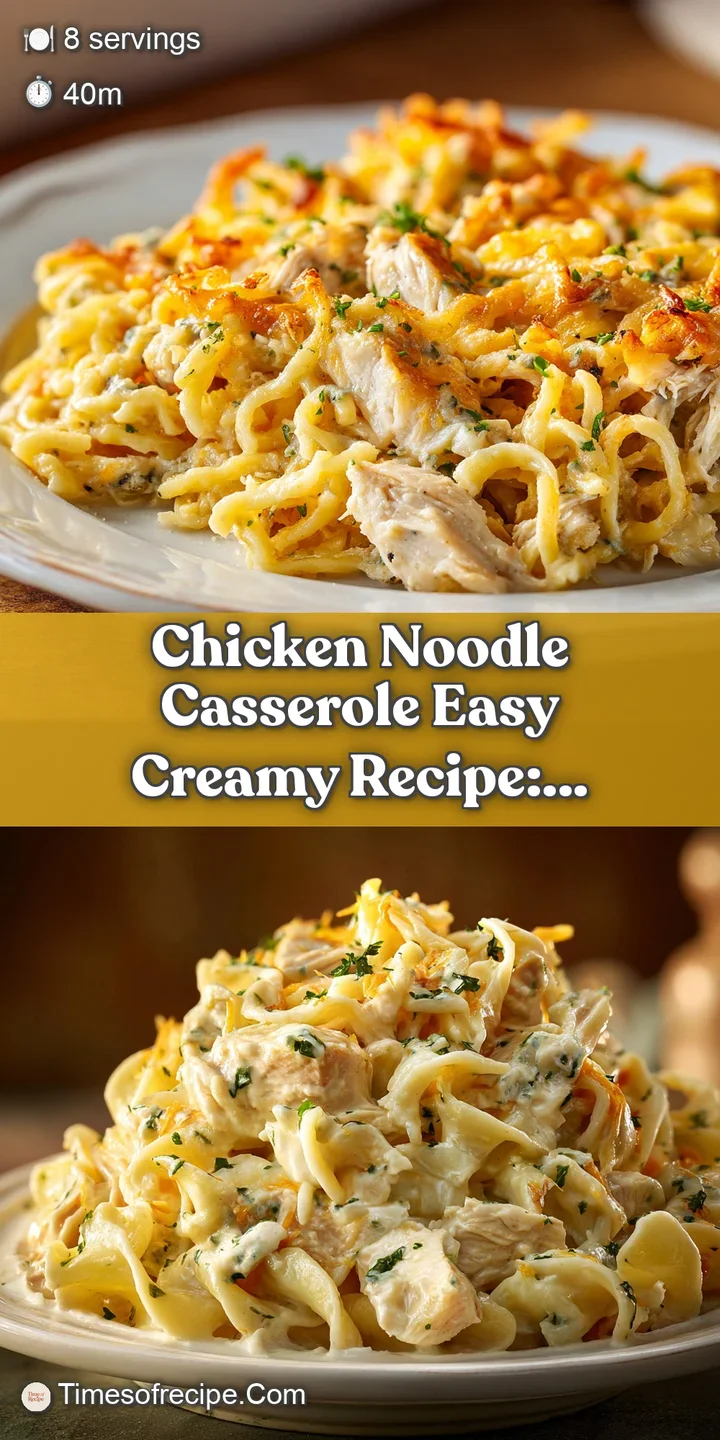
- Time: Active 15 minutes, Passive 25 minutes, Total 40 minutes
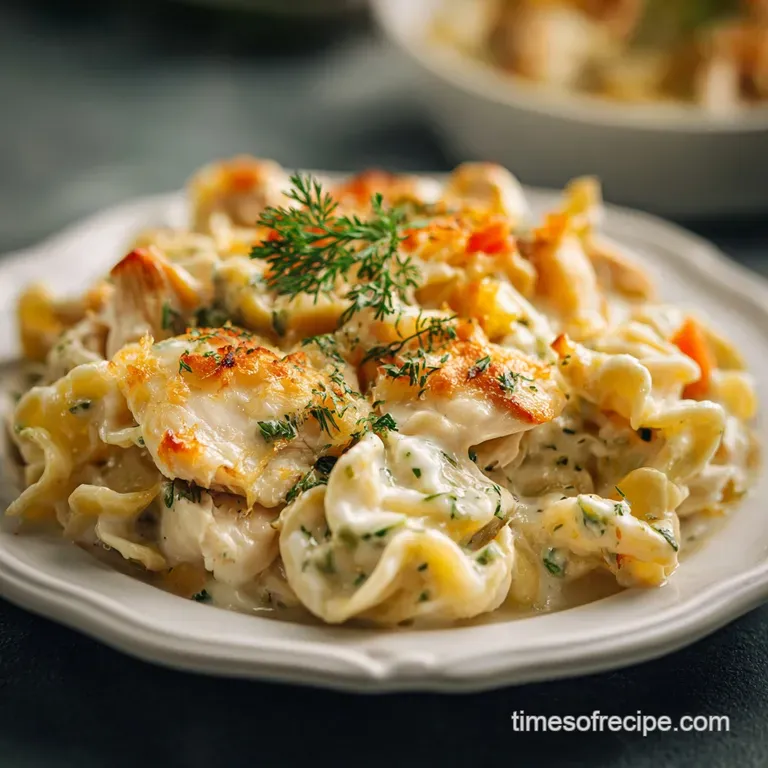
- Flavor/Texture Hook: Silky, savory chicken nestled in a velvety sauce under a shattering buttery crust.
- Perfect for: A high stress weeknight when only a hearty, family style meal will suffice.
- Chicken Noodle Casserole Easy Creamy Recipe Guide
- The Architecture of Bold Flavors
- Essential Performance Metrics and Data
- Hearty Ingredients and Smart Substitutes
- Necessary Tools for Casserole Success
- Executing the Golden Bake Sequence
- Correcting Texture and Flavor Errors
- Creative Swaps for Family Dinners
- Preserving Leftovers and Reheating Methods
- Choosing the Best Side Dishes
- Recipe FAQs
- 📝 Recipe Card
Chicken Noodle Casserole Easy Creamy Recipe Guide
Have you ever stood in your kitchen, the rain drumming against the window, just craving something that feels like a warm blanket? That was me last Tuesday. I had a pound of leftover chicken and a box of wide egg noodles, but I was tired of the same old bland bakes.
I started whisking, smelling the sharp tang of sour cream hitting the garlic powder, and suddenly the kitchen was filled with that unmistakable, homey aroma of a kitchen that actually cooks.
The magic happened when I pulled the dish out of the oven. The sound that specific, musical crackle of melted butter sizzling against crushed Ritz crackers told me I’d finally nailed it.
It wasn't just a "dump and bake" meal; it was a curated experience of textures, from the tender noodles to the velvety sauce that pooled perfectly on the plate.
This isn't one of those dry, spongy casseroles you remember from the school cafeteria. We're talking about a bold, satisfying meal that leans into the comfort of sharp cheddar and the richness of whole milk.
It’s a recipe I’ve tweaked through dozens of "oops, too dry" moments until reaching this specific balance of moisture and crunch that your family will ask for every single week.
The Architecture of Bold Flavors
Starch Hydration Control: Undercooking the egg noodles by exactly two minutes prevents them from turning into mush as they absorb the creamy sauce during the secondary bake.
The Emulsion Bridge: Sour cream acts as a stabilizing fat that prevents the condensed soup from breaking, maintaining a silky mouthfeel even at high temperatures.
Maillard Reaction Booster: Brushing the cracker topping with melted unsalted butter ensures rapid browning and a shattering texture that offsets the soft interior.
| Method | Cook Time | Texture Profile | Best For |
|---|---|---|---|
| Standard Oven | 25 minutes | Shattering crust, molten center | Traditional family dinner |
| Stovetop Finish | 10 minutes | Uniformly creamy, no crust | Ultra fast weeknight meal |
| Convection Bake | 18 minutes | Extra crispy edges, firm noodles | Lovers of "burnt" cheese bits |
Choosing the right method depends entirely on your texture preference, but the oven method is the gold standard for that classic "crunch meets cream" experience. If you find yourself in a rush, the stovetop version works, though you'll miss out on the structural integrity of the baked cracker lid. Similar to the logic we use in my BBQ Chicken Pasta recipe, the sauce needs a moment of high heat to truly bind with the protein and pasta.
Essential Performance Metrics and Data
| Component | Science Role | Pro Secret |
|---|---|---|
| Wide Egg Noodles | Structural Base | Shock in cold water after boiling to stop the starch from becoming gummy. |
| Sour Cream | Acidic Tenderizer | Use full fat only; the lactic acid brightens the heavy cream soup. |
| Ritz Crackers | Textural Contrast | Keep some pieces larger (quarter sized) for a more varied, "shattering" bite. |
| Sharp Cheddar | Flavor Anchor | Grate your own from a block to avoid the grainy anti caking cellulose in pre shredded bags. |
Between these key components, the sour cream is the real MVP because it provides a necessary tang that cuts through the richness. Without it, the casserole can feel one note and heavy; with it, you get a sophisticated depth that makes people wonder what "secret" ingredient you added.
Hearty Ingredients and Smart Substitutes
To recreate this chicken noodle casserole easy creamy recipe, you will need the following items from your pantry and fridge. I've included my favorite swaps for when you're in a pinch.
- 12 oz Wide egg noodles: The ridges are designed to catch every drop of sauce.
- 1 lb cooked chicken, shredded: Rotisserie chicken is a massive time saver here.
- 1 cup frozen peas and carrots: Adds a pop of sweetness and essential color.
- 10.5 oz condensed cream of chicken soup: The foundation of our velvety binder.
- 1 cup sour cream: Why this? Provides moisture and a sophisticated tang that prevents the dish from tasting flat.
- 0.5 cup whole milk: Thins the sauce just enough to coat the noodles without being watery.
- 1 tsp garlic powder: Provides a base layer of savory warmth.
- 1 tsp dried parsley: For a hint of earthy brightness.
- 0.5 tsp freshly cracked black pepper: Essential for cutting through the dairy.
- 0.5 cup shredded sharp cheddar cheese: Gives the sauce a bold, salty kick.
- 1 cup Ritz style crackers, crushed: The only way to get that signature buttery shatter.
- 3 tbsp unsalted butter, melted: Binds the crumbs and promotes even browning.
| Original Ingredient | Substitute | Why It Works |
|---|---|---|
| Sour Cream | Greek Yogurt (Plain) | Similar acidity and fat. Note: Slightly tangier finish. |
| Ritz Crackers | Panko Breadcrumbs | Provides crunch. Note: Add extra salt and butter for flavor. |
| Cream of Chicken | Cream of Mushroom | Identical consistency. Note: Adds an earthy, umami depth. |
If you are looking for another way to use up chicken and dairy, you might also love my Cheesy Chicken and recipe, which uses rice instead of noodles for a denser, more filling texture. Both recipes rely on that high fat dairy base to keep the protein juicy during the bake.
Necessary Tools for Casserole Success
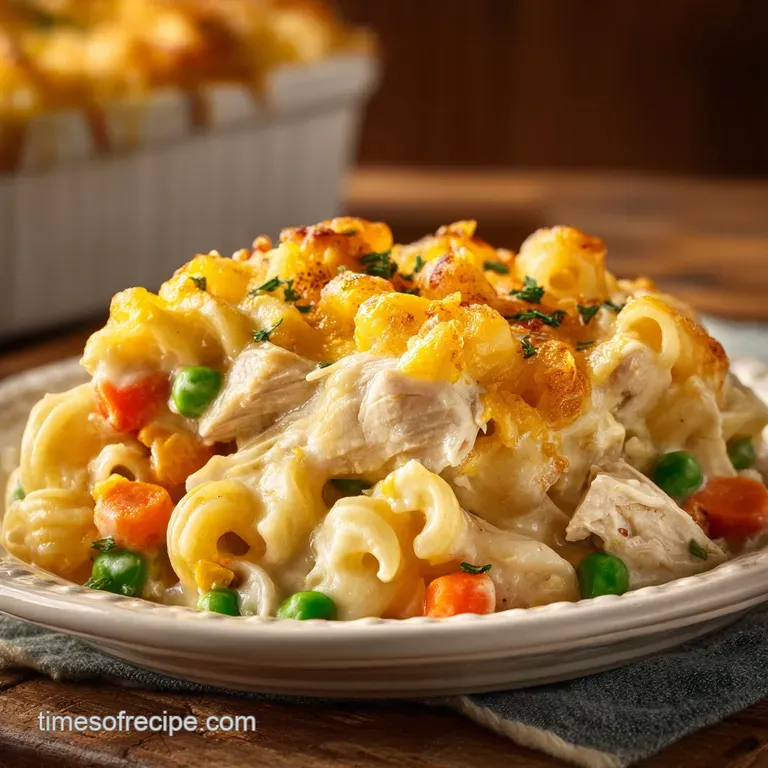
You don't need a professional kitchen, but a few specific items make a world of difference. First, a heavy bottomed 9x13 inch baking dish (glass or ceramic) is non negotiable for even heat distribution. If you use a thin metal pan, you risk scorching the bottom before the cheese has even melted.
A large mixing bowl think 5 quarts or larger is essential for tossing the noodles and chicken. You want enough space to fold the ingredients together gently; if the bowl is too small, you'll end up breaking the delicate egg noodles into unappealing fragments.
Finally, a sturdy whisk for the sauce ensures the sour cream and milk are perfectly emulsified before they hit the pasta.
Executing the Golden Bake Sequence
Mastering the Noodle Texture
Boil the 12 oz wide egg noodles in salted water for 2 minutes less than the package directions. Note: They will finish cooking in the sauce. Drain and rinse quickly with cold water until the steam stops rising.
Prepping the Base Components
In your largest bowl, whisk together the 10.5 oz cream of chicken soup, 1 cup sour cream, 0.5 cup whole milk, and the spices. Watch for a smooth, pale gold consistency without any lumps of sour cream.
Integrating the Protein
Fold in the 1 lb shredded chicken and 1 cup thawed peas and carrots. Add the 0.5 cup shredded cheddar. The mixture should look thick and heavily coated, not swimming in liquid.
Combining the Elements
Add the par boiled noodles to the bowl and toss gently using a silicone spatula. Note: A spatula prevents the noodles from tearing. Ensure every noodle is shimmering with the creamy sauce.
Preparing the Topping
In a separate small bowl, combine the 1 cup crushed Ritz crackers with 3 tbsp melted butter. Toss with a fork until the crumbs resemble wet sand.
The Assembly Phase
Transfer the mixture into a greased 9x13 baking dish, spreading it out into an even layer. Do not pack it down; keep it light and airy for better heat penetration.
Finishing the Golden Topping
Sprinkle the buttered cracker crumbs evenly over the top. The surface should be completely obscured by a golden beige layer of potential crunch.
The Final Bake
Place in a preheated 350°F (180°C) oven and bake for 25 minutes. Wait until the edges are bubbling and the cracker topping has turned a deep, toasted mahogany.
Correcting Texture and Flavor Errors
Fixing Soggy Noodle Problems
If your casserole turns out mushy, it’s usually because the noodles were fully cooked before entering the oven. The sauce acts as a secondary cooking liquid, so the pasta absorbs extra moisture. Next time, pull them out while they still have a definite "bite" or white center when snapped.
Boosting Muted Flavor Profiles
Sometimes a casserole can taste "flat" despite the salt. This usually means it lacks acidity. A tiny squeeze of lemon juice or an extra tablespoon of sour cream in the mix can wake up the savory notes of the chicken and cheese instantly.
| Problem | Root Cause | Solution |
|---|---|---|
| Dry Center | Not enough milk/fat | Add 1/4 cup extra milk next time. |
| Greasy Topping | Too much butter | Reduce butter to 2 tbsp or increase crackers. |
| Separated Sauce | Oven too hot | Ensure oven is exactly 350°F; don't use "broil." |
Common Mistakes Checklist: ✓ Never skip the noodle rinse; removing surface starch prevents the dish from becoming a solid block. ✓ Avoid low-fat sour cream; the lower fat content often leads to the sauce breaking or curdling.
✓ Don't crush the crackers into a fine dust; you want pea sized shards for the best "shatter" effect. ✓ Ensure the peas and carrots are fully thawed; frozen veggies release water and dilute the sauce. ✓ Wait 5 minutes after pulling from the oven to let the sauce set before serving.
Creative Swaps for Family Dinners
Downscaling this dish for a cozy dinner for two is simple. Use a 9x5 inch loaf pan and cut all ingredients in half. For the egg, since we don't use one here, just ensure your liquid ratios remain consistent. Reduce the bake time to 18-20 minutes, as the smaller thermal mass heats up much faster.
If you're scaling up for a potluck (doubling the recipe), use two separate 9x13 pans rather than one giant deep dish. A deeper pile of noodles often results in a cold center and overcooked edges.
When doubling, you only need to increase the garlic powder and pepper to 1.5x the original amount, as spices can become overwhelming in large volumes.
Chef's Note: If you want an even bolder flavor, toss the shredded chicken in the garlic powder and black pepper before adding it to the wet ingredients. This seasons the meat directly rather than just flavoring the sauce.
Preserving Leftovers and Reheating Methods
This casserole stays fresh in the fridge for up to 4 days if stored in an airtight container. The noodles will continue to absorb moisture as they sit, so you might find the leftovers are even thicker the next day.
To reheat, add a splash of milk and cover the dish with foil before popping it back in the oven at 350°F for 15 minutes. This creates a mini steam chamber that revives the velvety texture.
For freezing, this dish is a champion. Assemble the casserole fully but do not bake it. Wrap the dish tightly in a double layer of plastic wrap and then aluminum foil. It will stay perfect for up to 3 months.
When you're ready to eat, thaw it overnight in the fridge and bake as directed, adding about 10 minutes to the total time since the core will be colder than a fresh batch.
Choosing the Best Side Dishes
Since this is such a hearty, bold meal, I always pair it with something that provides a crisp, fresh contrast. A simple arugula salad with a sharp lemon vinaigrette is my go to. The peppery bite of the greens cuts right through the creamy cheddar sauce, cleaning your palate between bites.
If you want to stay in the "comfort" lane, roasted green beans with a bit of lemon zest are fantastic. The char from the roasting adds a smoky dimension that complements the buttery Ritz topping.
Honestly, even a simple plate of steamed broccoli works wonders the little florets act like sponges for any extra sauce left on your plate. Trust me, you won't want to leave a single drop of that creamy goodness behind!
Recipe FAQs
Is it necessary to rinse the noodles after boiling for this casserole?
Yes, you must rinse them. Rinsing them quickly with cold water stops the cooking process immediately and washes off surface starch, which prevents the final dish from setting into a solid, gummy block during baking.
How do I prevent the creamy sauce from becoming dry or separating in the oven?
Incorporate full fat sour cream and whole milk. The higher fat content stabilizes the condensed soup base, ensuring the emulsion remains silky and binds to the pasta rather than separating under heat.
How to guarantee the cracker topping achieves a crunchy, shattering texture?
Brush the crushed crackers thoroughly with melted butter before topping. This fat promotes rapid, even browning (Maillard reaction) and prevents the crumbs from drying out into a dusty layer.
Can I use pre-shredded cheese instead of grating my own cheddar?
No, grating your own cheese provides superior melt quality. Pre-shredded cheese contains anti caking agents like cellulose which prevent it from melting smoothly into the sauce, often resulting in a grainy texture.
How much should I undercook the noodles before baking?
Pull the noodles two minutes shy of the package directions. Since the pasta finishes cooking in the sauce in the oven, undercooking them prevents them from absorbing too much liquid and turning them mushy or fragile.
What is the secret to adding brightness to such a rich, dairy heavy casserole?
Introduce an acid, specifically using full fat sour cream. The lactic acid in the sour cream cuts through the heavy cream and cheese, preventing the flavor profile from tasting too flat or heavy, similar to how we balance acidity in a [Garlic Butter Chicken recipe].
How to quickly prepare the shredded chicken needed for this recipe?
Use a rotisserie chicken for speed or boil chicken breasts until tender. For the fastest result, use the shredding technique from our guide on Shredded Chicken in recipe; this method ensures the meat stays moist enough to blend seamlessly into the casserole.
Creamy Chicken Noodle Casserole
Ingredients:
Instructions:
Nutrition Facts:
| Calories | 433 kcal |
|---|---|
| Protein | 27.6 g |
| Fat | 19.6 g |
| Carbs | 41.5 g |
| Fiber | 2.1 g |
| Sugar | 3.8 g |
| Sodium | 745 mg |
