Creamy Chicken Spaghetti: Velvety and Baked
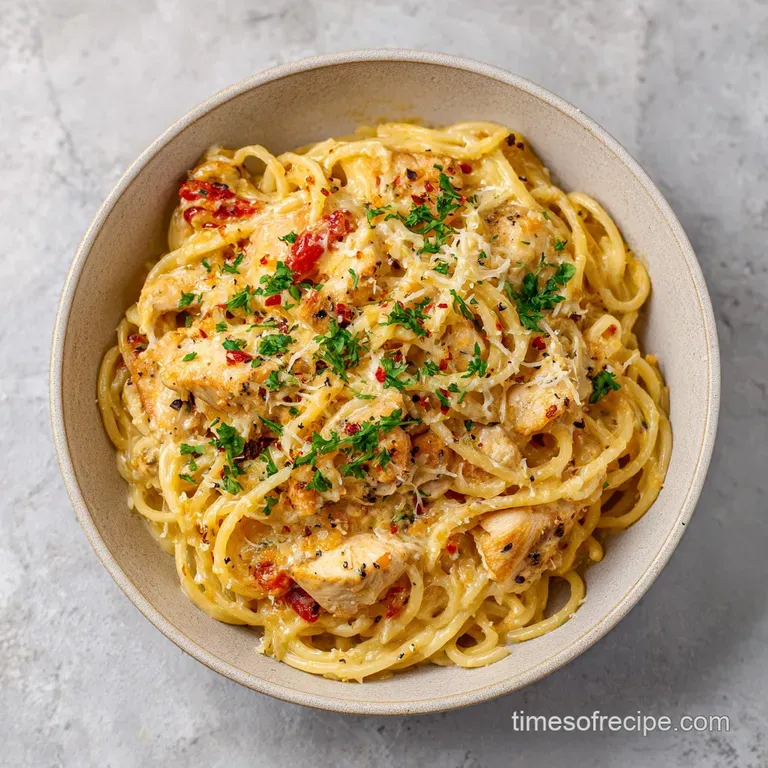
- Time: Active 15 minutes, Passive 25 minutes, Total 40 minutes
- Flavor/Texture Hook: A velvety, tangy sauce with a golden, bubbling cheddar crust.
- Perfect for: Stress free weeknight dinners or a crowd-pleasing potluck contribution.
- Why This Creamy Chicken Spaghetti Is The Ultimate Comfort Food
- The Secret To A Perfectly Balanced Pasta Bake
- Component Analysis of Our Creamy Base
- The Essential Pantry Staples For This Million Dollar Bake
- Simple Kitchen Tools For A Successful Pasta Casserole
- Step By Step Guide To Creating This Cheesy Masterpiece
- Solving Every Possible Texture Issue For The Best Result
- Creative Ways To Personalize Your Cheesy Chicken Spaghetti
- Storing And Reheating Your Leftovers For Maximum Flavor
- The Best Sides To Pair With Your Rich Pasta
- Debunking Common Pasta Bake Misconceptions
- CRITICAL Sodium Alert
- Recipe FAQs
- 📝 Recipe Card
Why This Creamy Chicken Spaghetti Is The Ultimate Comfort Food
Have you ever walked into a kitchen and been immediately hit by that specific, mouth watering scent of bubbling cheese and tangy tomatoes? It’s the kind of aroma that makes you drop your keys and head straight for the stove. That is exactly what happens every single time I pull this dish out of the oven.
There is something almost magical about the way the sharp cheddar melts into the cream of chicken base, creating a sauce so thick it clings to every single noodle without ever feeling heavy or greasy.
I remember the first time I brought this cheesy chicken spaghetti to a neighborhood gathering. I was a bit nervous because everyone else brought these fancy, complicated dishes, and here I was with a 9x13 pan of spaghetti.
But within twenty minutes, people were scraping the corners of the dish to get every last bit of that crispy, golden brown cheese. It’s a total crowd pleaser that manages to feel both nostalgic and incredibly satisfying.
We aren't just making dinner here; we are building a meal that feels like a big, warm hug after a long day.
The real secret lies in the balance of textures. You get that initial "shatter" of the baked cheese on top, followed immediately by the silky, velvety pasta underneath. It’s not just about throwing things in a bowl; it’s about the specific way we layer the flavors.
The acidity from the green chilies in the Rotel cuts right through the richness of the sour cream, making sure every bite is bright and interesting rather than one dimensional. Trust me, once you try this version, the standard "pasta and sauce" routine will feel like it's missing something vital.
The Secret To A Perfectly Balanced Pasta Bake
Understanding the mechanics of a casserole helps us move from just following a recipe to truly "feeling" the food. This dish works because of a few specific interactions between the starches, fats, and acids.
- Starch Integration: By undercooking the spaghetti, we leave the internal starch "thirsty." When it hits the sauce, it absorbs the chicken broth instead of just sitting in it, which binds the sauce to the noodle.
- Acid Counterpoint: The tomatoes and green chilies provide citric acid, which prevents the heavy fats in the sour cream and cheese from feeling cloying on the palate.
- Fat Emulsification: Whisking the sour cream with the condensed soup creates a stable emulsion that won't "break" or become oily under the high heat of the oven.
- Moisture Retention: Using a "full fat" sour cream provides the necessary lipids to keep the chicken breast meat from drying out during the 25 minutes of baking.
| Cook Method | Total Time | Texture | Best For |
|---|---|---|---|
| Traditional Bake | 40 minutes | Crispy top, velvety center | Family dinner with a golden crust |
| Stovetop Only | 20 minutes | Extra saucy and loose | Ultra fast weeknight hunger |
| Slow Cooker | 3 hours | Very soft, integrated flavors | Hands off prep for busy days |
This comparison highlights that while the stovetop is faster, you lose that essential contrast between the bubbling cheese top and the tender interior. For the most satisfying results, the oven baked method is the clear winner because it develops those deep, toasted cheese flavors that a stovetop simply can't replicate. If you're looking for another rich, cheese forward option, my White Cheddar Chicken Pasta is a fantastic stovetop alternative when you're really short on time.
Component Analysis of Our Creamy Base
| Ingredient | Science Role | Pro Secret |
|---|---|---|
| Sour Cream | Provides lactic acid to tenderize the chicken fibers. | Always use full fat; low-fat versions can curdle and become grainy in the oven. |
| Pasta Water | Acts as a liquid bridge between the fat and the starch. | This is "liquid gold" the starch helps the sauce cling to the slippery spaghetti. |
| Sharp Cheddar | Adds complex proteins that brown beautifully. | Grate it yourself from a block to avoid the powdery anti caking agents that ruin the melt. |
| Rotel (Tomatoes) | Adds moisture and a necessary vinegar like punch. | Don't drain the can! That liquid is packed with concentrated tomato flavor and spice. |
Understanding these components ensures that your Creamy Chicken Spaghetti never ends up as a dry, clumpy mess. Each piece has a job to do, from the structural integrity of the noodles to the chemical breakdown of the proteins.
The Essential Pantry Staples For This Million Dollar Bake
Gathering your ingredients is the first step toward a successful meal. For this recipe, we are looking for bold, hearty flavors that satisfy the whole family.
- 16 oz dried spaghetti: Why this? The long strands provide the perfect surface area for the creamy sauce to coat.
- 1.5 lbs cooked and shredded chicken breast: Why this? Lean protein that stays tender when folded into the moisture rich sauce.
- 1 tbsp salt for pasta water: Why this? This is your only chance to season the actual noodle from the inside out.
- 21 oz cream of chicken soup (two 10.5 oz cans): Why this? Provides a consistent, savory base that thickens perfectly during the bake.
- 1 cup full fat sour cream: Why this? Adds the signature tang and silky mouthfeel that distinguishes this from basic bakes.
- 10 oz canned diced tomatoes and green chilies (Rotel), undrained: Why this? Provides the acidity and a subtle heat that wakes up the heavy cream base.
- 0.5 cup chicken broth: Why this? thins the sauce just enough so it can permeate the pasta layers.
- 1 tsp onion powder: Why this? Distributes savory flavor evenly without the texture of raw onion chunks.
- 1 tsp garlic powder: Why this? Provides a reliable, warm aromatic backbone to the entire dish.
- 0.5 tsp freshly cracked black pepper: Why this? Essential for cutting through the richness of the cheese and soup.
- 2 cups freshly grated sharp cheddar cheese: Why this? The "sharp" variety stands up to the creaminess without getting lost.
- 1 cup shredded mozzarella cheese: Why this? Offers that classic, stretchy cheese pull that everyone loves.
If you find yourself missing the sour cream, Greek yogurt is a decent substitute, though it adds a sharper tang. For the chicken, a store-bought rotisserie chicken is an absolute lifesaver. Just shred it up while it's still warm, and you've saved yourself 20 minutes of prep time.
Simple Kitchen Tools For A Successful Pasta Casserole
You don't need a high end kitchen to make this work, but having the right tools makes the process much smoother.
- Large Stockpot: You need plenty of room for the 16 oz of spaghetti to move around. If the pot is too small, the pasta will clump and cook unevenly.
- 9x13 inch Baking Dish: This is the standard size for this volume of food. It provides enough surface area for a generous layer of cheese on top.
- Large Mixing Bowl: You'll want something bigger than you think for whisking the soup and sour cream, then folding in all that pasta.
- Colander: For draining the pasta, but remember to pull out that 1/4 cup of starchy water first!
- Box Grater: Truly, a block of cheese and a grater will result in a much better melt than any pre shredded bag ever could.
Chef's Tip: Before you start whisking your sauce, lightly grease your baking dish with butter or cooking spray. It makes the cleanup significantly easier and prevents those tasty crispy edges from sticking to the porcelain.
step-by-step Guide To Creating This Cheesy Masterpiece
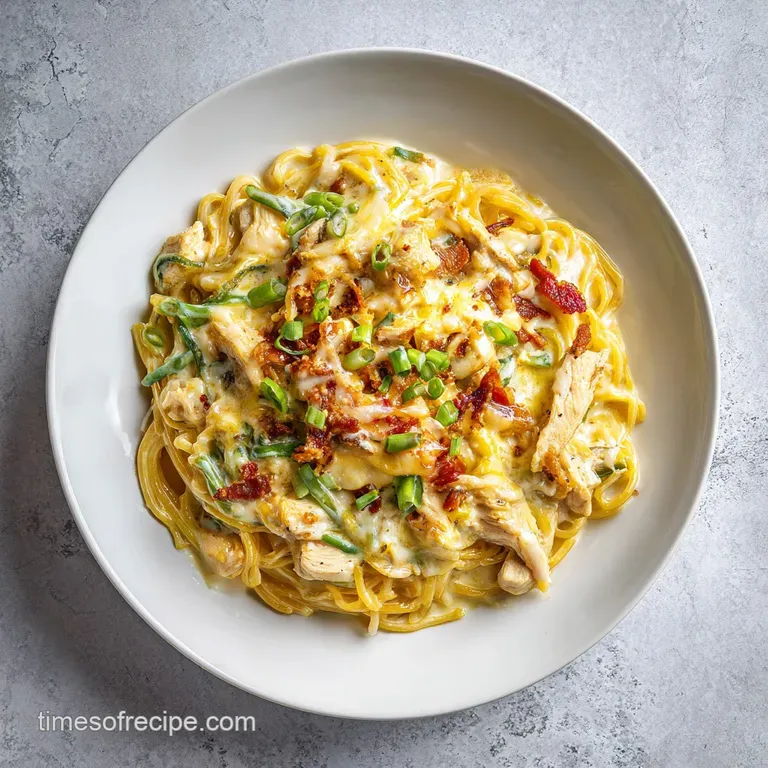
Let's get cooking. Follow these steps carefully to ensure your cheesy chicken spaghetti comes out exactly right every time.
- Boil the spaghetti: Bring a large pot of water to a rolling boil and add 1 tbsp of salt. Drop the 16 oz of spaghetti and cook it for 2 minutes less than the package says. Note: This prevents the pasta from turning into mush during the second cook in the oven.
- Save the water: Before draining, carefully dip a measuring cup into the pot and reserve 1/4 cup of the starchy pasta water. Look for the cloudy, opaque liquid—that's the starch we need.
- Whisk the base: In your large mixing bowl, combine the two cans of cream of chicken soup, 1 cup of sour cream, the undrained Rotel, 0.5 cup chicken broth, onion powder, garlic powder, and black pepper. Whisk until the mixture is completely smooth and a pale orange color.
- Combine the solids: Gently fold the 1.5 lbs of shredded chicken and the under cooked spaghetti into the sauce.
- Adjust the consistency: If the mixture looks a bit stiff or doesn't move easily when you stir, add that reserved 1/4 cup of pasta water. The mixture should look glossy and wet.
- Add the first layer of cheese: Stir in 1 cup of the sharp cheddar and 0.5 cup of the mozzarella directly into the pasta mixture. Note: This ensures there is cheesy goodness inside the casserole, not just on top.
- Transfer to the dish: Pour the entire mixture into your prepared 9x13 inch baking dish and spread it out evenly with a spatula.
- The final topping: Sprinkle the remaining 1 cup of cheddar and 0.5 cup of mozzarella over the top in an even layer.
- The Bake: Place the dish in a preheated oven at 350°F (175°C). Bake for 25 minutes.
- The visual cue: Remove the dish when the sauce is bubbling vigorously at the edges and the cheese is golden brown and slightly toasted. You should smell a rich, savory aroma of toasted cheese and garlic filling the room.
Solving Every Possible Texture Issue For The Best Result
Sometimes things go sideways in the kitchen, but almost every issue with this recipe is fixable. The most common complaint is usually a "dry" casserole, which almost always comes from either overcooking the noodles in the water or leaving the dish in the oven for too long.
Why Your Spaghetti Turned Mushy
If your noodles lack "bite," they were likely fully cooked before they went into the oven. Remember, the pasta continues to cook as it absorbs the sauce in the baking dish. Always aim for "al dente" or even slightly firm when you drain them.
If you've already overcooked them, reduce your baking time by 10 minutes and just focus on melting the cheese on top.
Fixing a Broken or Oily Sauce
A "broken" sauce looks curdled or has a layer of yellow oil on top. This usually happens if you use low-fat dairy or if the oven was too hot. If you see this happening, don't panic. Give the casserole a quick, gentle stir once it comes out of the oven.
The starch in the pasta will often help re emulsify the fats as it cools slightly.
| Problem | Root Cause | Solution |
|---|---|---|
| Dry Texture | Not enough liquid or over baked. | Add an extra 1/4 cup of broth or reserved pasta water before baking. |
| Bland Flavor | Under salted pasta water or weak broth. | Increase the black pepper or add a pinch of smoked paprika to the sauce. |
| Greasy Top | Using pre shredded cheese with fillers. | Switch to block cheese and grate it fresh for a cleaner melt. |
To avoid these issues entirely, keep this checklist in mind as you prep:
- ✓ Always salt your pasta water heavily; it should taste like the sea.
- ✓ Do not drain the Rotel; that juice is essential for the moisture level.
- ✓ Grate your own cheese to ensure a smooth, velvety melt.
- ✓ Let the dish rest for 5-10 minutes after baking to allow the sauce to set.
- ✓ Use full fat sour cream for the most stable and rich emulsion.
Creative Ways To Personalize Your Cheesy Chicken Spaghetti
One of the best things about this recipe is how easy it is to tweak. Once you have the base down, you can start experimenting with different flavors to keep it interesting. If you love a bit of a kick, try swapping the plain Rotel for the "Hot" version with habaneros, or add a teaspoon of red pepper flakes to the sauce whisking stage.
For a veggie boost, I love folding in two cups of steamed broccoli florets or a can of drained sweet corn. It adds a nice crunch and some color to the plate. If you want to lean into the "Million Dollar" aspect, you can even add a layer of cream cheese dollops in the middle of the casserole for an extra layer of decadence. If you're a fan of beefier flavors, you might want to look at my and Beef (1h 50min) recipe, which uses a similar "hearty and inviting" philosophy but with a red sauce base.
- If you want it extra crispy: Mix 1/2 cup of Panko breadcrumbs with a tablespoon of melted butter and sprinkle it over the cheese before baking.
- If you want it smokier: Use smoked provolone instead of mozzarella and add a dash of liquid smoke or smoked paprika to the sauce.
- If you want it lighter: Use cooked turkey breast and replace the sour cream with plain Greek yogurt (just be aware it will be tangier!).
Storing And Reheating Your Leftovers For Maximum Flavor
This dish is actually one of those rare meals that might even taste better the next day. As it sits in the fridge, the flavors have more time to mingle, and the pasta continues to absorb that savory sauce.
Fridge Storage: Keep leftovers in an airtight container for up to 4 days. When you go to reheat it, the pasta will have absorbed a lot of the moisture. I recommend adding a splash of milk or chicken broth before popping it in the microwave to bring that "velvety" texture back to life.
Freezing Instructions: You can freeze this casserole either before or after baking. If freezing before, assemble everything but the final cheese topping, wrap tightly in plastic wrap and then foil, and freeze for up to 3 months.
To bake from frozen, add an extra 20 minutes to the cook time and cover with foil for the first half so the cheese doesn't burn.
Zero Waste Tip: Don't toss the bones if you're using a whole chicken for this! Throw those bones in a pot with some water, celery scraps, and onion skins to make your own chicken broth for the next time you make this recipe. It’s a great way to squeeze every bit of value out of your ingredients.
The Best Sides To Pair With Your Rich Pasta
Since this creamy chicken spaghetti is quite rich and heavy on the comfort scale, I usually like to serve it with something bright and crisp to balance the plate. A simple green salad with a sharp vinaigrette is the perfect partner.
The acidity in a lemon or balsamic dressing cuts right through the cheddar and cream of chicken sauce.
If you’re going for a full "Sunday Dinner" feel, you can’t go wrong with some garlic bread. I like to make mine extra "shatteringly" crisp to contrast with the soft pasta. Roasted green beans with a bit of lemon zest or steamed asparagus also work beautifully.
The goal is to provide a fresh element that prevents the meal from feeling too heavy.
When it comes to beverages, a cold glass of iced tea or a crisp white wine like a Sauvignon Blanc works wonders. The high acidity in the wine acts as a palate cleanser between bites of cheesy goodness. No matter how you serve it, this dish is designed to bring people together.
It’s simple, honest food that reminds us why we love cooking in the first place to share something satisfying with the people we care about.
Debunking Common Pasta Bake Misconceptions
There are a lot of "rules" in the culinary world that actually hold us back from making the best possible version of a dish like this. Let's clear a few things up so you can cook with confidence.
Myth: You must rinse your pasta after boiling. Actually, rinsing pasta is one of the worst things you can do for a casserole. Rinsing removes the surface starch that helps the sauce actually stick to the noodle. If you rinse, the sauce will just slide right off and pool at the bottom of the dish.
Myth: Pre shredded cheese is "just as good." I know it's a tempting shortcut, but pre shredded cheese is coated in potato starch or cellulose to keep the shreds from sticking together in the bag. This prevents it from melting into a smooth, cohesive layer.
For that true "velvety" feel, spending three minutes with a box grater is the single best investment you can make in this dish.
Myth: Searing the chicken "locks in" the juices. Searing chicken is great for adding flavor through the Maillard reaction (that's the brown crust), but it doesn't actually create a moisture barrier.
The real key to juicy chicken in this bake is the sour cream and the fat from the cheese, which creates a protective environment that prevents the protein fibers from drying out during the 25 minutes in the oven.
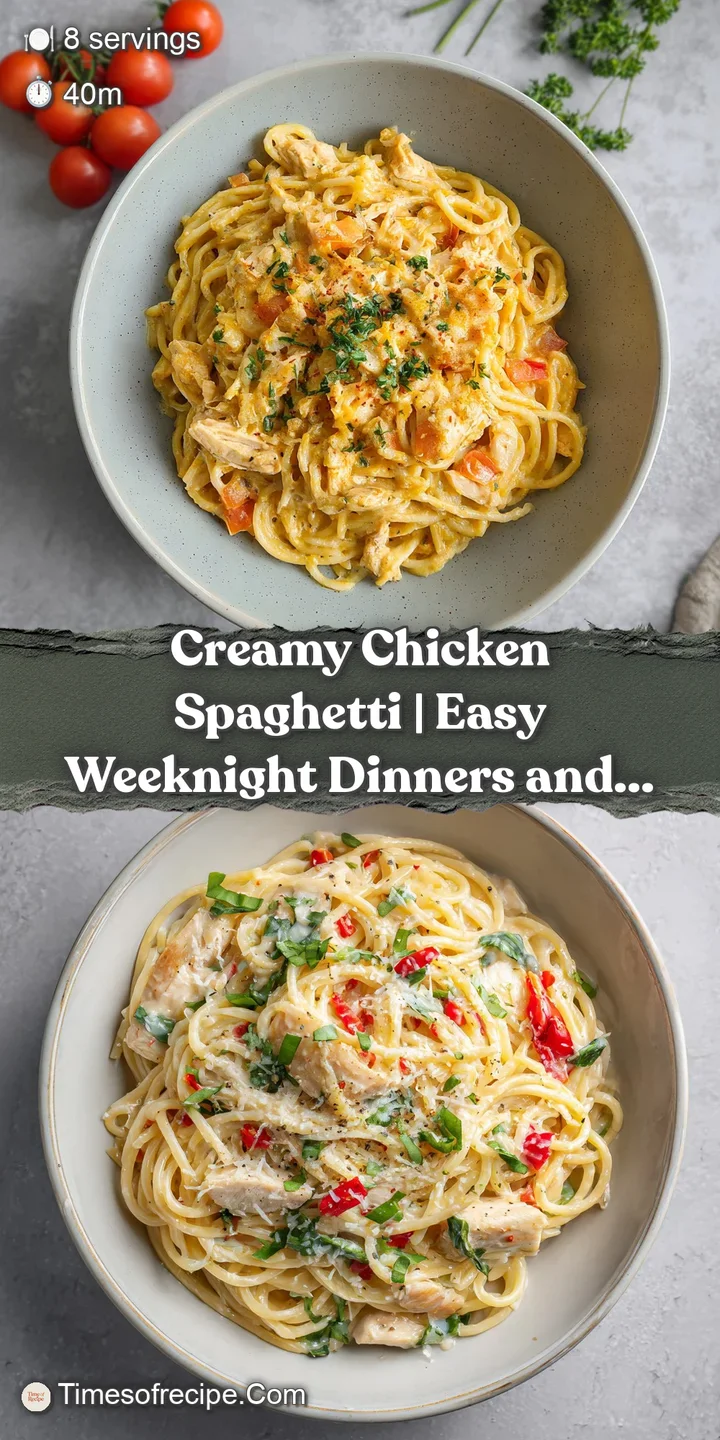
CRITICAL Sodium Alert
1645 mg 1645 mg of sodium per serving (72% 72% of daily value)
The American Heart Association recommends no more than 2,300mg of sodium per day, with an ideal limit of about 1,500mg for most adults.
Tips to Reduce Sodium in Your Spaghetti with Chicken
-
Choose Low-Sodium Cream of Chicken Soup-30%
Replace the 21 oz of regular cream of chicken soup with low-sodium or no-salt added versions. This is the biggest sodium contributor.
-
Opt for Low-Sodium Chicken Broth-25%
Switch the 0.5 cup of chicken broth to a low-sodium or no-salt added variety to significantly cut sodium.
-
Rinse Canned Tomatoes and Chilies-15%
Drain and rinse the canned diced tomatoes and green chilies thoroughly before adding them to the recipe. This removes excess liquid and salt.
-
Use Reduced Sodium Cheese-10%
Opt for reduced sodium sharp cheddar and mozzarella cheeses. While cheese has natural sodium, lower sodium versions are available.
-
Eliminate Added Salt for Pasta-10%
Omit the 1 tbsp of salt typically added to pasta water. The pasta will still absorb flavor from the sauce ingredients.
-
Boost Flavor with Herbs and Spices
Increase the onion powder and garlic powder, and consider adding other herbs like dried parsley, basil, or oregano for extra flavor without added salt.
Recipe FAQs
What is the best cheese for chicken spaghetti?
Sharp cheddar and mozzarella. The sharp cheddar provides a bold, tangy flavor, while the mozzarella offers the perfect stretch and melt needed to bind the sauce together.
Can you put cream cheese in chicken spaghetti?
No, this is not part of the traditional recipe. The silky texture is achieved by combining the sour cream, cream of chicken soup, and reserved pasta water, which creates a lighter sauce than cream cheese would produce.
What are some common mistakes to avoid when making chicken spaghetti?
Overcooking the pasta is the most common error. Always pull the spaghetti out two minutes before the package directions suggest; if you enjoy mastering this kind of texture control, you can apply similar logic to our creamy Cajun shrimp pasta recipe.
Can I add cream of chicken to my spaghetti sauce?
Yes, it is a core ingredient. Using two 10.5-ounce cans of cream of chicken soup creates the essential savory base for this dish.
How to keep the sauce from drying out in the oven?
Add the reserved starchy pasta water during mixing. This liquid is the secret to maintaining a silky, consistent texture that prevents the pasta from soaking up all the moisture while it bakes for 25 minutes at 350°F.
How to ensure the chicken stays tender?
Use pre-cooked, shredded chicken breast. Because the chicken is already cooked, it only needs to be folded into the sauce mixture and heated through, preventing it from drying out during the baking phase.
Is it true the casserole must sit before serving?
No, this is a common misconception. You should serve the dish immediately once the 25-minute bake time is up and the cheese is golden brown to ensure the best possible texture.
Creamy Chicken Spaghetti
Ingredients:
Instructions:
Nutrition Facts:
| Calories | 627 kcal |
|---|---|
| Protein | 45 g |
| Fat | 26 g |
| Carbs | 51 g |
| Fiber | 3 g |
| Sugar | 4 g |
| Sodium | 1645 mg |
