Black Bean Quesadillas: Crispy Smash Technique
- Time: Active 10 minutes, Passive 10 minutes, Total 20 minutes
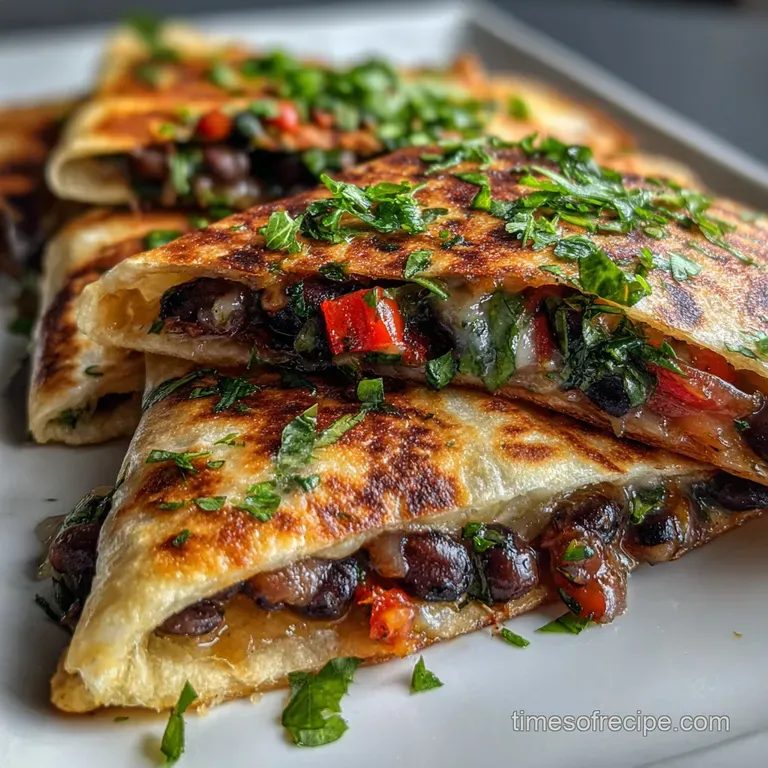
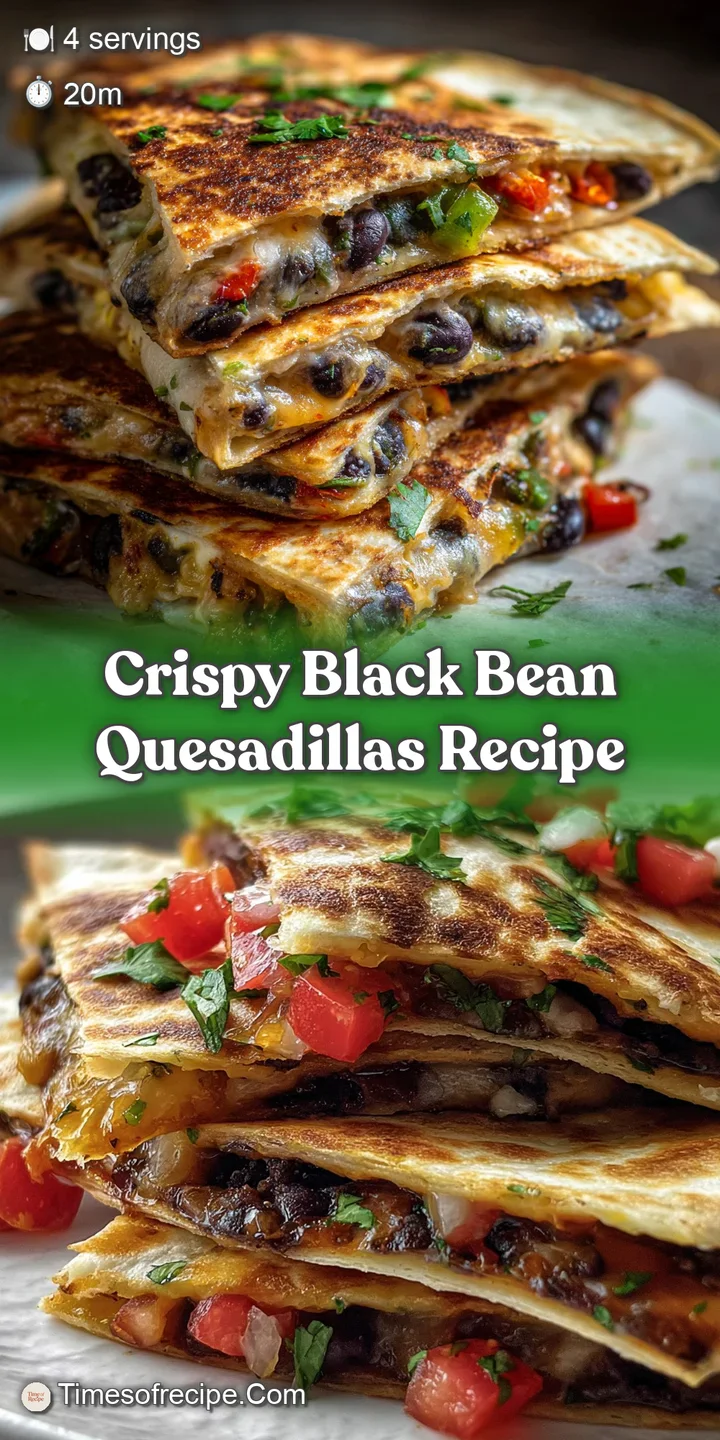
- Flavor/Texture Hook: Smoky, velvety black beans encased in a crispy, golden brown tortilla
- Perfect for: Weeknight comfort, busy families, or a protein packed vegetarian lunch
- Achieving Hearty Crunch with these Bold Black Bean Quesadillas
- The Physics of the Bean to Cheese Bond
- Essential Specifications for Heat and Texture
- Component Analysis for Maximum Flavor Impact
- Selecting Elements for Boldly Seasoned Black Bean Quesadillas
- Tools for Achieving a Velvety Interior
- The Culinary Choreography of the Fold and Sear
- Effective Strategies for Texture Correction
- Scaling for Large Families or Solo Lunches
- Debunking Stovetop Cooking Myths
- Storage Strategies and Reducing Food Waste
- Hearty Pairings to Complete the Comfort Meal
- High in Sodium
- Recipe FAQs
- 📝 Recipe Card
Achieving Hearty Crunch with these Bold Black Bean Quesadillas
The first time I attempted to make these for my family, it was a total disaster. I vividly remember the hiss of the pan as I dropped in a fully loaded tortilla, only to have half the beans roll out and char against the cast iron. The kitchen smelled like burnt cumin and defeat.
I realized then that a great quesadilla isn't just about stuffing things between bread; it is an exercise in structural engineering and moisture control.
When you get it right, the sizzle of the tortilla hitting the oil is like music. You want to hear that high pitched crackle that promises a flaky, brittle exterior. Since that smoky smelling afternoon, I've spent years tweaking the ratio of "smash" to "whole beans" to ensure every bite is hearty and satisfying without the filling escaping.
We aren't looking for a soggy bean burrito; we want something that shatters when you bite into it, revealing a velvety, spice heavy center.
Trust me, once you master the balance of the pickled jalapeño tang against the fatty Monterey Jack, you'll never go back to the bland, microwaved versions. We are building layers of comfort here.
I've learned the hard way that the secret isn't just the ingredients, but how you treat them before they ever touch the pan. Let’s get into why this method actually works every single time.
The Physics of the Bean to Cheese Bond
To get that restaurant quality finish, we have to look at how the ingredients interact under heat. This isn't just cooking; it's chemistry you can taste.
- Starch Adhesion: Mashing roughly half of the black beans releases internal starches that act as a natural "glue," preventing the whole beans from tumbling out when you flip the tortilla.
- Fat Capillary Action: Using a neutral oil with a high smoke point allows the tortilla to fry rather than just toast, creating a microscopic layer of bubbles that results in a shattering texture.
- Thermal Meltdown: Monterey Jack has a high moisture content and low melting point, ensuring it turns velvety and coats the beans before the tortilla burns.
- Acid Brightness: The lime juice and pickled jalapeño liquid break through the dense protein of the beans, providing a sharp contrast that keeps the palate refreshed.
| Feature | Fresh Filling Prep | Shortcut Filling Prep | Resulting Impact |
|---|---|---|---|
| Bean Texture | Rinsed, dried, and hand mashed | Straight from the can with liquid | Shortcut leads to a soggy, "steamed" tortilla. |
| Aromatic Mix | Hand minced cilantro and jalapeño | Pre jarred salsa mix | Fresh provides vibrant, distinct hits of flavor. |
| Spice Bloom | Toasted in the pan with beans | Sprinkled cold on top | Toasting deepens the smoky paprika notes significantly. |
Finding the right balance between convenience and flavor is key to a hearty meal. While it is tempting to dump everything in at once, taking three minutes to dry your beans will change the entire structural integrity of your lunch.
Essential Specifications for Heat and Texture
Cooking a quesadilla is a fast paced process, so having your targets in mind is vital for success. If the pan is too cold, the tortilla soaks up oil and becomes greasy; if it's too hot, the cheese won't melt before the outside turns black.
- Pan Temperature: Aim for 190°C (375°F) on a surface thermometer or until a drop of water dances and evaporates instantly.
- Bean Weight: Each tortilla should hold approximately 110g of the prepared filling to prevent "blowouts."
- Total Cook Time: Exactly 2 to 3 minutes per side.
- Resting Period: 90 seconds on a wire rack to allow the cheese to set and the crust to stay crispy.
If you find yourself making these for a crowd, it is much like the technique used for a Savory Black Eyed recipe where consistency in heat determines the final mouthfeel.
Component Analysis for Maximum Flavor Impact
| Ingredient | Science Role | Pro Secret |
|---|---|---|
| Black Beans | Dense protein base and structural filler | Rinse until the water is clear to remove metallic canned aftertaste. |
| Monterey Jack | Emulsifier and moisture barrier | Always grate from a block; pre shredded cheese is coated in starch that prevents a smooth melt. |
| Smoked Paprika | Provides "Maillard adjacent" depth | Use Spanish Pimentón for a deep, wood fired aroma that mimics bacon. |
| Lime Juice | Protein denaturant and flavor sharpener | Add it at the very end of filling prep to keep the cilantro from wilting. |
Selecting Elements for Boldly Seasoned Black Bean Quesadillas
Getting the right ingredients is the difference between a sad snack and a satisfying dinner. We aren't cutting corners on the fat or the spices here.
- 1 can (425g) black beans: Thoroughly rinsed and patted bone dry. Why this? Excess moisture is the enemy of a crispy tortilla.
- 225g shredded Monterey Jack cheese: Freshly grated. Why this? Superior meltability and mild flavor that doesn't mask the spices.
- 4 large (25cm) flour tortillas: Fresh and pliable. Why this? Larger tortillas allow for a better seal and more filling.
- 1 tsp ground cumin: For earthy, nutty undertones.
- 1 tsp smoked paprika: To provide that signature "hearty" campfire flavor.
- 0.5 tsp garlic powder: Even distribution of flavor without the risk of burning fresh cloves.
- 1 tbsp fresh lime juice: Essential for cutting through the richness of the cheese.
- 1 tbsp pickled jalapeños: Finely chopped for a controlled heat.
- 0.25 cup fresh cilantro: Minced finely to distribute its citrusy notes.
- 1 tbsp neutral oil: Avocado or grapeseed oil works best for over high heat searing.
| Original Ingredient | Substitute | Why It Works |
|---|---|---|
| Monterey Jack | Pepper Jack | Adds an extra kick of heat without changing the melting point. |
| Flour Tortilla | Corn Tortilla | Makes it gluten-free. Note: Harder to fold; better as a stacked "stack style" quesadilla. |
| Smoked Paprika | Chipotle Powder | Provides a deeper, spicier heat but use half the amount. |
| Black Beans | Pinto Beans | Similar creamy texture but slightly sweeter flavor profile. |
If you are looking for a similar protein rich profile with a different bean base, you might enjoy exploring a Black Eyed Peas Recipe which uses similar smoky aromatics but in a stewed format.
Tools for Achieving a Velvety Interior
You don't need a professional kitchen, but a few specific tools make the "shatter" much easier to achieve. I personally swear by cast iron because it holds heat like a champion, ensuring the second side of the quesadilla cooks as evenly as the first.
- Large Cast Iron Skillet: The heavy bottom provides even heat distribution that thin non stick pans simply can't match.
- Potato Masher or Fork: Essential for that "partial smash" technique that keeps the beans in place.
- Wide Offset Spatula: You need something sturdy to support the weight of the filling during the flip.
- Box Grater: For that block of Monterey Jack. Don't even look at the pre shredded bags!
The Culinary Choreography of the Fold and Sear
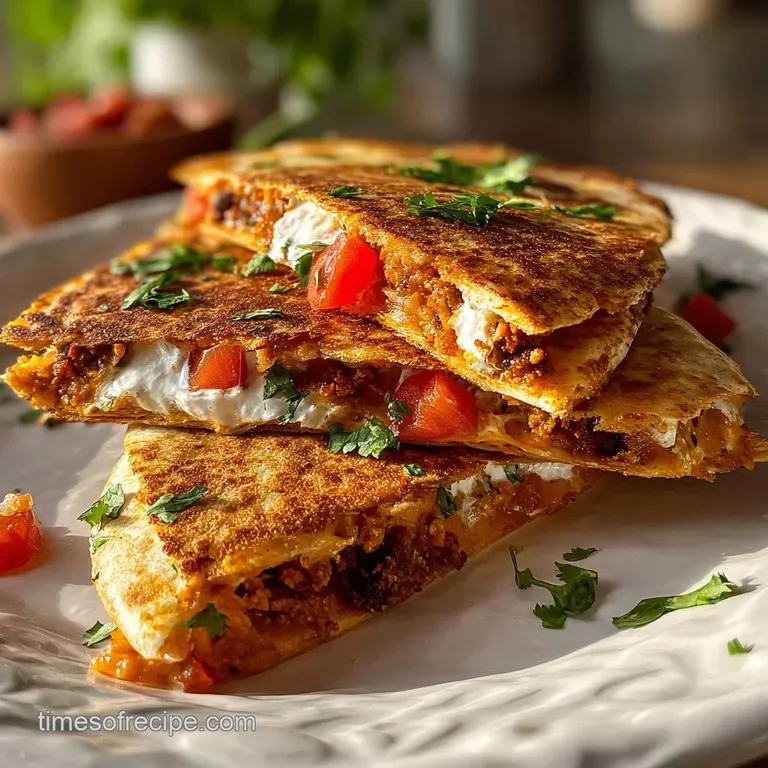
- Drain and dry. Pour the 425g of black beans into a colander, rinse under cold water, and then spread them on a paper towel. Pat them until no visible moisture remains.
- Prepare the flavor base. In a medium bowl, combine the dried beans with 1 tsp cumin, 1 tsp smoked paprika, 0.5 tsp garlic powder, and the finely chopped pickled jalapeños.
- Perform the smash. Use a fork to mash about one third of the beans directly into the spice mix. Note: This creates the "mortar" that holds the whole beans together.
- Brighten the mix. Stir in the 1 tbsp lime juice and 0.25 cup minced cilantro. You should smell a sharp, zesty aroma immediately.
- Heat the stage. Place your skillet over medium high heat and add 0.5 tbsp of the neutral oil. Wait until you see a faint shimmer in the oil.
- Assemble the layer. Lay a tortilla flat. Sprinkle a generous handful of the 225g of cheese over the entire surface.
- Apply the filling. Spread a quarter of the bean mixture over only one half of the tortilla.
- The engineering fold. Fold the empty half over the beans, pressing down firmly with your hand to "seat" the ingredients.
- The first sear. Slide the folded tortilla into the hot oil. Cook for 2 minutes until the bottom is deep mahogany and sounds hollow when tapped.
- The flip and finish. Carefully flip and cook for another 2 minutes until the cheese is oozing and the second side is equally crispy.
Chef's Note: If you want an even crispier crust, place a second heavy pan (like a smaller cast iron) on top of the quesadilla while it cooks. This "press" ensures maximum contact between the tortilla and the hot oil.
Effective Strategies for Texture Correction
Nothing ruins a hearty meal faster than a soggy tortilla or a filling that ends up on the floor instead of in your mouth. Let's fix those common errors before they happen.
Managing the Soggy Tortilla Syndrome
If your quesadilla feels limp and greasy, it's usually a temperature or moisture issue. The beans must be dry, and the pan must be hot. If you add the oil to a cold pan, the tortilla acts like a sponge.
Fixing the Structural Fallout
When the beans tumble out during the flip, it means you didn't mash enough of them. The "glue" factor is non negotiable. You can also try adding a thin layer of cheese both below AND above the bean layer to create a double sided adhesive.
| Problem | Root Cause | Solution |
|---|---|---|
| Tortilla burns before cheese melts | Heat is too high | Reduce heat to medium and cover the pan for 60 seconds to trap steam. |
| Filling is bland | Not enough acid | Double the lime juice or add a teaspoon of the jalapeño brine to the beans. |
| Tortilla is chewy/tough | Too little oil | Use a full tablespoon of oil; the tortilla needs to "shallow fry" for that shatter. |
Common Mistakes Checklist
- ✓ Never skip the bean drying step; moisture is the enemy of crunch.
- ✓ Don't overcrowd the pan; cook only one or two quesadillas at a time to maintain heat.
- ✓ Grate your cheese fresh; the additives in pre shredded cheese prevent a velvety melt.
- ✓ Use a neutral oil with a high smoke point; butter will burn before the beans get hot.
- ✓ Let the quesadilla rest for a minute before slicing; this prevents the cheese from running out.
Scaling for Large Families or Solo Lunches
Adjusting this recipe is straightforward, but you have to be careful with the seasonings. Doubling the beans doesn't always mean doubling the salt or heat.
- Cooking for 8 (2x): Use two skillets simultaneously or keep the finished ones in a 95°C (200°F) oven on a wire rack. Do not stack them, or they will steam each other and lose their crunch.
- Cooking for 1 (1/4x): Use a small 20cm skillet. You can save the leftover bean filling in an airtight container for up to 3 days.
- Scaling Spices: If you go up to a 4x batch, increase the cumin and paprika to 3x only, then taste. Spices can become overwhelming in large volumes.
| Servings | Tortillas | Bean Mix | Cheese | Cook Time (Total) |
|---|---|---|---|---|
| 2 People | 2 Large | 0.5 Can | 115g | 10 minutes |
| 4 People | 4 Large | 1 Can | 225g | 20 minutes |
| 8 People | 8 Large | 2 Cans | 450g | 35 minutes (2 pans) |
Debunking Stovetop Cooking Myths
There are a few "old wives' tales" about quesadillas that actually hinder your progress toward that hearty, crispy goal.
Myth: You should use butter for the best flavor. Truth: Butter contains water and milk solids that burn at the temperatures required for a crispy tortilla. For that signature shatter, use a neutral oil like avocado oil.
You can brush a tiny bit of melted butter on at the very end if you crave that flavor, but don't cook in it.
Myth: More cheese always makes a better quesadilla. Truth: There is a "saturation point." If you add too much cheese, the grease will overwhelm the tortilla, making it soggy from the inside out. Stick to the 225g per 4 tortillas ratio for the best balance of "velvety" and "crispy."
Storage Strategies and Reducing Food Waste
If you have leftovers (which is rare in my house), you need to handle them properly to maintain that bold flavor.
- Storage: Store in the fridge for up to 3 days. Place a piece of parchment paper between each quesadilla to prevent sticking.
- Freezing: These freeze beautifully. Wrap individual cooked quesadillas in foil and place in a freezer bag for up to 2 months.
- Reheating: Never use the microwave! It will turn the tortilla into rubber. Reheat in a dry skillet over medium heat or in an air fryer at 180°C for 3 to 4 minutes until the "sizzle" returns.
- Zero Waste Tip: Don't toss the liquid from the jalapeño jar. It is "liquid gold" for flavoring salad dressings or marinating chicken. Also, if you have leftover bean smash, it makes an incredible base for a vegetarian taco salad the next day.
Hearty Pairings to Complete the Comfort Meal
To truly round out this meal, you need textures that contrast the crispy, heavy nature of the beans. I always serve these with a big dollop of cold sour cream and a chunky pico de gallo. The temperature difference between the piping hot tortilla and the cold cream is part of the experience.
If you are looking for a side dish that carries the same smoky DNA, consider serving these alongside a bowl of something from my Southern Black Eyed recipe collection. The earthy notes of the beans in both dishes create a cohesive, soul warming table.
- Decision Shortcut
- If you want X, do Y
- If you want a smokier flavor
- Add half a minced chipotle in adobo to the bean smash.
- If you want a lighter meal
- Replace half the cheese with a thick layer of fresh spinach inside the fold.
- If you want a "Shattering" crust
- Lightly dust the oiled tortilla with a pinch of cornmeal before it hits the pan.
Right then, let's crack on! Get that skillet screaming hot and remember: the smash is your friend. You're about to make the most satisfying, bold Black Bean Quesadillas that have ever graced your kitchen table. Enjoy the sizzle!
High in Sodium
920 mg mg of sodium per serving (40% % of daily value)
The American Heart Association recommends limiting sodium intake to about 2,300mg per day for most adults.
Tips to Reduce Sodium in Your Quesadillas
-
Low-Sodium Cheese-15%
Opt for a low-sodium Monterey Jack cheese or another cheese variety with significantly less sodium. This can dramatically reduce the overall sodium content of your quesadillas.
-
Fresh or No-Salt Added Beans-20%
Instead of canned beans, consider using freshly cooked black beans or canned beans labeled 'no salt added'. If using canned, rinse thoroughly under running water for at least 1 minute to remove excess sodium.
-
Reduce Jalapeños-10%
Pickled jalapeños are high in sodium. Reduce the amount or substitute with fresh jalapeños (use sparingly) or a pinch of red pepper flakes for heat with significantly less sodium.
-
Skip the Salt
This recipe doesn't explicitly list salt, but be mindful of adding any extra. The cheese, beans, and jalapeños already contribute sodium.
-
Enhance with Herbs & Spices
Use plenty of fresh cilantro, cumin, smoked paprika and garlic powder to boost the flavor of your quesadillas without adding sodium. Experiment with other herbs and spices like oregano or chili powder.
Recipe FAQs
What is the secret to ensuring the black bean filling stays inside the tortilla?
Mashing roughly one-third of the beans. This releases the starches, creating a natural 'glue' that binds the whole beans together and prevents spillage during the high heat sear.
Is it true that I must use butter instead of oil for the best flavor?
No, this is a common misconception. Butter burns at the necessary high heat needed for a crispy crust; use a high smoke point neutral oil for searing.
How to reheat leftover quesadillas without making the tortilla soggy?
Reheat in a dry skillet over medium heat. Avoid the microwave entirely, as it turns the texture rubbery; aim for 3-4 minutes until the exterior achieves a slight crunch again.
Why does my tortilla turn greasy instead of crispy when cooking?
The pan temperature was likely too low when the tortilla was added. A screaming hot pan causes the oil to instantly fry the surface starch, while a cold pan lets the tortilla absorb the fat.
Can I substitute Monterey Jack cheese with a vegan alternative?
Yes, but adjust your expectations for melt consistency. Vegan cheeses often require steaming to melt smoothly; try adding them slightly earlier, similar to how you manage texture in a Vegan Mushroom Stroganoff Over Eggless Noodles.
How long should the beans simmer before being used in the filling?
Zero minutes; they should not be simmered. For structural integrity, the canned beans must be thoroughly rinsed and completely patted dry immediately before mashing and seasoning.
What spice can I add to deepen the smoky flavor profile?
Use high-quality Spanish Smoked Paprika (Pimentón). This provides a deep, wood fired aroma; if you enjoy mastering complex flavor layering, apply this heat control technique next time you prepare a dessert like our Chia Breakfast Bowl: Silky & Cooling Custard.
Crispy Black Bean Quesadillas
Ingredients:
Instructions:
Nutrition Facts:
| Calories | 553 kcal |
|---|---|
| Protein | 26 g |
| Fat | 27 g |
| Carbs | 52 g |
| Fiber | 5 g |
| Sugar | 2 g |
| Sodium | 920 mg |
