Gobi Manchurian: Master the Crispy Indo-Chinese Cauliflower Recipe
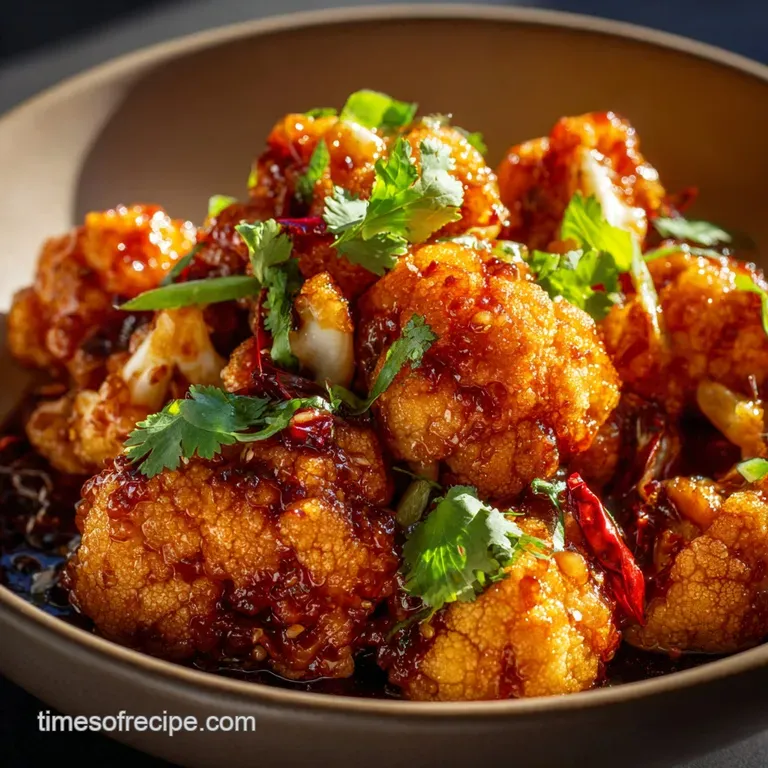
- Wok-Tossed Perfection: Crispy Gobi Manchurian (Indo-Chinese Style)
- Decoding Gobi Manchurian: What Makes This Dish Iconic?
- The Science of Crisp: Achieving Maximum Crunch and Flavor Adhesion
- Mastering the Wok: Step-by-Step Instructions for Gobi Manchurian
- Troubleshooting Gobi Manchurian: Expert Tips and Common Pitfalls
- Making Ahead and Storage Solutions for Leftovers
- Perfect Pairings: What to Serve Alongside Crispy Gobi Manchurian?
- Recipe FAQs: Mastering Gobi Manchurian
- 📝 Recipe Card
Wok-Tossed Perfection: Crispy Gobi Manchurian (Indo Chinese Style)
Seriously, nothing beats the sound of biting into that first piece of Gobi Manchurian. It's the perfect mix of sweet, spicy, and savory, totally transforming simple cauliflower into something spectacular. That intoxicating garlic ginger aroma hitting the hot oil?
Absolute heaven, especially when the sauce caramelizes beautifully on the pan.
This dish is my weeknight superhero, honestly, because we are talking about an incredibly budget friendly ingredient cauliflower turned into a restaurant quality meal in under an hour.
It’s significantly faster than waiting for takeout, and you get complete control over the crispness and the spice level, which is absolutely crucial for my picky eaters. Forget the soggy, bland versions you sometimes get at standard takeaway joints; this easy Gobi Manchurian recipe is the real deal.
We are focused on achieving maximum crispness and that signature, sticky Indo Chinese flavour profile. I’ve made all the mistakes, like soggy batter and burnt garlic, so you don't have to. Let’s ditch the menus and crack on with the ultimate recipe for crispy Gobi Manchurian!
Decoding Gobi Manchurian: What Makes This Dish Iconic?
The Fusion Story: Tracing the Indo Chinese Culinary Roots
Indo Chinese food is pure genius, born from the merging of Cantonese cooking techniques and Indian spices in Kolkata decades ago. This Gobi Manchurian recipe is a prime example of that delicious cultural mashup, blending the depth of soy sauce and vinegar with heavy hits of fresh ginger and fiery green chilli.
It’s a powerful, punchy flavour profile you simply won't find anywhere else in global cuisine.
Dry vs. Gravy: Defining Our Crispy, Takeaway Style Recipe
Okay, there are two camps: the soupier gravy version (great served over steamed rice) and the dry Gobi Manchurian recipe, which is what we are perfecting today. The dry, crispy style is ideal for appetizers or a sturdy main course, featuring that wonderfully intense glaze that just clings beautifully to the cauliflower florets.
This recipe maximizes that essential takeaway crunch factor we all crave.
Why Cauliflower (Gobi) is the Ideal Base for Frying
Gobi, or cauliflower, is truly perfect for this kind of preparation because it holds its shape really well, unlike some softer vegetables that disintegrate. Blanching it lightly preps the interior, ensuring it gets tender inside while the delicate batter fries golden brown and incredibly crisp.
Plus, the surface texture of the cauliflower florets naturally grabs the batter flawlessly, which is half the battle won.
Umami Balance: Mastering the Signature Manchurian Sauce
The secret to a killer Gobi Manchurian sauce is hitting that perfect balance of umami, heat, and acidity. We achieve the umami base with dark soy sauce for deep colour and fermentation notes, balanced against the sharp acidity of rice vinegar and a necessary touch of sweetness from sugar.
Do not skip the potent ginger garlic blitz; that rapid fry is the definitive heart of the Manchurian punch.
The Science of Crisp: Achieving Maximum Crunch and Flavor Adhesion
The Secret Batter Formula for Long Lasting Crunch
My biggest mistake early in my cooking career was using too much water in the batter, resulting in a thin, sad, non-adhering coating. This successful batter uses a higher ratio of cornstarch to flour, which seriously reduces gluten development, meaning a lighter, airier crust that shatters beautifully when you bite into it.
Trust me, use very cold water or club soda ; the temperature shock in the hot oil makes all the difference for long lasting crispness.
| Ingredient | Role | Substitution Tip |
|---|---|---|
| All-Purpose Flour | Structure and binding. | Use a mix of rice flour and chickpea flour (besan) for a gluten-free option. |
| Cornstarch | Crispness and structural stability. | Potato starch or tapioca starch work almost identically to achieve that necessary Gobi Manchurian crunch. |
| Soy Sauce | Umami, salt, and colour. | Tamari for a gluten-free soy alternative, or Coconut Aminos if watching sodium, though you will need to add extra salt. |
| Rice Vinegar | Acidity and balance. | White vinegar or apple cider vinegar work in a pinch; just reduce the amount slightly as they can be harsher. |
Prep Notes: Blanching and Prepping Cauliflower Florets
Seriously, blanching the gobi is non-negotiable for tender centers. Boil the florets briefly (2– 3 minutes max) to par-cook them so they aren't raw inside after the quick fry, but they should still retain a slight bite.
The absolute key, though, is drying them completely before they ever hit the batter excess moisture equals a steamy, soggy result and dangerous, sputtering oil.
The Coating Components: Ratios of Flour, Cornstarch, and Rice Flour
We need volume from the flour but structure and maximum crunch from the cornstarch. The 2:1 ratio (Flour to Cornstarch) is my reliable winning formula for crispy Gobi Manchurian ; it yields a sturdy coating that still manages to be wonderfully light and airy.
A small pinch of red chilli powder in the batter is also a good idea; it adds a lovely subtle colour and a base layer of heat before we even reach the main sauce.
The Aromatic Core: Ginger, Garlic, and Scallion Techniques
Don't skimp on the fresh aromatics; the sauce needs that powerful, pungent base that defines this cuisine. You want equal parts finely minced ginger and garlic, and they should both be thrown into the wok when the oil is screaming hot.
This rapid, over high heat sauté releases the intense fragrance that makes this Indo Chinese cauliflower dish so addictive.
Soy Sauce and Chili Blends: Achieving the Right Glossy Finish
Dark soy sauce provides that gorgeous, molasses like colour and depth to the glaze, while light soy sauce handles the bulk of the necessary saltiness. I exclusively use fresh green chillies because their flavour is bright and volatile, contributing clean heat without muddling the other beautiful aromatic spices.
This helps us achieve that perfect, glossy finish on the sauce.
Mastering the Wok: step-by-step Instructions for Gobi Manchurian
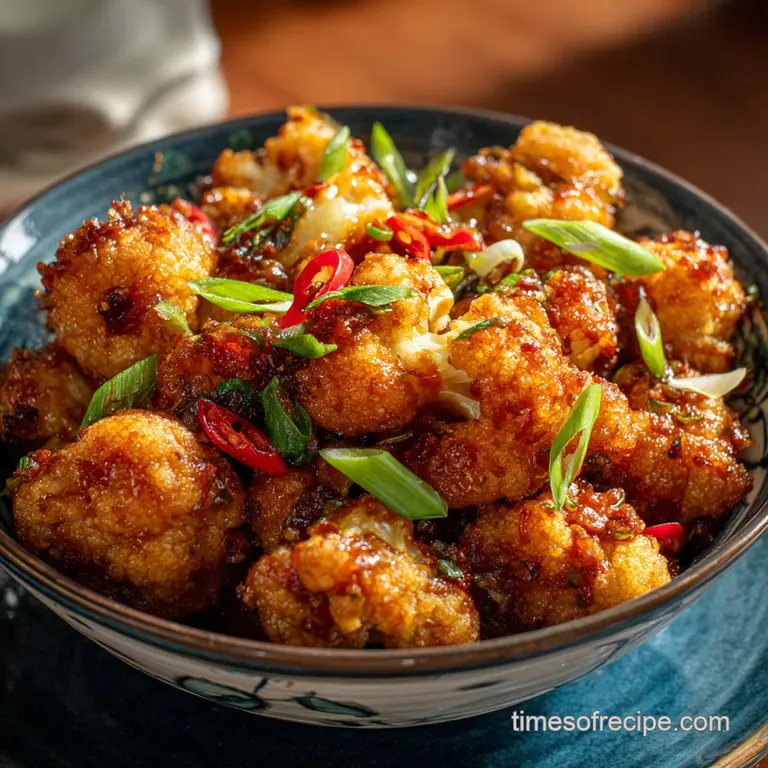
Phase 1: Preparing and Coating the Gobi Florets
Get those blanched florets dried off completely using a kitchen towel seriously, you cannot be too careful here, moisture is the enemy of crisp. Whisk your batter until it’s perfectly smooth and lump free, then gently toss the gobi until every single piece is evenly coated.
Letting the coated florets sit for about ten minutes allows the batter to adhere perfectly before frying.
Phase 2: Achieving the Double Fried Crisp Technique
This is where we earn our culinary stripes we are double frying! First, fry the batches at a medium temperature (350°F / 175°C) for 3– 4 minutes just to cook the cauliflower and set the crust to a pale gold.
Then, increase the heat to hot (375°F / 190°C) and flash fry everything for 60 90 seconds; this second blast drives out residual oil and maximizes the crunch needed for true crispy Gobi Manchurian .
Phase 3: The Rapid Sauce Build (Creating the Glossy Base)
We need maximum heat for the sauce, mimicking that desirable smoky "Wok Hei" effect that professional kitchens achieve. Fry the ginger, garlic, and chillies hard and fast (about 30 seconds!) before dumping in the liquids and sugar, bringing everything to a rapid boil.
Chef's Note: Speed is absolutely essential in the sauce phase. Do not pause between adding the aromatics and the liquids, or your delicate garlic will burn and turn irreversibly bitter. Have the cornstarch slurry mixed and ready to pour immediately when the liquids are bubbling.
Phase 4: Tossing and Serving Immediately for Peak Freshness
Once the sauce is thick, glossy, and beautifully coating the base of the wok, turn the heat off right away. Immediately introduce the double fried, exceptionally crispy gobi. Toss it quickly and vigorously to coat every single piece, ensuring the sauce is still warm but not actively boiling when the cauliflower hits it.
Serve this Gobi Manchurian instantly, like, right now , garnished heavily with fresh scallion greens, to prevent that satisfying crunch from giving way to the sauce.
Troubleshooting Gobi Manchurian: Expert Tips and Common Pitfalls
The Oil Temperature Check: Preventing Soggy Cauliflower
If your oil isn't hot enough (below 325°F), your cauliflower will soak up the oil rather than fry, resulting in a greasy and soggy mess. Use a thermometer to guarantee success; it's the easiest way to control your environment.
If you don't have one, the oil is ready when a small amount of batter dropped in sizzles immediately, floats to the surface, and turns golden within a few seconds.
Fixing a Sauce That’s Too Thin or Overly Thick
Sauce too thin, even after adding the first slurry? Whisk up just a half teaspoon of cornstarch with a tablespoon of cold water and stir it into the simmering sauce gradually. Conversely, if the sauce suddenly becomes overly thick or gloopy, simply whisk in a splash of water or vegetable stock until it reaches that perfect, glossy consistency that beautifully coats the back of a spoon.
Maximizing the Smoky Wok Flavor (The 'Wok Hei' Effect)
You won't get a professional grade smoky char on a standard home stove, but you can fake it convincingly for great Indo Chinese cauliflower . Ensure your wok is scorching hot before the oil goes in, and definitely don't overcrowd the aromatics while frying them.
The high heat caramelizes the soy and sugar rapidly, giving you a wonderful depth of flavour that smells like a good Chinese takeaway.
Making Ahead and Storage Solutions for Leftovers
Best Practices for Storing Fried Gobi to Retain Crispness
Never store the cauliflower after it’s been tossed in the Gobi Manchurian sauce ; that way lies sadness, as it will turn soft within minutes. If you need to prep ahead, fry the cauliflower completely and let it cool, storing it uncovered on the counter for a few hours.
For longer storage, refrigerate the fried gobi in an airtight container before coating. I also recommend making the sauce components (minus the slurry) in advance and storing them in the fridge until ready for the quick wok toss.
Reheating Leftovers: The Oven Method vs. Air Fryer
If you actually have leftovers (unlikely, honestly, this stuff is addictive), never, ever use the microwave, which turns everything to rubber. For the best result and maximum crispness, use the air fryer at 375°F (190°C) for 5– 7 minutes until they are piping hot and crispy again.
Alternatively, spread them on a baking sheet and reheat in the oven at 400°F (200°C) for 8– 10 minutes.
Perfect Pairings: What to Serve Alongside Crispy Gobi Manchurian?
Classic Accompaniments: Pairing with Fried Rice and Noodles
This delicious, intense dish needs balancing carbs, obviously, to complete the takeaway experience. My personal go-to is usually a simple Vegetable Hakka Noodles, which keeps the flavours bright and complementary, or a mild, savory bowl of Vegetable Fried Rice.
A scoop of plain steamed rice is also fantastic, acting as a soft canvas to soak up any of that residual, savory Gobi Manchurian sauce.
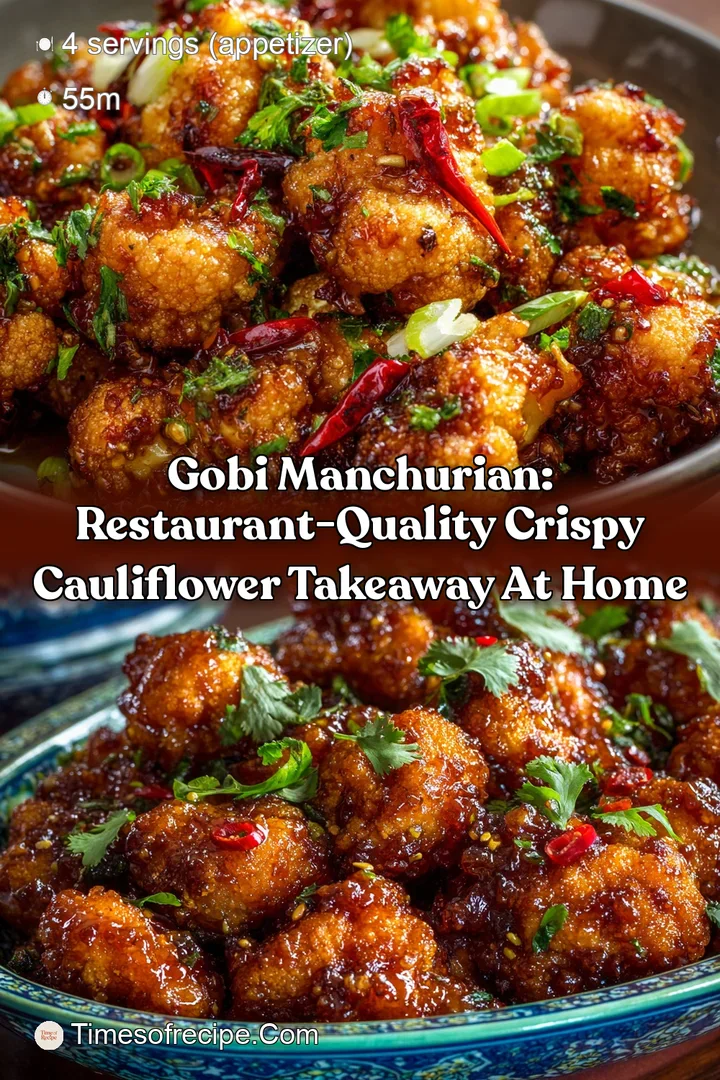
Recipe FAQs: Mastering Gobi Manchurian
What are the essential ingredients needed to create an authentic Gobi Manchurian sauce?
The key sauce components include high-quality soy sauce (a mix of light and dark is ideal for color depth), rice vinegar for tang, and sugar for balance. Crucially, the flavor base relies on finely minced fresh ginger, garlic, and green chilies, which provide the signature Indo Chinese aromatic punch.
My cauliflower pieces are not staying crispy once tossed in the sauce, or the dish seems too dry. What is the fix?
Crispness is lost when the cauliflower is not fried at a high enough temperature or when it is added to the sauce too early. To fix dryness, ensure you increase the vegetable stock or water in the sauce base by about half a cup, and always toss the fried Gobi in the hot sauce for only 30 60 seconds right before serving.
How do I adapt this recipe from the “Dry” style to the popular “Gravy” Gobi Manchurian?
To achieve the saucier gravy version, simply increase the total liquid volume (vegetable stock or water) by approximately 1.5 cups (360ml) during the sauce preparation step. Remember to also increase the cornstarch slurry by 50% to ensure the larger volume of liquid thickens sufficiently to create a glossy, coatable gravy.
How many calories are typically in a serving of homemade Gobi Manchurian?
Since the Gobi Manchurian batter is deep fried and the sauce contains sugar, a standard portion (approximately 1.5 cups) typically ranges between 350 and 450 calories. You can significantly reduce the caloric count by opting to use an air fryer or baking the cauliflower florets instead of deep frying them.
Can I prepare Gobi Manchurian ahead of time, and what is the best way to store leftovers?
For the best texture, Gobi Manchurian should be assembled and served immediately; however, you can fry the cauliflower up to 4 hours in advance. Store leftovers in an airtight container in the refrigerator for up to 3 days, and try reheating them in an air fryer or oven to regain some of the crispness.
This recipe calls for "dark soy sauce." What is the purpose, and can I substitute it with regular soy sauce?
Dark soy sauce is used primarily for its deep color and slightly thicker, molasses like consistency, which gives the dish its signature rich, glossy appearance. While you can use regular (light) soy sauce, your resulting Manchurian sauce will be lighter in color and less viscous, so you may need to add a pinch more sugar and increase the cornstarch slurry.
Can this recipe be easily made gluten-free and still maintain the necessary crispness?
Yes, this dish is easily adaptable by substituting the all-purpose flour in the batter completely with rice flour, which actually promotes a superior, lighter crispness. Ensure you use certified Tamari or a gluten-free soy sauce alternative for the sauce base, as standard soy sauce contains wheat.
Crispy Gobi Manchurian Dry Recipe

Ingredients:
Instructions:
Nutrition Facts:
| Calories | 242 kcal |
|---|---|
| Protein | 7.5 g |
| Fat | 8.0 g |
| Carbs | 35.2 g |
