Dove Recipe with Garlic and Herbs
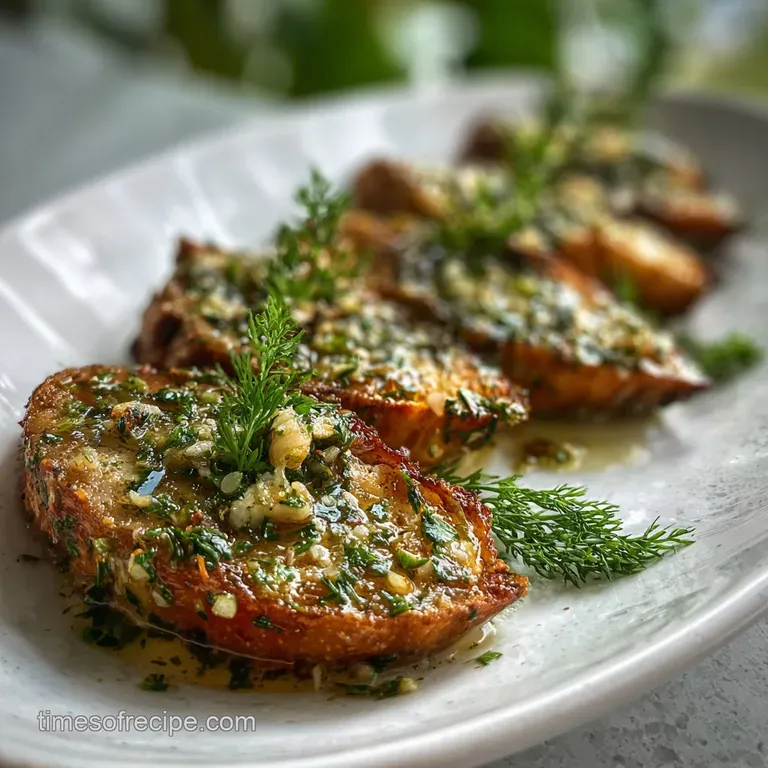
- Time: Active 15 minutes, Passive 8 minutes, Total 23 minutes
- Flavor/Texture Hook: Silky, pan seared exterior with a tender, medium rare center infused with woody herbs.
- Perfect for: A rewarding post hunt meal or a conversation starting family dinner.
- Searing The Dove Recipe with Garlic and Herbs
- Why This Hearty Dish Works
- Essential Recipe Specifications
- Building Bold Flavor Layers
- Gear For Best Results
- Master The Searing Stages
- Avoid These Common Mistakes
- Creative Flavor Adaptations
- Debunking Kitchen Myths
- Storing And Saving Leftovers
- Plating For Family Dinners
- Recipe FAQs
- 📝 Recipe Card
Searing The Dove Recipe with Garlic and Herbs
The first time I cooked dove, I treated it like chicken. Big mistake. I ended up with something that tasted like a metallic eraser. But after years of trial and error in my own kitchen, I’ve learned that these little gems need a completely different approach.
When that cast iron skillet hits the right temp and you drop those breasts in, the sizzle is immediate, sending a cloud of garlic and rosemary through the house that brings everyone into the kitchen.
We’re moving away from the "wrapped in bacon and grilled until dry" method. This is about building deep, hearty flavor layers that highlight the richness of the meat. You want a crust that offers a slight shatter when you bite into it, giving way to a velvety, reddish pink center.
It’s the kind of meal that feels like a celebration of the season, and honestly, it’s easier than you think once you respect the heat.
Trust me, once you master the butter baste, you’ll never go back to any other way of preparing your harvest. It’s bold, it’s comforting, and it turns a simple bird into a satisfying centerpiece.
We’re going to walk through exactly how to avoid the "livery" taste and ensure every bite is succulent. Let’s get that pan screaming hot and get started.
Why This Hearty Dish Works
The magic of this recipe lies in the transition from searing to basting. Much like the technique used for a premium Beef Tenderloin Recipe, we are looking for a high contrast exterior. By using avocado oil for the initial sear, we can reach temperatures that produce a deep crust without the oil breaking down and tasting bitter.
The Science of Why it Works: over High heat searing triggers the Maillard reaction, rearranging amino acids and sugars into hundreds of new flavor compounds. The subsequent butter baste uses fat soluble aromatics to penetrate the meat while the milk solids in the butter brown, adding a nutty complexity.
- Surface Dehydration: Salting the meat early draws out moisture, which then reabsorbs as a concentrated brine, ensuring the surface stays dry enough to crisp instantly.
- Thermal Momentum: Dove breasts are tiny; using a heavy pan retains enough heat so the temperature doesn't drop when the meat is added, preventing steaming.
- Aromatic Infusion: Crushing the garlic instead of mincing it allows the oils to seep into the butter without the tiny bits burning and turning acrid.
- Carryover Control: Removing the meat just before it hits the target temperature allows the internal heat to finish the job gently, keeping the protein fibers relaxed.
| Thickness | Internal Temp | Rest Time | Visual Cue |
|---|---|---|---|
| 0.5 inch | 130°F (Rare) | 3 minutes | Deep red, very soft |
| 0.75 inch | 135-140°F (Med Rare) | 4 minutes | Pink center, slight spring |
| 1 inch+ | 145°F (Medium) | 5 minutes | Light pink, firm touch |
Choosing the right moment to pull the pan off the heat is the difference between a tender morsel and a tough one. Because dove is so lean, there is almost zero margin for error once you pass the medium rare mark.
Essential Recipe Specifications
When we talk about bold flavors, we have to talk about the quality of the components. I always tell my friends that a recipe is only as good as the prep you put into it. For this dish, we aren't just "cooking meat"; we are creating a concentrated herb butter that acts as a sauce and a cooking medium simultaneously.
Component Analysis
| Ingredient | Science Role | Pro Secret |
|---|---|---|
| 16 Dove Breasts | Primary Protein | Pat them bone dry with paper towels to ensure a "shatter" crust. |
| 4 tbsp Unsalted Butter | Emulsifier & Flavor Carrier | Use European style butter for higher fat content and better browning. |
| 6 cloves Fresh Garlic | Aromatic Base | Smash them with the side of a knife to release allicin without burning. |
| 4 sprigs Fresh Thyme | Herbaceous Note | Keep them on the stem to prevent the tiny leaves from scorching. |
Using a high smoke point oil like avocado oil for the start is non negotiable. If you try to sear in butter from the beginning, the milk solids will burn before the meat even gets a tan. We want that butter added at the very end to create a velvety finish that coats the palate.
Building Bold Flavor Layers
Gathering your ingredients is the first step toward a satisfying meal. If you're looking for a side dish that matches this energy, something earthy like a Daniel Fast Recipe with roasted root vegetables works beautifully.
- 16 dove breasts, cleaned: Ensure all feathers and shot are removed. Why this? The foundation of the dish; provides a rich, dark meat flavor.
- Substitute: Squab or teal breasts if dove isn't available.
- 1 tsp kosher salt: Use a coarse grain like Diamond Crystal. Why this? Essential for moisture control and flavor enhancement.
- Substitute: Sea salt (reduce amount by 25%).
- 0.5 tsp freshly cracked black pepper: Grind it right before using. Why this? Provides a sharp, floral bite that cuts through the butter.
- Substitute: White pepper for a more subtle heat.
- 1 tbsp avocado oil: For the over high heat sear. Why this? It has a high smoke point (520°F) which prevents acrid flavors.
- Substitute: Grapeseed oil or refined light olive oil.
- 4 tbsp unsalted butter: To create the basting sauce. Why this? Adds a rich, creamy mouthfeel and nutty brown butter notes.
- Substitute: Ghee (clarified butter) for a higher smoke point.
- 6 cloves fresh garlic, smashed: Don't bother mincing. Why this? Smashed cloves perfume the oil without burning into bitter bits.
- Substitute: 1 tsp garlic powder mixed with salt (not recommended for the same depth).
- 4 sprigs fresh thyme: Keep them whole. Why this? Thyme offers a subtle, earthy lemon pepper vibe.
- Substitute: 0.5 tsp dried thyme (add early to the oil).
- 2 sprigs fresh rosemary: The piney backbone of the aromatics. Why this? Rosemary stands up well to the high heat of searing.
- Substitute: Fresh sage leaves for a different earthy profile.
- 1 tbsp fresh lemon juice: To finish. Why this? The acid brightens the heavy fats and wakes up the palate.
- Substitute: Sherry vinegar or apple cider vinegar.
Gear For Best Results
I always reach for my 12 inch cast iron skillet for this. The thermal mass is essential. If you use a thin aluminum pan, the temperature will plummet the moment those 16 breasts hit the surface, and instead of a sizzle, you'll get a sad, grey simmer.
Chef's Note: If you don't have cast iron, a heavy bottomed stainless steel pan (like All Clad) is your next best bet. Avoid non stick pans; they can't handle the heat required for a proper sear and won't develop the "fond" (those little browned bits) that makes the butter sauce so good.
You'll also need a large metal spoon for the basting. This is a rhythmic process. You tilt the pan so the melted butter pools at the bottom with the garlic and herbs, then you rapidly spoon that liquid gold back over the meat.
It’s a sensory experience the smell of the herbs hitting the hot fat is absolutely intoxicating.
Master The Searing Stages
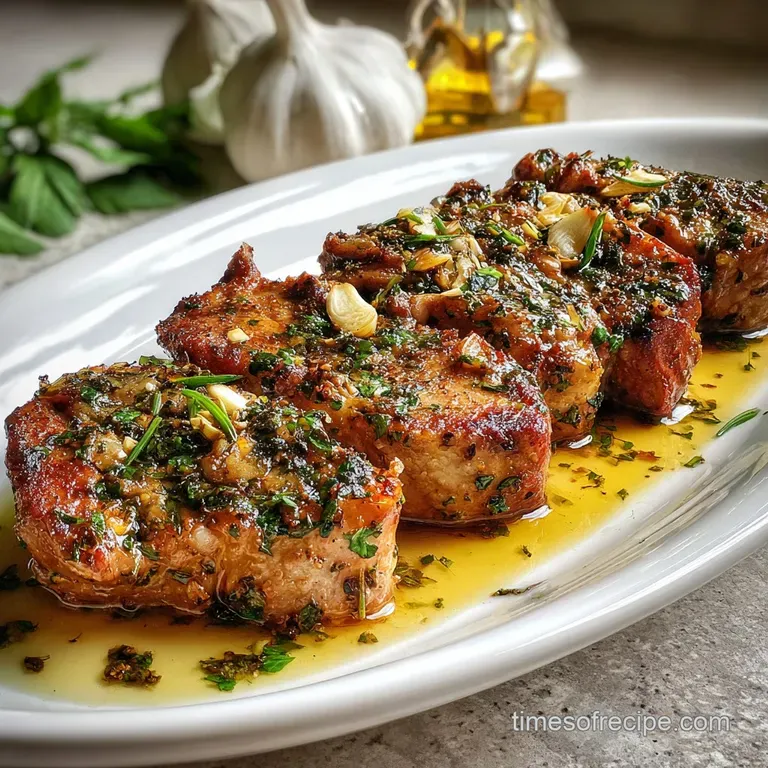
Phase 1: The Critical Prep
- Dry the meat. Take your 16 dove breasts and pat them with paper towels until they feel like parchment. Note: Any surface moisture will turn to steam, preventing a crust.
- Season generously. Sprinkle the 1 tsp kosher salt and 0.5 tsp black pepper over both sides. Let them sit at room temperature for 10 minutes.
Phase 2: The over High heat Sear
- Heat the pan. Place your skillet over medium high heat. Add 1 tbsp avocado oil. Wait until the oil is shimmering and just starting to wispy smoke.
- Sear the first side. Place the breasts in the pan, skin side down (if skin is on) or the rounded side. Cook for 2 minutes without moving them until a deep brown crust forms.
- Flip carefully. Use tongs to turn the breasts over. Cook for another 1 minute to lock in the juices.
Phase 3: The Butter Baste
- Add the aromatics. Drop in 4 tbsp unsalted butter, 6 smashed garlic cloves, 4 sprigs thyme, and 2 sprigs rosemary. Note: The butter will foam and sizzle immediately.
- Start the baste. Tilt the pan slightly. Use a large spoon to continuously pour the foaming herb butter over the dove breasts for 2 to 3 minutes.
- Monitor doneness. Check the internal temperature with a probe. You are looking for 135°F for a medium rare finish.
Phase 4: The Final Touch
- Deglaze and rest. Turn off the heat. Drizzle the 1 tbsp fresh lemon juice into the pan butter. Swirl it around to combine.
- Rest the meat. Remove the dove from the pan and place on a warm plate. Pour the remaining pan butter over them and let rest for 5 minutes until the fibers relax and juices redistribute.
Avoid These Common Mistakes
The most common tragedy with dove is overcooking. Because there is almost no fat within the muscle fibers, once the protein reaches a certain temperature, it contracts violently and squeezes out all the moisture. This results in that "liver like" taste people often complain about.
Why Your Dove Tastes Metallic
If the meat is grey all the way through, it has been overcooked. Game birds like dove are best served medium rare. The iron content in the blood is high, and when overheated, those iron molecules change their flavor profile significantly. Keeping the center pink keeps the flavor sweet and earthy rather than metallic.
| Problem | Root Cause | Solution |
|---|---|---|
| No Crust | Pan wasn't hot enough or meat was wet | Wait for oil to shimmer; pat meat dry with extra towels. |
| Bitter Garlic | Mincing garlic or adding too early | Use whole smashed cloves and add with butter toward the end. |
| Tough Meat | Overcooking past 145°F | Use a meat thermometer and pull at 135°F; rest for 5 mins. |
Common Mistakes Checklist
- ✓ Never crowd the pan; if your skillet is small, sear in two batches to keep the heat high.
- ✓ Don't skip the rest period; slicing too soon causes the velvety juices to run out on the board.
- ✓ Use fresh herbs whenever possible; dried herbs can become gritty in a quick pan sear.
- ✓ Avoid low smoke point oils like extra virgin olive oil for the initial sear.
- ✓ Smash the garlic cloves just enough to crack them, keeping them intact enough to remove later.
Creative Flavor Adaptations
If you're cooking for a crowd and need to double the batch, don't just double the time. Work in two separate pans or do two back-to-back batches. For the second batch, wipe the pan out to remove any burnt pepper or herb bits before starting fresh with oil.
This ensures the last bird tastes just as clean and bold as the first.
If you are looking for a Low Key Fancy recipe for a special occasion, you can finish this dish with a splash of dry Sherry or Brandy right before the lemon juice. It creates a sophisticated pan sauce that feels incredibly high end with very little extra effort.
- For the "Fried Dove Breast" vibe: Dredge the seasoned breasts lightly in flour before searing. It won't be a heavy batter, but it will create a thicker, crispier "shatter" crust that holds onto the butter sauce beautifully.
- For a Dove and Gravy variation: After removing the meat, whisk 1 tbsp of flour into the remaining herb butter. Cook for 1 minute, then slowly whisk in 1 cup of beef or game stock until thickened.
- For Heat Seekers: Add a pinch of red pepper flakes to the butter during the basting phase to infuse a subtle, background warmth.
Debunking Kitchen Myths
One of the biggest myths is that you have to soak dove in milk or saltwater overnight to "get the wild taste out." If you handle the bird cleanly and cook it to the correct temperature (medium rare), there is no "off" taste to remove.
Soaking often just waterlogs the meat, making that crispy sear we want almost impossible to achieve.
Another common misconception is that searing "seals in the juices." Science tells us this isn't true moisture is lost during searing regardless. What searing actually does is create a massive amount of flavor through the Maillard reaction.
The "juiciness" comes from not over tightening the protein fibers and allowing the meat to rest so the internal moisture can settle back into the cells.
Storing And Saving Leftovers
Leftover dove is a rarity in my house, but if you have some, keep them in an airtight container in the fridge for up to 2 days. To reheat, don't use the microwave it will turn them into rubber. Instead, warm a little butter in a pan over low heat and gently toss the breasts just until they are warmed through.
For long term storage, you can freeze cleaned dove breasts for up to 6 months. I highly recommend vacuum sealing them to prevent freezer burn. When you're ready to cook, thaw them overnight in the fridge and ensure they are patted completely dry before they hit the pan.
Zero Waste Tip: Don't toss those herb stems or the smashed garlic cloves! If you have the carcasses, throw them in a pot with the leftover aromatics, some onion scraps, and water. Simmer for 2 hours to create a rich, dark game stock that makes an incredible base for stews or risotto.
Plating For Family Dinners
Presentation is everything when you've worked hard on a hunt and a cook. I like to serve these on a large, warmed wooden platter. Arrange the breasts in a circular pattern and pour every last drop of that herb garlic butter over the top.
The sight of the glistening meat surrounded by charred rosemary and golden garlic cloves is incredibly inviting.
Garnish with a few fresh thyme sprigs and an extra squeeze of lemon to brighten the colors. This isn't a "light" meal; it's a hearty, satisfying experience that connects the field to the table.
Pair it with a crusty baguette to sop up the flavored butter, and you’ve got a family meal that people will talk about until next season.
There's something deeply comforting about a plate of perfectly seared game. It feels honest and bold. By following these steps focusing on the sear, the baste, and the rest you’re ensuring that the "Dove Recipe with Garlic and Herbs" becomes a staple in your rotation.
Enjoy the sizzle, the aroma, and most importantly, the company at your table.
Recipe FAQs
What is the best seasoning for doves?
Salt and freshly cracked black pepper are essential. For this recipe, we layer in smashed garlic and fresh thyme and rosemary during the butter basting stage to infuse deep aromatic flavors.
How long should you marinate doves?
Doves don't require marinating. Patting them dry and seasoning them right before cooking is key to achieving a good sear. Marinating lean game can sometimes result in a mushy texture rather than a crisp crust.
What's the best way to cook dove breast?
Sear quickly over high heat, then baste with butter and aromatics. This method creates a delicious crust while keeping the inside tender and juicy. If you enjoyed controlling cookie spread here, the same fat ratio logic applies to our Chicken Spiedini Recipe for a shatter crisp exterior.
Is dove safe to eat medium rare?
Yes, dove is best enjoyed medium rare. Like many lean game birds, overcooking can make them tough and dry. Aim for an internal temperature of 135°F for a perfectly pink, tender center.
Why does my dove taste metallic?
This usually happens when the dove is overcooked. The iron content in the meat changes flavor profile significantly when subjected to prolonged high heat. Serving it medium rare preserves its natural, earthy sweetness.
What oil should I use for searing dove?
Use a high smoke point oil like avocado oil. This allows you to achieve a high enough temperature for a perfect sear without the oil burning and imparting a bitter taste.
If you mastered the sensory doneness cues here, apply them to our Daniel Fast Meal Recipe with Roasted Vegetables for perfect results.
Can I cook dove breasts in a cast iron skillet?
Yes, a cast iron skillet is ideal. Its excellent heat retention ensures a consistent high temperature needed for a proper sear, creating a beautiful crust and delicious fond for the pan sauce.
Dove Garlic Herb Recipe
Ingredients:
Instructions:
Nutrition Facts:
| Calories | 248 kcal |
|---|---|
| Protein | 31.2 g |
| Fat | 13.1 g |
| Carbs | 1.4 g |
| Fiber | 0.3 g |
| Sugar | 0.1 g |
| Sodium | 582 mg |
