Creamy Garlic and Herb Pasta: Easy Vegetarian Recipe
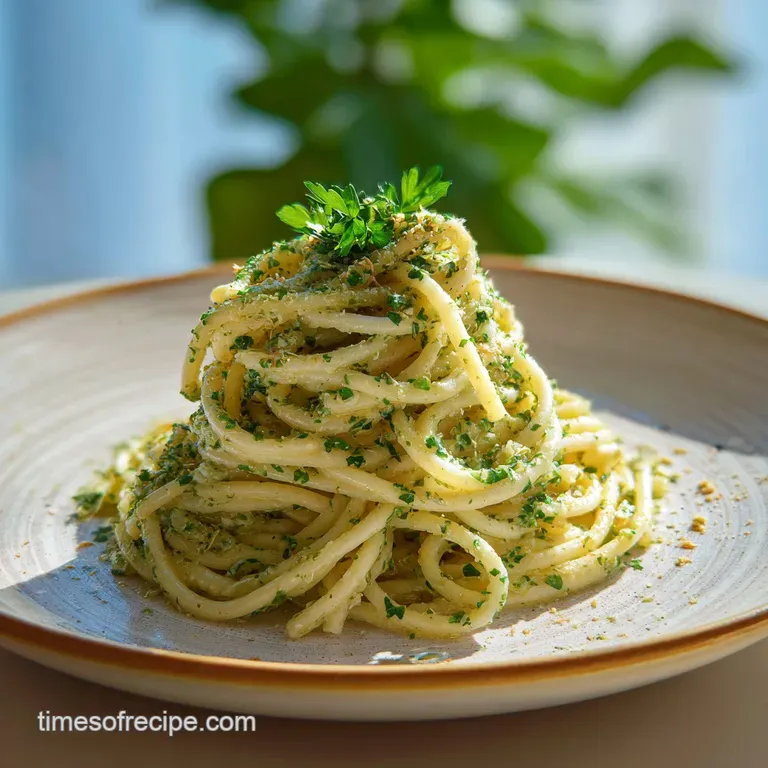
- Time: Active 10 minutes, Passive 10 minutes, Total 20 minutes
- Flavor/Texture Hook: Toasted mahogany garlic and velvety bean cream
- Perfect for: Busy weeknights and healthy meal prep
- Master This Easy Vegetarian Recipe with Garlic
- Why This Technique Works So Well
- Component Analysis and Ingredient Roles
- Essential Items for Your Shopping List
- Tools Required for Efficient Prep
- Step-by-Step Cooking Guide and Tips
- Solving Common Cooking Problems Fast
- Simple Ways to Customize Flavor
- Storage Tips and Zero Waste
- Perfect Pairings for This Recipe
- Debunking Common Garlic Myths
- Recipe FAQs
- 📝 Recipe Card
Master This Easy Vegetarian Recipe with Garlic
Imagine the low hiss of twenty thinly sliced garlic cloves hitting cool olive oil. As the temperature rises, that sharp, pungent scent softens, shifting into something sweet, nutty, and almost buttery.
Within minutes, the cloves transform from translucent white to a rich, golden mahogany, filling your kitchen with an aroma that feels like a warm hug. Discover a truly outstanding Easy Vegetarian Recipe with Garlic and Herbs you'll want to make again and again.
We often think creamy pasta requires heavy dairy or expensive cashews, but this dish proves otherwise. By using white beans as a base, we get a silky, protein rich sauce that clings to every strand of fettuccine. It is efficient, nutritious, and honestly, a bit of a magic trick for your Tuesday night dinner rotation.
You can expect a meal that hits every sensory note: the shatter of a toasted garlic chip, the velvety mouthfeel of the sauce, and the bright, zesty punch of fresh lemon. It’s a strategy for better eating that doesn't sacrifice the punchy flavors we crave. Let's look at why this specific method works so well.
Why This Technique Works So Well
- Infusion Efficiency: Starting garlic in cold oil allows the flavor to permeate the fat gradually before the exterior has a chance to burn.
- Starch Suspension: Blending cannellini beans breaks down their fiber and starch, creating a stable emulsion that mimics the viscosity of heavy cream.
- Volatile Release: Sizzling the rosemary and oregano for exactly 30 to 60 seconds activates fat soluble aromatic compounds, ensuring the herbs don't taste "dusty."
- Glossy Finishing: Using reserved pasta water introduces leftover starches that act as a bridge, binding the bean cream and the oil into a unified, silky coating.
| Method | Total Time | Garlic Texture | Sauce Consistency |
|---|---|---|---|
| Fast Method (This Recipe) | 20 minutes | Soft and golden | Velvety and thick |
| Classic Confit | 1 hours 10 mins | Very soft/spreadable | Oily and rich |
| Raw Garlic Toss | 15 minutes | Sharp and pungent | Thin and watery |
Choosing the "Cold Start" method is the biggest win here. If you drop sliced garlic into a screaming hot pan, it turns bitter in seconds. By letting the oil and garlic climb the temperature ladder together, you coax out the sugars, resulting in a mellow, toasted flavor that forms the backbone of the entire dish.
Component Analysis and Ingredient Roles
The success of any Easy Vegetarian Recipe with Garlic depends on the quality of your aromatics and how you handle the proteins. We aren't just tossing things in a pan; we are layering textures to ensure the final plate doesn't feel flat or one dimensional.
| Ingredient | Science Role | Pro Secret |
|---|---|---|
| Cannellini Beans | Texture stabilizer | Rinse thoroughly to remove "tinny" metallic flavors |
| Extra Virgin Olive Oil | Flavor carrier | Use a peppery oil to contrast the sweet garlic |
| Nutritional Yeast | Umami provider | Adds a savory, "cheesy" depth without the dairy |
| Fresh Lemon | Acid balance | The juice cuts through the bean starch for brightness |
When you blend the beans with the Umami rich vegetable broth, you are essentially creating a high protein "milk." This liquid is much more stable than cream and won't break or curdle if you accidentally turn the heat up too high during the final toss.
Essential Items for Your Shopping List
You likely have most of these in your pantry already, but the key is the garlic quantity. We are using two whole heads. It sounds aggressive, but once it’s sliced thin and mellowed in oil, it becomes sweet and manageable.
- 1 lb Fettuccine: The wide surface area is better for catching the thick bean sauce.
- Substitute: Linguine or Tagliatelle. Why this? Flat noodles provide more surface for the emulsion to cling.
- 2 whole heads of Garlic: Roughly 20 to 24 cloves.
- Substitute: 3 tbsp garlic paste (though you lose the "mahogany" chips). Why this? Freshly sliced garlic provides both flavor and texture.
- 1 can (15 oz) Cannellini beans: Rinsed and drained.
- Substitute: Great Northern beans or Butter beans. Why this? These have a thin skin and creamy interior perfect for blending.
- 1/4 cup Nutritional yeast: For that savory kick.
- Substitute: Grated Parmesan cheese (if not strictly vegan). Why this? It provides a nutty, salty depth that mimics aged cheese.
- 3 tbsp Extra virgin olive oil: Use the good stuff here.
- Substitute: Avocado oil or Grapeseed oil. Why this? Olive oil has the best flavor profile for Mediterranean herb pairings.
- 1/2 cup Vegetable broth: Low sodium is best.
- Substitute: Reserved pasta water or plain water. Why this? It provides the liquid needed to thin the bean puree into a sauce.
- 1 sprig Fresh Rosemary: Finely minced.
- Substitute: 1/2 tsp dried rosemary (crushed). Why this? Fresh rosemary has a resinous quality that stands up to heavy garlic.
- 1/2 Lemon: Zested and juiced.
- Substitute: 1 tbsp white wine vinegar. Why this? Acid is mandatory to balance the earthy beans and oil.
- 1 tsp Dried oregano: For classic herb notes.
- 1/2 cup Fresh parsley: Chopped fine.
- 1 pinch Red pepper flakes: For a subtle, underlying warmth.
Tools Required for Efficient Prep
You don't need a professional kitchen, but a high speed blender makes a world of difference for the sauce texture. If you only have a food processor, you might need to blend for an extra minute to ensure the bean skins are fully pulverized.
- High speed Blender: Such as a Vitamix or a reliable immersion blender. This ensures the sauce is velvety rather than grainy.
- Large Skillet: Use a deep sided stainless steel or cast iron pan. This gives you enough room to toss the pasta with the sauce without it flying over the edges.
- Mandoline (Optional): If you aren't confident with your knife skills, a mandoline set to the thinnest setting will give you perfectly uniform garlic slices that cook evenly.
- Microplane: Essential for getting that fine lemon zest without the bitter white pith.
step-by-step Cooking Guide and Tips
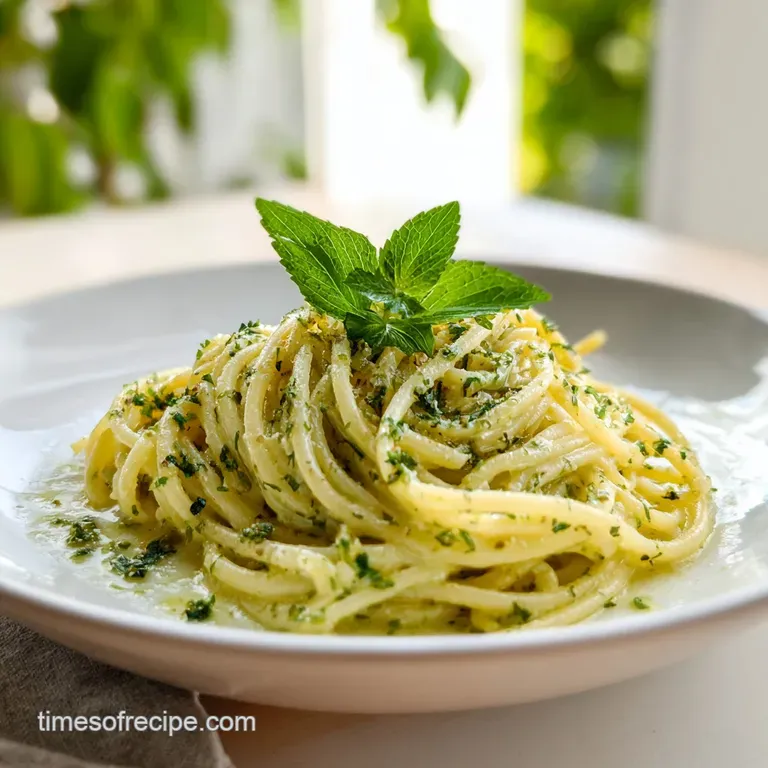
- Blend the base. Combine the rinsed cannellini beans, vegetable broth, and nutritional yeast in your blender. Blitz on high for 60 seconds until the mixture is completely smooth. Note: It should look like heavy cream.
- Boil the water. Bring a large pot of heavily salted water to a boil. Cook the fettuccine for 8 to 10 minutes until al dente.
- Save the liquid. Before draining, dunk a measuring cup into the pot to reserve 1/2 cup of starchy pasta water.
- Start the garlic. Place the sliced garlic and olive oil in your cold skillet. Turn the heat to medium low.
- Watch the color. Sizzle the garlic for 5 to 7 minutes until it reaches a golden mahogany color. Note: If it starts smelling "burnt," pull it off the heat immediately.
- Bloom the herbs. Add the rosemary and dried oregano to the garlic oil. Stir for 45 seconds until the kitchen smells like a garden.
- Combine the elements. Toss the hot pasta into the skillet. Pour in the bean cream and the reserved pasta water.
- Create the emulsion. Stir vigorously over low heat for 1 to 2 minutes until the sauce is glossy and coats every noodle.
- Finish with bright notes. Turn off the heat. Fold in the parsley, lemon zest, lemon juice, and red pepper flakes.
- Serve immediately. Plate the pasta while it’s still piping hot and the sauce is at its creamiest.
Solving Common Cooking Problems Fast
Cooking with garlic is a game of chicken you want it as dark as possible without crossing the line into bitter carbon. If you find your sauce isn't behaving, it's usually a matter of temperature or moisture.
The Sauce is Too Thick
Bean based sauces thicken as they sit because the starch continues to absorb liquid. If your pasta looks like a solid block, don't panic. Add a splash of warm water or more vegetable broth and toss vigorously. The friction and heat will loosen the proteins and restore that velvety texture.
The Garlic Tastes Bitter
This usually happens if the heat was too high during the "Cold Start" phase. If the garlic has dark black spots, it's best to start the oil phase over. Garlic should be a consistent mahogany brown. To prevent this next time, keep your heat on the lowest setting; the "with Garlic" flavor should be sweet, not acrid.
| Problem | Root Cause | Solution |
|---|---|---|
| Grainy Sauce | Beans weren't blended long enough | Blitz for a full 60 seconds; add 1 tbsp more broth |
| Dry Pasta | Noodles absorbed the sauce too fast | Add reserved pasta water 1 tbsp at a time |
| Bland Flavor | Not enough salt or acid | Increase lemon juice and add a pinch of sea salt |
Common Mistakes Checklist
- ✓ Never skip the "Cold Start" adding garlic to hot oil causes it to sear rather than infuse.
- ✓ Pat the beans dry after rinsing to ensure the puree isn't too watery.
- ✓ Don't drain the pasta water until you’ve reserved your 1/2 cup; that starch is liquid gold.
- ✓ Use fresh rosemary; the dried version often lacks the pinewood aroma needed to balance the garlic.
- ✓ Zest the lemon before juicing it; it’s nearly impossible to zest a squeezed lemon half.
Simple Ways to Customize Flavor
This Easy Vegetarian Recipe with Garlic is a canvas. While the bean cream and garlic are the stars, you can pivot the flavor profile depending on what's in your crisper drawer.
If you are looking for a more substantial meal, adding some greens is an efficient way to boost nutrition. I often throw in two cups of baby spinach during the final toss. The residual heat from the pasta wilts the leaves in seconds, adding a pop of color and extra iron without requiring another pan.
The "Garden Roast" Swap
If you have a bit more time, you can roast a tray of vegetables while the pasta cooks. Bell peppers, zucchini, or even some Sheet pan halloumi make excellent toppers. The salty, squeaky cheese provides a fantastic texture contrast to the silky noodles.
The Protein Plus Variation
To lean further into the healthy aspect, you can double the beans but only blend half. Adding the whole beans into the pasta at the end provides a nice "chew" and makes the dish feel even more filling. If you aren't vegan, a poached egg on top creates a beautiful, runny yolk that mingles with the garlic oil.
Storage Tips and Zero Waste
This dish is best eaten fresh because the bean starch sets as it cools. However, if you have leftovers, they can be salvaged with a little know how.
- Fridge: Store in an airtight container for up to 3 days.
- Freezer: Not recommended. The bean based emulsion tends to separate and become "gritty" once thawed and reheated.
- Zero Waste Tip: Don't throw away those garlic skins or parsley stems! Toss them into a bag in your freezer to make a batch of vegetable scrap broth later. Those garlic peels hold a surprising amount of flavor for a long simmered stock.
When reheating, avoid the microwave if possible. Instead, put the pasta in a small skillet over medium heat with 2 tablespoons of water or broth. Stir constantly. The heat and extra moisture will "re activate" the emulsion, making it creamy again.
Perfect Pairings for This Recipe
Since the pasta is quite rich and savory, you want side dishes that offer a crunch or a bright acidity to cleanse the palate. A simple arugula salad with a sharp balsamic vinaigrette is my go to.
The Crunchy Counterpart
A thick slice of toasted sourdough rubbed with a raw garlic clove (yes, more garlic!) is perfect for mopping up any leftover sauce at the bottom of the bowl. If you want something lighter, try some roasted broccoli with a heavy dusting of lemon zest.
The Herbaceous Side
If you want to keep the meal purely plant based and light, a side of marinated tomatoes and cucumbers works wonders. The coolness of the raw vegetables offsets the warm, toasted notes of the herbs and garlic.
Debunking Common Garlic Myths
Many people believe that the "germ" (the little green sprout) inside the garlic makes the whole dish bitter. While the germ is more pungent, in a recipe like this where we are slicing and slow toasting the garlic, the difference is negligible. Don't waste ten minutes digging them out!
Another common misconception is that you must use a garlic press to get the most flavor. In reality, pressing garlic releases more sulfur compounds, leading to a much sharper, "hotter" taste.
For this recipe, slicing with a knife or mandoline is superior because it keeps the cellular structure intact, allowing for a sweeter, nuttier result when it hits the oil.
Finally,, nutritional yeast isn't just a "fake cheese." It is a powerhouse of B vitamins and adds a specific savory profile that you can't get from dairy alone. It’s a functional strategy for better flavor, not just a dietary restriction substitute.
Trust the process, and you’ll see why this bean and garlic duo is a game changer for your kitchen.
Recipe FAQs
How to achieve the perfect garlic texture for this dish?
Use the "Cold Start" method by placing sliced garlic and olive oil in a cold skillet before turning the heat on. Set your burner to medium low to allow the garlic to slowly turn a golden mahogany color without burning or searing.
Is it necessary to save the pasta water?
Yes, the starchy liquid is essential for your sauce. It acts as a binding agent that turns your blended bean mixture and oil into a smooth, glossy emulsion when tossed with the noodles.
Can I freeze the leftovers for later?
No, freezing is not recommended. The bean based cream emulsion tends to separate and become gritty once thawed, making it significantly less appetizing than when served fresh.
How to ensure the bean base is smooth?
Blend your rinsed cannellini beans, vegetable broth, and nutritional yeast on high for at least 60 seconds. If you enjoyed mastering this creamy texture technique here, you will find it equally useful for creating silky bases in other plant based recipes.
How to determine when the pasta is ready?
Cook the fettuccine for 8 to 10 minutes until it reaches an al dente state. It should still have a slight, firm bite to it since it will finish cooking briefly when tossed with the sauce in the skillet.
Is it possible to use dried rosemary instead of fresh?
No, fresh rosemary is strongly recommended. The dried version typically lacks the distinct pinewood aroma and vibrant essential oils necessary to properly balance the intensity of the garlic.
How to incorporate the lemon for the best flavor?
Zest the lemon first, then juice it, adding both during the final step off the heat. Zesting a lemon after it has been squeezed and juiced is nearly impossible, so keep this order in mind for consistent results.
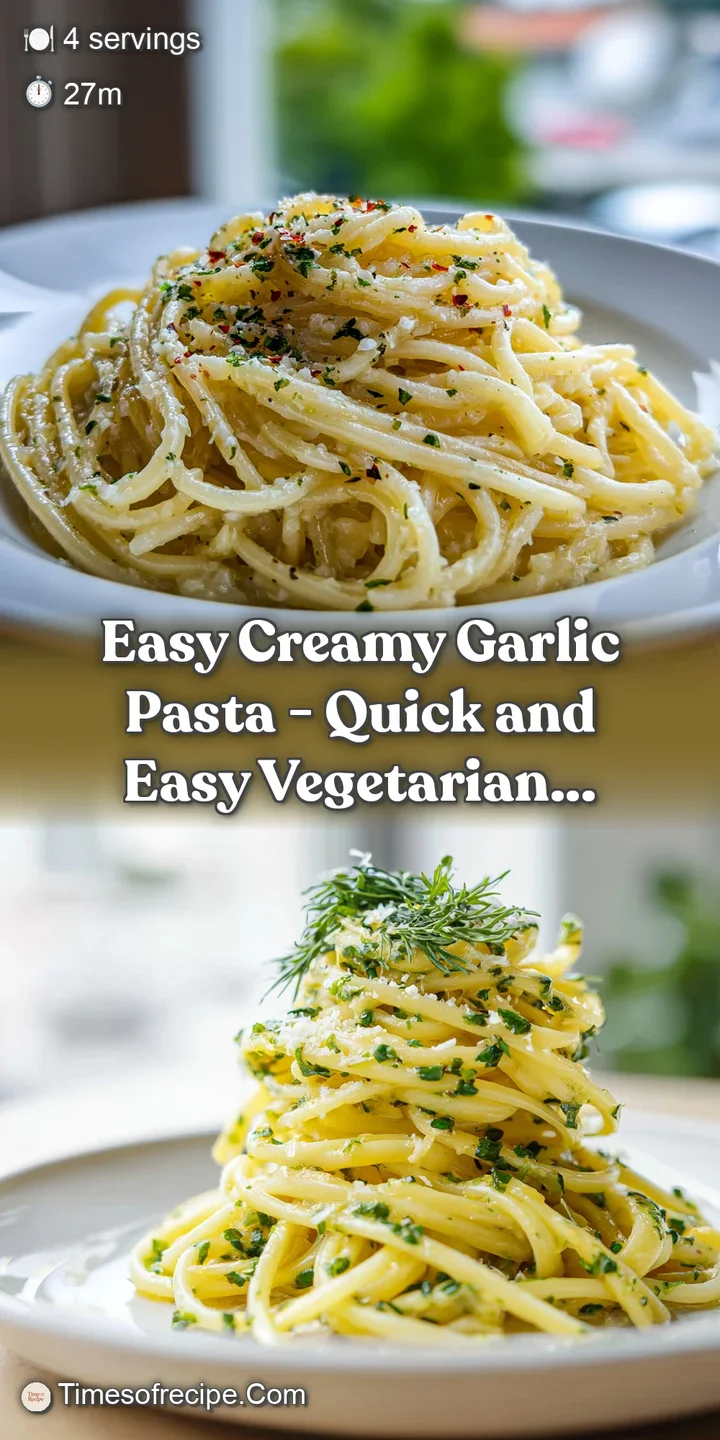
Easy Creamy Garlic Pasta
Ingredients:
Instructions:
Nutrition Facts:
| Calories | 686 kcal |
|---|---|
| Protein | 26 g |
| Fat | 13 g |
| Carbs | 115 g |
| Fiber | 11 g |
| Sugar | 4 g |
| Sodium | 278 mg |
