The Best Easy Mashed Potatoes Recipe
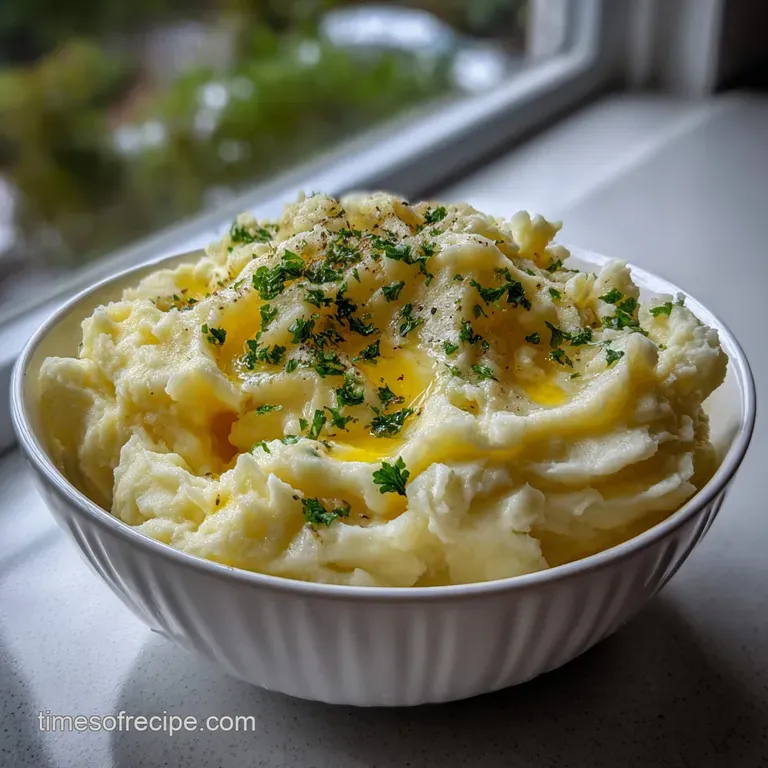
- Effort/Time: 35 minutes total (Minimal active labor)
- Flavor Hook: Rich, buttery base with a subtle garlic-infused cream undertone.
- Perfect for: Holiday-side-dishes, weeknight-comfort-food, or make-ahead-hosting.
Masterclass: The Science of Velvety Easy Mashed Potatoes
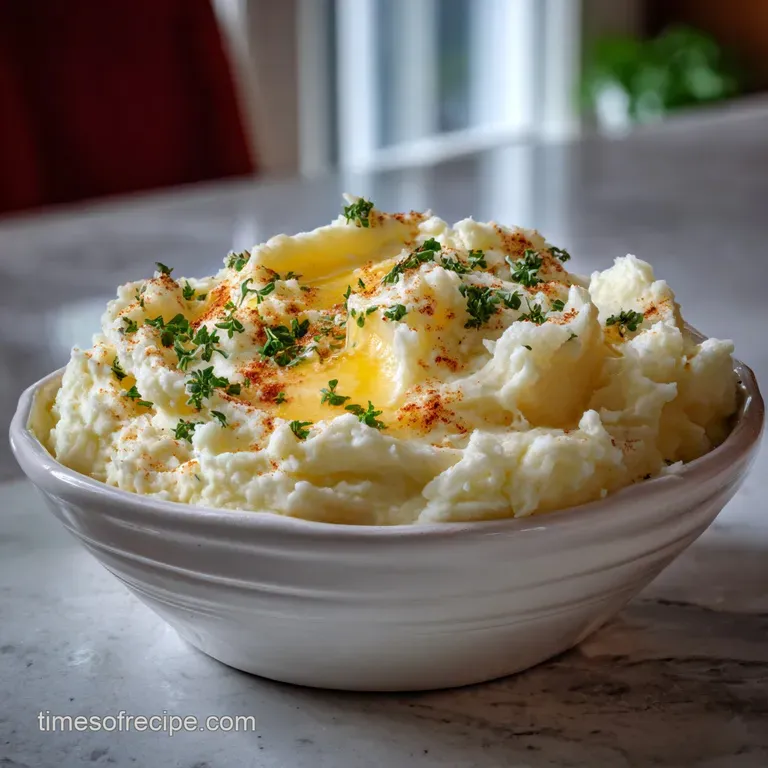
The Secret to No-Fail Easy Mashed Potatoes
We’ve all been there: you spend 40 minutes peeling and boiling, only to end up with a bowl of gray, gummy paste that feels more like wallpaper adhesive than a side dish.
I once ruined a Thanksgiving dinner by over processing my spuds in a food processor a mistake that turned my easy mashed potatoes into literal rubber.
That failure taught me that great mash isn't about luck; it's about managing starch and moisture with clinical precision. By following this method, you’ll achieve a velvety texture that holds its shape on the plate but melts the moment it hits your tongue.
We’re going to use a specific temperature ramp and fat-incorporation technique to ensure your easy mashed potatoes are the best thing on the table.
The Science of Why it Works
- Starch Gelatinization Control: Starting potatoes in cold water allows the heat to penetrate the center evenly, preventing the outside from dissolving into mush before the inside is tender.
- Amylose Management: Rinsing cubed potatoes removes excess surface starch, which is the primary culprit behind a "gluey" or "sticky" texture.
- Pectin Strengthening: Adding Diamond Crystal Kosher Salt to the boiling water helps maintain the cellular structure of the potato, ensuring they soften without disintegrating.
- Fat Emulsification: Warmed Land O'Lakes Heavy Cream and softened Kerrygold Unsalted Butter bind with the potato solids more effectively than cold dairy, creating a stable, smooth emulsion.
The Science Behind the Ingredients
- What They Do
- Provide the structural base and starch profile for the dish.
- The Chemistry
- High starch Russets offer a fluffy, "mealy" texture due to high amylose content, while Yukon Golds provide a "creamy" mouthfeel from their medium starch profile.
- Why This Matters
- Using a 50/50 blend or pure Yukon Golds creates a naturally buttery flavor and a denser, more luxurious easy mashed potatoes result.
- What It Does
- Acts as the primary hydrating agent and fat source.
- The Chemistry
- The high fat content (36%+) coats individual starch granules, preventing them from bonding together into a gummy network.
- Why This Matters
- Warming the cream prevents the potato starches from "shocking" and seizing, which maintains the velvety texture.
- What It Does
- Adds lipid richness and improves the sheen of the final dish.
- The Chemistry
- Butter provides milk solids that enhance the "nutty" flavor profile through a mild interaction with the warm potato heat.
- Why This Matters
- Softened butter incorporates instantly, reducing the need for excessive stirring the number one cause of gluey potatoes.
Essential Tools for Masterclass Mash
- Le Creuset Dutch Oven: Provides even heat distribution for boiling.
- OXO Good Grips Potato Ricer: The gold standard for aerating potatoes without crushing cell walls.
- Small Saucepan: For warming your cream and garlic infusion.
- Rubber Spatula: For folding, not stirring, to keep the mash light.
Ingredients and Substitutions
| Original Ingredient | Substitute | Why It Works |
|---|---|---|
| 1 cup Heavy Cream | Whole Milk + 2 tbsp Butter | Increases fat content to mimic cream richness; slightly less thick. |
| 1/2 cup Unsalted Butter | Ghee (Clarified Butter) | Higher smoke point and intense toasted flavor; removes milk solids. |
| 2 Cloves Smashed Garlic | 1 tsp Garlic Powder | Distributes flavor evenly without the need for infusion time. |
| 3 lbs Yukon Gold Potatoes | Russet Potatoes | Higher starch content results in a fluffier, drier mash. |
How to Make Easy Mashed Potatoes step-by-step
- Prep and Rinse: Peel 3 lbs Yukon Gold or Russet potatoes and cut into 1 inch cubes. Note: Uniform cubes ensure even heat distribution and simultaneous pectin breakdown.
- Cold Start: Place potatoes in a Le Creuset Dutch Oven, cover with cold water, and add 1 tbsp fine sea salt. Note: Starting in cold water prevents the exterior from overcooking while the core remains raw.
- Boil and Simmer: Bring to a boil, then reduce to a simmer for 20 minutes until fork tender. Note: A gentle simmer prevents the potatoes from banging together and releasing excess starch into the water.
- Infuse Dairy: While potatoes simmer, combine 1 cup heavy cream and 2 cloves smashed garlic in a small saucepan over low heat. Note: Heat extracts the essential oils from the garlic for a subtle, aromatic infusion.
- Drain and Steam: Drain potatoes in a colander, then return them to the warm pot for 2 minutes. Note: This "steam dry" step removes residual moisture, allowing the potatoes to absorb more fat.
- Rice the Spuds: Pass the hot potatoes through an OXO Potato Ricer into a large bowl. Note: Ricers aerate the potato, creating a "shatter" effect of the starch rather than a mash.
- Incorporate Butter: Fold in 1/2 cup softened unsalted butter using a spatula until just melted. Note: Adding fat before liquid creates a protective coating on the starch granules.
- Add Warm Liquid: Remove garlic from the cream and slowly fold the warmed liquid into the potatoes. Note: Gradual incorporation prevents the emulsion from breaking.
- Final Seasoning: Fold in 1 tsp kosher salt and 1/2 tsp freshly cracked black pepper. Note: Seasoning at the end ensures the salt dissolves into the moisture without toughening the starch.
Chef's Note: For a truly professional finish, pass the finished mash through a fine mesh tamis. This removes any microscopic lumps, resulting in a texture often found in Michelin starred restaurants.
Troubleshooting Common Mistakes
| Problem | Root Cause | Solution | Pro Protocol |
|---|---|---|---|
| Gluey/Sticky Texture | Overworking the starch (using a blender/mixer). | Use a ricer or hand masher only. | Never use a food processor for easy mashed potatoes. |
| Soupy/Thin Mash | Too much liquid added too fast. | Simmer on low heat to evaporate excess moisture. | Always add cream in 1/4 cup increments to check consistency. |
| Lumpy Texture | Undercooked potato centers. | Ensure potatoes are fork tender before draining. | Use a paring knife; it should slide in with zero resistance. |
Common Myths About Mashed Potatoes
Myth: You must boil the potatoes with the garlic for the best flavor. Truth: Boiling garlic often makes it bitter or "lost" in the water. Infusing it into the Land O'Lakes Heavy Cream provides a cleaner, more sophisticated garlic aroma.
Myth: Adding cold butter helps the potatoes set. Truth: Cold butter shocks the potato starch, which can lead to a grainier mouthfeel. Softened butter at room temperature emulsifies far more efficiently into the easy mashed potatoes recipe.
Masterclass Variations
- Mashed Roasted Potatoes: Roast the potatoes at 400°F until the skins shatter, then scoop out the insides for a deep, earthy flavor profile.
- Herb Infused: Add 2 sprigs of fresh rosemary and thyme to the cream while warming, then strain before mixing.
- Brown Butter Mash: Toast your Kerrygold Unsalted Butter in a pan until it smells nutty and turns golden brown before adding it to the spuds.
- Loaded Mashed Potatoes: Fold in sharp cheddar, crispy bacon bits, and chives after the final cream incorporation.
This Best Mashed Potatoes method is the ultimate Comfort Food staple. It pairs beautifully with a hearty roast or can be served as the star of your Holiday Side Dishes. If you’re looking for a sweet finish to your meal, try my Easy Fudge Recipe: Velvety Chocolate Sets Perfectly or these Hershey Kiss Cookies Recipe: Easy Peanut Butter Blossoms.
Storage and Reheating
How do you store easy mashed potatoes? Store leftovers in an airtight container in the refrigerator for up to 4 days. To maintain texture, press a piece of plastic wrap directly onto the surface of the mash to prevent a "skin" from forming.
Can you freeze easy mashed potatoes? Yes, easy mashed potatoes freeze well for up to 2 months because of the high fat content (butter and cream). Freeze them in individual 1 cup portions in freezer safe bags. Thaw overnight in the fridge before reheating.
- Stovetop
- Place in a saucepan over low heat. Add a splash of heavy cream and stir gently until warmed through.
- Oven
- Place in a baking dish, cover with foil, and bake at 350°F for 20 minutes.
- Slow Cooker
- For parties, keep easy mashed potatoes on the "warm" setting with an extra tablespoon of butter to keep them moist.
Why This is the Only Easy Mashed Potatoes Recipe You Need
This recipe focuses on the "why" of cooking. By understanding that starch is a delicate polymer that reacts to heat and mechanical agitation, you move from "making dinner" to "crafting an experience." Using specific tools like the OXO Potato Ricer and high-quality fats like Kerrygold ensures that every bite is consistent.
Whether you call them easy mashed potatoes, Mashed Roasted Potatoes, or just your favorite Comfort Food, the technique remains the same: treat the starch with respect, and it will reward you with a velvety, cloud like finish every time.
For more easy meal prep ideas that use similar simple ingredients, check out my Chia Pudding Recipe: Healthy & Easy Meal Prep or my Fruit Pizza Sugar Cookie: Easy Cream Cheese Recipe. Happy mashing!
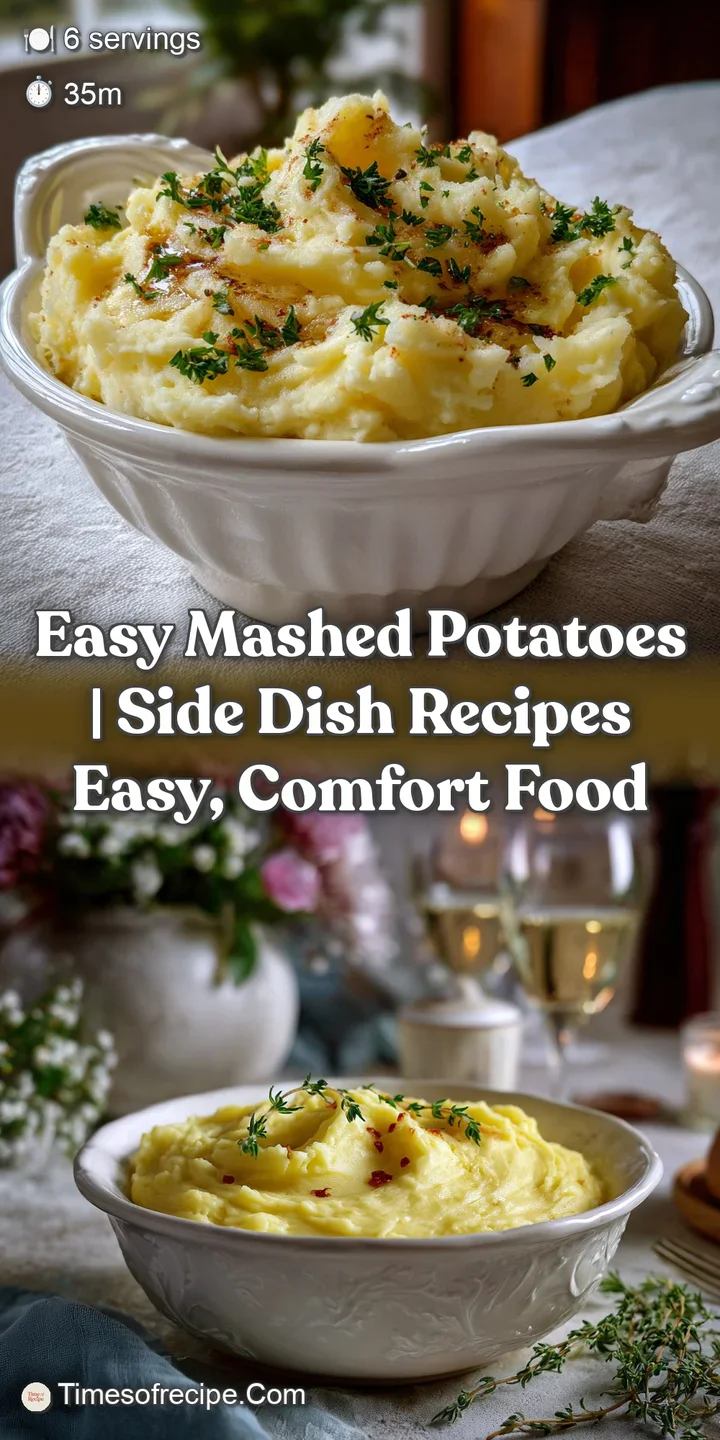
Recipe FAQs
What is the ideal potato type for creamy mash?
Russet or Yukon Gold provide the best texture. Russets yield fluffier results due to higher starch content, while Yukon Golds retain shape better and provide a natural buttery flavor.
Should I ever use a food processor?
Never use a food processor or electric mixer for final mashing. High speed blades rupture starch cells, releasing excessive amylose which binds water, resulting in gluey, gummy potatoes.
Does adding milk or cream while cold affect the outcome?
Yes, cold dairy causes starch contraction and prevents smooth incorporation. Heated dairy warms the potato structure evenly, allowing fats to emulsify properly with the starches for a velvety texture.
- Warm liquids gently on the stovetop
- Add butter first to coat starch granules
- Ensure potatoes are hot before incorporation
Is it better to boil potatoes whole or cut them?
Cut them uniformly for faster, even cooking. Cutting speeds up the process, but ensure pieces are uniform in size so they absorb water and gelatinize at the same rate.
Can I use butter substitutes like margarine?
Use high fat, European style butter for superior flavor. Margarines often contain stabilizers and higher water content, which interferes with the necessary fat-to-moisture ratio needed for cloud like aeration.
Myth: Over mashing is the only way to get gummy potatoes.
Myth: Over mashing is the only way to get gummy potatoes. Reality: Using cold ingredients or improperly dried potatoes significantly contributes to poor texture, similar to issues found when preparing Mangu: Authentic Dominican Mashed Plantains with Pickled Onions.
Myth: Drying the potatoes after boiling isn't necessary for fluffy mash.
Myth: Drying the potatoes after boiling isn't necessary for fluffy mash. Reality: Surface moisture must evaporate off the starch granules immediately after draining; otherwise, that excess water dilutes the final product, impacting richness.
Easy Mashed Potatoes Masterclass
Ingredients:
Instructions:
Nutrition Facts:
| Calories | 446 calories |
|---|---|
| Protein | 6 g |
| Fat | 30 g |
| Carbs | 40 g |
| Fiber | 5 g |
| Sugar | 1 g |
| Sodium | 466 mg |
