Flavorful Shredded Chicken
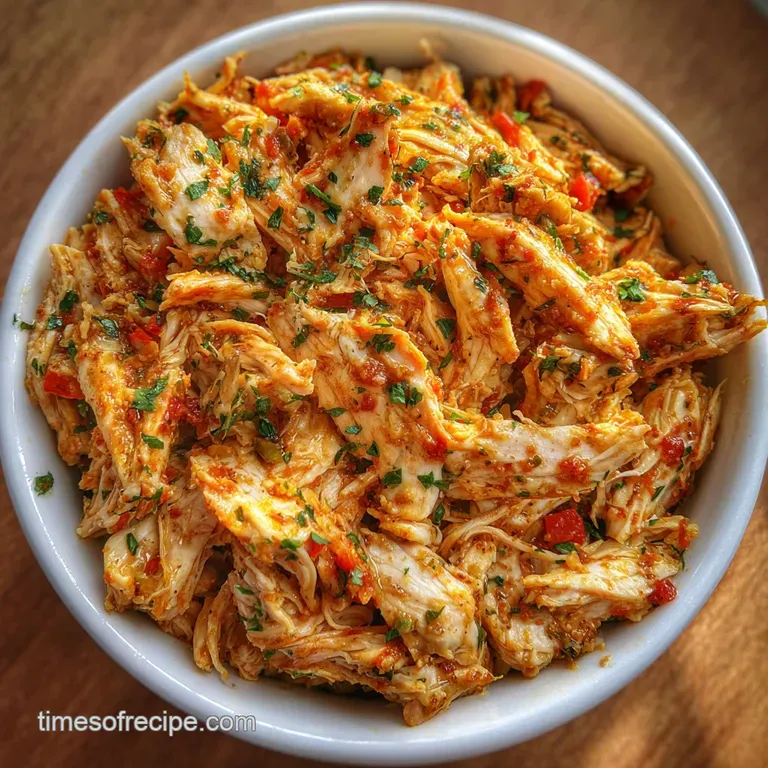
- Time: Active 5 minutes, Passive 15 minutes, Total 20 minutes
- Flavor/Texture Hook: Succulent, velvety strands with a savory, aromatic finish
- Perfect for: High protein meal prep and hearty family taco nights
- How to Make Succulent Shredded Chicken
- The Physics of Gentle Poaching
- Essential Recipe Metrics for Success
- Deep Dive Into Flavorful Components
- Tools for Effortless Meat Prep
- Detailed Walkthrough for Perfect Texture
- Fixing Common Cooking Texture Issues
- Bold Ways to Customize Flavors
- Adjusting for Crowds and Portions
- The Truth About Pre Searing Meat
- Proper Storage and Leftover Ideas
- Ways to Enjoy Hearty Chicken
- Recipe FAQs
- 📝 Recipe Card
How to Make Succulent Shredded Chicken
The first time I tried to prep a big batch of protein for the week, I ended up with something that looked and tasted like shredded cardboard. It was a total mood killer. I had just tossed the meat into boiling water and let it bounce around until it was gray and tough.
Honestly, don't even bother with that "rolling boil" method. You’ve got to treat the meat with a bit more love if you want that melt in-your mouth texture that makes a meal feel satisfying.
Now, whenever I start a pot of this, the kitchen instantly fills with the hearty, warm scent of smashed garlic and simmering onions. It’s a smell that tells the kids dinner is actually going to be good tonight. This recipe isn't just about cooking meat; it’s about creating a bold flavor foundation that works for everything from salads to a Chicken Bryan recipe inspired pasta. We're going for deep, comfort food vibes here.
Trust me on this, once you see how easy it is to get this velvety result, you’ll never go back to the dry, stringy stuff. We're talking about a technique that relies on gentle heat and plenty of aromatics. It’s the kind of trick that makes you feel like a pro even on a hectic Tuesday night.
Ready to get that pot simmering? Let's crack on.
The Physics of Gentle Poaching
Protein Denaturation: Maintaining a sub boiling temperature prevents the muscle fibers from contracting too tightly and squeezing out their moisture. Osmotic Seasoning: The high salt concentration in the liquid forces seasoning into the meat while keeping the water inside the cells.
| Meat Thickness | Internal Temp | Rest Time | Visual Cue |
|---|---|---|---|
| 1 inch thick | 165°F | 5 minutes | Opaque throughout, no pink |
| 1.5 inches thick | 165°F | 8 minutes | Fibers pull apart easily |
| 0.5 inch (cutlets) | 165°F | 3 minutes | Firm but gives slightly to touch |
The key to that perfect "shred" is catching the meat right at the 165°F mark. If you go much further, the fibers become brittle rather than supple. Using a meat thermometer is the easiest way to avoid the heartbreak of overcooked poultry.
Essential Recipe Metrics for Success
When we talk about meal prep, consistency is everything for a busy home cook. Using 2 lbs boneless, skinless chicken breasts ensures you have enough for about six solid servings. This is the sweet spot for a standard 4 quart pot, allowing enough room for the 1 quart chicken broth to fully submerge the meat without overflowing.
| Original Ingredient | Substitute | Why It Works |
|---|---|---|
| Chicken Broth (1 qt) | Vegetable Broth (1 qt) | Similar salt/savory profile. Note: Slightly earthier finish. |
| Yellow Onion (1 small) | White Onion or Leeks | Provides the same aromatic sweetness to the poaching base. |
| Sea Salt (1 tbsp) | Kosher Salt (1.5 tbsp) | Different grain size; keeps the osmotic balance without over salting. |
Using broth instead of plain water is a total necessity for bold flavor. If you use water, you're essentially making a very weak tea out of your chicken, which is the opposite of what we want. We want to add flavor, not take it away.
Deep Dive Into Flavorful Components
I’ve made the mistake of skipping the "aromatics" before because I was in a rush. Don't do it. That small yellow onion and those 3 cloves garlic are what turn this from plain meat into a culinary building block.
The bay leaves and peppercorns add a subtle, woody backnote that makes the final dish taste way more expensive than it actually is.
| Ingredient | Science Role | Pro Secret |
|---|---|---|
| Sea Salt | Flavor Enhancer | Use more than you think; most stays in the water. |
| Garlic Cloves | Aromatic Depth | Smash them with a knife to release all the oils. |
| Dried Bay Leaves | Tannin Provider | They help bridge the gap between savory and bright notes. |
If you’re out of fresh garlic, you could use a teaspoon of garlic powder, but the "smashed" fresh cloves really provide a more velvety infusion. The 1 tsp black peppercorns should stay whole; they infuse the liquid without making the meat spicy or gritty.
Tools for Effortless Meat Prep
You don’t need a fancy lab to get this right, but a heavy bottomed pot or a Dutch oven (like a Le Creuset) is brilliant for maintaining a steady temperature. A pair of sturdy forks is the classic way to shred, but if you’re doing a massive batch, a stand mixer with the paddle attachment will save your wrists.
- Heavy bottomed pot: Ensures even heat distribution to prevent hot spots.
- Meat thermometer: The only way to guarantee 165°F precision.
- Large cutting board: Gives you space to pull the meat apart without making a mess.
- Fine mesh strainer: Essential if you want to save that liquid for a soup later.
Once the meat hits that 165°F mark, it’s going to be steaming. I usually let mine sit for a few minutes on the board. The resting phase isn't just a suggestion; it’s when the juices redistribute so they don’t all run out the second you start pulling.
Detailed Walkthrough for Perfect Texture
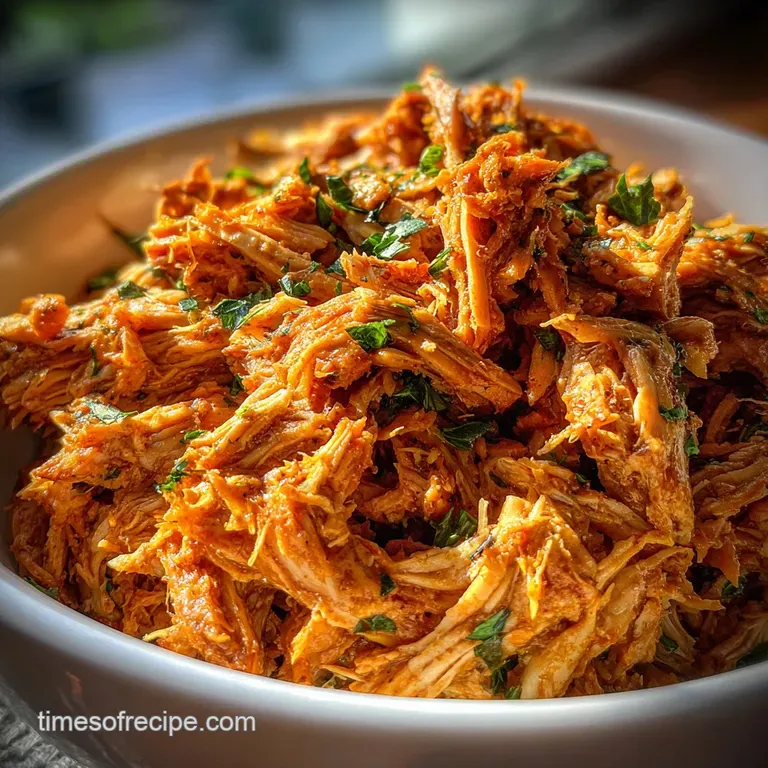
- Prep the base. Place 1 small yellow onion (halved), 3 cloves garlic (smashed), 2 dried bay leaves, 1 tsp black peppercorns, and 1 tbsp sea salt into your pot. Note: Smashed garlic releases allicin for better flavor.
- Add liquid. Pour in 1 quart chicken broth and bring it to a gentle simmer over medium high heat. Watch for small bubbles breaking the surface.
- Submerge meat. Carefully lower the 2 lbs boneless, skinless chicken breasts into the simmering liquid. Listen for a soft sizzle as they hit the heat.
- Adjust heat. Turn the burner down to low immediately. We want a "lazy" bubble, not a violent boil.
- Simmer gently. Cook for 12 to 15 minutes. Check for a "velvety" white appearance on the exterior.
- Verify temp. Use a thermometer to ensure the thickest part reaches 165°F. The aroma should be intensely savory and clean.
- Rest the meat. Transfer the chicken to a clean plate and let it rest for 5 minutes. Note: This prevents the meat from drying out instantly.
- The big shred. Use two forks to pull the grain apart into long, succulent strands. The meat should yield easily to the pressure.
- Moisten up. Toss the shredded meat with a splash of the poaching liquid. This keeps the fibers glistening and moist.
- Store or serve. Use immediately for a Forgotten Chicken Recipe style casserole or cool for the fridge.
Fixing Common Cooking Texture Issues
Even with the best intentions, things can go sideways. If your chicken feels like you're chewing on a rubber band, you likely let the water get too hot. High heat causes the proteins to snap shut. If it's too soft or "mushy," it might have sat in the hot liquid for way too long after it reached temperature.
Why is my chicken rubbery and tough?
This usually happens because the liquid reached a rolling boil. When chicken is boiled aggressively, the muscle fibers contract violently, squeezing out all the moisture. The "gentle" part of poaching is non negotiable.
If this happens, your best bet is to chop the chicken very finely and mix it with a lot of mayonnaise or sauce to mask the texture.
| Problem | Root Cause | Solution |
|---|---|---|
| Dry, stringy meat | Temperature exceeded 175°F | Shred finely and toss with extra broth immediately. |
| Bland flavor | Not enough salt in liquid | Season the shredded meat with extra salt and lime. |
| Pink in the middle | Internal temp below 165°F | Return to simmering broth for 2-3 more minutes. |
Common Mistakes Checklist
- ✓ Never let the poaching liquid reach a full, rolling boil once the meat is added.
- ✓ Always use a meat thermometer to pull the chicken at exactly 165°F.
- ✓ Don't skip the 5 minute resting period before you start shredding.
- ✓ Use a flavorful liquid like broth rather than plain water for the base.
- ✓ Make sure the meat is completely submerged for even cooking.
Bold Ways to Customize Flavors
The beauty of this base recipe is how easily it adapts. If you're craving something with a kick, you can transform this into Shredded Chicken for Tacos by adding a tablespoon of chili powder and a teaspoon of cumin to the poaching liquid.
The aromatics will absorb these spices, deeply seasoning the meat from the inside out.
Can I make a Quick Zesty Lemon Herb version?
Absolutely! Replace half of the onion with a sliced lemon and add four sprigs of fresh thyme or rosemary to the pot. This creates a bright, citrusy profile that is perfect for summer salads or light grain bowls.
The lemon acidity also helps tenderize the fibers even further, making the shredding process feel effortless.
What are the best Easy Shredded Chicken Meals?
We love using this for a quick buffalo chicken dip or a classic hearty chicken salad with celery and grapes. Because the chicken is already seasoned and juicy, you don't need to do much to make it taste like a "real" meal.
It’s also the perfect protein to add to a Broccoli Casserole recipe for an extra punch of nutrition.
| Flavor Goal | Additions to Liquid | Best Use Case |
|---|---|---|
| Mexican/Taco | Cumin, Oregano, Lime | Enchiladas, Tacos, Burritos |
| Asian Inspired | Ginger, Soy Sauce, Star Anise | Ramen topping, Cold Noodle Salad |
| Mediterranean | Lemon, Oregano, Peppercorns | Greek Pitas, Orzo Salads |
Adjusting for Crowds and Portions
If you're scaling this recipe down for just one or two people, it's pretty simple. You can use half the chicken and half the broth, but I'd keep the onion and garlic quantities the same you want that flavor concentration!
Reduce the cooking time by about 20% if you're using smaller, thinner cutlets instead of full breasts.
When scaling up for a party (2x or 4x), you need to be careful with the seasonings. Don't just quadruple everything. For a double batch, increase the salt and spices by 1.5x rather than 2x to avoid it becoming overwhelmingly salty.
You’ll also need to work in batches or use a very large stockpot to ensure the chicken isn't crowded, which can lead to uneven poaching.
The Truth About Pre Searing Meat
One of the biggest misconceptions is that you need to sear the chicken before poaching to "lock in juices." That’s a total myth. Searing is great for flavor (the Maillard reaction), but it won't keep the meat from drying out if you overcook it.
In a poaching recipe, you want the liquid to penetrate the meat, so skipping the sear actually results in a more uniform, velvety texture.
Another common myth is that you can't overcook chicken in liquid. "It's in water, how can it be dry?" I hear that all the time. But heat is heat. Even in a bath of gold, if the internal temp hits 180°F, those fibers are going to turn into wood. Stick to your thermometer!
Proper Storage and Leftover Ideas
Once you've shredded your chicken, the best way to keep it fresh is to store it in an airtight container with a little bit of that leftover poaching liquid. This keeps the meat from oxidizing and turning gray in the fridge. It will stay good for about 4 days.
If you want to freeze it, portion it out into freezer bags with a splash of broth; it will keep its texture for up to 3 months.
To use up the scraps, don't throw away that poaching liquid! Strain it into a jar and keep it in the fridge. It’s basically a fortified chicken stock now, full of onion and garlic flavor. Use it to cook rice or as a base for a quick noodle soup.
Even the onion and garlic halves can be blended into a sauce if you're feeling extra zero waste.
Ways to Enjoy Hearty Chicken
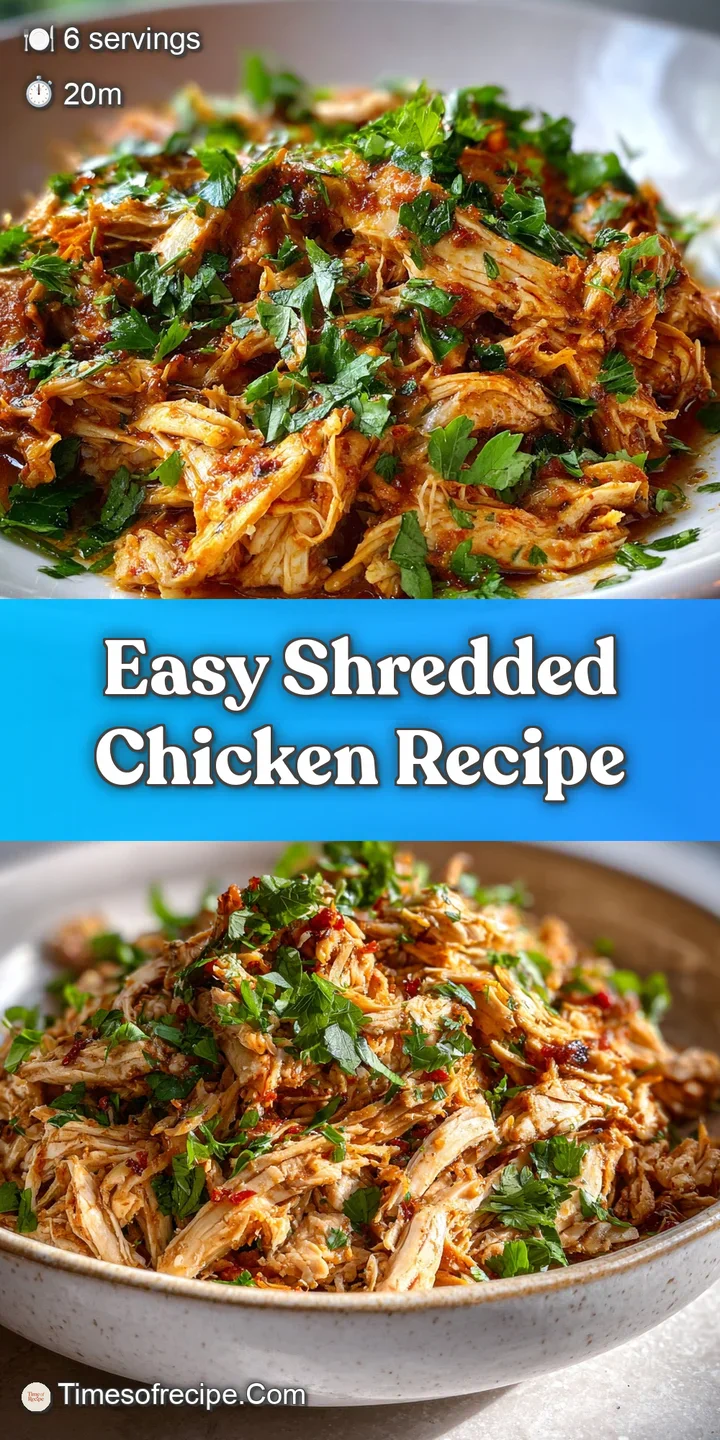
The most satisfying part is seeing that big bowl of Shredded Chicken ready to go. My favorite way to serve it for a crowd is a "Build Your Own Bowl" station. Set out some cilantro lime rice, black beans, avocado, and this juicy chicken.
It’s a meal that feels intentional and hearty without requiring you to stand over a stove for hours.
But what about the leftovers? Honestly, this chicken is so good cold that I often just grab a forkful straight from the fridge. It's the ultimate high protein snack that actually tastes like something.
Whether you're tossing it into a quick pasta or layering it onto a sandwich, the bold, savory aromatics we built into the poach will shine through every single bite. Happy cooking!
Recipe FAQs
What is the easiest way to get shredded chicken?
Gently poach chicken breasts in seasoned broth until 165°F. Keep the liquid at a slow simmer, not a rolling boil, to prevent the muscle fibers from seizing up. Once rested for 5 minutes, the meat will easily pull apart with two forks.
How long do you boil chicken breasts to shred?
12 to 15 minutes for standard 1 inch thick breasts. The primary indicator is reaching an internal temperature of 165°F; time is secondary. Always verify the temperature with a thermometer to ensure it is tender, not tough.
What is an easy hack for shredding chicken?
Use a stand mixer with the paddle attachment on low speed. Place the hot, slightly cooled chicken directly into the bowl and mix for about 20 seconds. This method is significantly faster than using two forks, especially for large batches.
Is it better to boil or bake chicken for shredding?
Boiling (or poaching) is superior for shreddability and moisture retention. Poaching in liquid seasons the meat from the inside out while gently cooking it to the target temperature of 165°F, yielding a velvety result.
Should I skip seasoning the poaching liquid because I can just salt the meat later?
No, skip this step at your peril. Seasoning the liquid promotes osmotic seasoning, forcing the salt and aromatics into the meat fibers as they cook, which is crucial for flavor depth.
Can I use the poaching liquid leftover from shredding chicken?
Yes, strain it and use it as a flavorful base stock. Since you cooked the chicken with aromatics, this liquid is packed with savory notes, perfect for starting recipes like our Cheesy Chicken Taco recipe instead of plain water.
Is searing chicken before boiling necessary for the best texture?
No, searing before poaching is unnecessary and potentially detrimental. Searing creates a flavorful crust but doesn't "lock in juices"; gentle poaching is the superior technique here for uniform, moist protein fibers.
Easy Shredded Chicken
Ingredients:
Instructions:
Nutrition Facts:
| Calories | 182 kcal |
|---|---|
| Protein | 33 g |
| Fat | 3.5 g |
| Carbs | 1 g |
| Fiber | 0 g |
| Sugar | 0.5 g |
| Sodium | 480 mg |
