Puerto Rican Rice and Pigeon Peas (Arroz Con Gandules)
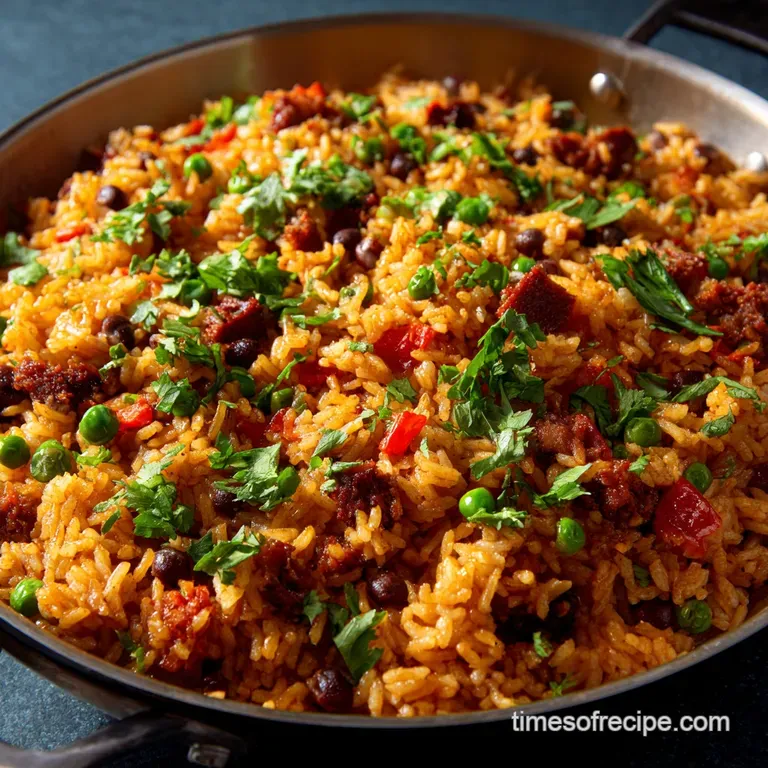
- The Essential Arroz con Gandules: A Culinary Legacy
- Achieving Perfect Texture and Flavor Saturation
- Required Components for Authentic Arroz con Gandules
- The Definitive Method: Cooking Arroz con Gandules
- Troubleshooting and Expert Tips for Optimal Results
- Making the Most of Leftover Puerto Rican Rice
- Traditional Pairings for Arroz con Gandules
- Recipe FAQs
- 📝 Recipe Card
The Essential Arroz con Gandules: A Culinary Legacy
That smell. Seriously, if you could bottle the aroma of garlic, oregano, and slow cooked peppers, that would be the essence of a traditional Puerto Rican kitchen. It’s comforting, vibrant, and instantly transports me back to my grandmother's stovetop, where the food was always better.
This rice is the ultimate taste of that heritage.
Every home cook needs a knockout, reliable rice dish in their arsenal, and this specific Puerto Rican Rice (K1) recipe is exactly that star player. It's incredibly satisfying, requires only basic pantry staples (assuming you have your sofrito ready, of course!), and stretches easily to feed a crowd without breaking the bank.
It's truly a lifesaver when you need maximum flavour for minimum fuss.
I’ve made every mistake possible with this dish from mushy grains to under seasoning so you don't have to. We are going to nail that perfect grano suelto (separated, fluffy grain) texture today.
So grab your caldero , and let’s crack on with making the best Puerto Rican Rice (K2) you have ever tasted.
Achieving Perfect Texture and Flavor Saturation
The biggest difference between average rice and jaw-droppingly good Puerto Rican Rice (K3) is simple technique. We aren't just boiling rice; we are building deeply layered flavour before we even think about the liquid.
This process, often called blooming, ensures the seasoning penetrates every single grain, not just the water.
Decoding the Name: What is 'Gandules'?
When you see Arroz con Gandules , the focus is on the gandules —the small, protein rich pigeon peas. These little legumes give the rice its characteristic texture and earthy depth.
They are the defining ingredient, offering a lovely nutty counterpoint to the powerful, savoury spices in the Puerto Rican Rice (K4) itself. They are absolutely non-negotiable for authenticity, trust me.
Why Arroz con Gandules Reigns Supreme at Celebrations
This dish isn't just a side; it’s the king of the table, especially during holidays like Christmas and Thanksgiving. You won't find a Puerto Rican party without a giant pot of it steaming away, usually paired with pernil (roast pork).
It has this perfect balance of richness from the sofrito and a pleasant acidic kick from the olives and tomato. This complex flavour profile is why Puerto Rican Rice (K5) holds such a celebrated spot in our cuisine.
The Cultural Significance of Puerto Rico's Signature Dish
Food is memory, right? And for Puerto Ricans, this dish embodies that connection to family and history. The techniques used, from the initial frying of aromatics to the final steaming in the caldero , have been passed down for generations.
Learning to perfect this Puerto Rican Rice (K6) recipe means keeping that tradition alive in your own kitchen. It's a deep dive into the island’s soul through food, and that’s a beautiful thing.
The Sofrito Difference: Building the Flavor Foundation
Sofrito is the aromatic bedrock of nearly all savory Boricua food. You cannot make truly fantastic Puerto Rican Rice (K7) without a generous amount of it. This essential blend of ajíes dulces (sweet peppers), onions, garlic, and herbs is sautéed first to bloom and release its concentrated flavour oils into the hot fat.
This step ensures that the rice later cooks in richly seasoned oil, not just broth.
Mastering the Ratio: Liquid Absorption for Tender Grains
This is where many beginners trip up. Unlike generic white rice recipes, the ratio for Arroz con Gandules needs careful management, especially since you are adding tomato sauce, sofrito , and the peas themselves, which all contain moisture.
We aim for slightly less liquid than you might expect for 2 cups of rice because the steaming phase is so crucial. Getting the liquid balance just right prevents the famous Puerto Rican Rice (K8) from turning into a sticky, gummy mess.
Why Medium Grain Rice is Essential for the Right Consistency
You absolutely must use medium grain rice. Why? Because the goal is a fluffy, separate grain ( grano suelto ) while still retaining a slightly moist, clingy texture that soaks up the flavour base.
Long grain rice often becomes too dry and brittle in this specific cooking method, while short grain rice gets too sticky, making it impossible to achieve that signature Puerto Rican Rice (K9) consistency. Calrose is my go-to choice if I can't find anything labeled simply "medium grain."
Required Components for Authentic Arroz con Gandules
| Ingredient Category | Recommended Item | Substitute Option | Why It Matters |
|---|---|---|---|
| Fat | Olive Oil / Annatto Oil | Vegetable Oil | Annatto (Achiote) gives the classic colour. |
| Aromatic Base | Homemade Sofrito | Diced Onion, Bell Pepper, Garlic Paste | Flavour and moisture control are significantly better with sofrito . |
| Peas | Canned Pigeon Peas ( Gandules ) | Canned Black Eyed Peas or Kidney Beans | Essential nutty texture and slight bitterness. |
| Colour/Umami | Sazón with Achiote | Turmeric + Cumin + Salt | Provides the signature reddish orange colour and MSG boost. |
Sofrito vs. store-bought: Freshness Matters
Look, I get it. Life is busy. But if you have the time, homemade sofrito is worth the effort, hands down. Fresh sofrito has a brighter, more vibrant flavour that just doesn't compare to the jarred varieties.
However, if you're using store-bought, make sure it’s one you trust and adjust the salt levels accordingly, since it’s usually quite salty. Getting the sofrito right is the first step in making perfect Puerto Rican Rice (K10).
Breaking Down the Seasoning: Sazón, Achiote, and Adobo
These three are the holy trinity of Boricua seasoning. Sazón (which usually contains achiote , or annatto) provides that gorgeous, deep orange hue and a savory, almost meaty flavour.
Adobo (a mix of garlic powder, oregano, salt, pepper, and turmeric) is used separately to season the sofrito base before the liquid goes in. If you can’t find sazón , you can create the colour with ground annatto mixed with a tiny bit of turmeric and cumin.
Don't skip the colour! That rich appearance is part of the appeal of authentic Puerto Rican Rice (K11).
Pigeon Peas (Gandules): Canned vs. Dried Preparation
Ninety nine percent of the time, I use canned gandules . They are convenient, they hold their shape well, and they are readily available. Just remember to drain and rinse them really well; that canning liquid is sometimes a little murky.
If you are a purist and decide to use dried peas, you must soak them overnight and boil them until they are just tender (about 30- 40 minutes) before adding them to the rice, treating them exactly as you would canned.
Navigating Substitutions for Key Aromatic Ingredients
While I encourage authenticity, sometimes you have to adapt. If you don't have Spanish olives with pimentos, capers are a great acidic alternative. If you don't have chicken broth, robust vegetable broth works just fine, though I usually add a little extra salt to compensate for the loss of umami.
But seriously, try not to substitute the gandules —that's like making spaghetti Bolognese without meat. It changes the entire identity of the Puerto Rican Rice (K12).
The Definitive Method: Cooking Arroz con Gandules
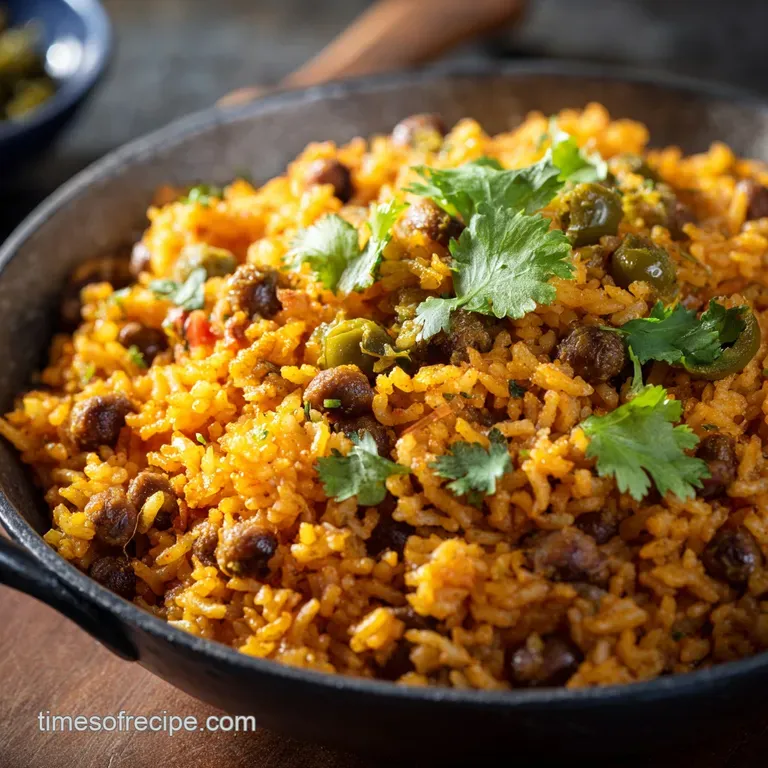
Step 1: Infusing the Fat with Annatto/Achiote Oil
This is the non-negotiable first step. If you are using cured pork (like tocino or ham), render it first until it’s crispy and delicious. Remove the meat, and then add your oil.
If you are using plain olive oil, consider adding a pinch of ground annatto or even a splash of dedicated achiote oil. This step is about flavour and colour, giving your Puerto Rican Rice (K13) that characteristic orange glow right from the start.
Step 2: Sautéing the Sofrito and Spices
Add your homemade sofrito to the hot, colourful oil. Cook this gently over medium heat, stirring occasionally, until it stops smelling raw and starts smelling sweet and deeply savory. This usually takes about 3- 5 minutes.
Then, stir in the tomato sauce and the full packet of sazón . Cook these together for one minute. This blooming process concentrates the spices and prevents a powdery taste in the final dish.
Step 3: Toasting the Rice for Maximum Flavor Depth
After adding the liquid and bringing it to a boil, gently stir in the rinsed and drained medium grain rice. This is a critical moment. Let the whole pot return to a rapid boil and maintain that high heat, uncovered, until the water level drops below the rice line. Do not stir deeply during this time!
You are essentially toasting the exterior of the grains in the richly seasoned liquid, locking in the fat and flavour base before the steam stage. This initial boil is crucial for preventing gummy grains in your finished Puerto Rican Rice (K14).
Step 4: Crucial Steaming Time and the Final Fluffing
Once the water is mostly absorbed and little craters appear on the rice surface, perform the final, gentle fold. Scoop the bottom rice up to the top once or maybe twice just to redistribute the less cooked grains. Immediately reduce the heat to the absolute lowest setting possible.
Then, cover it tightly. Set your timer for 25 minutes and step away.
Chef's Note: Resist the urge to peek! Every time you lift the lid, you release the critical steam needed to fully cook the top layer of rice. If you do this, your Puerto Rican Rice will cook unevenly, and nobody wants half cooked rice.
After 25 minutes, turn off the heat completely and let the pot rest for 10 more minutes, still covered. Finally, remove the lid and use a wooden spoon or fork to gently fluff the grains. Look for that crispy pegao (rice crust) at the bottom it's the best part!
Troubleshooting and Expert Tips for Optimal Results
Preventing Mushy Rice: The Critical No-Stir Rule
If your Puerto Rican Rice (K15) turns out sticky, nine times out of ten, you stirred too much. Stirring releases starch and breaks the grain structure, leading to a mushy texture. Remember: only a gentle push during the initial boil and one simple flip before the steam phase. That’s it!
Starch is the enemy of fluffy rice, so respect the boil and the steam process.
Choosing the Right Pot: Caldero vs. Dutch Oven
A caldero (a thick, rounded, cast aluminum pot) is ideal because its shape and heavy bottom create the perfect temperature gradient, allowing the rice on the bottom to toast into that coveted pegao without burning the middle. If you don't have one, use the heaviest Dutch oven you own.
The more mass your pot has, the better it retains heat, resulting in evenly cooked Puerto Rican Rice (K16) and a great crispy crust.
Adjusting Salt and Sourness Before Covering
This is your last chance to check seasoning. After you add the liquid and bring it to a boil (Step 6), taste the water . It should taste slightly too salty, almost aggressively seasoned. The rice grains, which are bland, will absorb that saltiness and balance it out during cooking.
If it tastes just right now, the final Puerto Rican Rice (K17) will be under seasoned. If it tastes flat, add half a teaspoon of salt and check again.
Making the Most of Leftover Puerto Rican Rice
I always make extra Puerto Rican Rice (K18) because leftovers are fantastic. This rice is one of those dishes that somehow tastes even better the next day after the flavors have fully married in the fridge. But does it freeze well? You bet.
Safe Storage Guidelines for Refrigeration
Once cooled completely, store the rice in an airtight container. It keeps beautifully in the refrigerator for 4 to 5 days. If you find the grains have clumped slightly, a quick fluffing with a fork, or a splash of water before microwaving, will bring it back to life.
I often pack single servings for lunch prep; it holds up like a champ.
Best Practices for Freezing Cooked Arroz con Gandules
Puerto Rican Rice (K19) is a great candidate for freezing. Divide the completely cooled rice into freezer safe bags or containers. Label them with the date. It will maintain quality for up to 3 months. When freezing, I usually flatten the bags for easier stacking and faster thawing later.
Thaw it overnight in the fridge before reheating for the best results.
Reheating Without Drying Out the Grains
The goal when reheating is to reintroduce moisture without making the rice soggy.
- Microwave Method: Place a serving in a bowl. Sprinkle 1 2 teaspoons of water or broth over the top. Cover the bowl tightly with a paper towel or a plastic lid and microwave on 50% power in 60 second intervals until hot. The trapped steam revitalizes the grains.
- Stovetop Method (Best for large batches): Put the rice in a pot and add a splash of broth (about 1 tablespoon per cup of rice). Cover tightly and warm over low heat for about 10– 15 minutes, allowing the added liquid to steam the rice back to tenderness. This stovetop method is truly the best way to enjoy leftover Puerto Rican Rice (K20).
Traditional Pairings for Arroz con Gandules
The incredible depth of Puerto Rican Rice (K21) makes it the perfect anchor for rich, savory meats. While it is certainly satisfying enough to eat on its own, here are the traditional ways to serve this iconic dish.
- The Classic Pairing: Roast Pork Shoulder ( Pernil ). The acidic salty flavour of the rice cuts through the richness of the slow cooked pork fat beautifully.
- Essential Sides: Crispy fried plantains ( Tostones or Maduros ) and a simple green salad dressed with oil and vinegar. You need that textural contrast!
- Garnish: A simple wedge of lime or a drizzle of homemade spicy pique (hot sauce) adds the perfect finishing touch.
This complex, flavorful, and deeply satisfying Puerto Rican Rice (K22) is more than just food; it’s an experience. If you follow these steps especially the part about not stirring you’ll be serving up a legacy in a bowl. Enjoy!
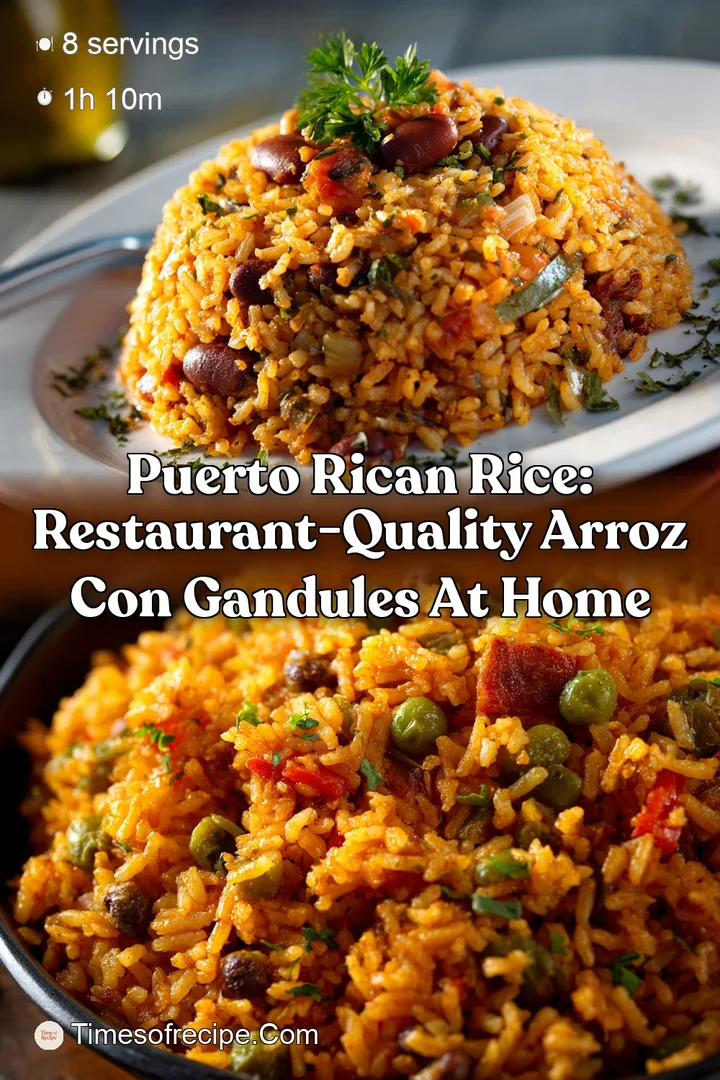
Recipe FAQs
What are the essential ingredients that give Puerto Rican rice its characteristic flavor?
The foundation is sofrito, a blend of culantro, peppers, onions, and garlic, sautéed with annatto oil (achiote) or sazón packets for color and flavor. The rice is cooked intensely in a flavored broth often containing tomato sauce, olives, capers, and salted pork fat (tocino or ham).
How is meat traditionally incorporated into Puerto Rican rice dishes like Arroz con Gandules?
While Arroz con Gandules often uses chunks of salted ham or tocino strictly for flavoring the cooking liquid, other popular variations like Arroz con Pollo (rice with chicken) incorporate braised meats directly.
If using raw meat, you must brown it first to render fat and develop flavor before removing it to start the sofrito base.
My rice often comes out dry or hard in the center. How can I ensure perfectly fluffy Puerto Rican rice?
This usually means you lost too much liquid too quickly or failed to maintain a proper seal during the final steaming phase. After the initial boil, ensure your pot is tightly sealed, reducing the heat to the absolute lowest setting for 20-25 minutes without lifting the lid or stirring.
Using long grain rice and pre-rinsing it thoroughly can also help promote even absorption.
Why did my rice turn out mushy or sticky instead of separate and fluffy?
Mushy rice is typically caused by using too much liquid relative to the rice volume, or by over stirring once the lid is on and the steam cycle begins. Unlike risotto, you should only stir the rice vigorously at the beginning to scrape up the flavor pegao (the crispy bottom layer), and then avoid stirring entirely during the 20-minute steaming process.
I cannot find pigeon peas (gandules). What is an appropriate substitution?
While gandules provide a specific texture and slightly earthy flavor unique to the dish, you can substitute them with canned black eyed peas, green peas, or lima beans in a pinch. Ensure your substitute is drained and rinsed well, and add them late in the cooking process (just before sealing the lid) to prevent them from breaking apart during simmering.
What is Sofrito, and is using homemade Sofrito necessary for authentic flavor?
Sofrito is the aromatic base of virtually all Puerto Rican savory dishes, composed primarily of peppers (ajices dulces), cilantro, onion, garlic, and culantro. While jarred sofrito is widely available and convenient, making it fresh yields a much brighter, more complex, and truly authentic flavor that significantly elevates the final rice dish.
Can I store or freeze leftover Arroz con Gandules?
Leftovers should be stored in an airtight container in the refrigerator for up to 4 days, or you may freeze them for up to 3 months, though the rice texture may degrade slightly upon thawing.
To reheat from the refrigerator, sprinkle a teaspoon of water over the rice, cover tightly, and heat in the microwave or on the stovetop until warmed through.
Essential Puerto Rican Rice Recipe
Ingredients:
Instructions:
Nutrition Facts:
| Calories | 383 kcal |
|---|---|
| Protein | 13.0 g |
| Fat | 12.1 g |
| Carbs | 55.4 g |
