Low Key Fancy New Year S Eve Idea with Garlic
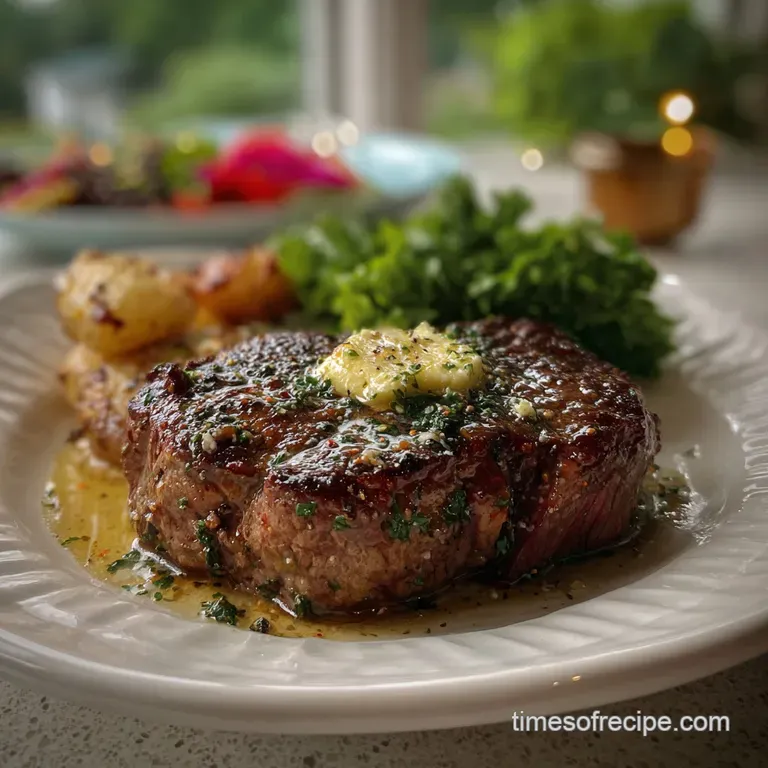
- Time: Active 10 minutes, Passive 10 minutes, Total 20 minutes
- Flavor/Texture Hook: Shatter crisp mahogany crust with a velvety, garlic infused interior
- Perfect for: A relaxed but impressive New Year’s Eve celebration
- Simple Low Key Fancy New Year s Eve Idea with Garlic
- Layered Science of Why This Works
- Precision Details for Your NYE Dinner
- Bold Ingredients for Your Grocery List
- Essential Tools for Heavy Duty Searing
- Building Flavor through Every Cooking Stage
- Solving Searing and Seasoning Issues Fast
- New Twists for Your Holiday Table
- Storing and Using Your Garlic Steak
- Perfect Pairings for a Satisfying Meal
- Recipe FAQs
- 📝 Recipe Card
The kitchen fills with the sharp, mouth watering scent of toasted garlic and searing beef. There is no need for a crowded restaurant when you can produce a steak this satisfying in your own skillet. Here's a delicious recipe for a low key fancy New Year's Eve with garlic butter steak.
It is all about the sound of the sizzle and the way the butter foams around the fresh herbs.
We often think high end meals require hours of prep, but the best food usually comes from simple, bold moves. This isn't about fancy sauces that hide the meat. It's about letting the beef speak for itself while using garlic to provide a punchy, savory backbone.
You want a meal that feels like a celebration but leaves you enough time to actually sit down and enjoy the night.
Trust me, once you hear that first steak hit the hot oil, you will know exactly why we do this. We are aiming for a crust so dark and savory it almost snaps, followed by a center that is buttery and tender. It is a hearty way to ring in the new year without the stress of a ten course menu.
Let's get that skillet screaming hot and start cooking.
Simple Low Key Fancy New Year s Eve Idea with Garlic
Building a meal like this is about understanding how heat and fat interact with the protein. We start with a dry surface to ensure we get a hard sear, then we finish with a cooling bath of flavored butter.
It is a technique that builds layers of taste, from the initial salt penetration to the final aromatic shower of rosemary and thyme.
Layered Science of Why This Works
- Maillard Reaction: High heat causes amino acids and sugars on the steak surface to rearrange, creating hundreds of flavor compounds and a dark brown crust.
- Fat Soluble Aromatics: The essential oils in garlic, thyme, and rosemary dissolve into the hot butter, which then coats the meat to distribute flavor evenly.
- Carryover Cooking: Internal temperature continues to rise after the steak leaves the heat because the exterior's energy moves toward the cooler center.
- Protein Denaturation: Gentle basting at the end slows down the cooking process slightly, helping the fibers stay tender while the fat renders into a silky texture.
Precision Details for Your NYE Dinner
When you are aiming for that big, bold flavor, every minute and every degree counts. I always use a digital thermometer because guessing is for people who like grey, chewy meat. We want that vibrant pink center and a crust that looks like mahogany.
| Feature | Fresh Selection | Shortcut Option | Outcome Difference |
|---|---|---|---|
| Garlic | Fresh Smashed Cloves | Jarred Minced Garlic | Fresh cloves provide a mellow, toasted sweetness, while jarred can turn bitter and acrid. |
| Herbs | Fresh Sprigs | Dried Herbs | Fresh sprigs infuse the butter without burning, whereas dried herbs create a gritty, burnt texture. |
| Fat | high-quality Butter | Margarine | Real butter browns and creates nutty "beurre noisette" notes, which margarine cannot replicate. |
Bold Ingredients for Your Grocery List
- 2 Prime New York Strip or Ribeye Steaks: Choose 1.5 inches thick, approx. 12oz/340g each. Why this? Thick cuts allow for a deep sear without overcooking the center.
- 15g Grapeseed or Avocado Oil: Why this? High smoke points prevent the oil from breaking down and tasting burnt.
- 10g Coarse Kosher Salt: I prefer Diamond Crystal Kosher Salt. Why this? Larger grains stick better and draw out moisture for a better crust.
- 5g Freshly Cracked Black Pepper: Why this? Pre ground pepper lacks the punchy oils that provide a spicy kick.
- 60g Unsalted high-quality Butter: Use something like Kerrygold Unsalted Butter. Why this? Better milk solids create a richer, foamier basting liquid.
- 4 Large Garlic Cloves: Smashed and peeled. Why this? Smashing releases the oils while keeping the clove whole so it doesn't burn.
- 3 Sprigs Fresh Thyme: Why this? Adds a subtle, earthy layer that cuts through the richness of the beef.
- 1 Sprig Fresh Rosemary: Why this? Provides a piney aroma that defines a classic steakhouse flavor profile.
| Ingredient | Science Role | Pro Secret |
|---|---|---|
| Kosher Salt | Denatures surface proteins to trap juices. | Season 45 minutes early or immediately before the steaks hit the pan. |
| Grapeseed Oil | Acts as a heat transfer medium across the skillet. | Look for a slight shimmering or a faint wisp of smoke before adding meat. |
| Unsalted Butter | Adds fat and facilitates the basting "wash." | Add butter only in the last 2 minutes to prevent the milk solids from charring. |
Essential Tools for Heavy Duty Searing
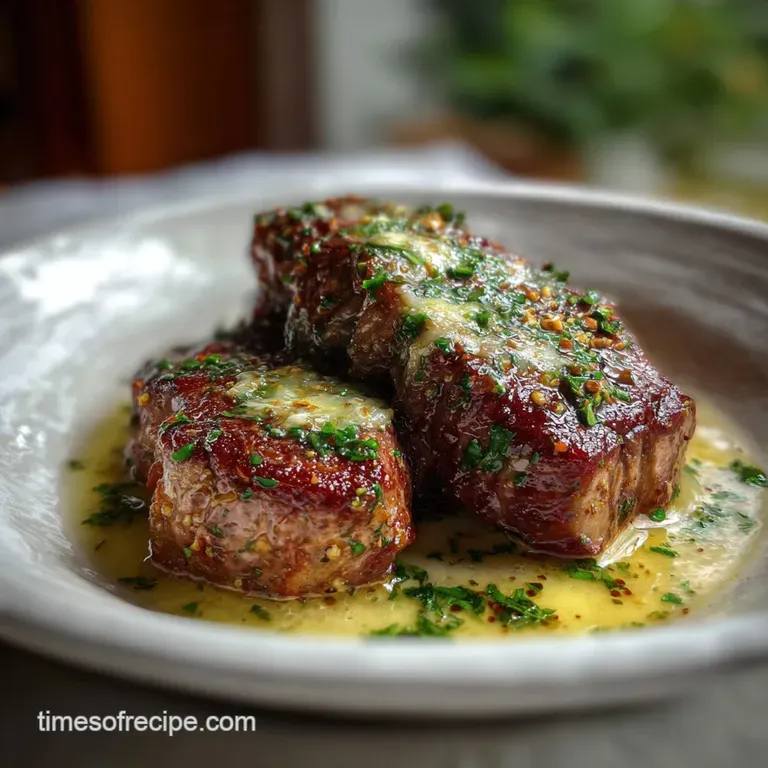
To get this right, you need a heavy pan that holds onto its heat. If you use a thin, non stick pan, the temperature will drop the second the cold meat hits it, and you will end up steaming the steak instead of searing it. A Lodge Cast Iron Skillet is my absolute favorite for this.
It is a workhorse that creates an incredible crust.
You also need a pair of sturdy tongs and a large metal spoon. The spoon is for the "baste," which is the secret to that velvety finish. Don't forget a reliable meat thermometer. It's the only way to be 100% sure you've hit your target. If you're cooking for a much larger group, you might prefer My New Years recipe which handles volume better than a skillet.
Building Flavor through Every Cooking Stage
1. The Temper and Prep Phase
Take your steaks out of the fridge at least 30 minutes before cooking. If the meat is ice cold in the middle, the outside will burn before the inside is ready. Pat them bone dry with paper towels. Any moisture on the surface will turn to steam and ruin your chances of a crispy crust.
2. The Hard Sear
Rub the 15g of grapeseed oil over the steaks, then season heavily with the 10g of kosher salt and 5g of black pepper. Get your skillet over high heat until it is just starting to smoke. Lay the steaks in away from you to avoid oil splashes. Press down slightly to ensure the entire surface makes contact with the metal.
3. Creating the First Layer
Sear the first side for about 3-4 minutes. Do not move them. You want to hear that aggressive sizzle. When you see a dark brown crust forming on the edges, flip them. You should see a beautiful, mahogany colored surface.
4. The Garlic and Herb Addition
After flipping, cook for another 2 minutes. Now, turn the heat down to medium. Toss in the 60g of unsalted butter, the 4 smashed garlic cloves, and the sprigs of thyme and rosemary. The butter will start to foam and bubble almost immediately.
5. The Aromatic Butter Baste
Tilt the pan slightly so the melted butter pools at the bottom with the garlic and herbs. Use your large spoon to continuously scoop that hot, flavored fat over the steaks. This is where the magic happens.
The garlic and herbs infuse the butter, and the butter finishes the cooking process while adding a silky sheen to the meat.
6. Checking for Doneness
Keep basting for another 2-3 minutes. Use your thermometer to check the thickest part of the steak. You are looking for 130°F (54°C) for a medium rare finish. Remember, the temp will rise about 5 degrees while it rests.
7. The Critical Rest
Remove the steaks from the pan and place them on a warm plate or cutting board. Pour a little of that pan butter over the top. Let them sit for at least 10 minutes. If you cut into them now, all those beautiful juices will run out onto the board, leaving the meat dry.
8. Final Slicing
After resting, slice the steak against the grain. This shortens the muscle fibers and makes every bite feel more tender. Serve it immediately with the garlic cloves from the pan as a garnish.
Solving Searing and Seasoning Issues Fast
Even simple recipes can go sideways if the heat isn't managed correctly. Most problems come down to moisture or temperature control.
Why is my steak grey instead of brown?
This usually happens because the pan wasn't hot enough or the steak was wet. When water hits the pan, it turns to steam. Steam is 212°F, which is way too low for the Maillard reaction to occur. Always pat the meat dry and wait for the oil to shimmer before starting.
Why did the garlic turn bitter?
Garlic has a high sugar content and burns easily. If you throw it in at the beginning with the over high heat oil, it will turn black and acrid. That's why we add it with the butter during the final minutes. The butter helps regulate the temperature and protects the garlic from direct, intense heat.
| Problem | Cause | Fix | Pro Tip |
|---|---|---|---|
| Tough Texture | Overcooking or skipping the rest. | Use a thermometer; rest for 10 minutes. | Pull the meat at 125°F for a perfect 130°F finish. |
| Bland Flavor | Under seasoning the surface. | Use more salt than you think you need. | Season the sides/edges of the steak too. |
| Burnt Butter | Heat stayed on high during basting. | Drop heat to medium before adding butter. | If butter turns black, wipe the pan and start fresh butter. |
New Twists for Your Holiday Table
While the classic garlic and herb combo is hard to beat, you can easily shift the flavor profile to suit your mood.
- For a Bold Truffle Elevation: Swap half the butter for truffle infused butter at the end. It adds a deep, musky aroma that feels incredibly festive.
- To Save 30 Minutes on Prep: Use a "dry brine" method. Salt the steaks the night before and leave them uncovered in the fridge. The salt penetrates deep into the muscle, and the fridge air dries the surface perfectly.
- A Spicy Kick: Add a pinch of red pepper flakes to the butter along with the garlic for a subtle, warming heat that lingers.
- If you want a thicker crust
- Use a heavy cast iron press to keep the meat in constant contact with the pan.
- If you want a milder garlic flavor
- Use roasted garlic cloves instead of raw smashed ones.
- If you want a cleaner finish
- Use clarified butter (ghee), which has a higher smoke point and won't brown as quickly.
Storing and Using Your Garlic Steak
Storage: Keep any leftovers in an airtight container in the fridge for up to 3 days. I don't recommend freezing cooked steak, as the texture becomes grainy when thawed.
Zero Waste: Don't toss those garlic cloves or the herb sprigs! Squeeze the softened garlic out of the skins and spread it on toast. The leftover herb infused butter in the pan can be saved in a small jar and used to fry eggs the next morning. It is pure gold.
Reheating: To avoid the "leftover" taste, reheat the steak gently. Put it in a 250°F oven until it reaches about 110°F, then give it a quick 30 second flash sear in a hot pan. This restores the crust without overcooking the middle.
Perfect Pairings for a Satisfying Meal
A steak this hearty needs sides that can stand up to the bold garlic flavor. I love serving this with crispy smashed potatoes or a simple bunch of roasted asparagus. The acidity from a squeeze of lemon over the vegetables helps cut through the richness of the butter basted beef.
Honestly, don't even bother with a heavy gravy. The pan juices mixed with that melted butter are all the sauce you need. If you're looking for more ways to celebrate, you might find another great New Year s recipe to serve as an appetizer while the steaks are resting. Finish the night with a Festive New Years recipe for something sweet that doesn't feel too heavy after a big steak dinner.
Three Precise Checkpoints
- Thickness: Ensure your steak is exactly 1.5 inches thick for the timing to work.
- Internal Temp: Pull the meat from the pan when it hits 130°F (54°C).
- Resting Time: Set a timer for 10 minutes before you even think about slicing.
Flavor Science Myths
One common myth is that you should only flip a steak once. That's simply not true. Flipping more often can actually help the steak cook more evenly and develop a better crust. Another one is that "searing seals in juices." Science tells us that's false; searing is for flavor (Maillard reaction), not moisture retention.
The only thing that keeps juices inside is proper resting!
Right then, let's crack on. This New Year's Eve is about satisfying food and a crowded table of people you love. Enjoy the sizzle!

Recipe FAQs
Is it acceptable to use margarine instead of high-quality butter for basting?
No, stick to real butter. Margarine lacks the proper milk solids to create the nutty, complex flavor notes known as beurre noisette during the basting process.
How important is it to let the steak rest after cooking?
Yes, it is critical. Allowing the steak to rest for at least 10 minutes lets the internal temperature stabilize, ensuring the muscle fibers relax and redistribute the juices.
Can I use jarred minced garlic instead of fresh, smashed cloves?
No, fresh garlic is highly recommended. Jarred minced garlic often contains preservatives that can burn quickly at high heat, resulting in a bitter, acrid taste rather than a mellow, toasted sweetness.
What is the secret technique to achieve a mahogany crust?
The secret is high heat and a dry surface. You must ensure the oil is shimmering just before adding the meat to initiate a strong Maillard reaction quickly. If you enjoyed mastering this crust development, see how the same principle of surface preparation works in our Delicious New Year s Eve Food Idea with Garlic Butter That Wows.
Can I prepare the steaks a day ahead to save time on New Year's Eve?
Yes, utilize dry brining. Season the steaks heavily with kosher salt the night before and leave them uncovered in the refrigerator; this dries the surface perfectly for searing.
What internal temperature should I aim for if I prefer a medium rare finish?
Pull the steak at 130°F (54°C). Remember that carryover cooking will raise the internal temperature by about 5 degrees while the steak rests post cooking.
If I wanted a slightly lighter finish for New Year’s Day, what drink pairs well?
A sparkling cocktail provides necessary acidity. To balance the richness of the steak, try something bright and bubbly that cleanses the palate. Consider making a simple Delicious Cocktail to Elevate Your New Years Eve with Sparkling Bubbly.
Fancy Nye Garlic Idea
Ingredients:
Instructions:
Nutrition Facts:
| Calories | 868 kcal |
|---|---|
| Protein | 81.6 g |
| Fat | 59.2 g |
| Carbs | 1.2 g |
| Fiber | 0.4 g |
| Sugar | 0.1 g |
| Sodium | 1150 mg |
