Carrot Souffle Recipe: the Easiest Way to Get That Perfect Fluff
- The Comfort Classic: What is American Carrot Soufflé?
- Achieving the Perfect Lift: The Science of Fluffy Carrot Soufflé
- What You'll Need: Key Ingredients and Easy Swaps
- Preparing Your Fluffy Glazed Carrot Soufflé: Step-by-Step Method
- Troubleshooting and Expert Advice for Success
- Making Ahead: Storage, Freezing, and Reheating Instructions
- Perfect Pairings: What to Serve Alongside Carrot Soufflé
- Recipe FAQs
- 📝 Recipe Card
The Comfort Classic: What is American Carrot Soufflé?
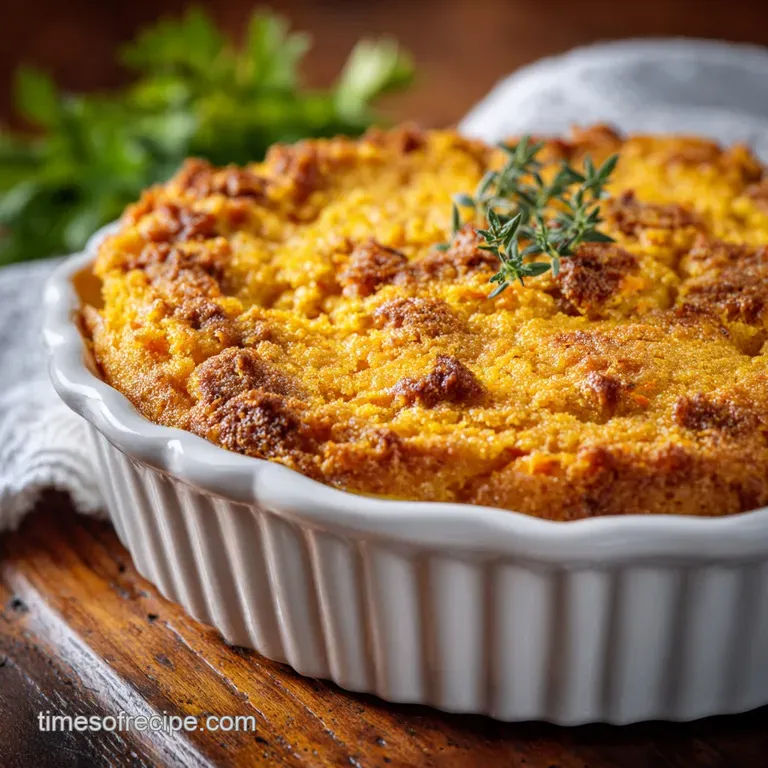
When this Carrot Soufflé is baking, the intoxicating scent of warm cinnamon and fresh nutmeg completely takes over your kitchen. It’s truly the best aroma. The texture is what really hooks you, though it’s impossibly fluffy, tasting like a spiced cloud mixed with deep, earthy sweetness.
People often think "soufflé" means high maintenance, but the classic American carrot version is actually just an elegant casserole. It needs minimal ingredients, uses up those cheap carrots sitting forgotten in the bottom of your fridge, and can be prepped in minutes.
It looks wildly fancy and impressive, but secretly, this dish is cheap and absolutely effortless.
I spent years getting this recipe wrong, mostly due to my terrible early egg-white whipping skills. But I finally cracked the code to get that gorgeous, airy lift without the fuss of traditional French methods. Let’s ditch the dense pudding texture right now and crack on with making this showstopper.
Achieving the Perfect Lift: The Science of Fluffy Carrot Soufflé
Dessert or Side Dish? Defining the Role of Carrot Soufflé
Is this dinner or dessert? The short answer is both. Since we layer in warm spices and a good amount of brown sugar, it’s sweet enough to finish a meal beautifully. However, because it contains a full pound and a half of pure vegetable goodness, it totally qualifies as a healthy side dish for the main course.
My rule? It goes wherever the mashed potatoes or sweet potato casserole would go.
Why This Recipe Outperforms the Cafeteria Classic
We all remember that incredibly heavy, dense carrot side dish often served at certain places during the holidays. That heavy texture usually happens because the air was knocked out, either by improper egg whipping or aggressive over folding.
My recipe uses a precise ratio of very smooth purée to a small amount of flour, which ensures the delicate air pockets have enough internal structure to hold up beautifully while baking. It’s light, never gummy.
Essential Equipment Checklist
Listen, you absolutely need a reliable electric mixer for this, whether it’s a powerful handheld model or a sturdy stand mixer. Whipping four egg whites by hand is a workout I don't recommend unless you secretly hate your arms.
You also need a food processor or a high powered stick blender to get the carrots truly silky smooth. Chunkiness is the enemy of fluffiness here. A large, broad rubber spatula is non-negotiable for the final, crucial step of folding.
The Role of Purée Consistency
This is critical for success. You must drain those boiled carrots completely before puréeing them. If the purée is overly watery, you will end up with a saturated, soggy base mixture that collapses immediately in the oven. Trust me, runny batter always equals dense pudding.
Aim for a thick, almost paste like consistency; slightly warmer than room temperature is perfect before you add the yolks.
Whipping Egg Whites to Stiff Peaks: The Aeration Secret
The air trapped in these whipped egg whites is literally the only thing making this a soufflé instead of a regular baked carrot pudding. First, separate the eggs meticulously; a single tiny drop of yolk fat will stop the whites from reaching their maximum volume.
You are looking for stiff, glossy peaks that hold their exact shape perfectly when you pull the whisk straight out of the bowl.
Why Gently Folding is Non-Negotiable
You just did all that hard work whipping the meringue, so don’t ruin it by being impatient now! Folding means combining that heavy, thick carrot base with the light, airy whites without knocking out the vital air bubbles.
Use your wide rubber spatula and employ a gentle "cut and lift" motion, turning the bowl slowly as you go. Stop folding the second the very last white streaks disappear.
What You'll Need: Key Ingredients and Easy Swaps
Selecting the Best Carrots for Flavor Depth
Use regular, fresh, full sized carrots from the produce section; skip the pre-bagged baby ones. They really lack the intense, earthy flavor we want for baking. If you are making this around the holidays and can find specialty varieties like Nantes or Parisian market carrots, absolutely grab them!
Their natural sweetness is fantastic.
| Ingredient | Why We Use It | Easy Swap |
|---|---|---|
| Fresh Carrots | Deep flavor and earthy base. | Sweet Potatoes (1:1 ratio, reduce sugar slightly). |
| All-Purpose Flour | Provides essential structure and prevents weeping. | Almond Flour or 1:1 gluten-free Baking Blend. |
| Unsalted Butter | Richness and carrier for the spices. | Plant based butter sticks or refined coconut oil. |
Sweeteners and Spices: Finding the Perfect Balance
I love using a combination of granulated sugar for clean sweetness and brown sugar for that deep, beautiful molasses warmth. The spices nutmeg and cinnamon are totally essential, lending that deeply cozy, holiday ready vibe. Don’t skip the freshly grated nutmeg here; it makes a huge difference.
- Spice Swap: If you don't have separate cinnamon and nutmeg on hand, substitute with 1 level teaspoon of Pumpkin Pie Spice instead.
- For a less sweet option: Feel free to reduce the brown sugar by two tablespoons; the carrots still provide natural sweetness.
Essential Dairy Substitutions (Butter, Milk, and Cream)
We rely on the fat and moisture here for a luxurious, rich texture. The melted butter carries the spices beautifully into the base, and a small splash of whole milk keeps the base manageable before we gently fold in the meringue. Using whole dairy generally gives the best final result.
| Dairy Ingredient | Function | dairy-free Alternative |
|---|---|---|
| Whole Milk | Moisture and richness | Oat milk or canned evaporated milk |
| Unsalted Butter | Texture and flavor | high-quality vegan butter sticks |
| Cream of Tartar | Stabilizer for whites | Lemon juice (use 1/2 tsp instead of 1/4 tsp) |
Preparing Your Fluffy Glazed Carrot Soufflé: step-by-step Method
Preparing the Carrot Base and Initial Mixture
Peel and boil your carrots until they are truly meltingly soft; this guarantees a completely smooth purée later. Drain them instantly and completely, then purée until absolutely silky you should have about two cups.
Separate your eggs immediately, putting the yolks in a large mixing bowl and the whites into your mixer bowl. Now, whisk the melted butter, sugars, milk, vanilla, and spices into the egg yolks until the mixture is lightened and creamy.
Add the carrot purée and the flour last, mixing until just combined and smooth.
Folding the Batter: Mastering the Technique
Take roughly one-third of the stiff meringue and vigorously stir it right into the heavy carrot base mixture. This crucial step is called "sacrificing" the whites; it loosens and lightens the density of the base so the remaining delicate meringue doesn't deflate upon contact.
Now, add the remaining two-thirds of the meringue. Using your large rubber spatula, gently fold the whites into the base using slow, deliberate motions. Don't stir; lift and turn.
Chef's Note: Stop immediately when you see no white streaks remaining. It is a fundamental baking truth that under mixing your soufflé is far better than over mixing it. You want to keep every speck of air you incorporated.
Baking Times and The Perfect Glaze Finish
Get the oven to 350°F (175°C) and place the batter into your prepared dish. Do not, under any circumstances, peek or open the oven door for the first 30 minutes. The soufflé needs undisturbed, consistent heat to set its delicate structure and achieve maximum rise.
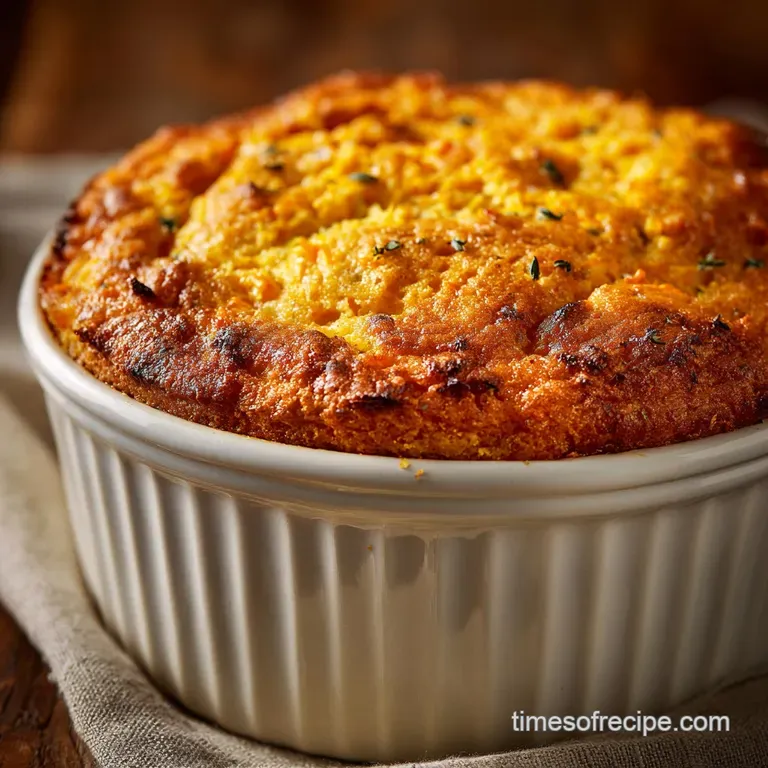
It’s fully baked when the top is gorgeously golden brown and a clean toothpick inserted near the center comes out clean. If you are using a glaze, drizzle it over the soufflé the moment it comes out of the oven while it's still hot and puffed.
Troubleshooting and Expert Advice for Success
Why Did My Carrot Soufflé Fall? (The Deflation Dilemma)
Soufflés collapse for two main reasons: opening the oven door too early, or fatally over mixing the batter. A slight, graceful drop immediately after coming out of the heat is natural and expected. However, a complete, immediate pancake indicates massive air loss inside.
Next time, fold less gently and commit to resisting that oven door curiosity for 30 minutes!
Ensuring Proper Cook on the Center
Sometimes the edges look perfectly golden, but the center is still wobbly and runny. This often happens if the baking dish is simply too deep, or if your oven temperature gauge is slightly off.
If the center looks soft after 40 minutes, drop the oven temperature by 25°F (15°C) and bake for another 8– 10 minutes. If the top is getting too dark, just tent it loosely with aluminum foil.
Adding Texture: Optional Topping Variations
Want a little crunch? I love this trick. Toss 1/2 cup of finely chopped walnuts or pecans with one tablespoon of melted butter and a spoonful of brown sugar. Sprinkle this spiced nut mixture evenly over the soufflé batter right before placing it into the hot oven.
It bakes into a delightful, caramelized, crunchy crust that contrasts beautifully with the fluff beneath.
Making Ahead: Storage, Freezing, and Reheating Instructions
Can You Assemble Ahead of Time?
Yes, absolutely, but only partially! You can fully prepare the heavy carrot base mixture (Steps 1 6) up to two days ahead of time and keep it tightly covered in the fridge. However, you must not mix in the meringue until you are literally ready to bake.
The precious air incorporated into the egg whites starts collapsing almost instantly after whipping.
Freezing Baked vs. Unbaked Soufflé
The baked soufflé freezes surprisingly well, which is great news if you need holiday leftovers for easy serving. Let the finished, baked dish cool completely to room temperature. Cover it tightly in plastic wrap, then wrap it in heavy duty foil, and freeze for up to three months.
Do not attempt to freeze it unbaked; the raw egg whites will lose all their structure when they thaw out.
Reheating Without Losing the Fluff
Reheating needs to be slow and extremely gentle, or you will end up with a dry, rubbery texture. Thaw the frozen soufflé overnight in the fridge first if possible. Then, place the dish (covered loosely with foil) into a cool 300°F (150°C) oven for about 20 minutes, or until it is warmed perfectly through the center.
Never, ever microwave this dish!
Perfect Pairings: What to Serve Alongside Carrot Soufflé
Because this beautiful dish walks that line perfectly between sweet and savory, it pairs best with robust, classic comfort main courses. Think a beautifully roasted Sunday chicken, a festive holiday glazed ham, or perhaps a juicy, slow cooked pork shoulder.
Since the soufflé is rich, always balance the meal with a crisp, simple green salad tossed in a vinaigrette to cut through the richness.

Recipe FAQs
Why did my Carrot Soufflé turn out dense instead of fluffy?
A dense soufflé is usually the result of overmixing the batter after the egg whites have been added. Overmixing deflates the air bubbles necessary for the light texture. Ensure you fold the whipped egg whites gently and only until just combined before pouring the mixture into the baking dish.
Can I prepare the soufflé batter ahead of time?
You can prepare the cooked carrot base (the purée mixture) up to 24 hours in advance and store it covered in the refrigerator. However, the egg whites must be whipped and folded in immediately before baking. If the egg whites sit in the batter, they will deflate, and the final dish will not rise properly.
My soufflé is still jiggly in the middle, but the edges are set. What should I do?
This means the center has not reached the necessary internal temperature, which should be around 185°F (85°C). Cover the top loosely with aluminum foil to prevent the edges from burning, and return the dish to the oven for another 10 to 15 minutes.
Check for doneness by inserting a thin, clean knife near the center; if it comes out mostly clean, it is ready.
Can I substitute the butter and milk with non-dairy alternatives?
Yes, this recipe adapts very well to non-dairy substitutions. You can easily use almond, soy, or oat milk in place of dairy milk without significant texture changes. For the butter, use a vegan buttery stick or a neutral oil like coconut or canola oil, maintaining the same volume as the original recipe calls for.
Do I have to cook the carrots before blending them for the purée?
Absolutely yes; the carrots must be boiled, steamed, or roasted until they are incredibly tender and easily pierced with a fork. If the carrots are not fully cooked, your purée will be gritty, and the resulting soufflé will have a grainy, unpleasant texture instead of a smooth one.
Can I make this a purely savory side dish?
Certainly, this recipe is highly versatile. To make it savory, reduce the sugar significantly (or eliminate it entirely) and omit the final glaze. Instead, incorporate savory spices like nutmeg, onion powder, a pinch of cayenne, and maybe 1/4 cup of grated Parmesan cheese into the carrot purée base.
What is the best way to store and reheat leftover Carrot Soufflé?
Store any leftovers tightly covered in the refrigerator for up to 3 days. For reheating, cover the dish with foil and warm it in an oven set to 300°F (150°C) until heated through, about 15-20 minutes. Freezing is also possible if the soufflé is unglazed; wrap tightly and thaw overnight before reheating.
Fluffy Glazed Carrot Souffle Recipe

Ingredients:
Instructions:
Nutrition Facts:
| Calories | 592 kcal |
|---|---|
| Protein | 14.8 g |
| Fat | 18.0 g |
| Carbs | 82.5 g |
