Garlic Butter Chicken and Potatoes Recipe
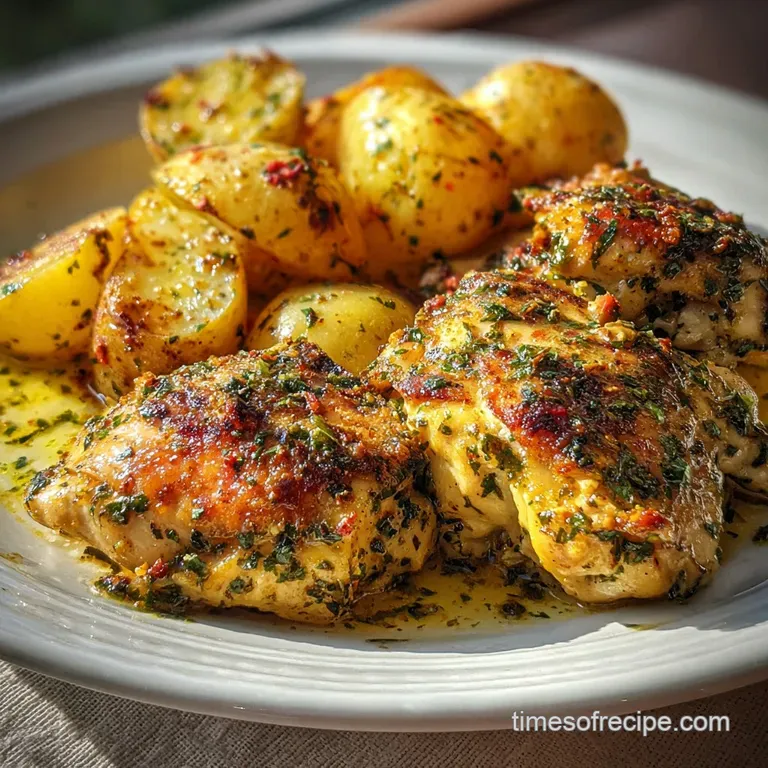
- Time: Active 15 minutes, Passive 25 minutes, Total 40 minutes
- Flavor/Texture Hook: Shatter crisp potato skins and velvety garlic butter sauce
- Perfect for: A hearty weeknight family dinner that feels like a weekend treat
- Secrets to a Perfect Garlic Butter Chicken and Potatoes Recipe
- Key Specs for This Satisfying Family Meal
- Selecting Hearty Elements for Bold Flavor Profiles
- Essential Tools for Achieving a Golden Potato Crust
- Step-by-Step Guide to Searing and Infusing Flavor
- Troubleshooting Texture Issues and Common Kitchen Pitfalls
- Creative Variations and Healthier Ingredient Adaptations
- Practical Guidelines for Storage and Zero Waste
- Hearty Pairings to Complete Your Dinner Table
- Recipe FAQs
- 📝 Recipe Card
Secrets to a Perfect Garlic Butter Chicken and Potatoes Recipe
Have you ever walked into a house and just known something incredible was happening on the stove? That hit of toasted garlic swirling into melting butter is a sensory siren song. I remember the first time I tried making this; I threw everything into the pan at once, thinking I was being efficient. The result?
Rubbery chicken and sad, soggy potatoes that looked like they’d given up on life. It was a mess, but it taught me the most important lesson in home cooking: timing is everything.
We are going for a very specific vibe here. We want those baby potatoes to have a skin that offers a satisfying snap when you bite into them, revealing a fluffy, buttery interior. We want the chicken to be browned to a deep mahogany while staying drippingly juicy inside.
This isn't just a "toss it in" meal; it’s a choreographed dance of heat and fat. When you get that lemon juice hit at the end, it cuts through the richness and wakes up every single herb on the plate.
This meal has become my go to when I want something that feels intentional and bold but doesn't require me to stand over the stove for three hours. It’s a satisfying, family style dish that reminds me of Sunday lunches at my grandmother’s, where the kitchen was the warmest room in the house.
You’re going to love how the smoked paprika adds a subtle campfire hum to the background, making the whole kitchen smell like a professional rotisserie shop.
The Physics of the Golden Crust
Starch Retrogradation: Pre cooking or over high heat searing allows potato starches to gelatinize and then dehydrate, creating a structural "shatter" when you bite the skin.
Maillard Reaction: Searing the chicken at high heat creates hundreds of new flavor compounds that simply don't exist in boiled or steamed meat.
Lipid Infusion: The fats from the avocado oil and butter act as a vehicle, carrying the volatile aromatics of the garlic deep into the muscle fibers of the chicken.
| Thickness | Internal Temp | Rest Time | Visual Cue |
|---|---|---|---|
| 1 inch cubes | 165°F | 3 minutes | Opaque center with clear juices |
| 1.5 inch cubes | 165°F | 5 minutes | Golden exterior with no pink |
| 0.5 inch slices | 165°F | 2 minutes | Firm to touch and browned edges |
The table above is your safety net for ensuring the poultry doesn't turn into leather while you're waiting for the potatoes to finish. If you’ve ever worried about the timing, just remember that smaller pieces cook faster but also lose moisture quicker, so keep those cubes uniform.
Key Specs for This Satisfying Family Meal
When we talk about "hearty," we're talking about a meal that sticks to your ribs without weighing you down with heavy creams. This recipe relies on 1.5 lbs of Baby Yukon Gold potatoes, which are naturally buttery and hold their shape better than Russets.
We’re also using 1.5 lbs of chicken breasts, but the magic happens in the fat. Using a mix of extra virgin olive oil for flavor and avocado oil for its high smoke point allows us to get that deep sear without the kitchen filling with smoke.
The aromatics are the soul of the dish. Six cloves of minced garlic might seem like a lot, but once they hit that butter and broth, they mellow out into a sweet, nutty gold. If you’re looking for a similar flavor profile but with a different protein, you might find my Lemon Garlic Butter recipe to be a fantastic alternative for a busier night. The acidity from the tablespoon of lemon juice is non negotiable it acts like a highlighter for the salt and herbs.
Component Deep Dive
| Ingredient | Science Role | Pro Secret |
|---|---|---|
| Yukon Gold Potatoes | High starch/sugar ratio | Don't peel them; the skin is where the "shatter" texture lives. |
| Grass fed Butter | Emulsifier and fat source | Use cold butter at the very end to create a velvety, glossier sauce. |
| Smoked Paprika | Phenolic compounds | Bloom this in the oil for 30 seconds to unlock the smoky aroma. |
| Chicken Broth | Deglazing agent | Use low sodium to control the seasoning precisely during reduction. |
Choosing the right potato is half the battle. Yukon Golds have a medium starch content, which means they get creamy inside while the outside browns beautifully. If you used a waxier potato, like a Red Bliss, you’d miss out on that fluffy interior that soaks up the garlic butter.
Selecting Hearty Elements for Bold Flavor Profiles
Let's talk about ingredients. I always tell my friends to treat the spice cabinet like a toolkit. The sea salt and cracked black pepper are your foundation, but the dried oregano and smoked paprika are the accents that make people ask, "What is that secret flavor?" For the chicken, ensure it's completely dry before it hits the pan.
If it’s wet, it’ll steam instead of sear, and you’ll lose that gorgeous crust.
| Original Ingredient | Substitute | Why It Works |
|---|---|---|
| Grass fed Butter (3 tbsp) | Ghee (3 tbsp) | Higher smoke point but keeps the nutty, buttery flavor profile. |
| Chicken Broth (1/4 cup) | Dry White Wine (1/4 cup) | Adds a sophisticated acidity. Note: Alcohol burns off, leaving fruit notes. |
| Fresh Parsley (2 tbsp) | Fresh Cilantro (2 tbsp) | Shifts the profile toward a brighter, more herbal finish. |
| Avocado Oil (1 tbsp) | Grapeseed Oil (1 tbsp) | Both have high smoke points and neutral flavors for over high heat searing. |
The butter choice actually matters here. I prefer unsalted grass fed butter because it has a higher fat content and less water than the cheap store brands. This means less splattering in the pan and a richer mouthfeel. If you're looking for something even more indulgent, the technique here is quite similar to my Au Gratin Potato recipe, where fat and starch work in harmony.
Essential Tools for Achieving a Golden Potato Crust
You don't need a kitchen full of gadgets, but a heavy bottomed skillet is your best friend here. I personally swear by a 12 inch cast iron skillet. It holds heat like a champion, which is vital when you drop a pound of cold chicken into it.
If you use a thin, cheap pan, the temperature will plummet, the juices will leak out, and you’ll end up boiling your meat in its own grey liquid. Nobody wants that.
Chef's Tip: If you're using a stainless steel pan, wait for the "Leidenfrost effect." Drop a bead of water on the dry pan; if it dances around like a marble instead of evaporating, it’s ready for the oil. This prevents the chicken from sticking to the metal.
A sharp chef's knife is also crucial for getting those 1 inch chicken pieces uniform. If some pieces are tiny and others are huge, you’ll have a mix of dry pebbles and raw centers.
I also like to keep a pair of kitchen tongs handy they give you much better control than a spatula when flipping individual potato halves to ensure every single one gets its turn against the hot metal.
step-by-step Guide to Searing and Infusing Flavor
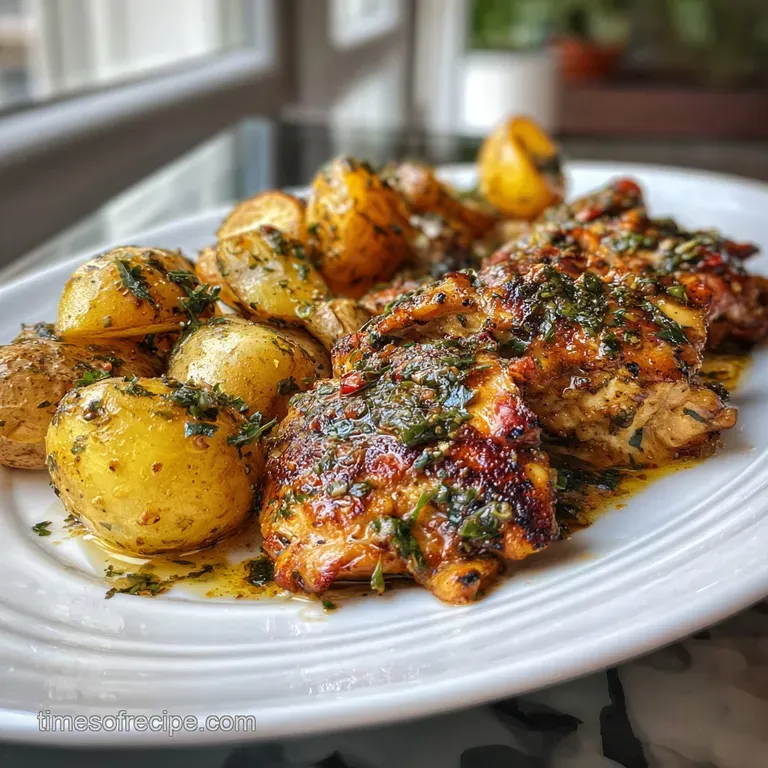
- Prep the potatoes. Halve your 1.5 lbs of Baby Yukon Golds. Note: Keeping them uniform ensures they all reach that fluffy interior at the same time.
- Sear the spuds. Heat the olive oil and avocado oil in the skillet over medium high heat until it shimmers. Place potatoes cut side down and cook for 8-10 minutes until a deep golden crust forms and they release easily from the pan.
- Season the bird. While potatoes cook, toss your 1 inch chicken pieces with sea salt, cracked black pepper, smoked paprika, and dried oregano.
- Remove potatoes. Transfer the crispy potatoes to a plate. Note: This prevents them from overcooking and becoming mushy while we handle the meat.
- Sear the chicken. In the same pan, add the chicken pieces in a single layer. Cook for 5-7 minutes, turning occasionally, until the edges are crisp and the meat is opaque throughout.
- Bloom the aromatics. Lower the heat to medium and add the 3 tbsp of butter and 6 cloves of minced garlic. Sauté for 1 minute until the air smells intensely nutty and fragrant.
- Deglaze the pan. Pour in the 1/4 cup chicken broth and 1 tbsp lemon juice. Note: Scrape the bottom of the pan to pick up all those "fond" bits that's where the concentrated flavor lives.
- Reunite the dish. Add the potatoes back into the pan and toss everything in the bubbling garlic butter.
- Infuse the flavor. Simmer for 2-3 minutes until the sauce thickens slightly and coats every piece with a velvety sheen.
- Final touch. Turn off the heat and garnish with 2 tbsp of finely chopped fresh parsley. Serve immediately while the sizzle is still audible.
Troubleshooting Texture Issues and Common Kitchen Pitfalls
The biggest hurdle people face with this Garlic Butter Chicken and Potatoes Recipe is the "Soggy Potato Syndrome." This usually happens because the pan was overcrowded. If the potatoes are touching each other too much, the moisture they release gets trapped, creating steam. Steam is the enemy of a crunch.
If your pan isn't big enough, do the potatoes in two batches. It takes ten extra minutes, but the texture difference is night and day.
Why Your Potatoes Stay Soft
If you find the centers are still hard while the outsides are dark, your heat is too high. The outside is burning before the heat can penetrate the core. Aim for a medium high heat that produces a steady, aggressive sizzle but doesn't fill the room with blue smoke.
Another trick is to par cook the potatoes in the microwave for 3 minutes before they ever hit the pan. This softens the starch, so the pan frying step is strictly for browning.
| Problem | Root Cause | Solution |
|---|---|---|
| Rubbery Chicken | Overcooking or high heat | Use a meat thermometer; pull at 160°F and let carryover heat hit 165°F. |
| Burnt Garlic | Added too early | Only add garlic once the chicken is cooked and heat is lowered. |
| Greasy Sauce | Sauce didn't emulsify | Add a splash more broth and whisk vigorously to bind the fat and liquid. |
Common Mistakes Checklist
- ✓ Never crowd the pan; give every potato half its own "personal space" on the skillet surface.
- ✓ Pat the chicken dry with paper towels to ensure a sear rather than a steam.
- ✓ Use a timer for the garlic sixty seconds is all it takes to go from perfect to bitter.
- ✓ Don't skip the lemon juice; that acidity is what keeps the butter from feeling heavy.
- ✓ Let the pan preheat for at least 3 minutes before adding the first drop of oil.
Creative Variations and Healthier Ingredient Adaptations
If you're looking to scale this down for a solo dinner, it’s incredibly easy. Just halve the ingredients, but keep a close eye on the sauce reduction. Small amounts of liquid evaporate much faster, so you might need to add an extra splash of broth to keep things saucy.
For scaling up to a crowd of eight, I recommend using two separate skillets. Trying to cram 3 lbs of meat and 3 lbs of potatoes into one pan is a recipe for a grey, mushy disaster.
The Oven Baked Garlic Butter Chicken and Potatoes
If you're feeling lazy and don't want to stand over the stove, you can transform this into a sheet pan meal. Toss everything (potatoes, raw chicken cubes, oils, and spices) on a large baking sheet. Roast at 400°F for about 25-30 minutes.
In the last 5 minutes, drizzle over the melted butter, garlic, and lemon juice. You won't get the same deep sear as the skillet method, but the "set it and forget it" factor is a huge win on a Tuesday night.
2 Healthy Diet Swaps
- The Low Carb Pivot: Swap the baby golds for cauliflower florets. They won't have the same crunch, but they soak up the garlic butter like sponges and stay remarkably tender.
- The Lean Power Up: Use chicken breast tenders and replace half the butter with a high-quality Greek yogurt stirred in at the very end (off the heat) for a creamy, tangy, and protein packed sauce.
Practical Guidelines for Storage and Zero Waste
This dish is a meal prep superstar because the potatoes actually hold their texture quite well when reheated in an air fryer. If you have leftovers, store them in an airtight container in the fridge for up to 4 days.
When you’re ready to eat, skip the microwave it’ll turn the chicken into rubber and the potatoes into mush. Instead, toss them back into a dry skillet over medium heat for 5 minutes, or pop them in the air fryer at 350°F for 4 minutes to bring back that "shatter" on the potato skins.
Freezing and Zero Waste
You can freeze this for up to 2 months, though the potatoes may become slightly grainier upon thawing. For a zero waste approach, don't throw away those parsley stems! Finely mince them along with the leaves; they contain even more concentrated flavor and a great crunch.
If you find yourself with extra garlic butter sauce at the bottom of the pan, save it! It’s liquid gold for drizzling over steamed broccoli or spreading on a piece of toasted sourdough the next morning.
For another one pot masterpiece that uses similar logic but a different flavor profile, take a look at the Cheesy Beef and recipe. It’s a great way to use up any remaining potatoes you might have from the 5lb bag.
Hearty Pairings to Complete Your Dinner Table
Since this dish is quite rich and savory, you want a side that offers a sharp contrast. A crisp arugula salad with a simple balsamic vinaigrette is my favorite way to balance the plate. The peppery bite of the greens cuts right through the garlic butter.
If you want to keep the "comfort food" theme going, some honey glazed carrots or roasted asparagus provide a sweetness that complements the smoked paprika beautifully.
- If you want more crunch, serve this alongside some toasted ciabatta to mop up the extra garlic butter sauce.
- If you want a lighter meal, double the parsley and serve the chicken and potatoes over a bed of fresh baby spinach the heat from the dish will slightly wilt the greens.
- If you want a spicy kick, add a teaspoon of red chili flakes to the butter when you add the garlic.
Myth: Searing Seals in Juices
Let's debunk a big one: searing does not "seal in" moisture. In fact, the high heat of searing actually causes some moisture loss on the surface. However, we do it for the flavor. That brown crust (the Maillard reaction) creates complex, savory notes that you just can't get any other way.
The juiciness of the chicken comes from not overcooking it, which is why that internal temperature of 165°F is your target.
Myth: You Must Soak Potatoes
Many people think you have to soak potatoes in cold water for an hour to get them crispy. While that helps remove excess starch in French fries, it’s not strictly necessary for this skillet method. The high heat and the natural sugars in the Yukon Golds will give you a beautiful crust regardless.
Just make sure they are dry before they touch the oil, as water is the enemy of browning.
Recipe FAQs
What is the key to getting the potatoes crispy and not soggy?
Don't overcrowd the pan; cook in batches if necessary. Saturated pans trap moisture released from the potatoes, causing them to steam instead of sear.
How long should the garlic sauté before I add liquid?
Sauté for exactly 60 seconds after adding the minced garlic. This brief window allows the garlic to bloom and release its flavor without burning, which turns it bitter.
How do I ensure the chicken stays juicy while the potatoes cook through?
Sear the chicken separately and remove it before finishing the sauce. This prevents the chicken from overcooking while waiting for the potatoes to soften completely.
Is it true that searing the meat locks in all the moisture?
No, this is a common misconception. Searing develops deep flavor through the Maillard reaction, but true juiciness comes from removing the meat once it hits the target temperature.
What is the best alternative for the Yukon Gold potatoes?
Substitute with cauliflower florets for a lower carb option. While the texture changes, cauliflower soaks up the garlic butter beautifully, similar to how vegetables absorb sauce in the Daniel Fast Recipe.
How should I reheat leftovers to maintain the best texture?
Reheat in an air fryer or a dry skillet, not the microwave. The hot, circulating air of the air fryer helps restore the desirable "shatter" on the potato skins.
What is the correct final internal temperature for the chicken?
Pull the chicken from the heat at 160°F; it will finish at 165°F while resting. This carryover cooking prevents the poultry from becoming dry and tough.
Garlic Butter Chicken Potatoes
Ingredients:
Instructions:
Nutrition Facts:
| Calories | 574 kcal |
|---|---|
| Protein | 56 g |
| Fat | 22 g |
| Carbs | 36 g |
| Fiber | 4 g |
| Sugar | 2 g |
| Sodium | 325 mg |
