Garlic Butter Chicken Thighs Recipe
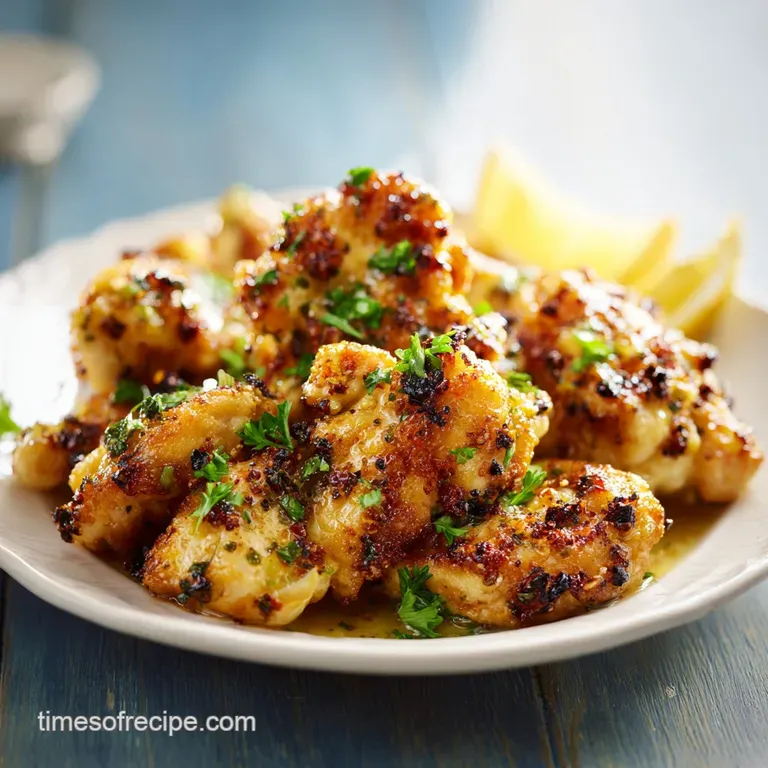
- Time: Active 10 minutes, Passive 25 minutes, Total 35 minutes
- Flavor/Texture Hook: Shatter crisp skin meets a silky, citrus garlic butter sauce
- Perfect for: Weeknight family dinners or low carb meal prep
- Hearty Skillet Garlic Butter Chicken Thighs
- Science of the Perfect Sear
- Essential Ingredient Deep Dive
- Selecting Your Flavor Components
- Tools for Flawless Cooking
- Step-by-Step Cooking Guide
- Avoiding Common Kitchen Mistakes
- Creative Flavor Variations
- Storage and Waste Management
- Perfect Side Dish Pairings
- Recipe FAQs
- 📝 Recipe Card
Hearty Skillet Garlic Butter Chicken Thighs
There is a specific sound that happens when bone in chicken skin hits a properly preheated cast iron skillet. It’s not a quiet hiss; it’s a confident, rhythmic sizzle that promises a crunch you can hear from the next room. I remember the first time I nailed this Garlic Butter Chicken.
I had spent months serving "okay" chicken with rubbery skin until I realized the secret wasn't the heat, but the moisture or rather, the total lack of it.
Now, whenever I toss 1.5 lbs chicken thighs into the pan, the aroma of rendered fat and smoked paprika fills my kitchen, signaling to my family that a satisfying meal is only twenty minutes away. It’s the kind of hearty comfort food that makes you forget about the sink full of dishes.
We’re talking about meat so tender it nearly slides off the bone, bathed in a sauce that begs for a piece of crusty bread or a side of mashed potatoes.
This isn't just another dinner; it's a technique you'll use forever. We’re going to focus on building layers of flavor, from the initial spice rub to the moment those 6 cloves fresh garlic hit the melting grass fed butter.
You'll see how a splash of 1 tbsp fresh lemon juice cuts through the richness, creating a balanced, bold profile that keeps everyone coming back for seconds.
Science of the Perfect Sear
Maillard Reaction: High heat transforms the proteins and sugars on the skin into hundreds of different flavor compounds, creating that signature brown crust. This only happens effectively when the surface of the meat is completely free of surface moisture.
Fat Soluble Aromatics: The compounds in garlic and oregano are fat soluble, meaning they release their maximum flavor potential when infused directly into the 2 tbsp grass fed butter. This carries the scent and taste deep into the meat rather than just sitting on top.
Connective Tissue Breakdown: Cooking bone in thighs to an internal temperature of 165°F allows the collagen to melt into gelatin. This provides the satisfying, silky mouthfeel that leaner cuts like breasts simply cannot achieve.
Emulsification Stability: Adding 1 tbsp fresh lemon juice at the end creates a temporary emulsion with the butter. The acid prevents the fat from feeling "greasy" on the palate, resulting in a velvety sauce that clings to the chicken.
| Thickness | Internal Temp | Rest Time | Visual Cue |
|---|---|---|---|
| 1 inch | 165°F | 5 minutes | Juices run clear |
| 1.5 inch | 165°F | 7 minutes | No pink at bone |
| 2 inches | 165°F | 10 minutes | Skin is mahogany |
Knowing exactly when to pull your Garlic Butter Chicken off the heat is the difference between a dry meal and a succulent one. If you're looking for another way to master poultry, you might enjoy my and Mushroom Stuffed recipe; it uses a similar temperature logic to ensure the filling stays moist.
Essential Ingredient Deep Dive
| Ingredient | Science Role | Pro Secret |
|---|---|---|
| Chicken Thighs | High fat content | Pat dry with paper towels |
| Grass fed Butter | Flavor & Emulsion | Use cold for better sauce |
| Fresh Garlic | Pungent Aromatic | Smashed cloves release more oil |
| Smoked Paprika | Color & Depth | Bloom in oil for 30 seconds |
Building a bold flavor profile requires understanding how each component behaves under heat. The 1 tbsp avocado oil serves as our high smoke point vehicle, allowing us to get the pan screaming hot without the butter burning. This creates the foundation for a truly satisfying dinner that feels both rustic and refined.
Selecting Your Flavor Components
- 1.5 lbs chicken thighs: Always choose bone in, skin on. Why this? The bone acts as an insulator, keeping the meat juicy during over high heat searing.
- 1 tsp sea salt: Vital for moisture draw. Why this? Sea salt has a cleaner finish than table salt and helps dehydrate the skin.
- 2 tbsp grass fed butter: This is your finishing move. Why this? Higher fat content than standard butter yields a richer, more velvety sauce.
- 6 cloves fresh garlic: Don't use the jarred stuff. Why this? Fresh garlic contains sulfur compounds that provide a sharp, bold bite.
- 0.5 tsp smoked paprika: For that backyard grill vibe. Why this? It provides a deep, earthy color and a hint of wood fire aroma.
- 1 tbsp fresh lemon juice: The necessary bright spark. Why this? Acid breaks down the heavy fats, making the dish feel lighter.
Substitution Guidelines
| Original Ingredient | Substitute | Why It Works |
|---|---|---|
| Avocado Oil | Ghee | High smoke point with a nutty, satisfying finish. |
| Dried Oregano | Dried Thyme | Similar earthy notes; slightly more floral than oregano. |
| Sea Salt | Kosher Salt | Use 1.5x the amount; larger flakes distribute more evenly. |
If you find yourself out of lemons, a splash of white wine vinegar works in a pinch, though it lacks the citrus aroma. This recipe is surprisingly flexible, much like my Homemade Butter Chicken recipe, which also relies on a heavy hitting spice base to create a deep, satisfying flavor.
Tools for Flawless Cooking
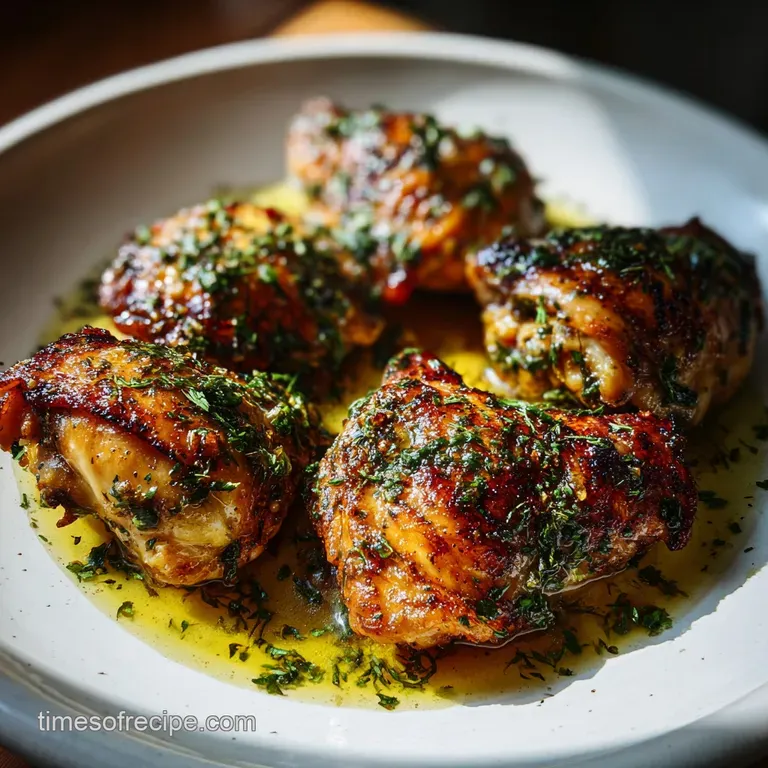
To get that shatter crisp skin, a cast iron skillet is your best friend. It retains heat better than stainless steel, ensuring the temperature doesn't drop the moment the cold meat hits the surface.
If you don't have cast iron, a heavy bottomed stainless steel pan will work, but you'll need to be more diligent about your oil levels.
You'll also need a reliable meat thermometer. Guessing the doneness of bone in poultry is a recipe for heartbreak. Aim for 165°F at the thickest part of the thigh, making sure the probe doesn't touch the bone.
Finally, a pair of long kitchen tongs is essential for flipping the chicken without tearing the skin you've worked so hard to crisp up.
step-by-step Cooking Guide
- Dry the chicken. Use paper towels to press every bit of moisture off the 1.5 lbs chicken thighs. Note: Surface water creates steam, which prevents the skin from becoming crispy.
- Apply the rub. Combine 1 tsp sea salt, 0.5 tsp cracked black pepper, 0.5 tsp dried oregano, 0.5 tsp smoked paprika, and 0.5 tsp onion powder. Coat the chicken thoroughly.
- Heat the skillet. Add 1 tbsp avocado oil to the pan over medium high heat until you see a faint wisp of smoke.
- Sear skin side down. Place chicken in the pan. Cook for 12 to 15 minutes until the skin is deep golden and releases easily.
- Flip and cook. Turn the thighs over and cook for another 8 to 10 minutes until the internal temperature hits 160°F.
- Bloom the garlic. Push the chicken to the edges and drop in 2 tbsp grass fed butter and 6 cloves fresh garlic until you smell a toasted, nutty aroma.
- Baste the meat. Spoon the foaming garlic butter over the skin repeatedly for 2 minutes.
- Add the finish. Pour in 1 tbsp fresh lemon juice and sprinkle 1 tbsp fresh parsley until the sauce looks glossy and slightly thickened.
- Check final temp. Ensure the meat is at 165°F. Remove from the heat immediately.
- Rest the chicken. Transfer to a warm plate for 5 minutes until the juices redistribute within the fibers.
Chef's Tip: If the garlic starts to turn dark brown too quickly, pull the pan off the burner. The residual heat of the cast iron is enough to finish the sauce without burning the aromatics.
Avoiding Common Kitchen Mistakes
Slaying the Soggy Skin
If your chicken skin isn't "shattering," it's likely due to overcrowding the pan or not drying the meat enough. When you crowd too many thighs into one skillet, the temperature drops and the moisture released from the meat has nowhere to go but up, effectively steaming the skin instead of frying it.
Saving the Burnt Garlic
Garlic turns bitter the second it crosses the line from golden to dark brown. If you see the 6 cloves fresh garlic turning dark, immediately add the 1 tbsp fresh lemon juice. The liquid will instantly drop the temperature of the butter and stop the cooking process, potentially saving your sauce from a bitter fate.
| Problem | Root Cause | Solution |
|---|---|---|
| Skin sticks to pan | Pan wasn't hot enough | Wait for the oil to shimmer before adding meat. |
| Meat is dry | Overcooked | Use a thermometer; pull at 160°F (carryover takes it to 165°F). |
| Sauce is greasy | Not enough acid | Add an extra teaspoon of lemon juice to emulsify. |
Common Mistakes Checklist
- ✓ Never skip the pat dry step; moisture is the enemy of the crunch.
- ✓ Don't move the chicken for the first 8 minutes; let the crust form naturally.
- ✓ Use fresh garlic, as the pre minced jars contain preservatives that ruin the sear.
- ✓ Always rest the meat; cutting too early lets all that satisfying juice escape onto the board.
Creative Flavor Variations
Adding Mediterranean Flare
For a sun drenched vibe, add a handful of halved cherry tomatoes and some Kalamata olives when you add the butter. The tomatoes will burst and create a jammy, bold sauce that pairs perfectly with the oregano. You can even top it with a bit of crumbled feta right before serving for a salty, creamy finish.
Skillet Spicy Chicken Thighs
If you want a bolder kick, swap the smoked paprika for chipotle powder and add a teaspoon of red chili flakes to the butter. This version of Garlic Butter Chicken creates a warming heat that builds with every bite. It’s a satisfying way to change up the routine without adding much extra work.
- If you want a crispier skin, sear on medium heat for longer to render the fat slowly.
- If you want more sauce, add 1/4 cup of chicken bone broth before adding the butter.
- If you want it keto, serve over a bed of sautéed spinach or cauliflower rice.
Storage and Waste Management
Store any leftover Garlic Butter Chicken in an airtight glass container in the fridge for up to 4 days. When reheating, I highly recommend using an oven or air fryer at 350°F (180°C) for about 10 minutes.
This helps the skin regain some of its crispiness, whereas a microwave will make it rubbery and sad.
For zero waste, don't throw away those chicken bones! Toss the leftover bones into a freezer bag. Once you have a few pounds, you can make a hearty, satisfying bone broth. Also, if you have extra garlic butter left in the pan, pour it into a small ramekin and chill it it’s incredible spread on toast the next morning.
You can freeze the cooked chicken for up to 3 months, though the texture of the skin will inevitably soften upon thawing.
Perfect Side Dish Pairings
This dish is so bold and flavorful that it needs sides that can either stand up to the garlic or provide a clean contrast. A pile of garlic mashed potatoes is the classic choice for a reason it’s pure comfort. The potatoes soak up that extra lemon butter sauce, ensuring not a single drop goes to waste.
If you’re looking for something green, this pairs beautifully with a Garlic Herb Chicken recipe side of roasted carrots or a crisp salad. For a really hearty family meal, I love serving it alongside my Broccoli Casserole recipe, which brings a cheesy, satisfying element to the table that balances the acidity of the lemon. Trust me, once you see your family dragging their last bit of chicken through the sauce, you'll know this recipe is a keeper.

Recipe FAQs
Can I use boneless, skinless thighs instead of bone-in for this recipe?
No, I strongly advise against it. Boneless, skinless thighs cook too quickly and will easily dry out before you can render the fat properly for a good sauce base.
What is the secret to achieving that shatter crisp chicken skin?
Completely dry the skin and use medium high heat initially. Surface moisture creates steam, preventing the Maillard reaction; you must ensure the pan is hot enough so the skin sizzles immediately and doesn't stick.
How to tell when the chicken is perfectly cooked without drying it out?
Insert a meat thermometer into the thickest part, aiming for 165°F. Pull the meat off the heat when it hits 160°F because the carryover cooking will bring it to the safe temperature during the mandatory resting period.
Is it true I must use bone-in chicken for the sauce to taste rich?
No, this is a common misconception. The bone insulates the meat, keeping the thigh moist, but the richness comes primarily from the high fat content of the skin and the quality of the butter used for the emulsion.
How can I make the garlic butter sauce creamier without adding heavy cream?
Use the lemon juice to stabilize the emulsion just off the heat. The acid helps the melted butter and meat juices suspend together into a velvety texture, similar to the stabilizing techniques used in making a rich Turkish Chicken White recipe.
What temperature should the skillet be before placing the chicken skin side down?
Heat the oil until it shimmers or shows a faint wisp of smoke. This indicates the pan is hot enough to immediately begin searing rather than steaming the surface, which is key for texture control.
What substitution works best for fresh lemon juice if I don't have any on hand?
Use white wine vinegar as a direct substitute for the acidity. While you lose the bright citrus aroma, the vinegar provides the necessary acid to balance the heavy fats, much like using acid to balance sweetness in a rich dessert like our Honey Garlic Meatballs recipe.
Garlic Butter Chicken Thighs
Ingredients:
Instructions:
Nutrition Facts:
| Calories | 432 kcal |
|---|---|
| Protein | 28 g |
| Fat | 34 g |
| Carbs | 3 g |
| Fiber | 0.5 g |
| Sugar | 0.4 g |
| Sodium | 645 mg |
