New Years Eve Easy Dinner Idea with Garlic Butter Steak
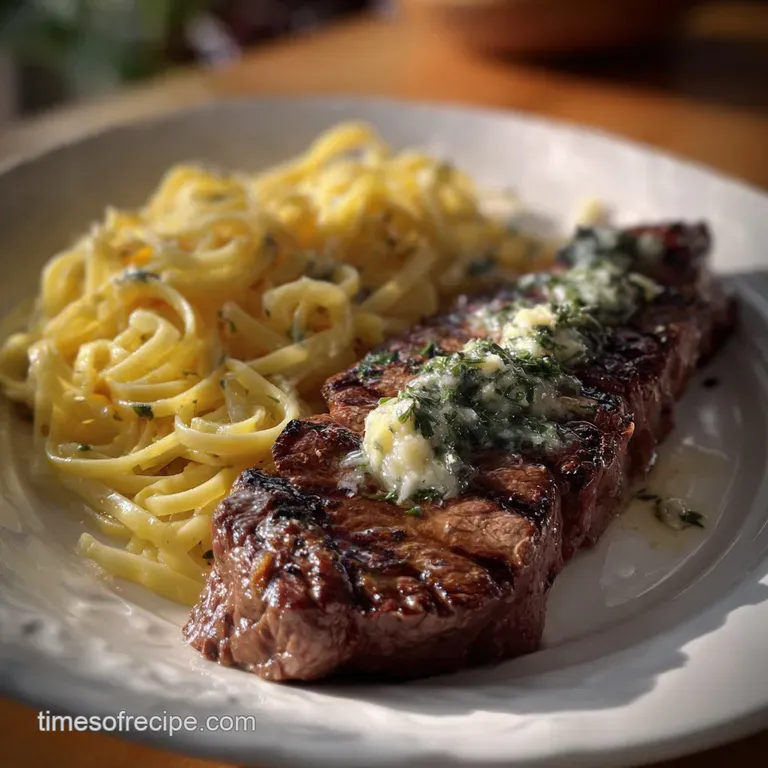
- Effort/Time: 20 minutes total (10m prep / 10m cook)
- Flavor Hook: Rich, nutty browned-butter infusion with sharp garlic and woody rosemary.
- Perfect for: A crowded table celebration or a high-stakes, satisfying date night.
- The Science of Sizzle: Why This Flavor-Forward Method Rules
- Precision Metrics for a Satisfying High-Stakes Dinner
- The Alchemy of Umami: Selecting Your Elements
- The Heavy Metal: Tools Required for Thermal Dominance
- Thermal Management Protocol: Mastering the Arrosé Technique
- Why Your Steak Lacks Crust: Scientific Fixes for Success
- Flavor Architecture: Customizing Your Hearty Celebration Meal
- ⚗️ The Scaling Lab: The Physics of Quantity
- Common Myths Debunked
- Preserving the Satisfying Texture: Storage and Reheat Protocols
- The Crowded Table: Side Dish Pairings for NYE
- Recipe FAQs
- 📝 Recipe Card
The Science of Sizzle: Why This Flavor Forward Method Rules
The secret to a hearty, restaurant quality result lies in managing thermal energy and lipid based flavor delivery. Most home cooks struggle with gray, steamed meat because they lack the heat capacity to trigger the Maillard reaction effectively.
By using a heavy bottomed skillet and a high smoke-point fat, we create a crust that shatters under the knife while the internal muscle fibers remain tender.
- Maillard Reaction Dominance: High heat triggers a chemical reaction between amino acids and reducing sugars, creating hundreds of flavor compounds.
- Arrosé (Butter Basting): Hot fat carries the essential oils of garlic and rosemary directly into the seared pores of the meat.
- Thermal Momentum: Resting the protein allows the constricted muscle fibers to relax, reabsorbing internal juices for a velvety mouthfeel.
Precision Metrics for a Satisfying High Stakes Dinner
To achieve a masterclass result, you need to hit exact numeric checkpoints. Guesswork leads to a dry, unsatisfying meal. For this New Years Eve Easy Dinner Idea with Garlic Butter Steak, we focus on the relationship between surface area and heat retention.
| Feature | Fresh Cast Iron Method | Shortcut Non-Stick Method |
|---|---|---|
| Crust Development | Thick, mahogany, and crisp | Pale, soft, and steamed |
| Flavor Depth | High umami via browned butter | One-dimensional saltiness |
| Heat Retention | Sustained sear after adding meat | Instant temperature drop |
- 1. Thickness
- Exactly 1.5 inches for the sirloin or ribeye ensures the interior doesn't overcook before the crust forms.
- 2. Surface Temp
- The skillet must reach 230°C before the first steak hits the surface.
- 3. Pull Temp
- Remove the meat from heat at 52°C (125°F) for a medium rare finish after the carryover rise.
The Alchemy of Umami: Selecting Your Elements
A satisfying meal is only as good as its structural components. We aren't just looking for food; we are looking for a hearty experience that brings people together around a crowded table. Choosing the right salt or the correct fat content in your butter changes the molecular outcome of the sear.
Ingredient Chemistry Breakdown
| Ingredient | Chemical/Physical Role (Science) | The Pro Secret (Why This Matters) |
|---|---|---|
| Sirloin/Ribeye | Protein denaturation and collagen softening | Higher fat content provides a buffer against overcooking. |
| Avocado Oil | High smoke point (271°C) lipid barrier | Prevents bitter carbonization during the initial over high heat sear. |
| Unsalted Butter | Fat-in-water emulsion for basting | Allows the cook to control salt levels while providing milk solids for browning. |
| Fresh Rosemary | Volatile oil extraction | Myrcene and pinene compounds dissolve in butter, flavoring the meat deeply. |
- 2 lbs sirloin or ribeye steaks (1.5 inches thick): Why this? Thickness provides the thermal buffer needed for a hard sear without a gray interior.
- 2 tsp Diamond Crystal Kosher Salt: Why this? Large flakes provide even coverage and better osmotic pressure control.
- 1 tsp coarsely ground black pepper: Use a Peugeot manual mill for volatile oil release.
- 2 tbsp Avocado Oil: Why this? Highest smoke point to prevent the oil from breaking down into acrolein.
- 4 tbsp Kerrygold Unsalted Butter: Higher fat content (82%+) means fewer milk solids will burn prematurely.
- 4 cloves garlic, smashed and peeled: Smashing ruptures cell walls to release allicin immediately.
- 3 sprigs fresh rosemary: Woody stems provide structural integrity during the hot basting process.
- 0.5 tsp Maldon Flaky Sea Salt: For tactile crunch and immediate salt-on-tongue impact.
The Heavy Metal: Tools Required for Thermal Dominance
You cannot achieve a satisfying New Years Eve Easy Dinner Idea with Garlic Butter Steak using flimsy equipment. We need tools that act as a battery for heat.
- Lodge 12 inch Cast Iron Skillet: This is mandatory. The mass of the iron prevents the temperature from plummeting when the cold meat is added, ensuring the Maillard reaction is continuous.
- ThermoWorks Thermapen ONE: Accuracy within 0.3°C is the difference between a velvety medium rare and a satisfyingly firm medium.
- Stainless Steel Locking Tongs: You need the leverage to hold the steaks on their sides to render the fat cap.
Thermal Management Protocol: Mastering the Arrosé Technique
Building flavor in layers is what separates a home cook from a chef. We start with a dry-surface sear and finish with a lipid based infusion. Follow these steps exactly to ensure your New Years Eve Easy Dinner Idea with Garlic Butter Steak lives up to the masterclass standard.
- Pat the 2 lbs of steak dry using heavy duty paper towels until the surface is matte. Note: Surface moisture causes steaming, which consumes energy that should be used for browning.
- Season aggressively with 2 tsp kosher salt and 1 tsp black pepper on all sides, including the edges. Note: Salt draws out moisture, so cook immediately or wait 45 minutes for reabsorption.
- Heat the Lodge skillet over high heat for 5 minutes until a wisp of blue smoke rises from the center.
- Add 2 tbsp avocado oil, swirling once until the oil shimmers and moves like water.
- Lay the steaks into the pan, laying them away from you until a loud, violent sizzle fills the kitchen.
- Sear for 3 minutes without moving until a deep, mahogany crust forms on the bottom.
- Flip the steaks with tongs until the second side makes full contact with the screaming hot iron.
- Reduce heat to medium high and add 4 tbsp unsalted butter, 4 cloves smashed garlic, and 3 sprigs rosemary. Note: Lowering the heat prevents the milk solids in the butter from turning into bitter black specks.
- Tilt the pan so the melting butter pools with the aromatics until the butter foams and smells intensely nutty.
- Spoon the hot butter over the steaks repeatedly for 3 minutes until the steaks reach an internal temperature of 52°C.
- Remove from the skillet and place on a warm cutting board.
- Rest for 10 minutes until the internal temperature rises to 54 57°C and the sizzle subsides.
- Slice against the grain and sprinkle with 0.5 tsp flaky sea salt.
Why Your Steak Lacks Crust: Scientific Fixes for Success
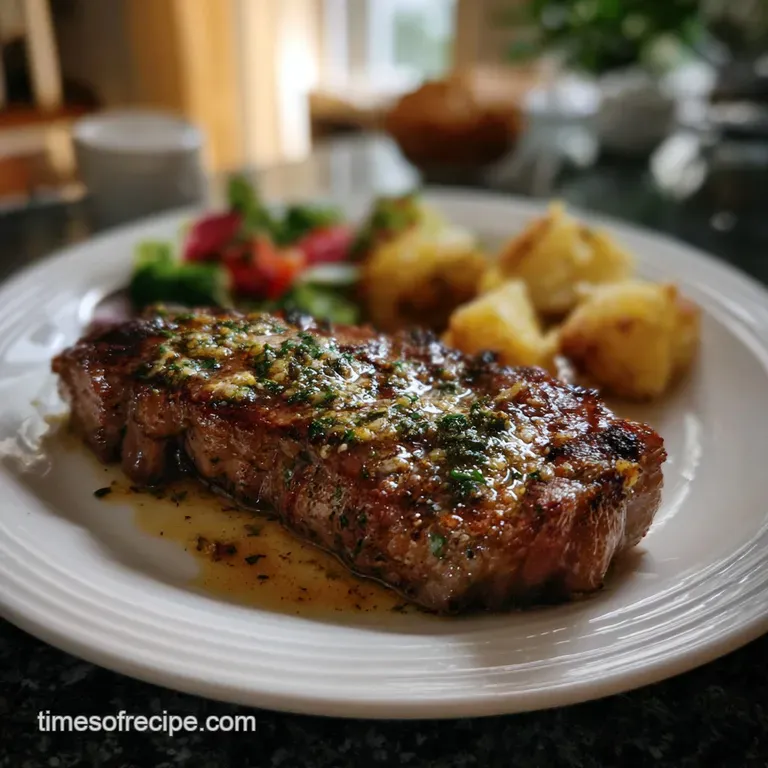
If your New Years Eve Easy Dinner Idea with Garlic Butter Steak looks gray, you've likely fallen victim to the "moisture trap."
Why Your Meat Steams Instead of Searing
When meat hits a pan, it releases water. If the pan isn't hot enough or is too crowded, that water turns to steam. Steam caps the temperature at 100°C, while the Maillard reaction requires at least 150°C. You are effectively boiling your dinner in its own juices.
| Problem | Root Cause | The Fix | Pro Protocol |
|---|---|---|---|
| No Crust | Surface moisture | Use paper towels | Dry-brine in the fridge for 24 hours uncovered. |
| Bitter Taste | Burnt garlic | Added aromatics too early | Only add butter/garlic in the final 3 minutes. |
| Tough Texture | No resting period | Myofibrillar contraction | Rest for at least 50% of the total cook time. |
Flavor Architecture: Customizing Your Hearty Celebration Meal
While the garlic butter base is a classic, you can adjust the aromatics to fit the vibe of your crowded table. This New Years Eve Easy Dinner Idea with Garlic Butter Steak is a canvas for bold flavors.
Substitution Table
| Original Ingredient | Substitute | Why It Works |
|---|---|---|
| Unsalted Butter | Ghee (Clarified Butter) | Higher smoke point; no milk solids to burn. Note: Lacks the nutty "brown butter" flavor. |
| Fresh Rosemary | Fresh Thyme | Softer, more floral profile. Note: Use twice the amount as rosemary. |
| Sirloin | Ribeye or Picanha | Higher fat content for a more indulgent, satisfying mouthfeel. |
Decision Shortcut:If you want a sharper bite, add 1 tbsp of Dijon mustard to the butter during the basting phase. If you want a smoky depth, swap the kosher salt for smoked sea salt.
If you want a steakhouse finish, add a splash of Worcestershire sauce to the pan during the final arrosé.
⚗️ The Scaling Lab: The Physics of Quantity
When you double this recipe for a larger New Year's Eve gathering, the thermodynamics change completely.
- Pan Crowding (The Maillard Killer): If you put 4 lbs of steak in one skillet, the thermal mass of the meat will drop the pan temperature below the searing threshold. Mandatory instruction: Cook in two batches or use two separate Lodge skillets.
- The Evaporation Paradox: If you are making a larger batch of the garlic butter sauce, remember that surface area dictates evaporation. Reduce the butter slightly or increase the aromatics to keep the flavor concentrated.
- Carry Over Cooking: A larger pile of steaks resting together creates an insulated environment. They will hold heat longer and continue to cook. Pull the meat 2 3 degrees earlier than you would for a single serving.
Common Myths Debunked
Myth: You should let steak reach room temperature before cooking. Truth: It takes hours for the internal temperature to move significantly. Focus on drying the surface instead; a cold, dry steak sears better than a warm, wet one.
Myth: Searing "seals in the juices." Truth: Searing creates flavor via the Maillard reaction, but it does not create a waterproof barrier. Moisture loss is controlled by internal temperature, not the crust.
Preserving the Satisfying Texture: Storage and Reheat Protocols
Steak is best served immediately, but leftovers can still provide a satisfying meal if handled with care.
- Fridge: Store in an airtight container for up to 3 days.
- Freeze: Wrap tightly in plastic wrap, then foil. Use within 2 months. Note: Texture will be slightly softer upon thawing.
- Reheating: Avoid the microwave, which turns protein into rubber. Reheat in a 120°C oven until the internal temp reaches 43°C, then flash sear in a hot pan for 30 seconds per side.
💡 ZERO WASTE PHILOSOPHY Don't discard the garlic skins or rosemary stems. Transform: Toss them into a pot with beef bones and water. Science: Even the skins contain aromatic compounds that add depth to a collagen rich stock.
The rosemary stems contain woody resins that provide a subtle forest like base for soups.
The Crowded Table: Side Dish Pairings for NYE
To make this a complete New Years Eve Easy Dinner Idea with Garlic Butter Steak, you need sides that stand up to the bold garlic and butter. I love serving this alongside a New Year's recipe for roasted vegetables. The acidity in the veggies cuts through the heavy fats of the ribeye.
For a true celebration, start the night with a Cranberry Brie Tartlets recipe. The sweetness of the honey and the creamy brie prepare the palate for the savory intensity of the steak. And of course, no NYE is complete without a Cocktail to Elevate recipe — the bubbles help scrub the palate between bites of rich, buttery beef.
Trust me, when you bring this cast iron skillet to a crowded table, the sound of the final sizzle and the aroma of browned garlic will do all the talking. This isn't just a meal; it's a satisfying, hearty experience that marks the beginning of something new. Let's crack on and get that skillet hot!

Recipe FAQs
What is the minimum steak thickness required for this method?
Exactly 1.5 inches. Thickness provides the thermal buffer needed for a hard sear without overcooking the interior. This thermal buffer allows the Maillard reaction to dominate the surface kinetics.
Can I use a stainless steel pan instead of cast iron?
No. Cast iron's mass is non-negotiable. Stainless steel cannot retain enough sustained thermal energy after the meat is added, leading to steaming instead of searing. This lack of heat capacity prevents the necessary flavor development across the surface.
How do I prevent the garlic from burning during basting?
Reduce heat before adding butter and aromatics. Adding aromatics when the fat is too hot causes the allicin compounds to carbonize instantly, creating bitter flavor notes instead of aromatic infusion.
- Lower heat to medium high
- Add butter and smash garlic together
- Tilt pan constantly to avoid localized hot spots
Is the 10-minute rest time flexible?
Yes, but aim for 10 minutes minimum. Resting allows constricted muscle fibers to relax and reabsorb internal moisture, ensuring juiciness. If you skip resting, juices will flood your cutting board, resulting in a drier bite.
Should I use salted or unsalted butter for basting?
Unsalted butter for precision control. Salted brands vary widely in sodium content, making it difficult to standardize the overall dish salinity. Unsalted butter allows you to adjust salt based only on the steak seasoning.
Myth: I must cook steak straight from the fridge for best results.
Myth: You should let steak reach room temperature before cooking. Reality: Focusing on drying the surface is more critical than core temperature; a dry, cold steak sears better than a warm, wet one, maximizing the Maillard reaction.
How does this high heat searing method relate to faster cooking techniques?
The high heat sear utilizes thermal momentum efficiently. If you mastered the sensory cues for doneness here, apply that same precise timing logic to our Healthy Weeknight Dinners: 30-Minute Lemon Garlic Roast for perfectly cooked proteins, even on busy nights.
Garlic Butter Steak Dinner Idea
Ingredients:
Instructions:
Nutrition Facts:
| Calories | 1265 kcal |
|---|---|
| Protein | 102 g |
| Fat | 94 g |
| Carbs | 1.5 g |
| Fiber | 0.4 g |
| Sugar | 0.1 g |
| Sodium | 2480 mg |
