Greek Chicken Gyros: Tender and Crispy
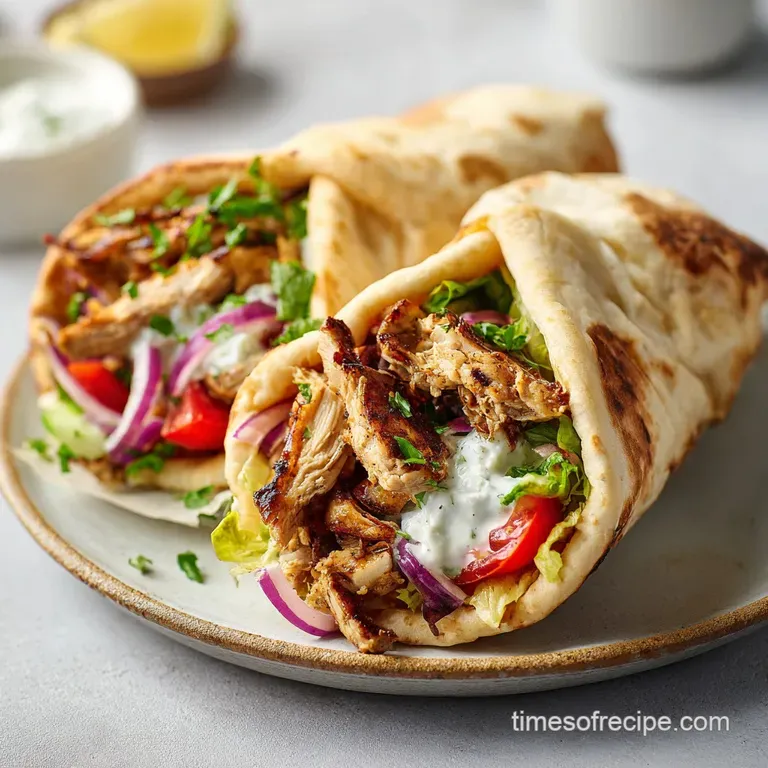
- Time: Active 25 minutes, Passive 45 minutes, Total 70 minutes
- Flavor/Texture Hook: Tender ribbons of spiced chicken with crispy, seared edges paired with cool, garlicky tzatziki.
- Perfect for: Weekend family feasts, Mediterranean style meal prep, or impressing friends with a "rotisserie" at home.
- The Best Greek Chicken Gyros Recipe
- Secret Science of Juicy Meat
- Essential Timing and Yield Data
- Bold Spices and Fresh Components
- Gear for Vertical Roast Results
- Master the Layered Cooking Process
- Fix Common Texture and Flavor
- Swaps for Every Dietary Need
- Maintaining Flavor During Storage
- Plating for Maximum Comfort
- High in Sodium
- Recipe FAQs
- 📝 Recipe Card
The Best Greek Chicken Gyros Recipe
The first time I stood on a street corner in Athens, the air was thick with the scent of charred meat and dried oregano. I watched the vendor slice thin, shimmering ribbons of chicken from a massive spinning vertical spit. It was a dance of heat and fat.
Every piece had that perfect contrast: a tender, juicy interior and edges so crispy they practically shattered when you bit into them. I knew I had to bring that feeling back to my own kitchen, but without a massive commercial rotisserie taking up my counter space.
We finally found the secret to that hearty, street style texture by using a simple loaf pan. It sounds like a humble solution, but by stacking 2 lbs of boneless, skinless chicken thighs tightly, we mimic the compression of a professional gyro spit.
This keeps the meat from drying out while allowing the top to brown beautifully. When you slice through that stack, you get the same layered look and mouthfeel that makes a traditional gyro so satisfying. It is comfort food that tells a story of sun drenched islands and family gatherings around a crowded table.
This greek chicken gyros recipe isn't just about the meat; it's about the building of flavor layers. We start with a bold marinade of Greek yogurt and lemon, then move to the precision of a tight roast, and finish with a quick flash sear.
It’s a labor of love that rewards you with a home cooked meal that tastes like it came straight from a Mediterranean taverna. Honestly, once you try this method, you will never look at a plain grilled chicken breast the same way again.
Secret Science of Juicy Meat
Traditional gyros rely on constant rotation and high heat. Since most of us don't have a vertical spit, we have to use chemistry and physics to get that same result. It is all about how we treat the protein before it ever sees the heat of the oven.
- Acidic Tenderizing: The lactic acid in the half cup of Greek yogurt gently breaks down the lean protein fibers in the chicken thighs without making them mushy like vinegar might.
- Density Control: Stacking the chicken in a 9x5-inch loaf pan minimizes the surface area exposed to direct heat, which forces the juices to stay trapped within the meat stack.
- Fat Insulation: Using chicken thighs instead of breasts provides enough intramuscular fat to baste the meat from the inside out as it roasts at 400°F (200°C).
- The Second Sear: Slicing the meat and then hitting it with a hot pan creates a high speed sear on the thin edges, maximizing the surface area for browning.
| Method | Time | Texture | Best For |
|---|---|---|---|
| Loaf Pan | 45 minutes | Succulent, layered, and juicy | Authentic "spit style" ribbons |
| Sheet Pan | 20 minutes | Crispy all over but can be dry | Quick weeknight dinner |
| Cast Iron | 15 minutes | Heavily charred and smoky | Small batches for two |
Choosing the loaf pan method is a win because it balances the need for a moist interior with the desire for crispy bits. If you try to just bake the thighs flat on a tray, they cook too fast and you lose that distinct "shaved" texture.
By crowding them together, we are essentially creating one giant piece of meat that roasts evenly and stays incredibly tender.
Essential Timing and Yield Data
When you are planning a meal for six people, timing is everything. We want the pitas warm, the tzatziki chilled, and the chicken rested just as everyone sits down. This recipe is designed to be efficient while still delivering bold, grandmother approved flavors.
| Component Analysis | Science Role | Pro Secret |
|---|---|---|
| Greek Yogurt | Protein Softener | Use full fat yogurt for a richer, more velvety marinade that won't break. |
| Dried Oregano | Flavor Anchor | Rub the herbs between your palms to release the oils before adding to the bowl. |
| Lemon Juice | Chemical Cook | The citrus starts breaking down the chicken's surface, helping the spices sink in deep. |
The Greek yogurt serves a dual purpose here. Beyond tenderizing, it creates a thick coating that turns into a savory crust in the oven. Unlike oil based marinades that can drip off, the yogurt clings to every crevice of the chicken thighs.
This means every single bite is packed with garlic, cumin, and that bright lemon zest.
Bold Spices and Fresh Components
To get that authentic flavor, we need to be picky about our ingredients. Don't reach for the pre packaged "Greek seasoning" if you can help it. Mixing your own allows you to control the salt and the punch of the garlic.
- 2 lbs boneless, skinless chicken thighs: These are non negotiable for flavor. Why this? Thighs remain moist during the long 45 minute roast compared to lean chicken breasts.
- 0.5 cup full fat Greek yogurt: Acts as the base for the marinade. Why this? Provides the fat needed to carry the fat soluble spices into the meat.
- 3 tbsp extra virgin olive oil: Use the good stuff here. Why this? Adds a peppery finish and helps the edges crisp up in the oven.
- 1 large lemon, juiced and zested: Freshness is key. Why this? The zest provides essential oils that lemon juice alone cannot match.
- 4 cloves garlic, minced: Don't be shy with the garlic. Why this? It mellows out beautifully during the roasting process, adding sweetness.
- 2 tbsp dried Greek oregano: This is the soul of the dish. Why this? It provides that distinct Mediterranean earthiness found in authentic street food.
- 1 tsp smoked paprika: For a hint of fire. Why this? Mimics the slight smokiness of a charcoal fired rotisserie spit.
- 1.5 cups thick Greek yogurt (for tzatziki): Ensure it is strained. Why this? Prevents the sauce from becoming runny once the cucumber is added.
- 1 cup English cucumber: Grated and squeezed dry. Why this? Squeezing is vital to maintain the velvety texture of the sauce.
For the herbs, if you have access to fresh dill, use it for the tzatziki. It adds a grassy, bright note that dried dill just can't replicate. If you're looking for more Mediterranean inspiration, you might enjoy my Greek chicken meatballs which use many of the same bold spices but in a fun, bite sized format.
Gear for Vertical Roast Results
You don't need a professional kitchen to make this greek chicken gyros recipe work. In fact, most of these tools are likely already in your cupboard. The key is how we use them to manipulate the heat and airflow around the meat.
A standard 9x5-inch loaf pan is the star of the show. If your pan is larger, the chicken won't be packed tightly enough, and it will cook more like a casserole than a gyro. If you only have a larger pan, you can try doubling the recipe to fill the space.
You will also want a box grater for the cucumber and a fine mesh strainer or a clean kitchen towel to squeeze out every drop of moisture. Water is the enemy of a thick, creamy tzatziki.
Chef's Tip: If you want those truly authentic crispy edges, use a cast iron skillet for the final flash sear. The heavy metal holds heat much better than stainless steel, giving you that "shatter" texture on the meat ribbons in seconds.
Master the Layered Cooking Process
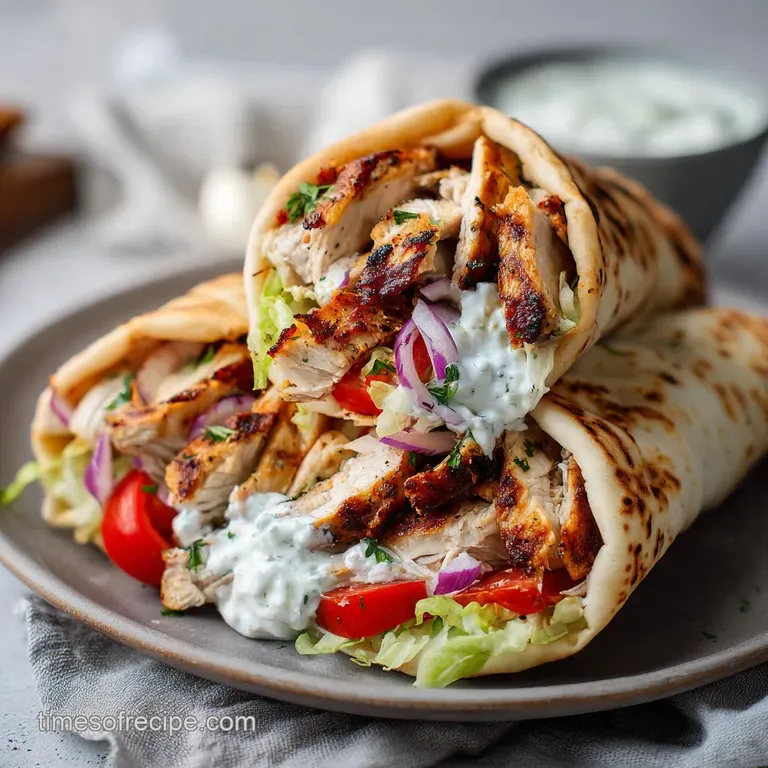
- Whisk together the 0.5 cup yogurt, olive oil, lemon juice, zest, minced garlic, oregano, paprika, cumin, salt, and pepper in a large bowl. Add chicken thighs and coat thoroughly. Note: Ensure every fold of the thigh is covered.
- Refrigerate the chicken for at least 2 hours. Note: This allows the lactic acid to work its magic on the protein fibers.
- Preheat your oven to 400°F (200°C). Note: A hot oven is essential for the initial browning of the top layer.
- Lay the marinated thighs flat and stack them tightly into a 9x5-inch loaf pan. Note: Press down firmly to remove air pockets between the layers.
- Roast the chicken for 45 minutes until the top is golden and the internal temperature reaches 165°F (74°C).
- While the chicken roasts, prepare the tzatziki by mixing the squeezed cucumber, 1.5 cups yogurt, grated garlic, chopped dill, and lemon juice. Note: Squeeze the cucumber until it feels like a dry paste.
- Remove the chicken from the oven and let it rest in the pan for 10 minutes. Note: Resting allows the juices to redistribute so they don't leak out when you slice.
- Carve the chicken into very thin ribbons using a sharp chef's knife. Note: Slice against the grain of the stacked layers for the best texture.
- Optional: Flash sear the carved chicken ribbons in a hot cast iron skillet for 1-2 minutes until the edges are dark and crispy.
- Assemble by placing the chicken on warmed pitas, topping with a generous dollop of tzatziki, red onion, and sliced Roma tomatoes. Note: Warm the pitas in a dry pan for 30 seconds to make them pliable.
When you are stacking the chicken, think of it like building a stone wall. You want everything to be flush and tight. If there are big gaps, the juices will pool and steam the meat instead of roasting it. That tight stack is what creates the "meat tower" effect that makes this chicken gyros recipe so special.
Fix Common Texture and Flavor
Even the most seasoned home cooks can run into a few snags when trying a new technique. The most common issues with gyros usually come down to moisture management or temperature control.
Why Your Tzatziki Is Runny
The most common mistake is not being aggressive enough with the cucumber. Cucumbers are almost entirely water. If you just grate them and stir them into the yogurt, that water will release over the next hour and turn your beautiful sauce into a thin soup. You must use a kitchen towel and squeeze with all your might.
Dry or Tough Chicken
If your chicken feels rubbery, it usually means it was overcooked or you used chicken breasts instead of thighs. Thighs are much more forgiving. If you find the meat is dry, it might be that the stack wasn't tight enough, allowing too much moisture to evaporate.
| Problem | Root Cause | Solution |
|---|---|---|
| Bland Chicken | Short marinating time | Let it sit for a full 24 hours for deep flavor. |
| Soggy Pita | Cold bread | Toast the pita in a dry skillet until it puffs slightly. |
| Grey Meat | No flash sear | Don't skip the skillet step; it adds the essential charred color. |
The Pitfall of Cold Pitas
A cold pita will crack and tear the moment you try to fold it around your chicken. It loses its comfort factor. Always warm them! It only takes 30 seconds per side, but it transforms the bread from a dry disc into a soft, pillowy hug for your chicken.
Common Mistakes Checklist
- ✓ Pat the chicken dry if there is excess liquid before layering (though the yogurt marinade should be thick).
- ✓ Never skip the 10 minute rest after roasting; it's the difference between juicy and dry meat.
- ✓ Use a heavy duty loaf pan to ensure even heat distribution.
- ✓ Slice the chicken as thin as possible think "shaved," not "chunky."
- ✓ Taste your tzatziki before serving; sometimes it needs an extra pinch of salt to make the dill pop.
Swaps for Every Dietary Need
We want everyone to be able to enjoy the bold flavors of a Greek feast, regardless of their dietary restrictions. This recipe is surprisingly flexible if you know which swaps to make.
| Original Ingredient | Substitute | Why It Works |
|---|---|---|
| Greek Yogurt (Marinade) | Coconut Yogurt (Unsweetened) | Provides a similar fat content and tang for dairy-free needs. |
| Chicken Thighs | Oyster Mushrooms | Stacks similarly and absorbs the marinade beautifully for vegans. |
| Greek Pita | Large Lettuce Leaves | Provides a fresh, crispy crunch for a low carb or keto friendly meal. |
If you're looking for other ways to use these flavors, you could try making a variation with my Crispy baked chicken wings marinade, which has a similar zest but a different texture profile.
If you're going for a low carb/keto version, simply skip the pita and serve the chicken over a bed of shredded romaine lettuce and kalamata olives. The high fat content of the chicken thighs and the Greek yogurt makes this a perfect satisfying keto meal.
For a dairy-free swap, use a cashew based yogurt for the tzatziki. It has the thickness required to hold the cucumber and garlic without feeling thin or oily.
Maintaining Flavor During Storage
This is one of those rare dishes that actually tastes better the next day. The spices in the chicken continue to meld, and the garlic in the tzatziki mellows out, becoming sweet and fragrant.
Storage: Keep the carved chicken in an airtight container in the fridge for up to 4 days. Store the tzatziki in a separate jar; it will stay fresh for about 3 days. I don't recommend freezing the tzatziki, as the cucumber and yogurt will separate and become grainy once thawed.
However, the cooked chicken ribbons freeze beautifully for up to 2 months.
Zero Waste: Don't throw away the juices left in the loaf pan after roasting! That "liquid gold" is packed with lemon and oregano flavor. Pour it over some roasted potatoes or use it as a base for a quick pan sauce.
If you have leftover red onion and tomato, toss them with a little olive oil and vinegar for a quick side salad the next day.
Plating for Maximum Comfort
When it comes to serving, the "merida" or platter style is my grandmother's favorite. Instead of wrapping everything in a pita, lay the components out on a large wooden board. This allows everyone to build their own perfect bite.
Place a mountain of the seared chicken in the center, surrounded by piles of warm pita wedges, a bowl of the velvety tzatziki, and the fresh vegetables. I love adding a few salty kalamata olives and some crumbled feta cheese for extra heartiness.
If you want to take it a step further, serve it alongside some crispy lemon potatoes.
The "Mediterranean Bowl" is another fantastic option for meal prep. Layer the chicken over a bed of fluffy quinoa or rice, add a scoop of hummus, and top with the tzatziki. It is a satisfying, bold way to brighten up a Wednesday lunch.
No matter how you serve it, this greek chicken gyros recipe is a winner because it brings the warmth and soul of Greek cooking right to your family table. It is about simple ingredients treated with respect and a little bit of kitchen magic. Honestly, your kitchen is going to smell like an absolute dream!

High in Sodium
865 mg 865 mg of sodium per serving (38% 38% of daily value)
The American Heart Association recommends limiting sodium intake to about 2,300mg per day, with an ideal limit of less than 1,500mg for most adults.
Tips to Reduce Sodium
-
Reduce Added Salt-25%
The recipe calls for 1.5 tsp of kosher salt. Reducing this by half can significantly lower sodium. You can always add a pinch of salt at the table if needed.
-
Choose Low-Sodium Yogurt-15%
Full fat Greek yogurt and thick Greek yogurt can vary in sodium content. Look for plain Greek yogurt varieties labeled 'low sodium' or 'no salt added'.
-
Amplify Herbs and Spices
While not a direct sodium reducer, generously using herbs and spices like the dried Greek oregano, smoked paprika, cumin, and fresh dill can boost flavor without adding sodium.
-
Maximize Lemon Flavor-5%
The recipe uses lemon juice and zest. Increasing the amount of fresh lemon juice and zest in both the chicken marinade and the yogurt sauce will add brightness and reduce the perceived need for salt.
-
Consider Red Onion and Tomato-2%
While naturally low in sodium, thinly sliced red onion and Roma tomatoes add a fresh element. Ensure they are rinsed well if they have been pre-packaged to remove any potential added sodium from processing.
Recipe FAQs
How to achieve the signature rotisserie texture at home?
Stack the marinated chicken thighs tightly into a 9x5-inch loaf pan. This compression mimics a vertical spit, trapping juices inside while ensuring the outer edges brown perfectly during the 45-minute roast.
Can I marinate the chicken for longer than 2 hours?
Yes, marinating for up to 24 hours is recommended for deeper flavor. If you enjoyed learning how to layer aromatics for maximum depth here, you can apply that same principle to our Garlic Herb Chicken.
Is it true I should skip the resting time to serve it hot?
No, this is a common misconception. You must let the chicken rest for 10 minutes after roasting to allow the juices to redistribute, ensuring every slice remains tender rather than dry.
How to get extra crispy edges on the meat?
Flash sear the carved chicken ribbons in a hot cast iron skillet for 1-2 minutes. This step creates those signature charred edges after the initial oven roast is complete.
How to ensure the tzatziki isn't watery?
Squeeze the grated cucumber dry before mixing it with the yogurt. Removing the excess moisture is essential to maintain a thick, creamy consistency for your gyro sauce.
Is it required to use a thermometer to check doneness?
Yes, it is the only way to ensure safety. Roast the chicken until the internal temperature reaches 165°F (74°C) to guarantee the meat is perfectly cooked through.
How to properly assemble the gyros?
Place carved chicken onto warmed pitas, then layer with tzatziki, red onion, and tomato slices. Keeping the pita warm makes the bread more pliable and improves the overall texture of your final gyro.
Greek Chicken Gyros
Ingredients:
Instructions:
Nutrition Facts:
| Calories | 534 kcal |
|---|---|
| Protein | 42.3 g |
| Fat | 22.1 g |
| Carbs | 41.8 g |
| Fiber | 3.2 g |
| Sugar | 5.4 g |
| Sodium | 865 mg |
