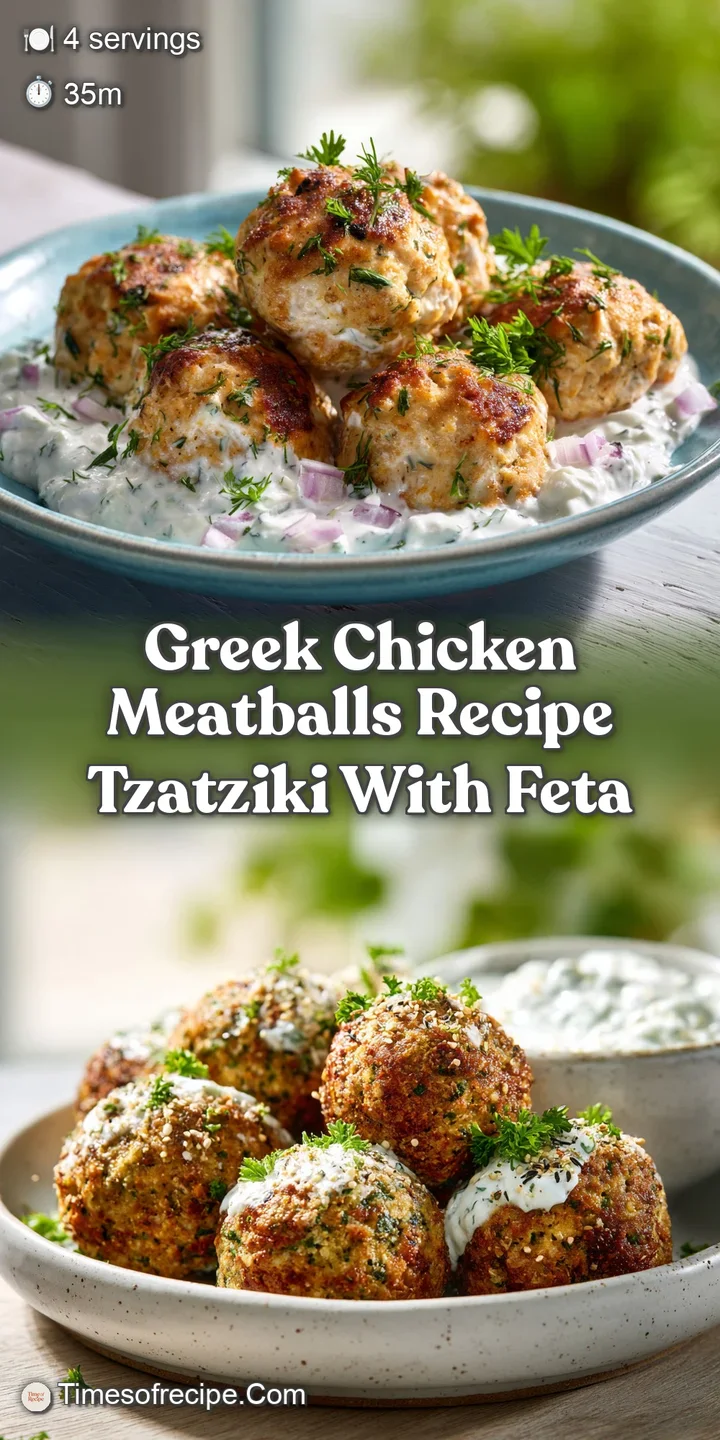
Greek Chicken Meatballs Recipe Tzatziki
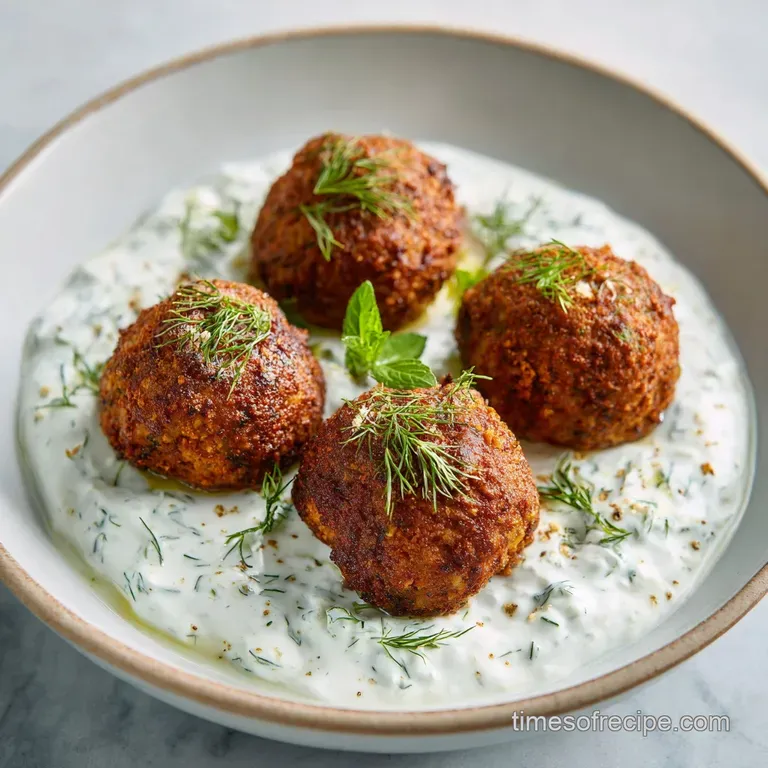
- Time: Active 20 minutes, Passive 15 minutes, Total 35 minutes
- Flavor/Texture Hook: Vibrant, herb forward rounds with a velvety cucumber dip
- Perfect for: Weeknight family dinners or impressive meal prep
- Science of Juicy Poultry
- Exact Timing and Specs
- Component Deep Dive
- Sourcing Bold Mediterranean Ingredients
- Necessary Cooking Equipment
- Detailed Cooking Steps
- Troubleshooting Common Mistakes
- Tasty Recipe Variations
- Storage and Freezing Guide
- Bold Serving Ideas
- Kitchen Wisdom and Myths
- Satisfying Mediterranean Bowl Assembly
- Recipe FAQs
- 📝 Recipe Card
Science of Juicy Poultry
Osmotic Moisture Retention: Grating the onion releases sulfurous cell sap that penetrates the lean chicken fibers, creating a natural brine that prevents protein toughening during over high heat roasting.
Emulsified Fat Suspension: The feta cheese pockets act as internal basting stations, melting slightly to distribute fats and salt throughout the dense meat structure as it cooks.
| Cook Method | Time | Texture | Best For |
|---|---|---|---|
| Oven Bake | 15 minutes | Uniformly tender, light browning | Large batches, hands off |
| Pan Sear | 12 minutes | Deeply charred, crispy exterior | Maximum crust, small portions |
| Air Fryer | 10 minutes | Extra crispy, very firm | Quick snacks, intense crunch |
The choice of cooking method really depends on your craving for texture. While the oven provides that consistent, reliable bake we love for family meals, a quick pan sear can add a savory depth that pairs beautifully with a Spinach Chicken Recipe if you are looking to expand your Mediterranean repertoire.
Exact Timing and Specs
Getting the numbers right is the difference between a dry puck and a satisfying bite. I always keep a digital thermometer handy because poultry is unforgiving. You want to pull these the second they hit the safety mark to preserve all those internal juices.
- Precision Weight: Each meatball should weigh exactly 1.5 ounces (about 42 grams) for uniform cooking across the tray.
- Target Temperature: Aim for an internal temperature of 165°F (74°C) using an instant read thermometer inserted into the thickest part.
- Resting Period: Allow the meatballs to rest for exactly 5 minutes on the hot pan after removal to allow the juices to redistribute.
Component Deep Dive
| Component | Science Role | Pro Secret |
|---|---|---|
| Ground Chicken (90/10) | Structural Base | Use a mix of breast and thigh for better fat content and flavor. |
| Feta Cheese | Texture Modifier | Buy the block in brine; it holds its shape better than pre crumbled. |
| Grated Onion | Hydration Agent | Don't drain the juice; it's the "secret sauce" for moisture. |
| English Cucumber | Sauce Thickener | Use a tea towel to squeeze out every drop of water for a thick sauce. |
The English cucumber is vital because the skin is thinner and the seeds are almost non existent. If you use a standard slicing cucumber, the sauce can become watery and lose its velvety appeal within an hour.
Sourcing Bold Mediterranean Ingredients
For this recipe, we are looking for high-quality, vibrant elements that pack a punch. Don't settle for the dried out herbs in the back of the pantry if you can help it. Freshness is the name of the game here.
- 1 lb ground chicken (90/10 blend): Why this? The 10% fat ensures the meat remains supple during the bake.
- Substitute: Ground turkey (93/7) - results in a slightly firmer texture.
- 0.5 cup feta cheese, crumbled: Why this? Provides salty pops of flavor and internal moisture.
- Substitute: Halloumi (finely grated) - adds a more squeaky, savory bite.
- 0.5 cup Panko breadcrumbs: Why this? Creates a lighter, airier structure than traditional crumbs.
- Substitute: Almond flour - moisture rich but results in a denser, nuttier crumb.
- 1 large egg, lightly beaten: Why this? The primary binder that keeps the spheres intact.
- Substitute: 1/4 cup silken tofu (blended) - acts as a heavy binding agent.
- 1 small yellow onion, grated: Why this? Provides invisible moisture and deep savory sweetness.
- Substitute: Shallots (grated) - offers a more delicate, garlicky profile.
- 3 cloves garlic, minced: Why this? Essential for that classic Mediterranean aromatic profile.
- Substitute: 1 tsp garlic powder - less pungent, more uniform flavor.
- 0.25 cup fresh parsley, chopped: Why this? Adds a bright, peppery finish to the meat.
- Substitute: Fresh cilantro - completely changes the profile to a fusion style.
- 1 tbsp fresh dill, chopped: Why this? The signature herb that defines the Greek profile.
- Substitute: Fresh mint - adds a cooling, refreshing aromatic note.
- 1 tsp dried oregano: Why this? Provides an earthy, floral backbone to the spice mix.
- Substitute: Dried marjoram - a sweeter, milder alternative.
- 1 tbsp lemon zest: Why this? Cuts through the richness of the feta and chicken.
- Substitute: Lime zest - provides a more tropical, sharp acidity.
- 1 tsp kosher salt: Why this? Enhances every other ingredient without adding metallic notes.
- Substitute: Sea salt - use slightly less as the grains are often finer.
- 0.5 tsp cracked black pepper: Why this? Adds a subtle, woody heat to the finish.
- Substitute: White pepper - provides a more floral, hidden heat.
- 1 cup plain Greek yogurt: Why this? The thick, tangy base for the cooling dip.
- Substitute: Sour cream - higher fat content but less protein forward tang.
- 1 cup English cucumber, squeezed dry: Why this? Adds crunch and freshness without diluting the sauce.
- Substitute: Zucchini (squeezed dry) - similar texture, much milder flavor.
- 1 small clove garlic, grated to paste: Why this? Emulsifies into the sauce for a consistent bite.
- Substitute: 1/4 tsp garlic salt - reduce added kosher salt if using.
- 1 tbsp fresh lemon juice: Why this? Brightens the yogurt and activates the dill.
- Substitute: White wine vinegar - adds a sharper, more fermented tang.
- 1 tbsp extra virgin olive oil: Why this? Adds a silky mouthfeel to the tzatziki.
- Substitute: Avocado oil - neutral flavor but maintains the silky texture.
Necessary Cooking Equipment
You don't need a professional kitchen to pull this off, but a few specific tools make the process much smoother. I personally swear by a microplane for the lemon zest and garlic, it makes the texture so much more refined.
- Large Baking Sheet: Use a heavy duty rimmed sheet (like Nordic Ware) to ensure even heat distribution.
- Box Grater: Necessary for the onion and the cucumber to get that specific fine texture.
- Mixing Bowl: A large glass or stainless steel bowl gives you plenty of room to work the meat.
- Cookie Scoop: A 1.5 tablespoon scoop ensures every meatball is the same size.
- Parchment Paper: Prevents sticking and makes cleanup a breeze.
- Kitchen Towel: A clean lint free towel or cheesecloth for squeezing the cucumber.
Chef's Tip: Freeze your block of feta for 10 minutes before grating or crumbling. This keeps the fat from melting in your hands and ensures you get distinct, savory pockets of cheese throughout the meatball rather than a blurry paste.
Detailed Cooking Steps
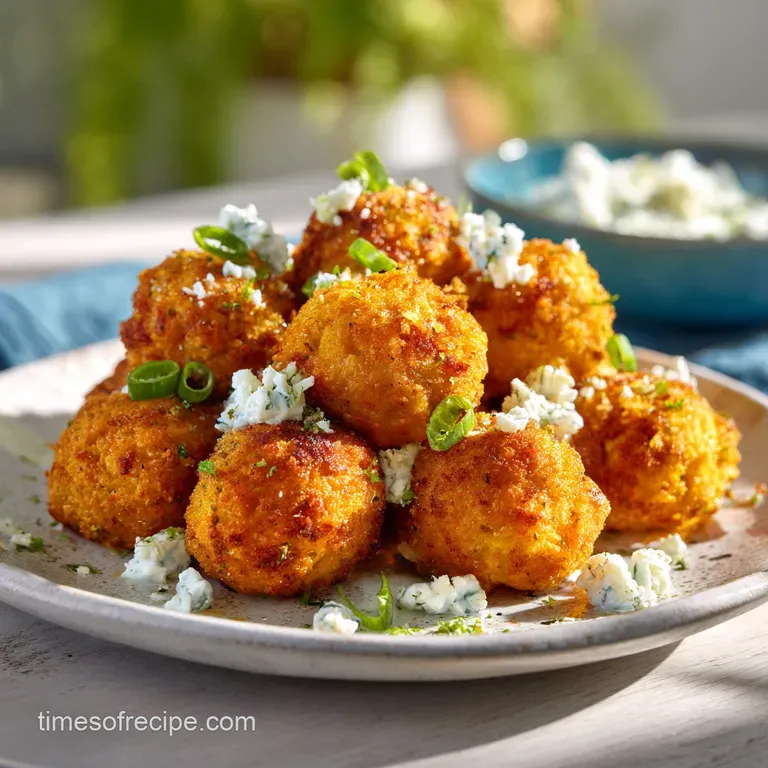
Let's get into the nitty gritty of making this meal happen. The order of operations matters here, especially with the sauce, as it needs a little time for the flavors to marry while the meat is roasting.
- Preheat and Prep. Set your oven to 400°F (200°C) and line a large baking sheet with parchment paper. Note: High heat is crucial for browning the exterior before the inside dries out.
- Grate the Aromatics. Use a box grater to grate the small yellow onion into a large bowl. Note: Keep all the juices that collect; they are vital for the chicken's moisture.
- Combine the Base. Add the 1 lb ground chicken, 0.5 cup feta, 0.5 cup Panko, and 1 lightly beaten egg to the onion.
- Season the Mix. Incorporate the minced garlic, parsley, dill, oregano, lemon zest, salt, and pepper.
- Mix with Care. Use your hands to gently combine the ingredients until just barely uniform. Note: Overworking the meat will result in a rubbery, tough texture.
- Form the Rounds. Scoop 1.5 tablespoon portions and roll into smooth balls with slightly wet hands.
- Bake for Texture. Place on the sheet and bake for 15 minutes until the tops are golden and the feta is sizzling.
- Prepare the Dip. While the meat bakes, combine the 1 cup Greek yogurt, squeezed cucumber, garlic paste, lemon juice, oil, and dill.
- Rest the Meat. Remove the tray from the oven and let the meatballs sit for 5 minutes. You should hear a faint crackling sound as they cool.
- Serve it Up. Plate the warm meatballs alongside a generous dollop of the cool, silky tzatziki.
If you find yourself wanting to try a different flavor profile next week, the technique of using a yogurt based sauce is very similar to what I use in my Turkish Chicken White recipe, which offers a slightly different spice palette but the same satisfying creamy finish.
Troubleshooting Common Mistakes
Even the best of us have bad kitchen days. If your meatballs aren't looking quite right, it's usually a simple fix involving moisture control or heat management.
Meatballs Falling Apart Fix
If your spheres are losing their shape on the pan, the binder is likely too weak. This happens if the egg was too small or if the onion was exceptionally watery without enough Panko to absorb it.
| Problem | Root Cause | Solution |
|---|---|---|
| Mushy Texture | Too much onion juice | Add 2 extra tablespoons of Panko to the mix. |
| Dry and Crumbly | Lean meat overcooked | Reduce oven time by 2 minutes next time; use meat with more fat. |
| Bland Flavor | Under seasoned meat | Always sauté a "test bite" to check salt levels before rolling. |
Wait, before you start rolling, make sure you aren't making these classic errors. A little bit of prevention goes a long way in the kitchen.
Common Mistakes Checklist ✓ Pat the ground chicken dry if it looks slimy out of the package to ensure better browning. ✓ Never skip the cucumber squeezing step; watery tzatziki will ruin the presentation.
✓ Avoid using a "low-fat" Greek yogurt for the sauce, as it lacks the necessary velvety mouthfeel. ✓ Ensure the oven is fully preheated; putting meat in a cold oven leads to steaming rather than roasting. ✓ Don't crowd the baking sheet; leave at least an inch between meatballs for air circulation.
Tasty Recipe Variations
This dish is incredibly flexible. Once you have the basic ratio down, you can pivot to suit different dietary needs or just whatever you have in the fridge.
- Low Carb Modification: Swap the Panko for 0.5 cup of almond flour. The texture will be slightly denser, but it holds the moisture beautifully.
- Spicy Kick: Add 1 tsp of red pepper flakes or a dollop of harissa paste to the meat mixture for a bold, fiery heat.
- Garden Fresh: Substitute half the chicken with finely chopped spinach (squeezed very dry) for a nutrient packed variation.
If you are looking for a complete meal transformation, these work brilliantly in Greek Meatball Bowl recipe configurations. Just add some quinoa, kalamata olives, and a few cherry tomatoes for a lunch that will make all your coworkers jealous.
Storage and Freezing Guide
These are a meal prepper's dream. They hold up remarkably well to both refrigeration and freezing without losing their structural integrity or bold flavor.
Storage Guidelines: Keep leftover meatballs in an airtight container in the fridge for up to 4 days. The flavors actually deepen overnight, making them even better for lunch the next day.
To reheat, use a toaster oven at 350°F (180°C) for 5 minutes to maintain the exterior texture. Microwaving is okay, but it can make the chicken a bit rubbery.
Freezing Instructions: You can freeze these either raw or cooked. If raw, freeze them on a tray first before transferring to a bag to prevent sticking. They will last for up to 3 months.
When you're ready to eat, bake from frozen at 400°F (200°C) for about 20-22 minutes.
Zero Waste Tip: Don't toss the cucumber peels or the ends of the bunch of dill. Toss them into a bottle of water for a refreshing spa style drink, or chop the peels finely and mix them into a salad for extra crunch.
Bold Serving Ideas
While I love these straight off the pan, there are so many ways to turn them into a full feast. The combination of warm meat and cold sauce is the star, so play with that contrast.
- Pita Pockets: Stuff three meatballs into a warm, fluffy pita with a smear of tzatziki, some pickled red onions, and a handful of arugula.
- Meze Platter: Serve them on a large board with hummus, roasted red peppers, stuffed grape leaves, and plenty of warm olives.
- Zoodle Base: For a lighter dinner, serve them over a bed of zucchini noodles tossed in lemon and olive oil.
If you enjoy the lemon heavy profile of this dish, you might also find a lot of comfort in a Chicken Bryan recipe, which uses similar bright citrus and herb notes but in a saucier, more indulgent format.
Kitchen Wisdom and Myths
There is a lot of misinformation out there about working with ground poultry. Let's clear up a few things so you can cook with confidence.
Searing meat does not actually "seal in juices." This is a common misconception. The real reason we love a sear is the Maillard reaction, which creates those complex, savory flavor compounds on the surface. For these meatballs, the over high heat oven achieves this without the mess of oil splattering on your stovetop.
Another myth is that you must use breadcrumbs to make a meatball. While they help with texture, the real "moisture insurance" comes from the grated onion and the fat in the feta. If you ran out of breadcrumbs, you could actually use a bit of mashed potato or even cooked rice in a pinch, though the texture would certainly shift toward the softer side.
Finally,, some people think you shouldn't season ground meat until the very last second. While that's true for burger patties (to keep them tender), meatballs actually benefit from a short "cure" time with the salt and herbs, which helps the flavors penetrate the meat more deeply before they hit the heat.
Satisfying Mediterranean Bowl Assembly
To make the most of these meatballs, I highly recommend building a structured bowl. Start with a base of lemon herb couscous or a simple cucumber and tomato salad. The acidity of the vegetables cuts through the richness of the chicken and cheese.
Add a large scoop of that homemade tzatziki right in the center. I like to finish the whole thing with a heavy drizzle of high-quality extra virgin olive oil and a sprinkle of sumac if I have it on hand.
The sumac adds a beautiful dark red color and a slightly fruity, tart flavor that complements the lemon zest perfectly.
This dish isn't just a recipe; it's a blueprint for a satisfying, hearty lifestyle that focuses on real ingredients and bold, unapologetic flavors. Whether you are feeding a noisy house full of kids or just prepping for a busy week ahead, these meatballs are going to become a staple in your kitchen just like they have in mine.
Right then, let's get that oven preheated and start grating those onions!
Recipe FAQs
Can I substitute ground turkey for the chicken in this recipe?
Yes, but expect a texture change. Ground turkey, especially the leaner 93/7 blend, will result in a slightly firmer meatball, so ensure you don't overcook them to compensate.
How to achieve the thickest, creamiest tzatziki sauce possible?
Squeeze the English cucumber aggressively using a clean kitchen towel. Excess moisture is the enemy of thick tzatziki; you must remove as much liquid as possible before mixing it into the yogurt base.
What is the best way to ensure the meatballs stay moist during baking?
Incorporate the grated onion with its collected juice. The grated onion releases cell sap that acts as an internal brine, preventing the lean chicken protein from tightening up under heat.
Is it true that mixing the meat too much ruins the texture?
Yes, overmixing is a major pitfall for meatballs. Mix the ingredients only until they are just barely uniform; overworking develops the proteins too much, leading to a dense, rubbery final product.
What internal temperature should I target for these Greek chicken meatballs?
Pull the meatballs when the internal temperature reaches 165°F (74°C). Use an instant read thermometer, and remember to let them rest for five minutes after pulling them from the oven for optimal juiciness.
How far in advance can I make the raw meatball mixture?
You can form the raw meatballs up to 24 hours ahead of time. Keep them tightly covered in the refrigerator; this short chilling period also helps them firm up, making them easier to handle before baking.
Can I use feta stored in brine instead of pre-crumbled?
Yes, block feta stored in brine is superior for this recipe. For the best distribution, grate the block feta after chilling it slightly in the freezer for 10 minutes; this keeps the fat pockets distinct inside the meatball.
Greek Chicken Meatballs Tzatziki
Ingredients:
Instructions:
Nutrition Facts:
| Calories | 418 kcal |
|---|---|
| Protein | 31g |
| Fat | 21g |
| Carbs | 14g |
| Fiber | 1.5g |
| Sugar | 3.5g |
| Sodium | 785mg |
