Greek Chicken Orzo Casserole with Lemon Spinach and Tomatoes
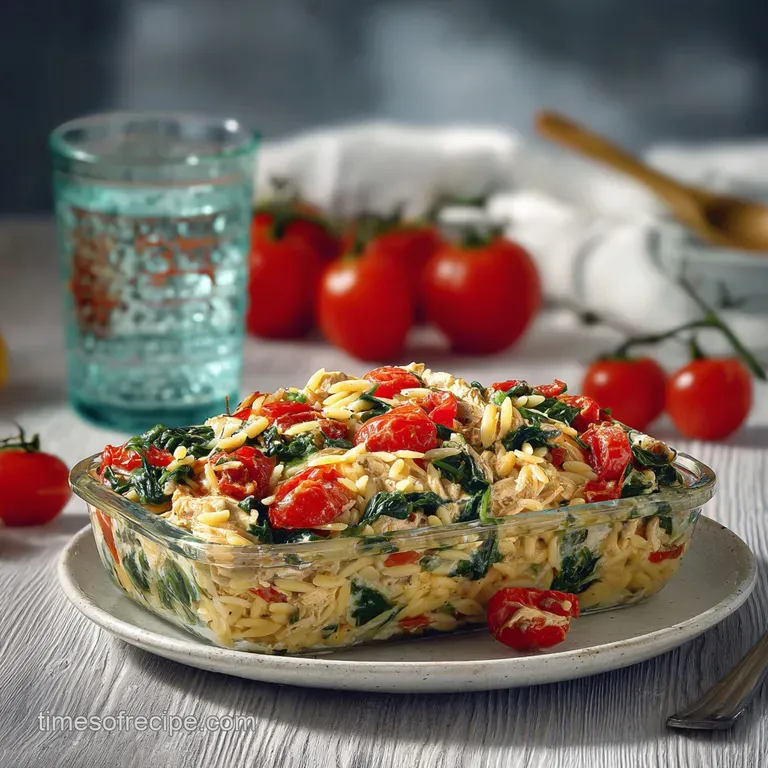
- Time: Active 15 minutes, Passive 35 minutes, Total 50 minutes
- Flavor/Texture Hook: Silky, savory pasta with a vibrant lemon garlic zing
- Perfect for: A hearty Sunday family dinner or organized weekly meal prep
- Hearty Greek Chicken Orzo Casserole with Lemon Spinach and Tomatoes
- The Physics of the Orzo Bloom
- Component Analysis for Mediterranean Success
- Selecting Bold Components for Your Savory Orzo Bake
- Reliable Kitchen Tools for a Consistent Golden Sear
- The Step by Step Journey to a Fragrant One Pot Bake
- Troubleshooting Your Casserole for a Perfectly Silky Result
- Smart Ingredient Variations for Busy Family Kitchens
- Debunking Mediterranean Cooking Wisdom
- Keeping Your Leftovers Fresh and Freezing for Later
- Perfect Pairings to Complete Your Savory Mediterranean Dinner
- High in Sodium
- Recipe FAQs
- 📝 Recipe Card
Hearty Greek Chicken Orzo Casserole with Lemon Spinach and Tomatoes
The moment those chicken thighs hit the hot olive oil, the kitchen transforms. There is a specific, violent sizzle that signals the start of something satisfying, followed closely by the earthy, woodsy perfume of dried oregano blooming in the fat.
I remember the first time I attempted this; I was so worried about the orzo sticking that I stirred it constantly like a risotto, only to realize the real magic happens when you let the oven do the heavy lifting. This recipe brings you a standout Greek Chicken Orzo Casserole with Lemon Spinach and Tomatoes.
We aren't making a dainty, light salad here; this is comfort food that demands a seat at your family table. It's the kind of meal where the edges of the pasta get just a tiny bit crispy against the side of the pan, while the center remains velvety and rich.
We've leaned into bold Mediterranean staples like Kalamata olives and feta to ensure every bite delivers a punch of salt and tang that cuts through the hearty protein.
You can expect a dish that feels cohesive and intentional. Instead of a watery mess, we are aiming for a tight, glossy sauce created naturally by the starch in the orzo. It’s a reliable, one pan wonder that has saved my sanity on many hectic weeknights, and frankly, the leftovers might even taste better the next day once the flavors have had a chance to really get acquainted.
The Physics of the Orzo Bloom
Toasting the dry pasta in oil creates a protective layer of dextrin that prevents the grains from becoming a gummy, amorphous mass during the bake. As the orzo absorbs the warm stock, starch gelatinization thickens the liquid into a silky sauce that clings to the chicken without needing heavy cream.
- Maillard Reaction: Searing the chicken at high heat creates complex sugars and savory depth that flavors the entire liquid base.
- Emulsification: The combination of lemon juice and residual fats from the chicken creates a stable, tangy sauce during the resting phase.
- Hygroscopic Absorption: Orzo acts like a sponge, drawing in the garlic infused stock while releasing just enough starch to bind the spinach and tomatoes.
- Acid Balance: The lemon juice breaks down the collagen in the chicken thighs, ensuring the meat remains tender rather than rubbery.
| Servings | Chicken Quantity | Orzo Amount | Pan Size | Cook Time |
|---|---|---|---|---|
| 2 People | 0.5 lbs | 0.5 cup | 8 inch Skillet | 30 minutes |
| 4 People | 1.0 lb | 1.0 cup | 10 inch Skillet | 35 minutes |
| 6 People | 1.5 lbs | 1.5 cups | 12 inch Skillet | 35 minutes |
| 12 People | 3.0 lbs | 3.0 cups | Large Roaster | 45 minutes |
Choosing the right pan size is vital because if the orzo layer is too deep, the top will dry out before the center is cooked. For our 6 serving yield, a 12 inch oven safe skillet or a standard 9x13 casserole dish provides the ideal surface area for even hydration.
Component Analysis for Mediterranean Success
| Ingredient | Science Role | Pro Secret |
|---|---|---|
| Chicken Thighs | Fat & Protein Source | Use thighs over breasts for superior moisture retention during the long bake. |
| Orzo Pasta | Starch Binder | Always toast the dry grains for 2 minutes to develop a nutty, complex aroma. |
| Lemon Juice | Chemical Tenderizer | Add half during cooking and half at the very end to keep the flavor bright. |
| Fresh Spinach | Moisture Contributor | Fold in at the very end; the residual heat wilts it without making it slimy. |
Selecting Bold Components for Your Savory Orzo Bake
To achieve that signature Mediterranean profile, we need ingredients that can stand up to high heat and long simmer times. Don't be shy with the aromatics; the garlic and onion are the foundation of the entire flavor profile.
- 1.5 lbs chicken thighs: Cut into 1 inch pieces. Why this? Thighs stay juicy at the high internal temperatures required to cook the pasta.
- Substitute: Chicken breast (reduce bake time by 5 mins to avoid dryness).
- 2 tbsp extra virgin olive oil: For searing and toasting.
- Substitute: Avocado oil or Ghee.
- 1 tbsp dried oregano: The backbone of Greek seasoning.
- Substitute: Dried marjoram or Italian seasoning.
- 1 tsp smoked paprika: Adds a subtle, earthy depth.
- Substitute: Sweet paprika or a pinch of cumin.
- 4 cloves garlic, minced: Essential for the base aroma.
- Substitute: 1 tsp garlic powder in a pinch.
- 0.5 medium red onion, finely diced: Provides sweetness and texture.
- Substitute: Shallots or yellow onion.
- 1.5 cups uncooked orzo pasta: Our star starch.
- Substitute: Pearl couscous (keep liquid ratios the same).
- 3 cups low sodium chicken stock: Warmed to speed up the process.
- Substitute: Vegetable broth or water with bouillon.
- 1 large lemon: Both zest and juice are required.
- Substitute: Bottled juice (but you'll miss the zest's oils).
- 2 cups fresh baby spinach: Packed tightly.
- Substitute: Chopped kale or swiss chard.
- 1 cup cherry tomatoes: Halved to release their juices.
- Substitute: Canned diced tomatoes, drained.
- 0.5 cup Kalamata olives: Pitted and halved for saltiness.
- Substitute: Green olives or capers.
- 0.75 cup feta cheese: Crumbled for a creamy finish.
- Substitute: Goat cheese or Ricotta Salata.
- 2 tbsp fresh dill or parsley: For a hit of freshness.
Chef's Tip: Freeze your block of feta for 10 minutes before crumbling. This prevents it from turning into a paste and allows you to get those beautiful, distinct chunks that hold their shape against the hot pasta.
Reliable Kitchen Tools for a Consistent Golden Sear
Using a heavy bottomed vessel is non negotiable for this recipe. A cast iron skillet or a heavy stainless steel pan will hold heat much better than thin aluminum, ensuring that your chicken sears rather than steams.
You will also need a sharp chef's knife for dicing the chicken and vegetables. If you are using a skillet that isn't oven safe, have a 9x13 baking dish ready to transfer the mixture into. A microplane is the best tool for getting that fine lemon zest without hitting the bitter white pith. If you're looking for other ways to use that skillet, our Fiesta Lime Chicken recipe uses a similar searing technique to lock in flavor.
The step-by-step Journey to a Fragrant One Pot Bake
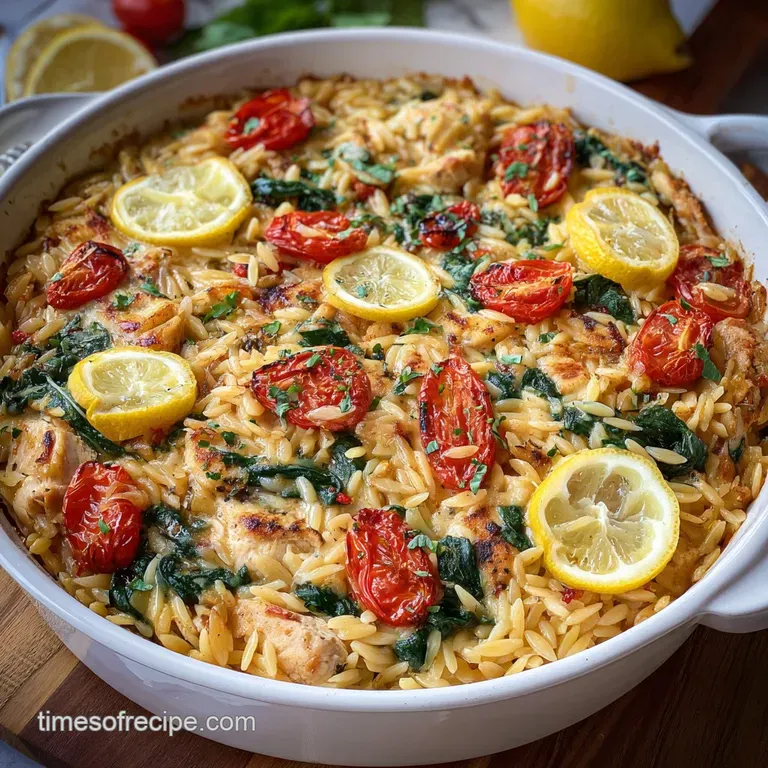
1. Searing the Protein and Aromatics
Pat the 1.5 lbs chicken thighs completely dry with paper towels. Toss them in a bowl with the oregano, smoked paprika, salt, and pepper. Heat the olive oil in a large skillet over medium high heat until it begins to shimmer.
Add the chicken in a single layer and sear for 5 minutes until a deep golden crust forms. Note: Do not crowd the pan; work in batches if necessary to maintain the heat.
2. Toasting and Deglazing
Remove the chicken and set aside. In the same pan, add the red onion and cook for 3 minutes until softened. Stir in the garlic and the 1.5 cups of dry orzo. Cook for 2 minutes, stirring constantly, until the orzo smells nutty and looks toasted.
Add the warmed chicken stock and half of the lemon juice, scraping the bottom of the pan to release all the savory browned bits.
3. The Oven Transformation
Preheat your oven to 400°F (200°C). If using a skillet, return the chicken to the pan, nestling the pieces into the liquid. If using a baking dish, pour the orzo mixture in and top with the chicken. Cover tightly with foil.
Bake for 20 minutes until the liquid is mostly absorbed and the orzo is tender.
4. The Finishing Fold
Remove the dish from the oven. Stir in the fresh spinach, cherry tomatoes, and Kalamata olives. The residual heat will cause the spinach to wilt into a silky texture within 2 minutes. Add the lemon zest, the remaining lemon juice, and the feta cheese.
5. The Rest and Garnish
Let the casserole sit for 5 minutes before serving. This allows the sauce to thicken and the flavors to meld. Scatter the fresh dill or parsley over the top just before bringing it to the table. The aroma of the fresh herbs hitting the warm lemon will be your cue that dinner is ready.
Chef's Tip: For an extra layer of flavor, add a tablespoon of the brine from the Kalamata olive jar directly into the chicken stock. It adds a fermented, salty complexity that plain salt cannot replicate.
Troubleshooting Your Casserole for a Perfectly Silky Result
My Orzo is Dry and Crunchy
This usually happens if the foil wasn't sealed tightly enough, allowing the steam to escape before the pasta could hydrate. Orzo needs that trapped moisture to soften. If you find it's still hard after the bake time, add another 1/4 cup of warm stock, cover it back up, and let it sit in the turned off oven for 5 to 10 minutes.
The Chicken is Rubbery
Rubberiness is almost always a result of under searing or using chicken breasts that have been overcooked. By using thighs and ensuring a hard sear at the beginning, you create a barrier that keeps the interior moist.
Also, ensure you aren't cutting the pieces smaller than 1 inch, or they will finish cooking long before the pasta is done.
| Problem | Root Cause | Solution |
|---|---|---|
| Mushy Pasta | Too much liquid or overstirring | Measure stock carefully; don't stir during the oven phase. |
| Bland Flavor | Lack of salt or acid | Increase lemon juice at the end; use full fat feta. |
| Greasy Sauce | Too much oil or chicken fat | Drain excess fat after searing chicken before adding orzo. |
Common Mistakes Checklist
- ✓ Ensure the chicken stock is warm before adding to the pan to maintain cooking temperature.
- ✓ Don't skip the toasting step for the orzo; it's the difference between distinct grains and mush.
- ✓ Use a heavy duty foil seal to prevent steam loss during the 20 minute bake.
- ✓ Always zest the lemon before juicing it; it’s nearly impossible to zest a squeezed lemon.
- ✓ Let the dish rest for 5 full minutes to allow the starches to set the sauce.
Smart Ingredient Variations for Busy Family Kitchens
Scaling this recipe is straightforward as long as you maintain the liquid to pasta ratio. For every 1 cup of orzo, you generally need 2 cups of liquid. If you are cutting the recipe in half, use a smaller 8 inch skillet to ensure the liquid doesn't evaporate too quickly.
When doubling the recipe for a crowd, use two separate 9x13 dishes rather than one deep one, which ensures even cooking for the pasta.
If you are looking for a different vibe, you might try a variation similar to the creamy base used in our Buffalo Chicken Dip recipe, perhaps adding a splash of heavy cream at the end for an even richer finish.
| Method | Time | Texture | Best For |
|---|---|---|---|
| Oven Bake | 35 mins | Uniformly tender, toasted top | Hands off family dinners |
| Stovetop | 25 mins | Creamier, risotto like | Quick weeknight meals |
| Slow Cooker | 4 hours (Low) | Very soft, stew like | Meal prep/Busy days |
If you go the stovetop route, you'll need to stir more frequently to prevent the orzo from sticking to the bottom, much like making a traditional pasta dish. For a different flavor profile entirely, check out the tangy citrus in our Lemon Chicken Recipe.
Debunking Mediterranean Cooking Wisdom
One common misconception is that you must cook the orzo in boiling water before adding it to a casserole. This actually robs the dish of flavor. By cooking the dry pasta directly in the flavored stock and chicken drippings, the grains absorb the seasoning from the inside out, resulting in a much more bold and cohesive meal.
Another myth is that fresh spinach must be sautéed before being added to a bake. In reality, the high water content in spinach will release during the sauté and make your casserole watery.
Folding the raw leaves into the hot pasta at the very end allows them to wilt perfectly using only the residual steam, preserving their vibrant color and preventing a "soggy" mess.
Keeping Your Leftovers Fresh and Freezing for Later
Storage: Store any leftover Greek Chicken Orzo Casserole in an airtight container in the fridge for up to 4 days. Because orzo continues to absorb liquid as it sits, the pasta may seem a bit drier the next day.
When reheating, add a splash of water or chicken stock before microwaving or heating on the stovetop to restore that velvety sauce consistency.
Freezing: This dish freezes surprisingly well for up to 3 months. I recommend freezing it in individual portions. To reheat, thaw in the fridge overnight and bake at 350°F (175°C) until heated through, about 15 minutes.
Zero Waste: Don't throw away those lemon halves after juicing! Toss them into a pot of water with any leftover herb stems (dill or parsley) and simmer on the stove for a natural, fresh kitchen deodorizer.
If you have leftover feta brine, use it to marinate chicken for your next meal it’s a fantastic tenderizer.
Perfect Pairings to Complete Your Savory Mediterranean Dinner
To round out this hearty meal, I usually serve it with a crisp, cold salad or some warm crusty bread to soak up the lemon garlic sauce. This pairs beautifully with a hearty salad, much like the one found in our Costco Chicken Salad Recipe. The crunch of fresh cucumbers and bell peppers provides a lovely contrast to the soft, warm pasta.
If you want to go the extra mile, a side of roasted zucchini or eggplant tossed in a little balsamic vinegar works wonders. For those who enjoy a bit of a "copycat" experience at home, you might find the flavor profile of the lemon butter sauce here very similar to the famous Chicken Bryan recipe. Whatever you choose, make sure you have plenty of extra lemon wedges on the table; that final squeeze of fresh acid right before eating is what truly makes the flavors sing.
High in Sodium
965 mg mg of sodium per serving (42% % of daily value)
The American Heart Association recommends limiting sodium intake to about 2,300mg per day for overall cardiovascular health.
Tips to Reduce Sodium in Your Orzo Dish
-
Broth Swap-30%
Use no-sodium chicken broth instead of low-sodium broth. This will significantly reduce the sodium content of the dish without sacrificing flavor.
-
Salt Control-25%
Reduce or eliminate the added kosher salt (1 tsp). Taste the dish before adding any salt, as the other ingredients already contribute sodium. You can always add more salt later if needed, but you can't take it out!
-
Feta Finesse-15%
Use less feta cheese (try ½ cup instead of ¾ cup) or opt for a lower sodium cheese alternative. Consider adding a squeeze of lemon to mimic the flavor.
-
Olive Audit-10%
Reduce the amount of Kalamata olives (try ¼ cup instead of ½ cup) or rinse them thoroughly before adding them to the dish to remove excess salt. Alternatively, explore sodium free or sodium reduced olives.
-
Spice It Up!
Experiment with sodium free herbs and spices like garlic powder, onion powder, or red pepper flakes to enhance flavor without adding sodium. These can create a more complex taste profile!
Recipe FAQs
Can I substitute chicken breasts for the thighs?
Yes, but reduce the baking time. Chicken breasts cook faster and are prone to drying out in the casserole format. Adjust the bake time by about 5 minutes to ensure they remain juicy.
Is it necessary to toast the dry orzo before adding liquid?
No, it is not strictly necessary, but highly recommended. Toasting the orzo in oil develops a nutty flavor base and creates a slight barrier on the pasta, which helps prevent it from becoming overly gummy during the bake.
How can I make this recipe ahead of time for easier weeknight cooking?
Marinate the chicken and chop the vegetables up to 24 hours in advance. Assemble the entire casserole, but cover and refrigerate until ready to bake; you may need to add an extra 5 10 minutes to the total covered bake time.
What is the best way to prevent the orzo from sticking to the bottom of the pan?
Use a heavy bottomed, oven safe skillet and deglaze thoroughly after searing. Ensure all the browned chicken bits (fond) are lifted from the pan surface before adding the liquid; this fond is flavor and prevents immediate sticking.
My casserole turned out too watery; what went wrong?
This usually results from adding raw spinach directly or not searing the chicken properly. Raw spinach releases a lot of water during baking; if you need to add raw greens, stir them in right after the baking phase with the feta, allowing residual heat to wilt them.
How do I ensure the lemon flavor stays bright and doesn't turn bitter?
Divide the lemon addition into two stages: cooking and finishing. Add half the juice during the baking phase, but reserve the zest and the remaining juice to stir in right before serving for maximum fragrance and tang.
Can I use dried spinach instead of fresh spinach in this recipe?
No, do not substitute dried spinach for fresh in this liquid heavy bake. Dried greens require rehydration and will likely turn the sauce texture grainy or excessively thick, unlike the way fresh spinach perfectly wilts into the warm orzo.
Greek Chicken Orzo Casserole
Ingredients:
Instructions:
Nutrition Facts:
| Calories | 548 kcal |
|---|---|
| Protein | 34.2 g |
| Fat | 26.4 g |
| Carbs | 42.8 g |
| Fiber | 3.2 g |
| Sugar | 3.8 g |
| Sodium | 965 mg |
