Ground Beef Casserole with Potatoes
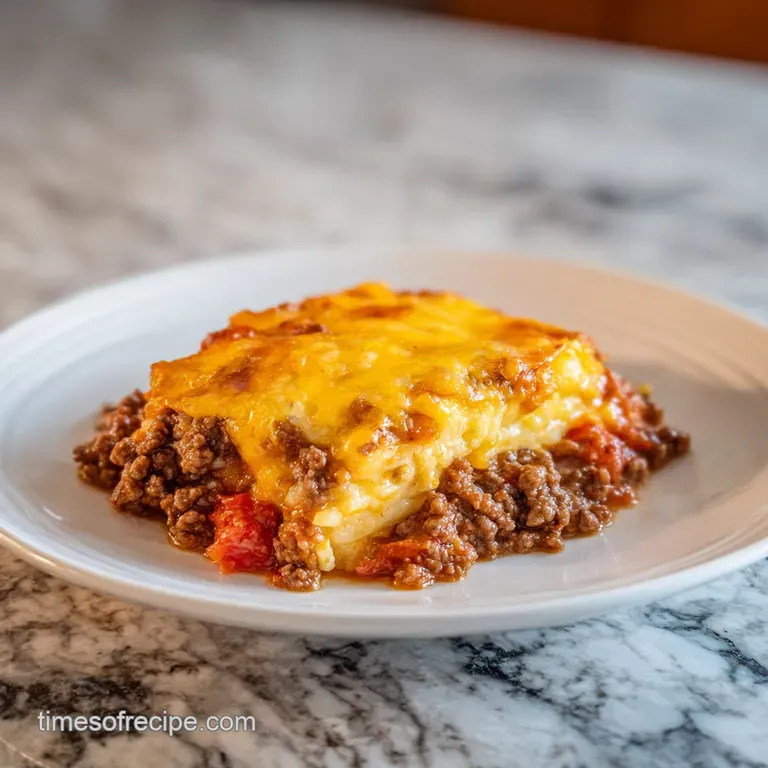
- Time: Active 15 minutes, Passive 25 minutes, Total 40 minutes
- Flavor/Texture Hook: Hearty beef with molten, craggy cheese
- Perfect for: Satisfying family dinners or Sunday meal prep
- Mastering the Hearty Ground Beef Casserole
- Science Behind the Savory Layers
- Precision Timing for Family Meals
- Deep Dive into Flavor Essentials
- Stovetop and Oven Tools List
- Execution for Bold Flavor Results
- Solving Texture and Grease Issues
- Creative Swaps for Every Kitchen
- Storage and Zero Waste Strategy
- Perfect Pairings for Comfort Dinners
- Ground Beef Casserole FAQs
- 📝 Recipe Card
Mastering the Hearty Ground Beef Casserole
The sizzle of 2 lbs of lean ground beef hitting a preheated cast iron pan is the sound of a successful family dinner starting. I remember my first attempt at this dish years ago, back when I thought all you needed was meat and a box of noodles.
I ended up with a pool of grease at the bottom and bland, rubbery beef that no amount of salt could save. It was a watery mess that taught me the hard way about moisture control and flavor layering.
Since then, I have learned that the secret lies in the fond those little browned bits stuck to the bottom of the pan and the way we treat the aromatics. When you toss in the diced yellow onion and minced garlic, they should soften in the residual beef fat until they turn translucent and fragrant, not burnt.
This isn't just a meal, it's a bowl of pure comfort that feels like a warm hug after a long day, especially when that Monterey Jack cheese starts to pull into long, silky ribbons.
We are going for a bold, savory profile here that skips the "can of soup" shortcuts for something much more satisfying. By using tomato paste and Worcestershire sauce, we build a deep umami base that makes the beef taste richer without needing hours of simmering.
You'll get a dish that is thick, velvety, and topped with a cheese crust that offers a satisfying shatter with every forkful.
Science Behind the Savory Layers
To understand why this specific method works, we need to look at how proteins and starches interact under heat. This isn't just about mixing things together, it's about engineering a sauce that stays thick and a meat texture that remains succulent.
- Maillard Reaction: High heat transforms the amino acids and sugars in the beef into hundreds of complex flavor compounds, creating that signature brown crust.
- Starch Gelatinization: Utilizing the 12 oz of Rotini or Penne provides enough surface area for the starch to bind with the meat juices, preventing a "soupy" bottom.
- Emulsification: The Worcestershire sauce and tomato paste act as bridges between the fats and liquids, ensuring a cohesive, glossy coating on every noodle.
| Method | Time | Texture | Best For |
|---|---|---|---|
| Stovetop | 25 minutes | Creamy and soft | Quick weeknight cravings |
| Oven Finish | 35 minutes | Crispy cheese edges | Family style presentation |
| Slow Cooker | 4 hours | Falling apart tender | Hands off meal prepping |
While the stovetop method is faster, finishing the dish in the oven under a broiler for a few minutes is what creates those craggy, golden cheese peaks. The oven heat causes the cheese to undergo a secondary browning process that adds a nutty, toasted dimension to the bold cheddar.
Precision Timing for Family Meals
To get the most satisfying results, you need to hit specific numeric targets that ensure the meat is safe but not dry. Overcooking ground beef is the quickest way to end up with a grainy texture that loses all its hearty appeal.
| Component | Target Checkpoint | Visual/Sensory Cue |
|---|---|---|
| Ground Beef | 160°F Internal | No traces of pink remain |
| Pasta Texture | 8-9 minutes | Al dente with a slight bite |
| Cheese Topping | 425°F Broil | Bubbling with dark gold spots |
Getting the pasta right is the most common hurdle for home cooks. If you boil the 12 oz of noodles until they are soft, they will turn to mush once they hit the hot beef and sauce. Stop the boil a minute early.
The pasta will finish hydrating by soaking up the savory juices from the meat, which infuses the noodles with flavor from the inside out.
Deep Dive into Flavor Essentials
The magic happens when simple ingredients are treated with respect. Using 90/10 lean ground beef ensures you have enough fat for flavor but not so much that the casserole becomes an oil slick.
| Ingredient | Science Role | Pro Secret |
|---|---|---|
| Tomato Paste | Umami Concentrator | Fry it for 2 mins to remove raw tinny taste |
| Worcestershire | Acidic Catalyst | Brightens the heavy fats and deepens beefiness |
| Smoked Paprika | Aromatic Depth | Adds a subtle "charcoal" note without liquid smoke |
- 2 lbs lean ground beef (90/10): Provide the hearty protein base.
- 1 large yellow onion: Diced fine to melt into the sauce.
- 4 cloves garlic: Minced fresh for a bold, pungent bite.
- 1 tbsp tomato paste: For a thick, savory red foundation.
- 1 tsp smoked paprika: Adds a woody, complex warmth.
- 1 tsp dried oregano: Provides a classic earthy, herbal finish.
- 0.5 tsp crushed red pepper: Adds a tiny hum of heat that cuts through the cheese.
- 1 tbsp Worcestershire sauce: The secret weapon for savory depth.
- 12 oz short pasta: Use Rotini or Penne to trap the meat sauce in the ridges.
- 1.5 cups sharp cheddar: Shredded fresh for a better melt than the bagged stuff.
- 0.5 cup Monterey Jack: Adds the "pull" and a creamy, mild counterpoint.
- 0.5 tsp salt & 0.5 tsp pepper: Essential for balancing all the bold spices.
For an even deeper flavor profile, I often use the techniques found in my Savory Ground Beef recipe which emphasizes browning the meat until it's almost crispy. You can substitute the pasta for cauliflower florets if you are looking for a lower carb option, though you'll need to reduce the added liquid by 20% since the vegetable releases its own moisture.
Stovetop and Oven Tools List
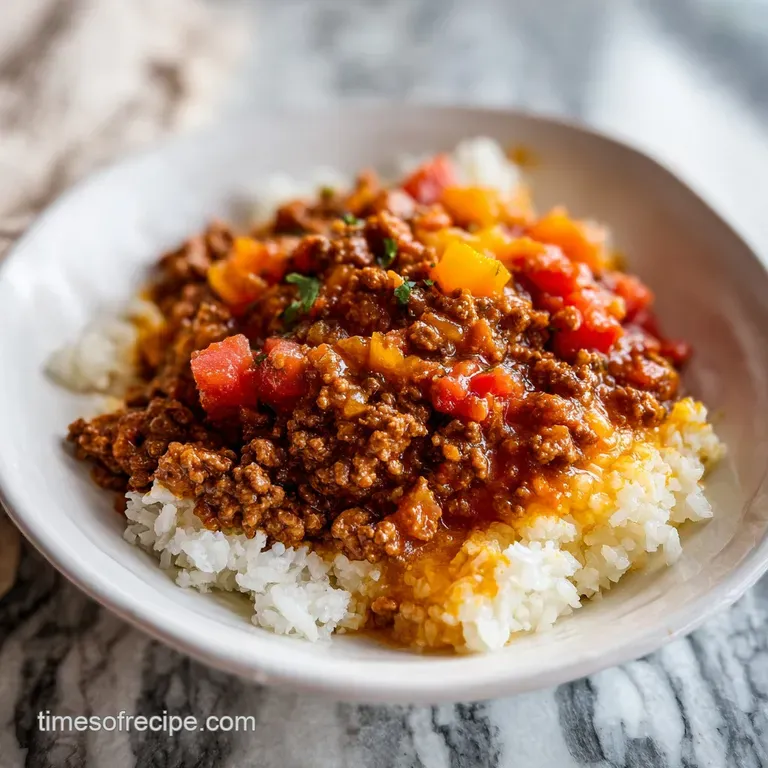
You don't need a professional kitchen to pull this off, but a heavy bottomed pan is non negotiable. A cast iron skillet or a heavy stainless steel pan will hold heat better, preventing the beef from steaming in its own juices.
- 12 inch Skillet: High sides are a must once you add the pasta.
- Large Stockpot: To boil the 12 oz of pasta in salted water.
- Box Grater: Freshly shredded cheese contains no anti clumping starches, leading to a silkier melt.
- Wooden Spoon: Better for scraping up the flavor packed fond.
Chef's Tip: Freeze your block of Monterey Jack for 10 minutes before grating. This makes it firm enough to shred without it turning into a clump of mush in your hand.
Execution for Bold Flavor Results
Let's get down to the actual cooking. Follow these steps closely to ensure your Ground Beef Casserole has that restaurant quality texture and rich, hearty flavor profile.
- Boil the water. Fill a large pot with water and a generous pinch of salt. Once at a rolling boil, add the 12 oz of pasta and cook for 8 minutes. Drain and set aside, but keep 1/4 cup of that cloudy pasta water.
- Sear the beef. Place a large skillet over medium high heat. Add the 2 lbs of ground beef. Break it apart with a spoon but let it sit undisturbed for 3 minutes to develop a dark, savory crust.
- Soften the aromatics. Add the diced yellow onion and salt to the beef. Why this? Salt draws out onion moisture to deglaze the pan. Cook until the onions are translucent and the beef is fully browned.
- Bloom the spices. Stir in the minced garlic, 1 tsp smoked paprika, 1 tsp dried oregano, and 0.5 tsp crushed red pepper. Cook for 60 seconds until the kitchen smells incredible.
- Concentrate the base. Push the meat to the sides and drop the 1 tbsp of tomato paste in the center. Fry it for 2 minutes until it turns a deep rust color.
- Deglaze the pan. Pour in the 1 tbsp of Worcestershire sauce and the reserved pasta water. Scrape every bit of brown "flavor" off the bottom of the skillet.
- Combine the components. Toss the cooked pasta into the beef mixture. Fold it gently to ensure every piece of Rotini is coated in the savory red sauce.
- Layer the cheese. Turn off the heat. Sprinkle the 1.5 cups of sharp cheddar and 0.5 cup Monterey Jack over the top in an even, thick layer.
- Melt and crisp. Cover the pan with a lid for 2 minutes, or pop it under the broiler until the cheese is bubbling and spotted with gold.
- Rest the dish. Let it sit for 5 minutes before serving. This allows the sauce to thicken and the cheese to set, preventing a messy plate.
Solving Texture and Grease Issues
Nothing ruins a hearty meal faster than a puddle of oil. If you notice grease pooling around the edges after browning the beef, don't just leave it. Tilt the pan and spoon out the excess, leaving about a tablespoon for flavor and to sauté the onions.
Why Your Cheese Is Oily
When cheese is heated too quickly or is poor quality, the fat separates from the protein solids. This results in a yellow slick on top of your casserole instead of a velvety melt. Always use blocks of cheese you grate yourself to avoid the cellulose coatings found in pre shredded bags.
| Problem | Root Cause | Solution |
|---|---|---|
| Dry Meat | Over browning or too lean | Add 2 tbsp beef broth to the sauce |
| Mushy Pasta | Overcooked in water | Reduce boil time to 7 minutes next time |
| Bland Sauce | Lack of acidity | Add a splash of apple cider vinegar or lemon |
- ✓ Pat the beef dry with paper towels before searing to ensure a crust, not a steam.
- ✓ Ensure the skillet is hot enough that the meat sizzles immediately upon contact.
- ✓ Don't skimp on the Worcestershire; it provides the essential acid balance.
- ✓ Stir the pasta occasionally while boiling to prevent clumping.
- ✓ Use sharp cheddar rather than mild for a more aggressive, bold flavor.
Creative Swaps for Every Kitchen
If you find yourself missing an ingredient, don't panic. This dish is forgiving as long as you maintain the fat to acid balance. For those looking for something even more decadent, you might enjoy my Beef Noodle Casserole recipe which leans into a creamier, dairy heavy sauce.
| Original Ingredient | Substitute | Why It Works |
|---|---|---|
| Lean Ground Beef | Ground Turkey (93/7) | Similar texture; add 1 tsp olive oil for fat |
| Worcestershire | Soy Sauce + Honey | Mimics the salty, fermented umami profile |
| Sharp Cheddar | Smoked Gouda | Adds a creamy, wood fired flavor profile |
Creating the Chili Cheese Tater Tot Casserole
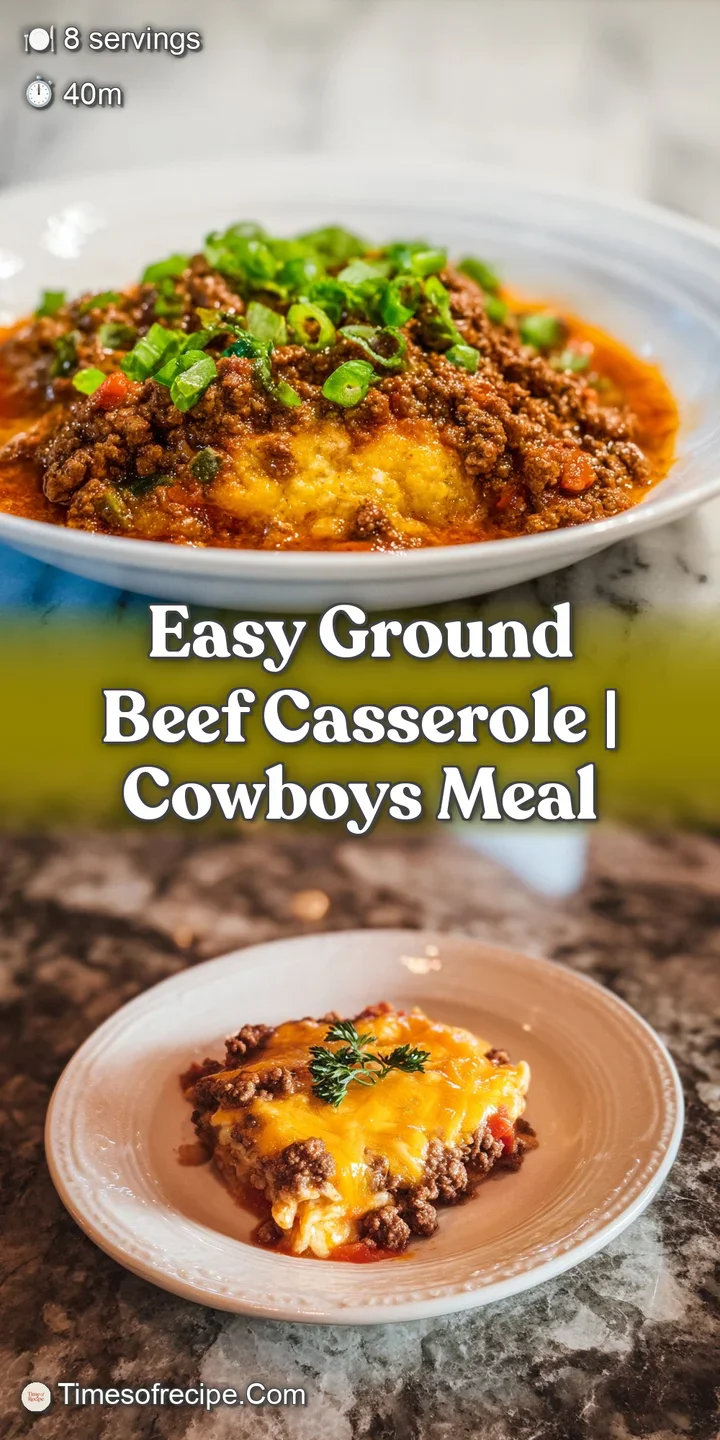
To turn this into a "Cowboy Casserole" style dish, swap the 12 oz of pasta for a layer of frozen tater tots on top. You'll need to bake this at 400°F for 20 minutes before adding the cheese to ensure the tots get that signature crunch.
It's a satisfying variation that kids absolutely adore.
Ground Beef Casserole Without Pasta
For a low carb version, replace the pasta with 4 cups of steamed cauliflower florets. Since cauliflower doesn't absorb liquid like pasta does, skip the reserved pasta water in step 6. You want the sauce to be thick and concentrated so it clings to the vegetables rather than sliding off.
Storage and Zero Waste Strategy
Leftovers are arguably better the next day because the spices have had time to penetrate the pasta. Store the casserole in an airtight container in the fridge for up to 4 days. When reheating, add a teaspoon of water or milk to the bowl before microwaving to help re emulsify the cheese sauce and prevent the pasta from drying out.
To freeze, let the dish cool completely. It will stay fresh in a freezer safe bag for up to 3 months. To minimize waste, save your onion skins and garlic peels in a bag in the freezer; they make an incredible base for homemade beef stock later.
If you have leftover cooked beef, it can be tossed into a morning omelet or used as a bold topping for a baked potato.
Perfect Pairings for Comfort Dinners
Because this dish is so hearty and rich, I like to serve it with something bright and crisp. A simple arugula salad with a lemon vinaigrette cuts through the fat of the cheddar and the savory depth of the beef perfectly. You could also go the traditional route with some garlic bread to soak up any remaining sauce.
- If you want a crunchier top, mix 1/2 cup of Panko breadcrumbs with a tablespoon of melted butter and sprinkle it over the cheese before broiling.
- If you want a spicier kick, double the crushed red pepper or add a tablespoon of diced pickled jalapeños into the beef mixture.
- If you want a hidden veggie boost, finely chop a red bell pepper and sauté it along with the onions.
The beauty of this Ground Beef Casserole is its versatility. It's a reliable, satisfying anchor for your weekly menu that never fails to please a crowd. Trust the sear on the beef and don't be afraid to let that cheese get a little dark in the oven. That's where the real flavor lives.
Kitchen Myths Debunked
Many people believe you should rinse your cooked ground beef to remove excess fat. Please, never do this. You're washing away the concentrated flavor and seasoning you just worked so hard to build. Instead, use a slotted spoon to move the meat to a plate and wipe the pan if needed.
Another common myth is that pasta needs a massive amount of oil in the water to stop sticking. Oil actually prevents the sauce from adhering to the noodles later. All you need is a large pot and a quick stir in the first two minutes of boiling to keep those 12 oz of noodles perfectly separated and ready to soak up that savory beef sauce.
Ground Beef Casserole FAQs
What is Dolly Parton's 5 layer casserole?
No, this recipe is not Dolly Parton's famous 5-layer casserole. The Dolly Parton casserole typically includes distinct layers of ground beef, potatoes, corn, cream soup, and cheese, making it a much richer, layered potato bake.
Why is it called a John Wayne casserole?
It is named after John Wayne, though the exact origin is unclear. This variation usually features corn, salsa, tortillas, and ground beef, often baked in a large, square pan mirroring the rugged, utilitarian style associated with the actor.
What is Jackie Kennedy's casserole?
No official recipe exists attributed to Jackie Kennedy. People often associate sophisticated, French inspired dishes with her, so when the term surfaces, it usually refers to an elegant, perhaps mushroom or seafood based bake, nothing like a simple ground beef dish.
What can I do with ground beef for dinner?
You can create hearty, satisfying meals quickly using ground beef. For quick flavor development that rivals slow cooking, try searing the meat hard to develop the fond, a technique essential for building deep flavor like in our Ground Elk with Garlic and Herbs recipe, which uses similar browning principles.
How to ensure the cheese topping is bubbly and crispy?
Place the assembled casserole under a hot broiler for 2-3 minutes. Make sure you use freshly grated cheese, as pre-shredded types often contain starches that inhibit the proper browning and separation needed for a craggy, crisp crust.
What if my casserole ends up watery or soupy?
False, you should never drain all the beef juices. You need some liquid to bind the starch from the pasta; the solution is to reserve 1/4 cup of the starchy pasta cooking water to thicken the sauce base while deglazing the pan.
Can I substitute the pasta with rice?
Yes, you can substitute rice, but adjust your liquid ratio. Rice absorbs liquid differently than pasta, so omit the reserved pasta water entirely and consider adding 1/4 cup of beef broth to compensate for the drier base required for cooking rice through.
Hearty Ground Beef Casserole
Ingredients:
Instructions:
Nutrition Facts:
| Calories | 459 kcal |
|---|---|
| Protein | 33.6 g |
| Fat | 16.8 g |
| Carbs | 34.1 g |
| Fiber | 1.8 g |
| Sugar | 2.4 g |
| Sodium | 538 mg |
