Prime Rib Roast Recipe: Unbeatable Juiciness
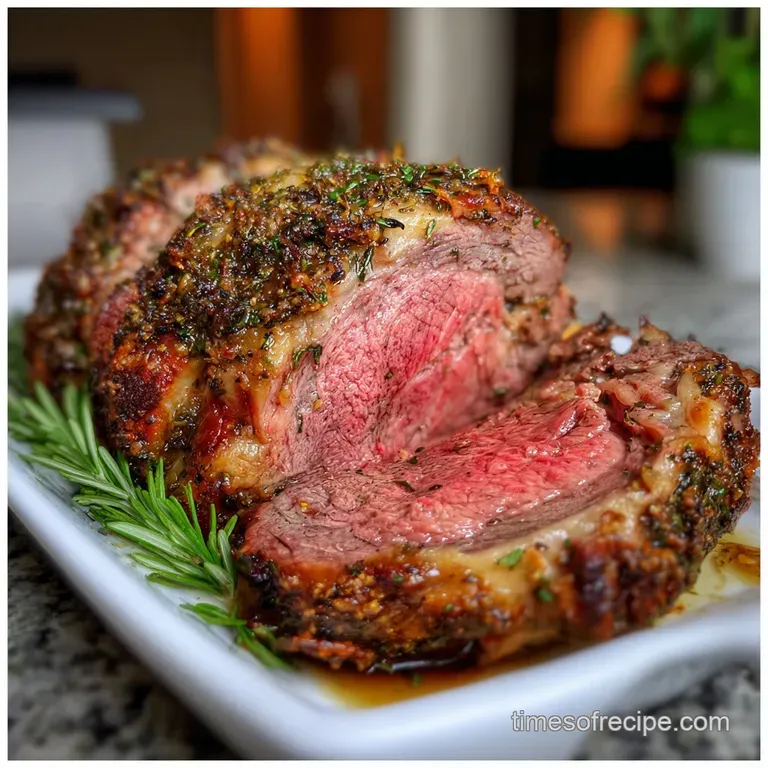
- The Ultimate Herb-Crusted Prime Rib Roast: Low & Slow for Unbeatable Juiciness
- The Centerpiece Event: Why This Reverse-Seared Approach Guarantees Royalty
- Decoding Perfect Texture: The Science Behind the Low-Temperature Cook
- Essential Components and Precise Quantification for Your Masterpiece
- The Definitive Low and Slow Workflow (Reverse Sear Method)
- Troubleshooting Guide: Avoiding Common Pitfalls When Cooking Prime Rib
- Elevating the Experience: Recommended Accompaniments and Au Jus Mastery
- Recipe FAQs
- 📝 Recipe Card
The Ultimate Herb Crusted Prime Rib Roast: Low & Slow for Unbeatable Juiciness
The aroma alone? It’s absolutely transformative magic swirling through your house, promising tender, perfect slices layered in a dark, burnished crust. Gosh, making a show stopping Prime Rib Roast doesn't have to be reserved only for professional chefs or major holiday caterers anymore; this is seriously doable for us home cooks.
Forget everything you thought you knew about wrestling giant hunks of meat into submission with brutal heat. Our goal here isn’t speed; it’s precision, making this recipe deceptively simple, though certainly not cheap if you are checking the prime rib roast price tag!
I once burned the entire outside trying to rush it because company arrived early, and let me tell you, tasting that bitter char was criminal.
But that was before I learned the holy grail method the reverse sear. So, grab your best thermometer, ignore the timing charts that betray you, and let’s crack on with the most foolproof prime rib roast recipe you’ll ever use.
The Centerpiece Event: Why This Reverse Seared Approach Guarantees Royalty
This method, folks, is a game changer. We bake this magnificent cut low and slow, bringing the entire interior up to temperature gently, almost uniformly. We’re essentially cooking it in a controlled, warm bath before shocking it with high heat right at the end for that crackle.
Trust me, mastering this reverse sear is the secret to a perfectly rendered Rib Roast every single time you decide to splurge on one.
Decoding Perfect Texture: The Science Behind the Low-Temperature Cook
When you blast a huge roast immediately, the outside cooks way too fast, squeezing all the internal moisture toward the cold center. That’s how you get that sad, grey band of overcooked meat just under the crust.
Cooking at 250°F or so is gentle; it allows the proteins to set slowly without seizing up and pushing out all the incredible, flavourful juices.
Setting the Stage: Choosing a Grand Cut for Your Celebration
First, you have to commit to the quality required for a premium experience. Look for USDA Prime, or high end Choice if you’re trying to manage the prime rib roast cost .
And yes, while checking what’s available prime rib roast near me is handy, securing a quality cut matters more than location. I usually know where to find the best deals when they pop up prime rib roast for sale near the holidays.
The Promise of Patience: An Overview of the Low & Slow Method
This is where most people fold; they think the oven time listed is gospel, and then panic when the temperature creeps up too slowly. If you start panicking around hour two, remember you are building tenderness, not just cooking it through. I swear, the aroma development during this slow phase alone is worth the wait.
Crafting the Ultimate Herb Crust: Building Exterior Flavor Pre-Cook
The initial crust we build is more than just salt and pepper; it’s where the majority of your deep, savoury, earthy flavour comes from. We use aggressive amounts of herbs rosemary is non-negotiable for me and smash the garlic until it’s practically liquid so it adheres perfectly to the surface.
Understanding Temperature Gradient Control for Even Cooking
Because we are cooking low, the temperature gradient the difference between the outside temperature and the inside temperature is minimized significantly. This control minimizes the dreaded overcooked exterior layer, ensuring that your whole prime rib roast cooks edge-to-edge almost identically.
When determining your actual prime rib roast cooking time , rely on the thermometer, not the clock.
Essential Components and Precise Quantification for Your Masterpiece
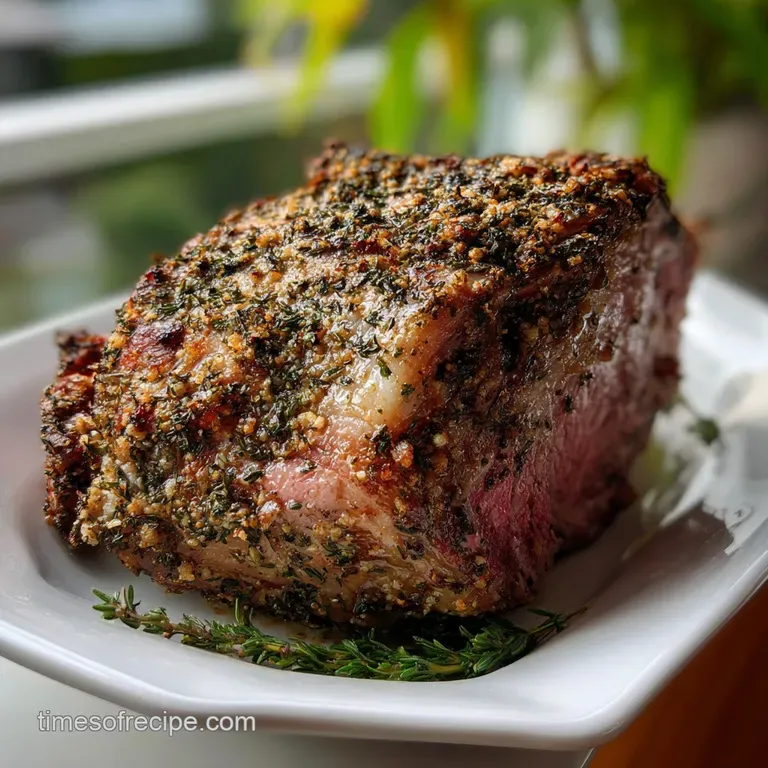
Choosing the right tools and ingredients is half the battle, especially when dealing with such an investment piece. You need to read the label when you buy this majestic cut.
Selecting the Ideal Cut: Bone-In vs. Boneless Considerations
Bone-in is always superior, in my opinion. The bones insulate the meat right next to them, protecting that section from overcooking, resulting in a slightly more tender core section.
If you buy boneless, you must tie it tightly to maintain shape, or it will sprawl out like a sad steak while cooking instead of holding that perfect cylindrical shape of a wonderful Rib Roast .
Formulating the Signature Rub: Herb Ratios and Curing Agents
The trick to the rub is textural contrast. You want finely chopped herbs, but you need coarse salt to draw moisture out initially during the dry brine. Mixing the minced garlic and herbs with Dijon creates an almost paint like consistency that sticks through the long bake.
Temperature Tool Checklist: Essential Gear for Precision Cooking Success
Look, if you don't own a reliable digital probe thermometer, stop reading and go buy one right now; you need one to properly gauge the internal temperature of your roast. Guessing will cost you more in the long run than the $20 thermometer will.
I’m serious, relying on the oven dial for a recipe of this stature is just asking for trouble.
Calculating The Proper Weight: How Much Roast Per Guest?
A good rule of thumb for a standing Prime Rib Roast is about 1/2 to 3/4 pound per person if bone-in, or slightly less if boneless. If you ordered a 6 pound roast, that usually yields 4 generous servings or 6 moderate ones.
When checking prime rib roast costco prices, remember you are paying for that bone weight, too.
The Definitive Low and Slow Workflow (Reverse Sear Method)
Let’s get this show on the road. Remember, this entire process is designed to preserve moisture before we commit to building that unforgettable crust in the final moments.
Phase One: The Gentle Warming and Initial Seasoning Prep
The overnight dry brine is mandatory; if you skip it, you’ve thrown away half the potential flavour bomb this roast can be. Patting it dry with towels until it feels almost tacky prepares the surface to accept the flavour and actually sear later in the prime rib roast in oven rather than just steaming itself into oblivion.
Phase Two: Mastering the Cook Cycle and Target Internal Temperatures
You must pull this roast out of the oven when it is approximately 15 degrees shy of your goal, maybe even 20 degrees if it’s a huge cut. For that perfect medium rare (130°F), you are aiming to remove it around 110°F to 115°F.
This slow cook phase in the low prime rib roast oven temperature environment is where the magic subtly happens.
Executing the over High heat Finish: Achieving that Irresistible Golden Exterior
Once the internal temp looks right, crank the heat way up think 475°F. This is purely cosmetic but oh-so-important it creates that deeply flavoured, crunchy shell that contrasts beautifully with the yielding interior. Listen for that low, aggressive sizzle; that sound means you’re succeeding.
The Non-Negotiable Step: Resting the Roast for Maximum Juiciness
After searing, you have to rest it again, but for less time this second round (maybe 10- 15 minutes). During the resting period, make your au jus or quickly steam some veggies I highly recommend pairing this with my Creamed Onions Recipe: Velvety British Pearl Onions for Sunday Roast ; the creaminess cuts through the rich meat perfectly.
Troubleshooting Guide: Avoiding Common Pitfalls When Cooking Prime Rib
So many things can go wrong if you rush or ignore your thermometer readings, leading to a tragic waste of expensive beef. Here are the top three offenders I’ve personally battled over the years.
The Most Frequent Temperature Reading Errors and How to Correct Them
The #1 mistake I see people make when looking up prime rib roast near me tutorials is inserting the probe directly into a bone or too close to the edge of the roast. The bone conducts heat differently, and the edge is thinner, meaning your reading will be falsely high.
Always aim for the centre of the thickest muscle mass, angled away from any bone structure.
When to Abandon the Recipe Timing Chart Based on Actual Results
If your recipe says 3. 5 hours but you hit the target temp at 2 hours 45 minutes, pull it! If it takes 4 hours 10 minutes, let it ride.
Charts are merely guidelines for calculating rough prime rib roast cooking time ; your unique oven calibration and the exact starting temperature of the meat dictate the reality.
Optimal Cold Storage Duration for Slices and Cubes
Once sliced, this roast is best consumed within 3 days when tightly wrapped in plastic wrap and then foil. The flavour dulls surprisingly fast once exposed to air, even when refrigerated.
The Best Method for Freezing for Future Festive Feasts
If you must freeze leftovers, slice them, layer them between sheets of parchment paper, place them in a sturdy freezer bag, press out ALL the air, and freeze immediately. It keeps beautifully for up to three months this way before texture starts to suffer.
Creating a Rich Pan Dripping Reduction from Scratch
Do not waste those drippings! After removing the roast, scrape up all those brown, glorious bits (the fond) from the bottom of the pan. Deglaze with a splash of broth or wine while the pan is still warm, scraping vigorously.
Reduce that liquid down on the stovetop until it coats the back of a spoon richly for an incredible, no-fuss jus.
Elevating the Experience: Recommended Accompaniments and Au Jus Mastery
A magnificent Rib Roast deserves sides that aren't fillers but worthy partners for such a noble cut of meat.
Wine & Condiment Pairings That Complement This Majestic Cut
For wine, think bold structure. A robust Cabernet Sauvignon is classic because its tannins cut through the richness beautifully. Always serve with a potent, freshly grated horseradish cream that horseradish kick is the perfect palate cleanser for every fatty bite.
So there you have it. This isn't just dinner; it’s an achievement. Follow the low and slow philosophy, trust your thermometer over the clock, and you will proudly serve the most tender, flavourful Prime Rib Roast your friends and family have ever encountered. Happy cooking!
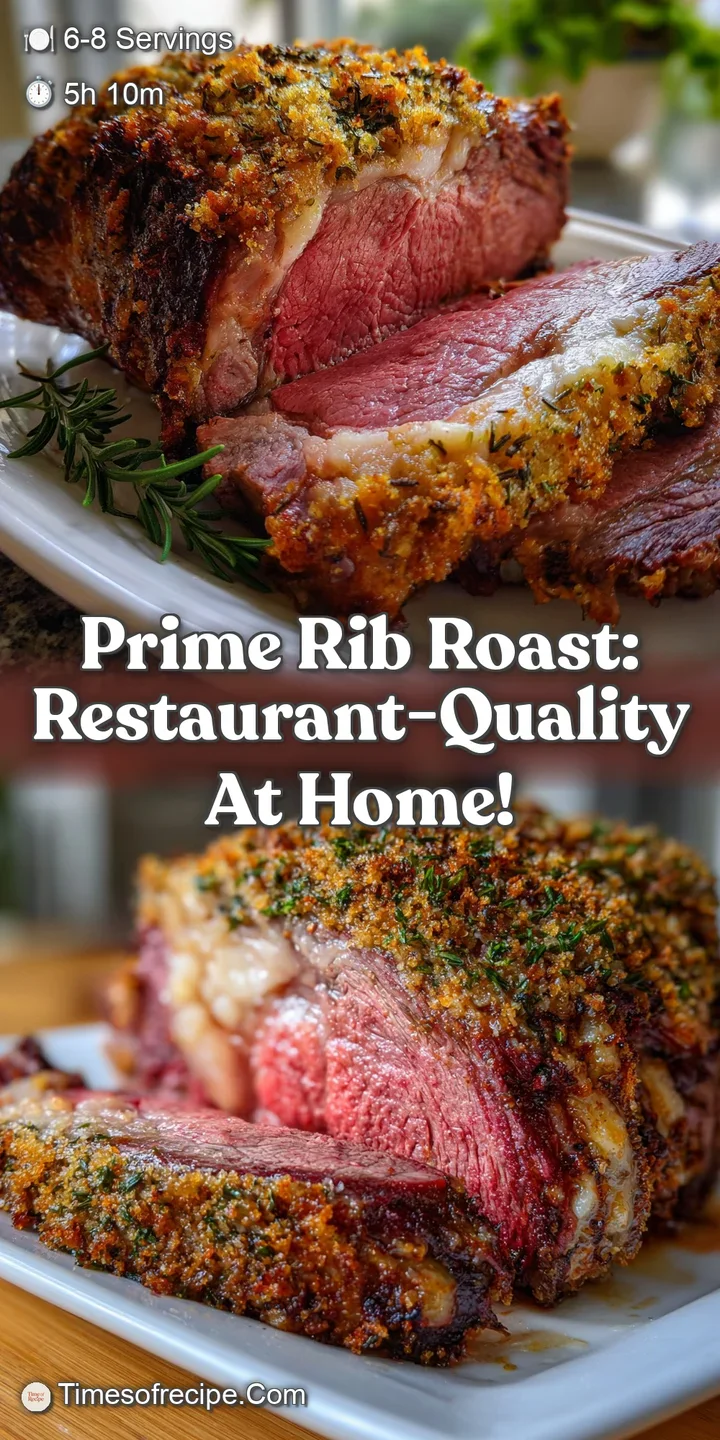
Recipe FAQs
What is the ideal target internal temperature for a Medium Rare Prime Rib?
For a perfect Medium Rare finish, you must remove the roast from the low heat when the thermometer reads between 115°F and 120°F. Due to significant carryover cooking during the resting phase, the temperature will rise another 5 to 10 degrees while it sits before slicing.
Always use a reliable meat thermometer inserted into the deepest part of the center, avoiding bone contact.
Why is my Prime Rib consistently dry despite careful temperature monitoring?
The most common cause of dryness, even with proper initial cooking, is skipping or shortening the essential resting period after the final sear. Resting the roast, loosely tented, for at least 20 minutes allows the internal juices time to redistribute, ensuring maximum tenderness and moisture retention.
Ensure you are pulling the roast based on internal temperature, not just time.
What is the primary advantage of using the Reverse Sear method?
The Reverse Sear method ensures the roast cooks very evenly from edge to edge, virtually eliminating the "gray band" of overcooked meat just beneath the exterior. The long, slow cooking time allows connective tissues to tenderize gently before the quick, high heat sear locks in texture and creates a superb crust.
How should I properly store leftover Prime Rib roast?
For short term keeping, thinly slice the leftover roast against the grain and store it in an airtight container in the refrigerator for up to four days. If freezing, first wrap individual slices tightly in plastic wrap or aluminum foil, and then place them inside a heavy duty freezer bag for the best quality over several months.
Can I substitute the butter herb crust mixture with other seasonings?
Absolutely; the herb crust is highly adaptable based on your taste preferences or dietary needs. You can easily substitute the herbs with dry spice rubs featuring smoked paprika, chili powder, or just plain kosher salt and cracked black pepper for a simpler flavor profile.
The key is ensuring the rub adheres well before the slow cooking process begins.
Do I need to trim the fat cap before roasting the Prime Rib?
It is generally advised to leave most of the fat cap intact, typically scoring it only lightly, as this layer protects the meat during the long, slow cook time. The rendered fat bastes the roast from the outside in, adding exceptional flavor and helping to lock in moisture.
You may carefully remove any overly thick, hard pieces of silverskin, but leave the majority of the marbling.
Herb Crusted Prime Rib Roast
Ingredients:
Instructions:
Nutrition Facts:
| Calories | 2170 kcal |
|---|---|
| Protein | 117.3 g |
| Fat | 177.6 g |
| Carbs | 19.0 g |
