Bariatric Seed Recipe: High-Protein Mini-Pot Chia Flax Pudding

- Fueling the Journey: Why This Bariatric Seed Recipe is a Must-Try
- The Science of Satiety: How Chia and Flax Deliver Maximum Fuel
- Essential Building Blocks: Ingredients for the Mighty Mini-Pot
- Preparing Your Power Fuel: Step-by-Step Guide to the Best Bariatric Seed Pudding
- Troubleshooting and Flavor Mastery: Expert Tips for Perfect Pudding
- Meal Prep Power: Storing and Scaling This Bariatric Seed Recipe
- Maximizing Your Mini-Pot: Smart Serving Suggestions for Bariatric Patients
- Recipe FAQs
- 📝 Recipe Card
Fueling the Journey: Why This Bariatric Seed Recipe is a Must Try
This pudding is seriously my secret weapon, especially when I’m short on time. It smells like a creamy cinnamon roll right out of the fridge. Seriously, the final texture is smooth, dense, and incredibly satisfying, which is exactly what we need when portion control is key.
Post-op life is tough, and constantly measuring every little thing can be exhausting. This "Mighty Mini Pot" is pure nutritional insurance: fast, cheap, and loaded with the protein and fiber your new stomach craves. It’s truly a lifesaver for those hectic mornings or when you hit that mid-afternoon energy slump.
Forget those gritty protein shakes that taste like chalky gym socks. We are going to master the science of seed gelling and create a delicious, high ranking bariatric fuel that tastes like dessert. Let’s crack on and make your meal prep simple, effective, and actually enjoyable.
The Science of Satiety: How Chia and Flax Deliver Maximum Fuel
The Bariatric Challenge: Why Every Bite Must Be Nutrient Dense
Look, we have limited space, right? That means every spoonful must pull its weight. This bariatric seed recipe isn't just about reducing calories; it's about maximizing protein and fiber in a small, gentle package.
We are specifically choosing ingredients that swell dramatically, helping us feel full and satisfied for hours.
Effortless Weight Management: The Prep Ahead Advantage
The biggest struggle with managing weight post surgery is consistency and availability. This recipe shines because you make four or five servings on Sunday, and they are ready to grab and go every single morning. No decision fatigue, no excuses.
This simple approach truly supports your journey toward weight loss, giving you reliable, pre-portioned control.
Achieving Thickness: Understanding the Gelling Mechanism of Chia
Chia seeds are amazing little sponges; they absorb up to 12 times their weight in liquid! When they soak, they create a hydrophilic gel, turning thin milk into thick, spoonable pudding. This gelling action is the core reason this bariatric seed recipe for weight loss works so well, delivering that satisfying density.
Protein Content Check: Optimizing the Mix for Smaller Stomachs
The biggest nutritional hurdle for bariatric patients is hitting those high protein targets. We incorporate a significant amount of whey protein isolate directly into the liquid base before the seeds go in.
This ensures every half cup serving delivers 25+ grams of protein, making it a perfect protein first meal.
Gentle Digestion: Ensuring Smooth Transit Post Surgery
Ground flaxseed is crucial here because it provides gentle fiber that aids in smooth digestion. Chia and flax work together to keep things moving comfortably, which can sometimes be a challenge immediately following surgery. Plus, the combination offers those essential Omega-3 fatty acids we all need.
Essential Building Blocks: Ingredients for the Mighty Mini Pot
Comparing Seeds: Chia vs. Flax for Post-Op Nutrition
Chia seeds provide the bulk and the texture, giving us that lovely pudding consistency. Ground flaxseed meal, however, is a powerhouse of fiber and lignans, essential for gut health.
Do not use whole flax seeds , as your body struggles to break down their hard outer shell, meaning you lose the nutritional benefit.
Choosing Your Liquid Base: Dairy, Nut, or Protein Milk?
I always recommend unsweetened almond milk because it’s low in calories and carbs, and its neutral flavor doesn't compete with the vanilla and cinnamon. If you can tolerate dairy, using a protein fortified skim milk is an excellent option to bump the protein even higher. Keep it low-sugar, whatever you choose.
Sweetener Strategy: Zero Calorie Options and Flavoring Extracts
I use Stevia drops or Monk Fruit packets because they dissolve instantly and leave virtually no aftertaste. Vanilla extract is your best friend here. It tricks your brain into thinking this is a much sweeter treat than it actually is, adding depth without any hidden sugars.
Substitution Guide: Adapting the Recipe for Allergies
| Ingredient | My Recommendation | Substitution |
|---|---|---|
| Whey Protein Isolate | Vanilla or Unflavored | Casein Powder (add 1/4 cup extra liquid) or Unflavored Pea Protein |
| Almond Milk | Unsweetened | Soy Milk or Protein Fortified Dairy Milk |
| Ground Flaxseed | Freshly Ground | Hemp Hearts (Note: Adjust liquid down slightly) |
| Chia Seeds | Black or White | None essential for the Bariatric Seed Recipe texture |
Preparing Your Power Fuel: step-by-step Guide to the Best Bariatric Seed Pudding

The Initial Blend: Combining Dry Ingredients Perfectly
First, get your liquid base set up in a big bowl or a large shaker. Add the cinnamon, vanilla extract, and your zero calorie sweetener right away. Whisk that mixture well until you are sure the sweetener has fully dissolved.
Integration is Key: Adding Protein Powder Smoothly
This step separates the pros from the lumps. You must add the protein powder slowly, sprinkling it over the liquid while you are continuously whisking. Don't dump it all in at once!
I learned that the hard way trying to rush one morning I ended up with a brick of vanilla powder cemented to the bottom of the bowl.
Activation and Rest: The Critical Overnight Soaking Phase
Once the mixture is totally smooth (like a thin shake), gently fold in your chia seeds and the ground flaxseed meal using a spatula. Let it rest on the counter for five minutes, then give it one final, strong stir to make sure no seeds settle and clump together.
Now you can portion it into your tiny grab and go pots and send them to the fridge for their overnight spa treatment.
Adjusting Consistency: Achieving the Ideal "Mini Pot" Texture
The minimum chill time is four hours, but honestly, overnight is best. When you open the pot in the morning, it should be thick, but still spoonable. If it looks like concrete (sometimes protein powder variability does this), simply stir in a splash of extra milk until it reaches that perfect, creamy density.
Troubleshooting and Flavor Mastery: Expert Tips for Perfect Pudding
Avoiding the "Slime": Ensuring Proper Hydration Ratios
If your pudding is tasting weirdly slimy instead of smooth, you likely didn't stir it correctly in that first five minutes. That brief, initial rest is critical for the seeds to start absorbing liquid without clumping into a messy layer on the bottom of the bowl. Stir once, wait five minutes, stir twice.
Trust me on this little ritual.
Fixing a Too-Thick Batch: Rehydrating the Seeds
Did you wake up to a pudding that’s too firm? No stress! This happens if your protein powder was super absorbent or you accidentally mismeasured the milk. Simply add 1 2 tablespoons of your chosen liquid base to the individual pot and stir it in vigorously right before eating. It will soften beautifully.
Spice Combinations: Elevating Flavor Without Added Calories
The beauty of the bariatric seed recipe is how adaptable it is to spice. Try swapping the cinnamon for a pinch of cardamom and orange zest for a bright morning twist. For a seasonal treat, use 1/2 teaspoon of pumpkin pie spice blend it makes the pudding feel incredibly decadent without adding any unnecessary carbs.
Chef's Note: For bariatric patients, always prioritize liquid (non-caloric) hydration before solid food. If you are struggling with intake, the smooth, chilled texture of this pudding often goes down easier than traditional breakfast items.
Meal Prep Power: Storing and Scaling This Bariatric Seed Recipe
Refrigeration Lifespan: How Long Does the Pudding Last?
Because we are using high-quality protein powder and pasteurized milk, this pudding stores beautifully. It will last 4 to 5 days safely in the refrigerator when kept in tightly sealed containers. Just remember to use containers that are exactly the right portion size so you aren't guessing.
Scaling Up: Batch Prep Calculations for the Week
I usually scale this recipe to make 8 servings at once, especially if I know the week ahead is going to be crazy busy. To double the recipe, simply double all ingredients exactly. The mixing time remains the same, but I highly recommend using the largest mixing bowl you own to ensure you can whisk the protein thoroughly.
Protein Layering: Adding Low-Sugar Yogurt or Protein Powder
Sometimes you just need an extra boost. I love to layer this pudding with a dollop of high protein, low-sugar Greek yogurt right before serving. It adds a delicious tangy contrast. If you are looking for another cold, easy, protein sparing treat, sometimes I also make a batch of Jello Jigglers: The Extra Firm Classic Party Gelatin Recipe to keep in the fridge alongside these mini pots.
Maximizing Your Mini Pot: Smart Serving Suggestions for Bariatric Patients
Avoiding Texture Overload: Keeping Toppings Simple
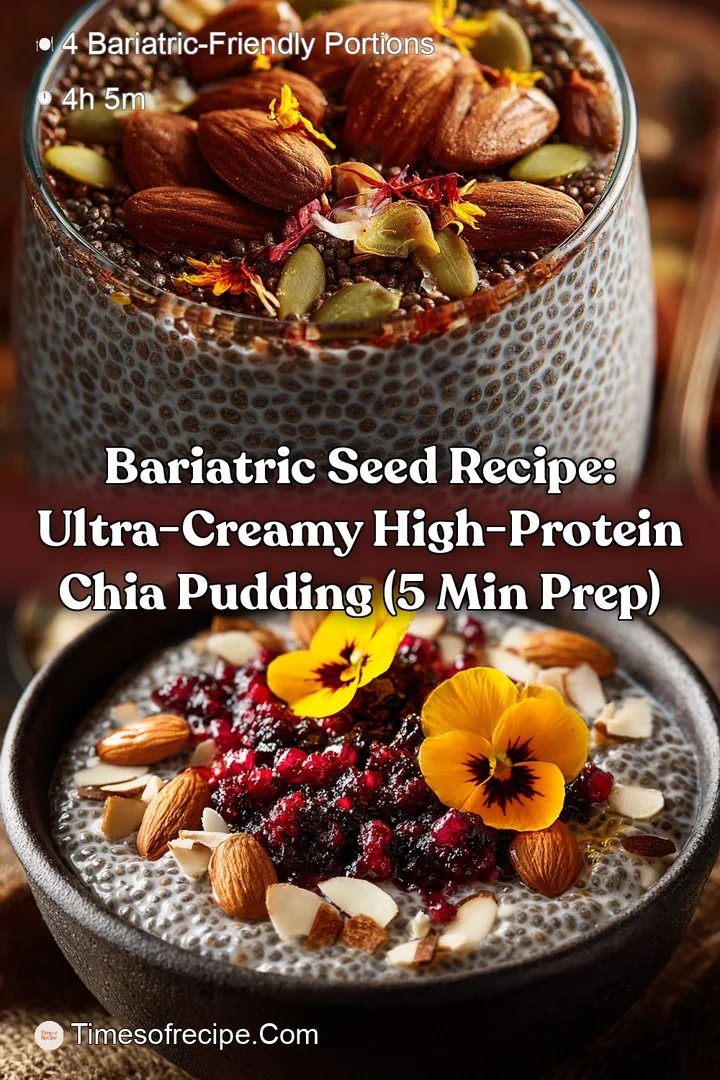
Remember your limited stomach capacity. The seeds already provide tons of fiber and bulk. Stick to soft, easily digestible toppings. A few thawed raspberries or blueberries are perfect.
The Drizzle Strategy: Controlled Fats
If you crave that rich, nutty flavor, use a controlled drizzle. Half a teaspoon of all-natural, smooth almond butter stirred on top is usually enough flavor without overdoing the fat content. Make sure you chew it very thoroughly!
Texture Contrast: Soft Fruit Compote
A tablespoon of unsweetened applesauce or a spoonful of pureed, stewed rhubarb makes a wonderful, soft contrast to the dense pudding. This is a great way to add flavor complexity without risking blockages from tough, fibrous fresh fruit pieces.
Recipe FAQs
How can I increase the protein content further without changing the flavor much?
To boost protein, ensure you are using a high-quality, zero sugar protein shake as your liquid base rather than just plain water or nut milk. For an even higher boost, mix 1-2 tablespoons of unflavored collagen or protein powder directly into the dry ingredients before adding the liquid to ensure it dissolves smoothly without clumping.
Why is my seed pudding too runny, and how can I fix the consistency?
If the pudding is too runny, it likely needs more soaking time or a slightly higher ratio of seeds. Add an extra half teaspoon of chia seeds to the mixture, stir well, and let it rest for another 30 minutes in the refrigerator.
Conversely, if it is too thick, simply add a splash (1-2 teaspoons) of your chosen liquid and stir vigorously until the desired creaminess is achieved.
My pudding feels gritty or lumpy. What did I do wrong during preparation?
Grittiness or lumpiness usually occurs when the seeds and flax meal clump together and do not hydrate evenly. Ensure you stir the mixture very well for the first minute after adding the liquid, then stir again 5-10 minutes later to prevent the heavy seeds from settling at the bottom.
The flax meal must also be very finely ground for the smoothest texture.
How long does this High Protein Seed Pudding last, and can I freeze it?
Properly stored in small, airtight containers, this seed pudding remains fresh and safe to eat for up to 4 to 5 days in the refrigerator, making it excellent for meal prepping. Freezing is not recommended, as the delicate texture of the seeds changes significantly upon thawing, often becoming watery and separated.
Can I use natural sweeteners like honey or maple syrup instead of zero calorie options?
While natural sweeteners are technically possible, they contain high amounts of concentrated sugar which is often restricted for bariatric patients, particularly in early phases. It is highly recommended to stick to Stevia, Monk Fruit, or Erythritol, focusing on managing sugar intake to prevent potential dumping syndrome.
Consult your surgical dietitian before introducing caloric sweeteners.
Is this pudding safe to eat if I am sensitive to high fiber foods?
Chia and flax seeds are gentle sources of fiber, but high volume can still cause discomfort for sensitive stomachs. Start with a very small portion (1/4 to 1/2 cup) and ensure you are maintaining excellent hydration throughout the day, as fiber requires adequate water to aid digestion and prevent bloating or constipation.
Can I swap the vanilla extract for other flavorings?
Absolutely, flavor variations are highly encouraged to prevent palate fatigue. You can substitute vanilla with half a teaspoon of almond extract, a small dash of pure peppermint extract, or a pinch of pumpkin pie spice for seasonal variety.
Just be mindful of the liquid measurements to maintain the proper seed-to-liquid ratio for thickness.
High Protein Bariatric Seed Recipe

Ingredients:
Instructions:
Nutrition Facts:
| Calories | 395 kcal |
|---|---|
| Protein | 27.1 g |
| Fat | 18.4 g |
| Carbs | 30.9 g |
