Cinnamon Roll Cake: Velvety and Swirled
- Time: Active 15 minutes, Passive 35 minutes, Total 50 minutes
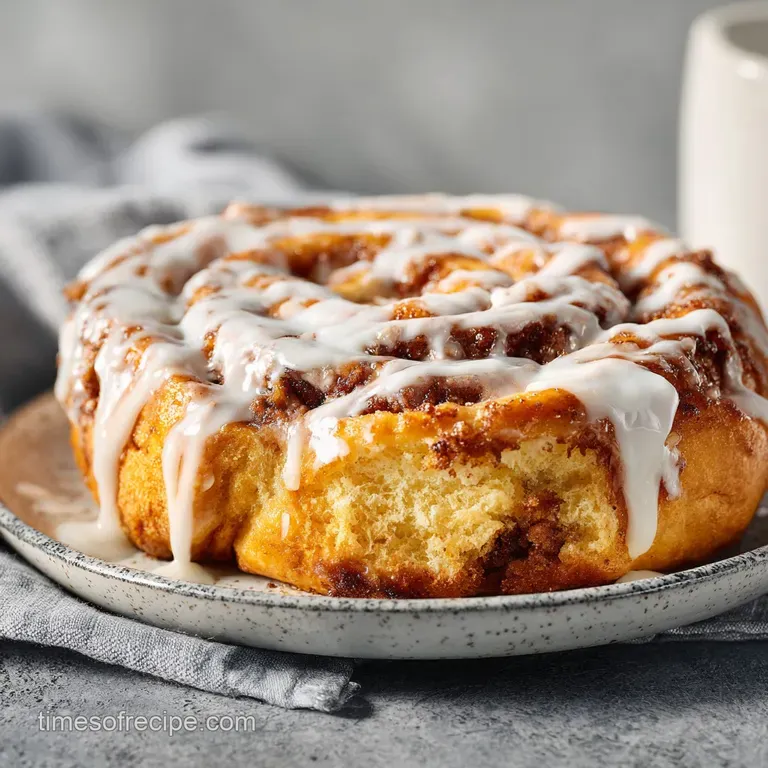
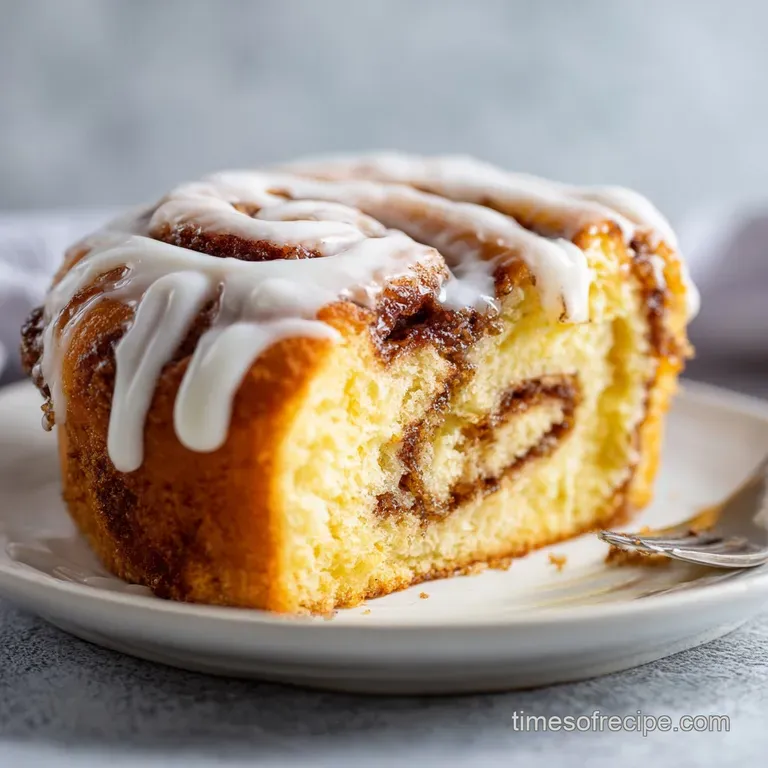
- Flavor/Texture Hook: A buttery, mahogany cinnamon swirl layered within a velvety, vanilla scented ivory crumb.
- Perfect for: Lazy Sunday mornings, brunch gatherings, or when you need a high impact breakfast without the yeast based labor.
- The Secrets of Cinnamon Roll Cake
- Essential Baking Times and Specs
- Why This Recipe Works
- Ingredient Science and Component Analysis
- Ingredients and Smart Substitutes
- Necessary Tools for Better Baking
- Mastering the Marble Swirl Process
- Troubleshooting Swirl and Texture Issues
- Creative Variations and Smart Swaps
- Debunking Baking Myths
- Storage and Zero Waste Guidelines
- Morning Rituals and Serving Ideas
- Recipe FAQs
- 📝 Recipe Card
The Secrets of Cinnamon Roll Cake
You have likely been told that to achieve that specific, pull apart magic of a cinnamon roll, you absolutely must mess around with yeast, proofing drawers, and hours of waiting. I used to believe that too.
I spent years thinking that a "cake" version would just be a dry, crumbly disappointment that lacked the soul of the original. But then I realized the secret isn't in the rise; it is in the fat distribution and the way the sugar interacts with the crumb during the bake.
The first time I pulled this specific version out of the oven, the aroma was so thick it felt like a warm blanket. The way the cinnamon and brown sugar had bubbled up and then settled into deep, dark rivulets across the pale ivory batter was breathtaking. It didn't just smell like breakfast; it smelled like a ritual.
This isn't just a quick fix; it is a calculated method to get that gooey, buttery center in every single bite without ever touching a rolling pin.
We are going to move away from the idea that "quick" means "lesser." By using a high volume of sour cream and a specific method of folding in melted butter, we create a structure that mimics the chew of a dough while keeping the lightness of a sponge. Forget everything you know about dry coffee cakes.
We are building something far more decadent here, and it all starts with understanding how these layers stay separate yet cohesive.
Essential Baking Times and Specs
Before we get our hands into the flour, we need to look at the logistical blueprint of this bake. Precision in timing is what prevents a gummy center or a dry edge. We are aiming for a specific window where the sugars have caramelized in the swirl but the crumb remains moist and tender.
I have found that the transition from stovetop style prep to oven execution is where most people lose their way. While some might try to "fry" a version of this in a skillet, the oven provides the consistent, dry heat necessary for the baking powder to do its heavy lifting.
Below is a quick comparison of why we stick to the 9x13 pan for this particular morning ritual.
| Method | Time | Texture | Best For |
|---|---|---|---|
| Oven Bake | 35 minutes | Velvety crumb with crisp sugar edges | Large groups and consistent texture |
| Stovetop (Skillet) | 25 minutes | Denser, more pancake like structure | Single servings or small batches |
| Slow Cooker | 3 hours | Very moist, almost pudding like | Hands off prep for late brunches |
It is also vital to keep your eyes on the internal progress. Here are the three numeric checkpoints I live by to ensure the bake is tracking perfectly toward that 35 minutes finish line:
- 350°F (175°C): Your oven must be fully calibrated. A spike in heat will burn the sugar swirl before the interior sets.
- 35 minutes: This is the sweet spot. At 30 minutes, it might still be jiggly; at 40, you are risking a dry crumb.
- 15 minutes: This is the mandatory cooling window. If you glaze it immediately, the icing will vanish into the heat.
Why This Recipe Works
This cake succeeds because it balances chemical leavening with high fat moisture carriers. We aren't just making a batter; we are creating a suspension system for that heavy cinnamon swirl.
- Lactic Acid Activation: The sour cream provides a specific acidity that reacts instantly with the 4 teaspoons of baking powder, creating immediate lift before the heat even hits.
- Fat Suspension: By folding the melted butter in last, we coat the flour proteins, which limits gluten development and results in a "shatter on-the tongue" tenderness.
- Sugar Density Management: Adding 2 tablespoons of flour to the cinnamon swirl prevents the brown sugar and butter from simply sinking to the bottom of the pan.
- Thermal Delay: The heavy cream in the glaze acts as a thermal buffer, allowing the icing to set into a thick, opaque layer rather than a clear, sugary liquid.
| Servings | Ingredient Adjustments | Pan Size | Cook Time |
|---|---|---|---|
| 6 People | Halve all quantities exactly | 8x8 inch square | 28-30 minutes |
| 12 People | Use full Schema quantities | 9x13 inch rectangle | 35 minutes |
| 24 People | Double quantities, two pans | Two 9x13 inch pans | 35-38 minutes |
When you double this for a larger crowd, remember that you shouldn't just throw everything into one giant vat. Work in batches to ensure the melted butter is incorporated evenly. Over mixing a double batch is the fastest way to turn a fluffy cake into a rubbery brick.
Ingredient Science and Component Analysis
The magic of the Cinnamon Roll Cake lies in the quality and function of each component. We aren't just using "standard" pantry staples; we are looking for specific interactions. For instance, using pure vanilla extract versus an imitation version changes the aromatic profile entirely once the heat hits that brown sugar swirl.
In a similar vein, the choice of milk matters. While you can use lower fat options, the whole milk provides the structural integrity needed to support the eggs and sour cream. If you’ve ever enjoyed a Peaches and Cream Cake, you know how important that dairy fat is for creating a silky mouthfeel.
| Ingredient | Science Role | Pro Secret |
|---|---|---|
| Sour Cream | Softens gluten and adds tang | Use full fat for a "velvety" texture that lasts for days |
| Baking Powder | Provides vertical lift | Ensure it is fresh; it provides 100% of the rise here |
| Cinnamon | Flavor and color depth | Use Saigon cinnamon for a more "red hot" spice profile |
| Vanilla Bean Paste | Visual and flavor punch | The tiny seeds indicate a high end, artisanal bake |
Each of these elements works in tandem. The salt might seem like a small addition at 0.5 teaspoons, but without it, the 1.5 cups of granulated sugar would taste one dimensional. The salt sharpens the edges of the sweetness, making the cinnamon pop.
Ingredients and Smart Substitutes
When gathering your supplies for this recipe, aim for room temperature eggs and milk. Cold ingredients can cause the melted butter to seize up, creating small "beads" of fat rather than a smooth, emulsified batter. This is a common mistake that leads to an uneven crumb.
- 3 cups all purpose flour: The structural backbone.
- 1.5 cups granulated sugar: For sweetness and moisture retention.
- 4 tsp baking powder: Our primary leavening agent.
- 0.5 tsp salt: To balance the richness.
- 2 large eggs: Room temperature is best for volume.
- 1.5 cups whole milk: Provides hydration and fat.
- 0.5 cup sour cream: Adds moisture and a slight tang. Why this? Breaks down gluten for a more tender, cake like bite.
- 2 tsp pure vanilla extract: For that classic bakery aroma.
- 0.5 cup unsalted butter: Melted and cooled slightly.
- 1 cup unsalted butter: Softened (for the swirl).
- 1 cup light brown sugar: Packed tight for caramel notes.
- 2 tbsp all purpose flour: (For the swirl) Why this? Prevents the cinnamon butter from sinking to the pan bottom.
- 1.5 tbsp ground cinnamon: The star of the show.
- 2 cups powdered sugar: For the final finish.
- 4 tbsp heavy cream: Creates a rich, opaque glaze.
- 1 tsp vanilla bean paste: For those beautiful black speckles.
| Original Ingredient | Substitute | Why It Works |
|---|---|---|
| Sour Cream | Greek Yogurt (Full Fat) | Similar acidity and fat content. Note: Results in a slightly tangier cake. |
| Whole Milk | Oat Milk (Full Fat) | High protein and fat content. Note: Adds a subtle nutty flavor. |
| Light Brown Sugar | Dark Brown Sugar | More molasses. Note: Creates a much darker, richer swirl. |
Substituting ingredients in a bake like this can be tricky. If you use a lower fat dairy option, you might find the cake dries out faster. I always suggest sticking to the full fat versions for the best "morning ritual" experience.
Trust me, your future self will thank you when you’re eating a leftovers slice two days later.
Necessary Tools for Better Baking
You don't need a high end laboratory to make this, but a few specific tools will make the process much smoother. While a hand mixer works, a large whisk and a bit of elbow grease are often enough for the base batter. The goal is to avoid over aerating the eggs, which can lead to a "tunneling" effect inside the cake.
Chef's Tip: Use a light colored metal baking pan if you have one. Dark pans absorb more heat and can cause the edges of the sugar swirl to scorch before the middle of the cake is done.
If you are a fan of traditional textures, you might find that using a glass pan requires an extra 5 minutes of baking time because glass takes longer to heat up than metal. However, glass is excellent for seeing those beautiful mahogany swirls through the side of the dish.
Mastering the Marble Swirl Process
This is where the magic happens. The way you integrate the cinnamon mixture into the batter determines whether you get a muddy brown cake or a beautiful, marbleized masterpiece. Follow these steps exactly to ensure your Cinnamon Roll Cake looks as good as it tastes.
- Preheat and Prep: Set your oven to 350°F (175°C) and grease that 9x13 inch pan thoroughly.
- Combine Drys: Whisk the 3 cups of flour, granulated sugar, baking powder, and salt in a massive bowl.
- Incorporate Liquids: Gradually whisk in the milk, eggs, sour cream, and vanilla extract. Stop as soon as it is smooth.
- The Butter Fold: Gently fold in the melted butter until the batter looks pale ivory and thick.
- Mix the Swirl: In a separate bowl, cream the 1 cup softened butter, brown sugar, 2 tbsp flour, and cinnamon. Note: It should be a thick paste.
- The Layering: Pour the base batter into the pan. Drop spoonfuls of the cinnamon paste evenly across the surface.
- The Technique: Use a knife to swirl in a figure eight pattern. Don't over swirl or the colors will blend into one dull brown.
- Bake: Slide it into the center rack for 35 minutes until golden and the center is set.
- Cooling Phase: Remove from the oven and let it sit for exactly 15 minutes.
- The Glaze: Whisk the powdered sugar, heavy cream, and vanilla bean paste. Drizzle it while the cake is still warm so it seeps into the cracks.
The "figure eight" motion is critical. If you just stir in circles, the cinnamon mixture stays on top. By doing an "eight," you are pulling the cinnamon down into the middle of the batter while also spreading it horizontally. This ensures every bite has that distinct "roll" flavor profile.
Troubleshooting Swirl and Texture Issues
Even the best of us have bad baking days. Maybe your oven was running hot, or perhaps your baking powder was sitting in the pantry since the last decade. If things go wrong, don't panic. Most "failures" in this recipe are still delicious, they just might not look like the photo.
One common issue is the "disappearing glaze." If you pour your icing on a cake that is straight out of the oven, the heat will break the sugar structure and turn it into a clear syrup.
Waiting those 15 minutes allows the surface temperature to drop just enough that the heavy cream can hold its white, opaque color.
Why does my cinnamon swirl always sink to the bottom?
This usually happens if the swirl mixture is too heavy or if the base batter is too thin. Ensure you included the 2 tablespoons of flour in the cinnamon mix it acts as a "glue" to help it cling to the batter. Also, avoid over melting the swirl butter; it should be softened, not liquid.
| Problem | Root Cause | Solution |
|---|---|---|
| Dry Crumb | Overbaked or too little fat | Reduce bake time by 3 mins; check oven temp with a thermometer. |
| Gritty Swirl | Sugar didn't dissolve | Cream the butter and brown sugar longer before adding to the cake. |
| Sinking Middle | Undercooked or expired leavening | Test with a toothpick; replace baking powder every 6 months. |
Common Mistakes Checklist
- ✓ Check the expiration date on your baking powder (it's the only thing making this rise!).
- ✓ Ensure eggs are at room temperature to prevent the melted butter from clumping.
- ✓ Don't over mix once the flour hits the wet ingredients; you want a tender crumb, not bread.
- ✓ Wait the full 15 minutes before glazing, or your beautiful icing will vanish.
- ✓ Measure your flour by spooning it into the cup rather than scooping, which packs it down.
Creative Variations and Smart Swaps
Once you have mastered the basic Cinnamon Roll Cake, you can start getting creative. I’ve tried adding toasted pecans to the swirl for a "crunch" factor that reminds me of a Granny Cake. The nuts add a fatty, earthy element that cuts through the intense sweetness of the brown sugar.
If you are in a massive rush, you can actually use a box of yellow cake mix as your base. Just follow the package instructions but swap half the water for sour cream to keep that richness. It won't have the exact same velvety texture as our scratch version, but it works in a pinch for a fast morning ritual.
| If you want... | Do this... |
|---|---|
| Extra Crunch | Add 1/2 cup chopped pecans or walnuts to the cinnamon swirl. |
| A Tangy Kick | Replace the heavy cream in the glaze with 2 oz of softened cream cheese. |
| Warm Spice | Add a pinch of nutmeg and cardamom to the base batter. |
For those who want to go the "cream cheese frosting" route, simply beat 4 oz of cream cheese with 1 cup of powdered sugar and a splash of milk. It creates a much heavier, more traditional roll topping.
Personally, I prefer the lighter heavy cream glaze because it allows the cinnamon swirl to remain the star of the show.
Debunking Baking Myths
There is a long standing myth that you must cream the butter and sugar for 10 minutes to get a light cake. While that's true for some sponges, this recipe actually relies on the melted butter fold. We aren't looking for air bubbles; we are looking for fat coating protein.
This is what gives us that "pillowy" texture rather than a "fizzy" one.
Another myth is that "more cinnamon equals more flavor." If you go beyond the 1.5 tablespoons, the cinnamon can actually become astringent and dry out the swirl. Balance is key. The brown sugar needs enough space to caramelize without being overwhelmed by spice solids.
Finally, some people think you can't freeze a glazed cake. You absolutely can. The glaze will lose a bit of its shine, but the structural integrity of the cake remains perfect. In fact, some people argue that the flavors deepen after a night in the freezer.
Storage and Zero Waste Guidelines
If by some miracle you have leftovers, this cake stores beautifully. Because of the high fat content from the sour cream and butter, it stays moist much longer than a standard yellow cake. Keep it in an airtight container at room temperature for up to 3 days.
For longer storage, wrap individual slices in plastic wrap and then foil. They will stay fresh in the freezer for up to 3 months. When you're ready for a treat, just pop a slice in the microwave for 15-20 seconds. It will taste like it just came out of the oven, with the glaze melting slightly back into the crumb.
Zero Waste Tip: If you find yourself with a few dry edges, don't throw them away. Crumble them up and use them as a topping for vanilla ice cream, or toss them into a blender with milk and ice cream for the ultimate cinnamon roll milkshake.
You can even use dried out cubes of this cake to make a very decadent bread pudding.
Morning Rituals and Serving Ideas
Serving this cake is all about the presentation. I love to bring the entire 9x13 pan to the table while it is still radiating heat. There is something communal about everyone seeing those deep mahogany swirls before you start slicing. It sets the tone for a relaxed, indulgent morning.
Pair this with a very dark, bitter coffee to contrast the high sugar content. A sharp espresso or a French press brew works wonders here. If you are serving children, a cold glass of whole milk is the classic choice.
The way the cold milk interacts with the warm, cinnamon spiced cake is one of life’s simplest, most rewarding textures.
Ultimately, this recipe is about reclaiming your morning. It proves that you don't need to spend four hours waiting for dough to rise to enjoy the best flavors of a bakery. With a little science, a good figure eight swirl, and the right timing, you can create a masterpiece that rivals any traditional pastry.
Start your day right, embrace the sizzle of the oven, and enjoy every velvety bite.
Recipe FAQs
What is the most delicious cake in the world?
This is subjective, but many home cooks find this cinnamon roll cake superior. Its popularity comes from the contrast between the tender crumb and the rich, spiced swirl that mimics a classic bakery roll without the need for yeast proofing.
What does pouring heavy cream on cinnamon rolls do?
It creates a luxurious, pourable glaze that sets into a soft, creamy topping. Because the cake is warm when applied, the heavy cream helps emulsify the powdered sugar and vanilla bean paste into a smooth finish that adds significant moisture to every bite.
What is the 1234 cake rule?
It refers to the classic pound cake ratio of 1 cup butter, 2 cups sugar, 3 cups flour, and 4 eggs. While this specific recipe differs in ratios to achieve its signature cinnamon swirled texture, if you enjoyed mastering these structural ratios, you might appreciate the precision required for our Biscoff Coffee Cheesecake.
What's the best pan for cinnamon roll cake?
A standard 9x13 inch baking pan is ideal. This size provides enough surface area for the batter to rise evenly while allowing the cinnamon swirl mixture to distribute correctly during the 35-minute bake time.
How to prevent the cinnamon swirl from sinking to the bottom?
Drop the cinnamon mixture in small, even spoonfuls over the batter rather than dumping it in one place. Using a knife to create a figure eight pattern only halfway through the batter prevents the heavier sugar and butter mixture from settling at the bottom of the pan.
How to tell if the cake is perfectly baked?
Insert a toothpick into the center; it should come out clean. Additionally, look for the edges to turn golden brown and pull slightly away from the sides of the 9x13 inch pan.
How to avoid the glaze from melting into clear liquid?
Wait exactly 15 minutes before drizzling the glaze over the cake. If the cake is too hot, the heat will break down the sugar structure; cooling it slightly ensures the glaze remains opaque and creamy.
Homemade Cinnamon Roll Cake
Ingredients:
Instructions:
Nutrition Facts:
| Calories | 628 kcal |
|---|---|
| Protein | 5.3 g |
| Fat | 28.3 g |
| Carbs | 88.0 g |
| Fiber | 1.4 g |
| Sugar | 63.1 g |
| Sodium | 258 mg |
