Homemade Mayonnaise: Velvety & Tangy
- Time: Active 5 minutes, Passive 0 minutes, Total 5 minutes
- Flavor/Texture Hook: Silky, tangy, and incredibly buttery
- Perfect for: Bold sandwiches, creamy dips, and family cookouts
- Secrets to Bold Homemade Mayonnaise
- Why This Emulsion Stays Thick
- Component Analysis
- Essential Elements for Rich Flavor
- Tools for a Silky Texture
- Step-by-Step to Thick Spread
- Fixing Common Mayonnaise Mistakes
- Adjusting the Recipe Size
- Debunking Common Kitchen Myths
- Storage and Flavor Variations
- Serving and Presentation Ideas
- Homemade Mayonnaise FAQs
- 📝 Recipe Card
Secrets to Bold Homemade Mayonnaise
Imagine the sound of a sharp knife slicing through a crusty baguette - that satisfying shatter of the crust - followed by the thick, velvety smear of a spread that actually tastes like something. I remember the first time I ditched the plastic jar for a bowl of fresh ingredients.
My kitchen was filled with the bright, citrusy aroma of lemon and the sharp, earthy scent of Dijon. It was a revelation for our Sunday family lunches. store-bought stuff is fine in a pinch, but it lacks the soul and the hearty, satisfying weight of a version made in your own kitchen.
We’ve all been there, standing over a broken, oily mess and wondering where it all went wrong. I once spent an entire afternoon trying to fix a batch that just wouldn't thicken, only to realize my egg was too cold.
That contrast between the frustration of a failed emulsion and the triumph of a thick, glossy peak is what makes cooking so addictive. This recipe is about that win. We're going for a bold, rich profile that stands up to the heaviest brisket or the most delicate garden tomato.
This isn't just a condiment; it's a building block for everything from a Beef Tenderloin Recipe crust to the most decadent Crab Dip Recipe. Trust me, once you see those ribbons of gold forming at the bottom of your jar, you’ll never look at the grocery store shelf the same way again. It’s simple, it’s fast, and it’s undeniably better. Let’s get into how we make this happen without the stress.
Why This Emulsion Stays Thick
The magic of this recipe lies in the science of emulsification, where we force two enemies - oil and water - to become best friends. Here is how we make that bond permanent and satisfyingly thick:
- Lecithin Bonding: Egg yolks contain lecithin, a powerful natural emulsifier that has one end attracted to water and the other to oil, acting as a molecular bridge.
- High Shear Force: Using a blender creates microscopic oil droplets that are small enough to be suspended in the lemon juice without merging back together.
- Protein Denaturation: The acid from the lemon juice slightly unfolds the proteins in the egg, allowing them to coat the oil droplets more effectively for a stable structure.
- Lipid Suspension: The slow introduction of oil ensures each drop is surrounded by the egg mixture before more is added, preventing the "break" that causes oiliness.
| Preparation Step | Exact Metric | Visual Cue | Role |
|---|---|---|---|
| Egg Temp | 70°F (Room Temp) | No condensation on shell | Promotes faster bonding |
| Blending Start | 20 seconds | Thick white cloud at base | Establishes the seed emulsion |
| Oil Stream | Pencil thin | Slow, steady flow | Prevents overwhelming the yolk |
Getting the temperature right is the biggest secret to success. A cold egg acts like a stubborn wall, refusing to let the oil in, while a room temperature yolk is welcoming and ready to transform. If you forget to take your egg out early, just soak it in a bowl of warm water for 5 minutes.
Component Analysis
| Ingredient | Science Role | Pro Secret |
|---|---|---|
| Egg Yolk | Primary Emulsifier | Use the freshest eggs for the strongest lecithin bond |
| Avocado Oil | Lipid Base | Use a neutral tasting version to avoid a bitter finish |
| Lemon Juice | Protein Stabilizer | Fresh juice provides better "tightening" than bottled versions |
| Dijon Mustard | Secondary Binder | Contains mucilage which helps prevent the mayo from separating |
This balance of fats and acids creates a flavor profile that is both bright and rich. The sugar might seem odd, but it works to mellow the sharp citrus notes.
Essential Elements for Rich Flavor
The beauty of this spread is in its simplicity, but because there are so few ingredients, each one has to pull its weight. We aren't looking for "light" or "subtle" here; we want bold, hearty flavors that satisfy the soul.
- 1 large Egg (50g), room temperature. Why this? The yolk is the engine of the entire emulsion process.
- Substitute: 2 tbsp Aquafaba (chickpea liquid) for a vegan version, though it will be less rich.
- 1 cup (240ml) Avocado oil. Why this? It's packed with healthy fats and has a clean, buttery finish.
- Substitute: Light olive oil (not extra virgin) works well, but adds a slightly peppery note.
- 1 tsp (5g) Dijon mustard. Why this? It adds a sophisticated tang and helps keep the oil suspended.
- Substitute: 0.5 tsp dry mustard powder for a sharper, more punchy heat.
- 1 tbsp (15ml) Fresh lemon juice. Why this? This provides the necessary acid to "cut" through the heavy fat.
- Substitute: White wine vinegar for a more traditional, sharp French profile.
- 0.5 tsp (3g) Fine sea salt. Why this? Salt is the megaphone that makes all the other flavors shout.
- Substitute: Himalayan pink salt for a slightly earthier, mineral finish.
- 0.25 tsp (1g) Sugar. Why this? It balances the acid, preventing the mayo from being too "sharp."
- Substitute: A drop of honey or agave nectar for a more natural sweetness.
Chef's Tip: Freeze your glass blending jar for 10 minutes before starting. Keeping the container cool helps the oil stay stable as the friction from the blender blades starts to generate heat.
Tools for a Silky Texture
While you can technically do this with a whisk and a lot of elbow grease, we’re all about efficiency and consistency. An immersion blender (also known as a stick blender) is the gold standard for this job.
It allows you to start the emulsion at the very bottom of the jar where the heavy egg sits, and slowly pull the oil in.
If you don't have a stick blender, a standard high speed blender works too, but you’ll need to be much more careful about drizzling the oil through the top hole in a slow, agonizingly thin stream.
A narrow jar is also key - if the jar is too wide, the blades can't create the necessary suction to pull the oil down into the yolk.
step-by-step to Thick Spread
- Prep the Egg: Crack 1 large Egg into the bottom of a tall, narrow glass jar. Note: Using a jar only slightly wider than the blender head ensures every drop of oil is caught.
- Add Acids: Pour in 1 tbsp (15ml) Fresh lemon juice and 1 tsp (5g) Dijon mustard.
- Season the Base: Add 0.5 tsp (3g) Fine sea salt and 0.25 tsp (1g) Sugar.
- Add Oil: Carefully pour 1 cup (240ml) Avocado oil on top of the other ingredients.
- Settle the Mix: Let the ingredients sit for 1 minute until the oil and egg are completely settled in layers.
- Position Blender: Place the immersion blender head at the very bottom of the jar, covering the egg yolk.
- Start the Pulse: Turn the blender on high and hold it perfectly still for 20 seconds until a thick white base forms at the bottom.
- The Slow Lift: Slowly tilt and lift the blender head upward until the remaining oil is fully incorporated and velvety.
- Finish the Blend: Move the blender up and down a few times to ensure a uniform, glossy texture.
- Taste Test: Use a clean spoon to taste; you might want an extra pinch of salt to make it really pop.
Fixing Common Mayonnaise Mistakes
Why Your Emulsion is Runny
If your mayo looks more like heavy cream than a thick spread, it usually means the oil was incorporated too quickly or the ingredients were too cold. This is the most common heartbreaker in the kitchen.
| Problem | Root Cause | Solution |
|---|---|---|
| Broken/Curdled | Oil added too fast | Whisk the broken mix slowly into a fresh room temp egg yolk |
| Bitter Aftertaste | High polyphenol oil | Use refined avocado or "light" olive oil next time |
| Too Salty | Measurement error | Whisk in 1 tsp of Greek yogurt to dilute the salt |
Common Mistakes Checklist
- ✓ Using an egg straight from the fridge (cold fats don't emulsify well).
- ✓ Using a bowl that is too wide (blades can't create suction).
- ✓ Lifting the blender too early (the "seed" emulsion must be strong first).
- ✓ Using Extra Virgin Olive Oil (high speed blades break the bitter compounds).
- ✓ Forgetting the mustard (it’s a stabilizer, not just for flavor).
Adjusting the Recipe Size
Scaling this recipe up for a big family reunion is easy, but you have to be careful with the seasonings. If you double the oil and eggs, don't just double the salt and mustard, or it can become overpowering.
- To Double (2x): Use 2 eggs and 2 cups of oil, but only use 1.5x the salt and lemon juice. This keeps the flavor balanced and not too acidic.
- To Half (0.5x): Use 1 egg yolk only (not the whole egg) and half of all other ingredients. Using a whole egg for a half batch often makes the mayo too thin.
- For Extra Thickness: If you want a "heavy duty" mayo for piping, add an extra egg yolk to the standard recipe. The extra lecithin creates a much stiffer structure.
Chef's Tip: If your mayo is too thick to even stir, whisk in 1 teaspoon of warm water. It sounds counterintuitive, but the water thins the protein web just enough to make it spreadable without breaking the bond.
Debunking Common Kitchen Myths
"You can't make mayo on a humid day." While high humidity can affect sugar in baking, it has almost zero impact on an oil in-water emulsion like this. As long as your ratios are correct, the weather outside doesn't matter.
"Homemade mayo lasts as long as store-bought." Absolutely not. Commercial brands use preservatives and pasteurization to make their products shelf stable for months. Your fresh version is a living thing and should be treated with respect.
"Hand whisking is better for flavor." Modern blenders do not "bruise" the oil (unless it's extra virgin). The only thing hand whisking does is give you a sore arm and a higher chance of a broken emulsion. Use the tech!
Storage and Flavor Variations
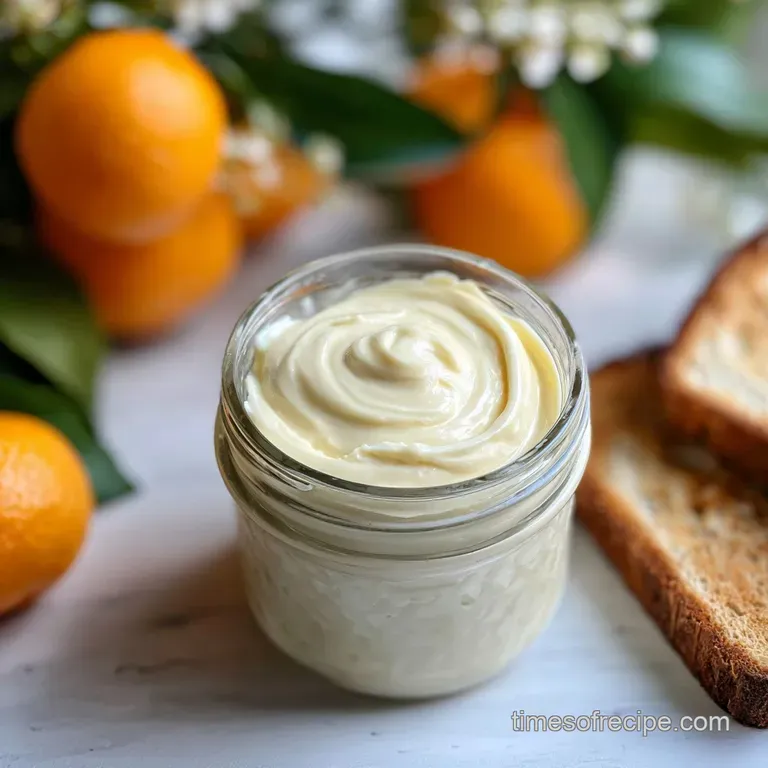
Keep your fresh creation in a glass jar with a tight fitting lid. It will stay hearty and delicious in the fridge for up to 7 days. Because we are using fresh, unpasteurized eggs, I don't recommend pushing it past a week.
Never freeze it - the ice crystals will pierce the delicate fat droplets, and when it thaws, you'll be left with a separated, oily puddle.
Zero Waste Tip: Don't throw away that lemon peel! Zest it into the mayo for an "Aioli style" kick, or toss the squeezed halves into your dishwasher to help remove hard water spots from your glasses.
- Roasted Garlic Variation: Blend in 3 cloves of roasted garlic for a mellow, nutty spread.
- Smoky Chipotle: Add 1 tsp of adobo sauce from a can of chipotles for a bold, spicy finish.
- Herb Garden: Fold in finely chopped chives and dill after blending for a fresh, garden inspired dip.
Serving and Presentation Ideas
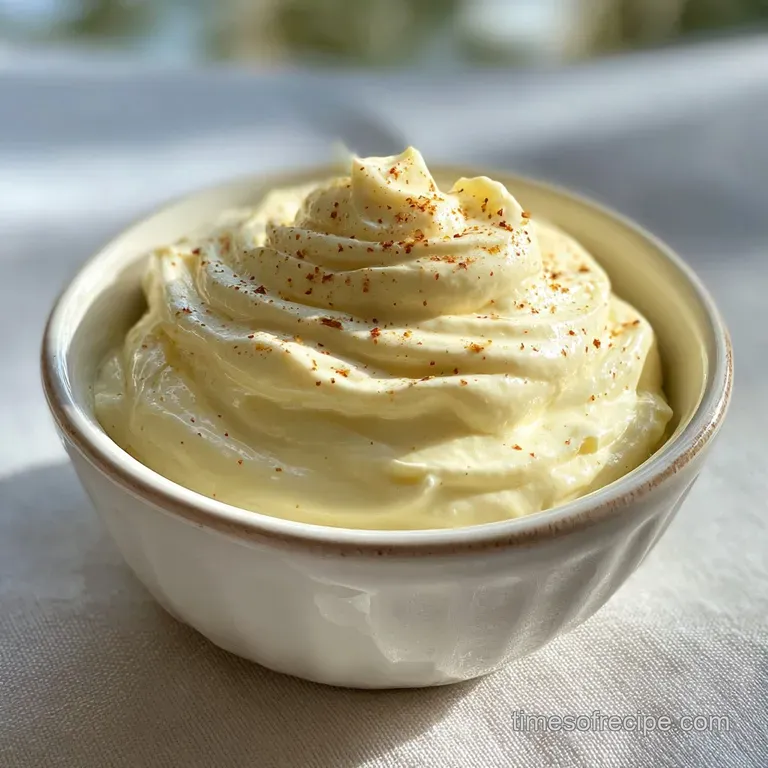
For a satisfying presentation, don't just plop the mayo in a bowl. Use a small offset spatula to create a deep "swirl" on the surface, which catches light and shows off that velvety texture.
If you’re serving this as a dip for veggies or fries, sprinkle a tiny pinch of smoked paprika or cracked black pepper on top for a pop of color.
This mayo is the secret weapon for a truly bold potato salad. Because it’s so much richer than the bottled stuff, you can use less of it while getting twice the flavor. It also makes an incredible base for a "bistro style" sauce - just mix in some capers and chopped cornichons to serve alongside fried fish or a hearty steak.
Your family will definitely notice the difference. Honestly, once you start making it this way, you'll find yourself making excuses to put it on everything. Enjoy that bold, homemade goodness!
Homemade Mayonnaise FAQs
Why did my mayonnaise separate and become oily?
This usually happens when oil is added too quickly. The egg yolk can only emulsify so much oil at once; adding it too fast overwhelms the yolk's ability to create a stable bond, leading to separation.
Can I use a regular blender to make mayonnaise?
Yes, but an immersion blender is much easier. A regular blender requires you to drizzle the oil in an extremely thin, slow stream while blending, which is more challenging and less foolproof than using an immersion blender.
How long does homemade mayonnaise last in the refrigerator?
Up to 7 days. Because it uses fresh eggs, it's not pasteurized like store-bought versions and should be consumed within a week for safety and optimal flavor.
What's the best oil to use for homemade mayonnaise?
Avocado oil or a light olive oil are excellent choices. Refined avocado oil has a neutral flavor that won't overpower the other ingredients, while light olive oil offers a mild fruitiness. Avoid extra virgin olive oil, as its strong flavor can become bitter in mayonnaise.
Can I make mayonnaise without eggs?
Yes, you can make a vegan version using aquafaba. This is the liquid from a can of chickpeas, which acts as an emulsifier. While it mimics the texture, it won't be as rich as an egg-based mayonnaise.
How can I fix runny or broken mayonnaise?
Start with a fresh egg yolk and slowly whisk in the broken mixture. This provides a new base to help re-emulsify the separated oil and egg. If you enjoyed mastering this emulsion technique, see how the same principles of binding and texture control apply in our Amish Macaroni Salad: The Sweet Creamy Picnic Classic Recipe.
What is the role of Dijon mustard in mayonnaise?
Dijon mustard acts as a secondary emulsifier and adds flavor. It contains compounds that help stabilize the emulsion, preventing it from breaking, and also contributes a pleasant tanginess.
Homemade Mayonnaise
Ingredients:
Instructions:
Nutrition Facts:
| Calories | 103 kcal |
|---|---|
| Protein | 0.3 g |
| Fat | 11.5 g |
| Carbs | 0.2 g |
| Fiber | 0 g |
| Sugar | 0.1 g |
| Sodium | 59 mg |
