Thick Cut Steak Fries Recipe
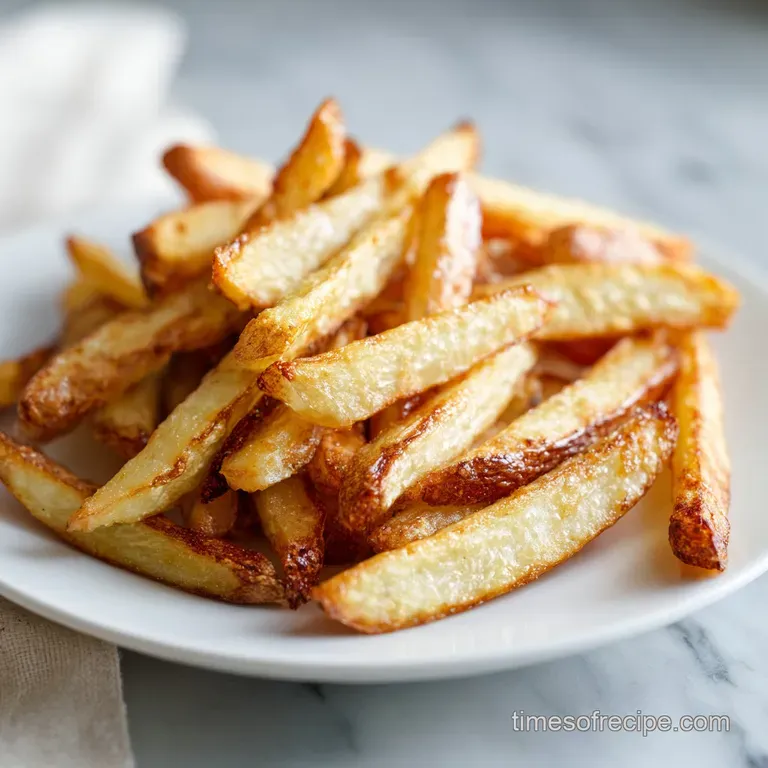
- Time: Active 45 minutes, Passive 30 minutes, Total 1 hours 15 mins
- Flavor/Texture Hook: Smoky, salt crusted edges with a fluffy, steaming interior
- Perfect for: A hearty family dinner or a bold weekend steak night
- Why You Need These Homemade Steak Fries
- Essential Specs for Thick Cut Fries
- Selecting Ingredients for Your Steak Fries
- Necessary Tools for Perfectly Sliced Spuds
- Mastering the Steps for Steak Fries
- Fixing Texture Issues in Steak Fries
- Bold Variations for Loaded Steak Fries
- Scaling This Recipe for a Crowd
- Storage Tips for Your Leftover Fries
- Serving Your Hearty Steak Fries Meal
- Myths About Roasting Potatoes
- Recipe FAQs
- 📝 Recipe Card
Why You Need These Homemade Steak Fries
I remember the first time I tried making these for a Friday night family dinner. I thought I could just chop up some potatoes, toss them in oil, and call it a day. What I got was a tray of limp, greasy wedges that were somehow burnt on the outside and raw in the middle.
It was a total disaster, and honestly, I almost gave up on the idea of making restaurant quality spuds at home. But I was determined to get that specific, hearty crunch that makes a steak and fries meal feel like a celebration.
After a few weeks of trial and error, I realized that the secret isn't just in the heat, it's in how you treat the potato before it ever touches the oven. The moment I started soaking the wedges to pull out the excess starch, everything changed.
Now, when I pull these out of the oven, the sizzle is so loud it practically calls everyone to the kitchen. The house fills with this incredible aroma of toasted garlic and smoky paprika, and there's nothing more satisfying than seeing my kids reach for the biggest, crispest wedge on the tray.
These aren't just "fries", they're a massive upgrade to any meal. This side dish is the backbone of any great Side Dishe for Steak recipe because it has enough personality to stand up to a bold cut of meat. We're building flavor in layers here, from the earthy potato skin to the zesty horseradish dip that cuts through the richness. Trust me, once you master this technique, you'll never look at a frozen bag of fries the same way again.
Essential Specs for Thick Cut Fries
The Physics of the Crunch: Soaking potatoes in cold water draws out surface sugars and starches that would otherwise burn before the interior cooks. This allows the outside to form a rigid, dehydrated crust that stays crisp long after leaving the heat.
- Starch Extraction: Cold water baths prevent the exterior from becoming gummy, ensuring each wedge remains individual rather than sticking to its neighbor.
- Cellular Breakdown: The high heat of the oven causes the moisture inside the potato to turn to steam, blowing out the internal cell structure to create that "fluffy" mashed potato texture.
- Oil Emulsification: Coating the potatoes while they are slightly damp (but not wet) with avocado oil and spices creates a thin paste that roasts into a textured, flavorful bark.
- Convection Sizzle: Using a high smoke point oil allows the oven to act like a dry fryer, rapidly transferring heat to the surface for a golden brown finish.
| Method | Time | Texture | Best For |
|---|---|---|---|
| oven-roasted | 30 mins | Shatter crisp edges, fluffy core | Large family batches |
| Air Fryer | 20 mins | Uniformly crunchy, very dry | Quick lunch for two |
| Double Fried | 15 mins | Extra bubbly, oily, decadent | Authentic pub experience |
Every choice we make in this recipe, from the thickness of the cut to the temperature of the oven, is designed to maximize the contrast between the outside and the inside. If you prefer a faster, more integrated meal, you might enjoy the technique used in this Cheesy Beef and recipe.
Selecting Ingredients for Your Steak Fries
Component Analysis
| Ingredient | Science Role | Pro Secret |
|---|---|---|
| Russet Potatoes | High starch content ensures fluffiness | Keep the skins on for extra structural integrity |
| Avocado Oil | High smoke point prevents acrid flavors | Rub the oil into the potatoes with your hands |
| Smoked Paprika | Adds depth and mimics wood fired flavor | Use "Pimentón de la Vera" for the boldest aroma |
| Prepared Horseradish | Provides a sharp, acidic counterpoint | Freshly grated is stronger, but bottled is more consistent |
Chef Tip: For the crunchiest results, freeze your metal baking sheet for 10 minutes before placing the oiled potatoes on it. The thermal shock helps the bottom edges set immediately.
For the Steak Fries
- 2 lbs Russet potatoes: These are non negotiable for steak fries because their low moisture content leads to a dryer, fluffier result. Why this? Russets have the highest starch to water ratio for maximum internal fluff.
- Substitute: Yukon Gold. Note: These will be creamier and more buttery but won't get as crispy.
- 3 tbsp Avocado oil: You need a fat that can handle 400°F (200°C) without smoking or breaking down. Why this? It has a neutral flavor and a high smoke point of 520°F.
- Substitute: Grapeseed oil or clarified butter (ghee).
- 1 tsp Kosher salt: The coarse grains provide a better "grip" on the potato surface than fine table salt. Why this? Enhances the natural earthiness of the potato skin.
- Substitute: Sea salt or smoked salt for extra depth.
- 1/2 tsp Smoked paprika: This provides that characteristic "red" hue and a hint of backyard grill flavor. Why this? Adds a complex smokiness that balances the heavy potato.
- Substitute: Regular paprika with a tiny pinch of cumin.
- 1/2 tsp Garlic powder: Powder sticks better than fresh garlic, which often burns and turns bitter in a hot oven. Why this? Provides an even, savory baseline flavor.
- Substitute: Onion powder or a savory herb blend.
- 1/4 tsp Freshly cracked black pepper: The coarse grind adds little pops of heat that cut through the richness. Why this? Freshly ground oils are more aromatic than pre ground pepper.
- Substitute: White pepper for a more subtle, earthy heat.
For the Best Steak Fries Sauce
- 1/2 cup mayonnaise: This acts as the creamy vehicle for all the other bold flavors. Why this? Provides a rich, velvety mouthfeel that coats the palate.
- Substitute: Greek yogurt. Note: Adds tang but is much thinner than mayo.
- 1 tbsp Dijon mustard: Adds a sophisticated tang and a slight nasal heat. Why this? The vinegar in the mustard brightens the heavy fat.
- Substitute: Spicy brown mustard for a more rustic texture.
- 1 tsp prepared horseradish: This is what makes it "steakhouse" style. Why this? Cleanses the palate between bites of salty potato.
- Substitute: Wasabi paste or extra mustard if you dislike horseradish.
- 1/2 tsp lemon juice: Just enough acid to make the whole sauce "pop." Why this? Breaks down the fat in the mayonnaise for a cleaner finish.
- Substitute: Apple cider vinegar or white wine vinegar.
Necessary Tools for Perfectly Sliced Spuds
You don't need a professional kitchen to make these, but a few specific tools make the process much smoother. First, a heavy duty baking sheet is essential. Thin pans tend to warp at high temperatures, which causes the oil to pool in the corners, leaving some fries dry and others soggy.
I prefer a half sheet pan made of rimmed aluminum because it conducts heat evenly across the entire surface.
A sharp chef's knife is your best friend here. Since we are aiming for thick, uniform wedges, you need a blade that can slice through a dense Russet without slipping. If you're making a huge batch for a party, a mandoline with a julienne attachment can work, but I find the rustic, hand cut look of a knife cut wedge much more appealing for a hearty steak fries recipe.
Finally, don't underestimate the power of a clean kitchen towel. After soaking the potatoes, they need to be bone dry. I usually lay them out on a lint free tea towel and pat them aggressively. Any moisture left on the surface will turn to steam in the oven, and steam is the absolute enemy of a shatter crisp crust.
Mastering the Steps for Steak Fries
Precision Cutting and Soaking
- Scrub the 2 lbs Russet potatoes under cold water to remove dirt, but leave the skins on for texture.
- Slice each potato lengthwise into 1/2 inch thick planks, then cut those planks into 3/4 inch wide wedges. Note: Uniformity ensures they all finish cooking at the exact same time.
- Submerge the wedges in a large bowl of ice cold water for 30 minutes. Wait until the water turns cloudy, which indicates the starch is being released.
- Drain the potatoes and spread them onto a clean towel. Pat them thoroughly until the surface feels tacky and completely dry.
Seasoning and Roasting
- Preheat your oven to 400°F (200°C) and place your empty baking sheet inside to get hot.
- Toss the dry potatoes in a clean bowl with the 3 tbsp avocado oil, 1 tsp salt, 1/2 tsp paprika, 1/2 tsp garlic powder, and 1/4 tsp pepper. Stir until the wedges are glossy and orange from the spices.
- Arrange the wedges on the hot baking sheet in a single layer, ensuring they aren't touching. Note: Crowding the pan will cause the potatoes to steam rather than roast.
- Bake for 20 minutes, then use a spatula to flip each wedge. Listen for the sizzle as the cooked side hits the air.
- Continue roasting for another 10 minutes until the edges are dark golden and the skins are blistered.
- Whisk the sauce ingredients together in a small bowl while the fries cool for 2 minutes on the pan.
Fixing Texture Issues in Steak Fries
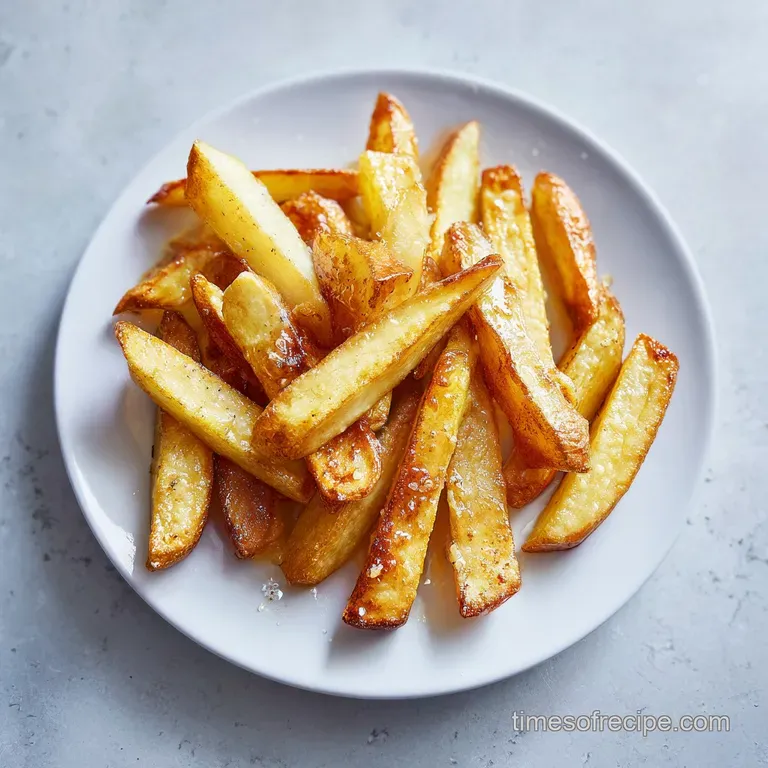
Why Your Steak Fries Are Soggy
If your fries come out limp, it's almost always a moisture issue. Either the potatoes weren't dried well enough after the soak, or the oven temperature wasn't high enough to evaporate the surface water quickly. Another culprit is overcrowding.
When potatoes are too close together, they release steam that gets trapped between them, effectively boiling the potato rather than roasting it.
Why Your Steak Fries Are Hard
If the interior feels gritty or hard while the outside is dark, your wedges might be too thick, or you skipped the soaking step. The soak helps "pre gelatinize" some of the starches, allowing the heat to penetrate the center more efficiently.
If you're using older potatoes that have been in the pantry too long, they may have lost too much moisture, leading to a woody texture.
| Problem | Root Cause | Solution |
|---|---|---|
| Burnt Edges | Spices (like paprika) burning in hotspots | Rotate the pan halfway through and check oil coverage |
| Sticking to Pan | Putting potatoes on a cold, un oiled pan | Preheat the pan and ensure every wedge is coated in oil |
| Greasy Texture | Oven temperature too low (below 375°F) | Crank the heat to 400°F and ensure the oil is fresh |
Common Mistakes Checklist
- ✓ Always use Russet potatoes for that specific high starch interior.
- ✓ Never skip the 30 minute soak; it's the difference between "okay" and "extraordinary."
- ✓ Ensure the potatoes are "bone dry" before adding the oil.
- ✓ Space the wedges at least 1/2 inch apart on the baking sheet.
- ✓ Check your oven temperature with an external thermometer to ensure it's truly 400°F.
Bold Variations for Loaded Steak Fries
If you want to take these to the next level, the "Loaded" version is a crowd favorite in my house. After the fries are finished roasting, I pile them into a tight circle on the tray and shower them with sharp cheddar and crispy bacon bits.
Pop them back into the oven for 2 minutes until the cheese is bubbling and molten. Top with a dollop of sour cream and some fresh chives, and you have a meal that rivals any pub appetizer.
Creating the "Truffle & Herb" Twist
For a more sophisticated vibe, swap the smoked paprika for a teaspoon of truffle salt and add a handful of finely chopped fresh parsley and rosemary immediately after the fries come out of the oven. The residual heat from the potatoes will wake up the oils in the herbs, creating an incredible fragrance.
This version pairs perfectly with a lean Beef Tenderloin Recipe.
Making it a Vegan Feast
To make this entirely plant based, simply swap the mayonnaise in the sauce for a high-quality vegan mayo or a blended cashew cream. The fries themselves are already vegan friendly! You can also add a sprinkle of nutritional yeast to the spice mix to give them a "cheesy" flavor without using any dairy.
| Variation | Key Addition | Flavor Profile |
|---|---|---|
| Cajun Style | Cayenne & Thyme | Spicy, earthy, and bold |
| Garlic Parm | Freshly grated Parmesan | Salty, umami, and nutty |
| Lemon Pepper | Lemon zest & extra pepper | Bright, zingy, and fresh |
If you love the idea of mixing textures and bold flavors, you should definitely check out my Pepper Steak with recipe which features a similar balance of savory heat.
Scaling This Recipe for a Crowd
When you're cooking for a big group, the biggest challenge with steak fries is oven space. You cannot simply double the ingredients and pile them onto one tray. To scale up, you must use multiple baking sheets and, if possible, a convection setting on your oven to ensure the air circulates evenly between the racks.
- For 8 people: Double the recipe (4 lbs potatoes). Use two large rimmed baking sheets and swap their positions (top to bottom) halfway through the cooking time.
- For 12 people: Triple the recipe (6 lbs potatoes). I recommend roasting them in batches and keeping the finished fries warm in a low oven (200°F) on a wire rack to maintain crispness.
- Spices: When doubling or tripling, do not linearly increase the salt. Use about 1.5x the salt for a double batch and taste one wedge before adding more to the final tray.
Storage Tips for Your Leftover Fries
Storage: Keep any leftover steak fries in an airtight container in the fridge for up to 4 days. Do not store them in a plastic bag, as the trapped moisture will make them incredibly mushy. A glass container with a loose lid is ideal.
Reheating: Never use the microwave! It will turn your beautiful fries into rubber. Instead, use an air fryer at 375°F for 4-5 minutes, or a toaster oven at 400°F for 8 minutes.
You want to re activate the oils on the surface to bring back that shatter crisp texture.
Zero Waste: If you have leftover wedges that are a bit too soft to enjoy on their own, chop them up into small cubes. They make the world's best breakfast hash. Sauté them with some onions and peppers, crack an egg on top, and you’ve got a hearty second day meal.
You can also use the potato skins if you ever peel them by frying them separately into "potato skin chips."
Serving Your Hearty Steak Fries Meal
The Iconic Steak and Fries Meal
There is nothing more classic than serving these alongside a perfectly seared ribeye or a juicy strip steak. The thickness of the fries matches the weight of the meat, creating a balanced plate. I usually serve the horseradish sauce right on the side so people can dip both the fries and the steak into it.
It’s a bold, comfort focused dinner that feels like a high end steakhouse experience right in your dining room.
The Casual Pub Experience
If you're keeping things casual, these fries are the perfect companion to a big, messy burger or even a piece of beer battered fish. For a Galentine's or Valentine's recipe, you could serve these on a large wooden board in the center of the table with multiple dipping sauces maybe a spicy ketchup, a garlic aioli, and the horseradish sauce for a fun, interactive "fry board" experience.
For a complete date night vibe, you might want to look at this Galentine's and Valentine's recipe which pairs perfectly with these hand cut wedges.
Myths About Roasting Potatoes
High heat "seals" the potato. Many people believe that starting with a very hot oven "seals" the juices inside. In reality, browning (the Maillard reaction) and moisture loss happen simultaneously.
The high heat is actually designed to dehydrate the surface as quickly as possible, creating a crust while the inside steams in its own remaining moisture.
Soaking removes all the nutrients. While some surface starch and a tiny amount of water soluble vitamins may wash away, the bulk of the potato's fiber and potassium remains, especially if you leave the skins on.
The culinary benefit of the improved texture far outweighs the negligible loss of nutrients in the soaking water.
You must boil them first for a soft interior. Par boiling is a great technique for some roast potatoes, but for thick cut steak fries, it often makes the wedges too fragile to handle.
The 30 minute cold water soak combined with a 400°F oven provides plenty of time for the interior to reach a velvety, fully cooked state without the extra step (and extra pot) of boiling.
Recipe FAQs
What makes steak fries different?
They are cut significantly thicker than standard French fries. Steak fries average 1/2 to 3/4 inch in thickness, resulting in a high ratio of fluffy interior to crisp exterior.
Why are some fries called steak fries?
They are traditionally served alongside a hearty steak dinner. Their substantial, chunky texture is robust enough to stand up to rich cuts of beef, unlike thinner shoestring styles.
What's the difference between steak fries and French fries?
The main difference is the cut and resulting texture. French fries are thin and designed to be uniformly crispy throughout, while steak fries are thick wedges focused on achieving a creamy interior.
How are steak fries made to be crispy on the outside?
Soak the cut potatoes in cold water for at least 30 minutes to remove surface starch. This crucial step prevents the outside from becoming gummy, allowing a proper crust to form during high heat roasting.
Should I use Russet or Yukon Gold potatoes for the best results?
Russets are the superior choice for authentic steak fries. Their high starch content produces that signature, dry, and fluffy center texture we aim for in this recipe.
Is it true that overcrowding the pan ruins the crispiness?
Yes, overcrowding is the number one cause of soggy steak fries. When wedges touch, they release steam that gets trapped between them, essentially steaming the potato instead of crisping it.
How do I reheat leftover steak fries perfectly?
Reheat them in an air fryer or a hot oven, never the microwave. Use the air fryer at 375°F for about 5 minutes to re-crisp the exterior quickly; this technique is similar to what we use for maximum texture in the Ribeye Roast recipe.
Homemade Steak Fries Recipe
Ingredients:
Instructions:
Nutrition Facts:
| Calories | 468 kcal |
|---|---|
| Protein | 4.8 g |
| Fat | 31.4 g |
| Carbs | 43.2 g |
| Fiber | 3.1 g |
| Sugar | 1.4 g |
| Sodium | 745 mg |
