Honey Garlic Meatballs: Succulent & Sticky
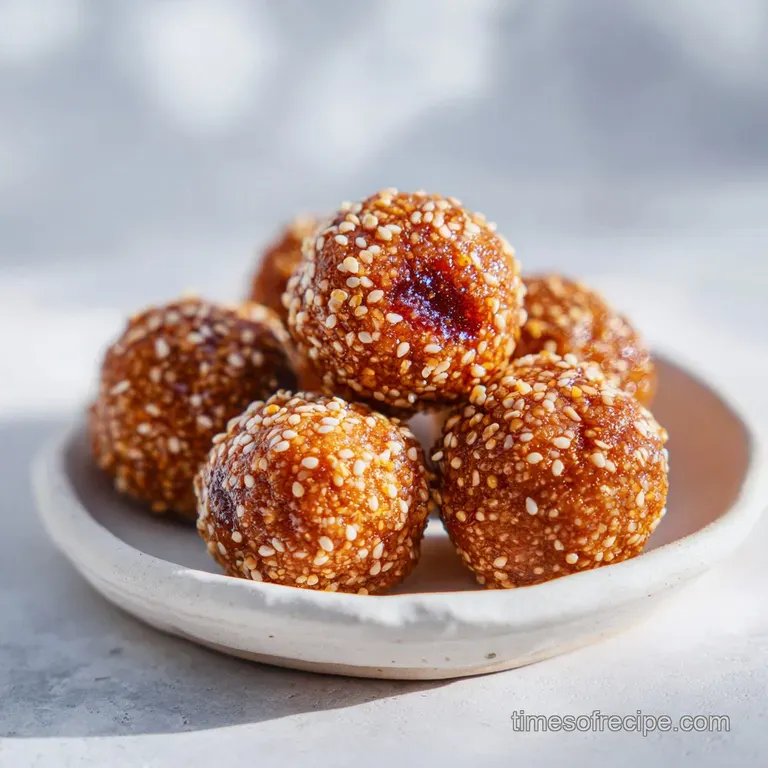
- Time: Active 15 minutes, Passive 15 minutes, Total 30 minutes
- Flavor/Texture Hook: Succulent, sticky, and bold
- Perfect for: Family game nights, hearty appetizers, or a satisfying weeknight dinner
- The Hearty Secret to Honey Garlic Meatballs
- The Science of Sticky Glazes
- Precision Metrics for Bold Dinners
- Building Blocks of Bold Flavor
- Essential Gear for Kitchen Success
- Steps to Sizzling Meatball Perfection
- Fixing Common Meatball Mistakes
- Flavor Variations and Simple Subs
- Storage and Freshness Guidelines
- Satisfying Sides and Pairing Tips
- Very High in Sodium
- Recipe FAQs
- 📝 Recipe Card
The Hearty Secret to Honey Garlic Meatballs
The first time I served meatballs at a family get together, it was a disaster. I’d followed a basic recipe that resulted in these gray, mushy lumps that tasted like wet bread. There was no sizzle, no crust, and certainly no bold flavor. My kids looked at their plates, then at me, and I knew I had to fix it.
I realized that "good enough" wasn't going to cut it when it came to a comforting family meal. I needed a recipe that felt substantial something with a satisfying chew and a sauce so thick it actually clung to the meat instead of pooling at the bottom of the bowl.
After weeks of experimenting, I finally cracked the code. The secret wasn't just in the honey; it was in the layers of flavor we build from the very first step. We start with a hearty base of ground beef, then add aromatic ginger and garlic that perfume the whole kitchen as they hit the heat.
When that first batch of Honey Garlic Meatballs came out of the oven, shimmering under the kitchen lights with a deep mahogany glaze, I knew I’d found a winner. It's the kind of dish that makes everyone hover around the stove with forks in hand before it even hits the table.
What you’re getting here is the result of all those failed batches. We're talking about a bold, garlic forward experience that satisfies the deepest cravings for comfort food.
We've replaced the guesswork with precise techniques like using a panade to keep things tender and a cornstarch slurry to ensure the sauce has that signature velvety finish. It’s simple, it’s hearty, and it’s honestly the only meatball recipe my family ever asks for anymore.
Let’s get stuck in and make something your friends will actually be obsessed with.
The Science of Sticky Glazes
The Physics of the Sticky Glaze: The honey acts as a humectant and a thickener, while the rice vinegar breaks down the sugar's surface tension to create a smooth, clingy emulsion.
When the cornstarch slurry hits the hot honey mixture, the starch granules swell and trap the liquid, resulting in a glossy, non runny finish.
- The Maillard Response: over High heat roasting at 400°F creates a savory crust on the exterior of the beef, adding a deep, umami complexity that raw simmering can't match.
- Starch Gelatinization: Using Panko and milk (a panade) creates a gel like structure that prevents meat proteins from over tightening, ensuring a tender bite.
- Acid Balance: Rice vinegar provides the necessary acidity to cut through the heavy sugar content of the honey, brightening the overall flavor profile.
- Garlic Infusion: Smashing the garlic before mincing ruptures more cell walls, releasing allicin for a much bolder and more pungent aromatic base in the sauce.
| Cooking Method | Active Time | Texture Result | Best For |
|---|---|---|---|
| Oven Roasting | 5 mins | Crispy exterior, even interior | Large family batches |
| Stovetop Sear | 15 mins | Deeply caramelized, irregular | Small, rustic portions |
| Air Fryer | 2 mins | Shatter crisp skin, very juicy | Quick weeknight fixes |
The oven roasting method is my personal favorite because it allows the heat to circulate evenly around each sphere, creating a consistent texture that holds up beautifully once tossed in the sauce.
Stovetop cooking can be great for a smaller batch, but you have to be careful not to crowd the pan, or you'll end up steaming the meat instead of searing it.
Precision Metrics for Bold Dinners
When you're aiming for that satisfying, hearty result, precision is your best friend. I used to eyeball everything, but I learned the hard way that a quarter inch difference in size can mean the difference between a juicy center and a hockey puck.
We want these to be substantial enough to feel like a meal but small enough to cook through quickly and stay tender.
| Ingredient | Science Role | Pro Secret |
|---|---|---|
| 90% Lean Beef | Structural Protein | Use cold meat to prevent the fat from melting before it hits the oven |
| Honey | Glazing Agent | Heat it gently with the soy sauce to fully integrate the floral notes |
| Panko | Moisture Retainer | Let it soak in the milk for 2 minutes before mixing into the meat |
| Rice Vinegar | Flavor Balancer | Adds a subtle tang that prevents the honey from feeling cloying |
It's all about how these components interact. The lean beef provides the "meatiness" we crave, while the panade acts as an insurance policy against dryness. If you're looking for another crowd pleaser that hits those sweet and savory notes, you've got to check out my Honey Garlic Pineapple recipe. It uses a similar flavor profile but applies it to tender chicken thighs for a completely different vibe.
Building Blocks of Bold Flavor
To get the most out of these Honey Garlic Meatballs, you need to treat each ingredient with a bit of respect. Don't just throw them in a bowl; think about how the flavors are layering. We want the ginger to be fresh and zesty, and the garlic to be punchy enough to stand up to the sweetness of the honey.
- 1 lb 90% lean ground beef: Provides a hearty base without being overly greasy. Why this? Maintains shape and texture during over high heat roasting without excessive shrinkage.
- Substitute: Ground turkey (adds a lighter flavor, though slightly less hearty).
- 0.5 cup Panko breadcrumbs: Creates a lighter, airier internal structure. Why this? Larger surface area absorbs more moisture than fine crumbs.
- Substitute: Crushed saltine crackers (adds a salty, nostalgic depth).
- 1 large egg: The essential binder. Why this? Proteins coagulate during cooking to hold the sphere together.
- Substitute: 1/4 cup plain yogurt (adds moisture and a slight tang).
- 0.5 cup honey: The star of the sauce. Why this? Provides the viscous body and natural sweetness for the glaze.
- Substitute: Maple syrup (gives a woodsy, autumnal flavor profile).
- 0.25 cup reduced sodium soy sauce: The salt and umami source. Why this? Balances the sugar and adds deep color to the glaze.
- Substitute: Tamari (perfect for keeping the dish gluten-free).
Essential Gear for Kitchen Success
You don't need a professional kitchen to pull this off, but a few specific tools make the process much smoother. I always use a rimmed baking sheet trust me, you don't want meat juices dripping onto the floor of your oven.
A wire rack is also a great addition if you want maximum air circulation for a crispier exterior.
For the sauce, a small saucepan with a heavy bottom is ideal. It prevents the honey from scorching at the edges before the rest of the glaze has a chance to thicken. And if you have a cookie scoop, now is the time to break it out.
It’s the easiest way to ensure every single ball is the exact same size, which is the key to even cooking.
Steps to Sizzling Meatball Perfection
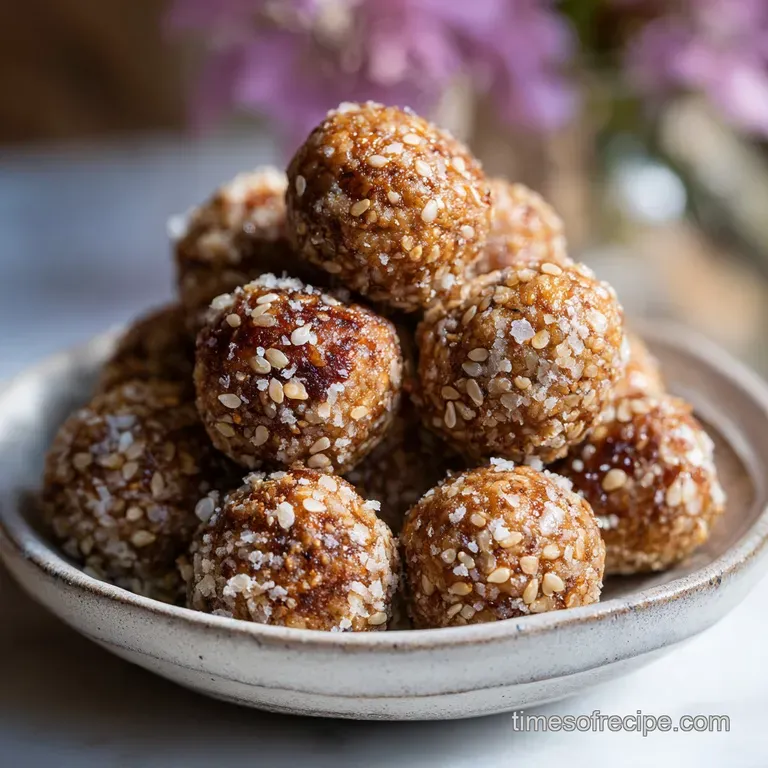
- Prepare the panade. Mix 0.5 cup Panko with 2 tbsp milk in a large bowl and let it sit for 2 minutes until it forms a thick paste. Note: This prevents the beef from becoming tough.
- Combine the aromatics. Add 3 cloves minced garlic, 1 tsp grated ginger, 1 tsp salt, 0.5 tsp pepper, and 2 tbsp sliced green onions to the paste.
- Integrate the beef. Add 1 lb ground beef and 1 lightly beaten egg to the bowl. Use your hands to mix gently until just combined. Note: Overworking the meat will make it dense and rubbery.
- Shape the meatballs. Scoop about 1 tablespoon of mixture and roll into 1 inch spheres, placing them on a lined baking sheet.
- Roast the meat. Bake at 400°F (200°C) for 12-15 minutes until the exteriors are browned and sizzle.
- Start the glaze. While the meat roasts, combine 0.5 cup honey, 0.25 cup soy sauce, 1 tbsp rice vinegar, and 1 tsp sesame oil in a saucepan.
- Infuse the garlic. Stir in 4 cloves of smashed, minced garlic and bring the mixture to a low simmer over medium heat.
- Thicken the sauce. Whisk 1 tsp cornstarch with 1 tbsp cold water and pour into the simmering sauce, whisking until it becomes glossy and coats the back of a spoon.
- Combine and coat. Toss the roasted meatballs into the saucepan or a large bowl with the glaze.
- Final rest. Let the dish sit for 3 minutes until the sauce sets into a thick, mahogany coating.
Chef's Tip: Freeze your ginger for 10 minutes before grating. It makes it much easier to shred and prevents those annoying long fibers from ending up in your dinner.
Fixing Common Meatball Mistakes
Even the most seasoned home cook can run into trouble. One mistake I once made was using meat that was too warm, which caused the fat to leak out and left me with dry, crumbly results.
If you notice your meatballs are looking a bit "sweaty" before they even hit the oven, pop them in the fridge for 10 minutes.
Why Your Meatballs Are Falling Apart
Usually, this happens because the binder ratio is off or the meat wasn't cold enough. If the mixture feels too wet, don't just add more breadcrumbs that will make them bready. Instead, let the mixture chill.
| Problem | Root Cause | Solution |
|---|---|---|
| Dry texture | Overmixing the beef | Mix with cold hands until just combined |
| Runny sauce | Not enough simmering | Simmer the glaze for 2 extra minutes after adding cornstarch |
| Lack of flavor | Old ginger/garlic | Use fresh aromatics for that bold, pungent punch |
Common Mistakes Checklist
- ✓ Pat the meat dry if it seems excessively moist before mixing.
- ✓ Use a cold egg to help keep the beef fat solid during the prep stage.
- ✓ Don't overcrowd the baking sheet; leave at least an inch between each ball.
- ✓ Check the internal temperature pull them at 160°F to ensure they stay succulent.
- ✓ Always whisk the cornstarch into cold water before adding to the hot sauce to avoid lumps.
Flavor Variations and Simple Subs
This recipe is incredibly versatile. If you want something with a bit of a kick, adding a teaspoon of red pepper flakes to the sauce changes the whole dynamic. My family loves it when I swap the beef for a mix of pork and beef, which adds an extra layer of richness to the flavor profile.
For a completely different take on the honey garlic vibe, you might enjoy our Hot Honey Garlic recipe. It’s a great way to use those same pantry staples for a crispy vegetable side dish.
- Spicy Kick: Add 1 tbsp of Sriracha or chili garlic paste to the glaze.
- Citrus Twist: Replace the rice vinegar with fresh lime juice and add a teaspoon of zest.
- Tropical Vibe: Use pineapple juice instead of water for the cornstarch slurry.
Storage and Freshness Guidelines
Leftovers are a dream with this dish. In fact, some people argue the sauce tastes even better the next day as the garlic continues to mellow and infuse into the meat. You can keep these in an airtight container in the fridge for up to 4 days.
When reheating, I recommend doing it on the stovetop with a splash of water or beef broth to loosen up the glaze so it becomes velvety again.
For zero waste cooking, don't toss the leftover sauce! It’s basically liquid gold. Use any remaining glaze to stir fry some broccoli or drizzle it over a bowl of plain white rice.
If you have extra green onion tops, wrap them in a damp paper towel and store them in a reusable bag; they'll stay crisp for another week. You can also freeze these cooked meatballs for up to 3 months. Just thaw them overnight in the fridge before gently warming them back up.
Satisfying Sides and Pairing Tips
To make this a complete, hearty meal, you need sides that can handle that bold sauce. Plain jasmine rice is the classic choice because it acts like a sponge for all that honey garlic goodness.
If you want to lean into the comfort food aspect, mashed potatoes are a surprisingly fantastic pairing the creamy potatoes and the sticky sauce are a match made in heaven.
This recipe is a mainstay in our house, often sitting alongside our favorite Garlic Herb Chicken recipe on Sunday nights when we're hosting a big family spread. If you're looking for a vegetable pairing, roasted bok choy or simple steamed snap peas provide a nice, crisp contrast to the soft, tender meatballs. Whatever you choose, just make sure you have plenty of it, because these tend to disappear faster than you’d think. Trust me on this make a double batch. You'll thank yourself later.

Very High in Sodium
1240 mg mg of sodium per serving (54% % of daily value)
The American Heart Association recommends limiting sodium intake to about 2,300mg per day for adults.
Sodium Reduction Tips for Your Recipe
-
Reduce Added Salt-25%
Eliminate or drastically reduce the added salt (1 tsp). Start with half the amount and taste, adding more only if absolutely necessary. This significantly lowers the sodium content.
-
Lower Sodium Soy Sauce-20%
Ensure you are using reduced sodium soy sauce and consider using an even lower sodium version, or reducing the amount used in the recipe. Taste as you go.
-
Leaner Ground Beef
While it won't impact sodium directly, using a 93% or 95% lean ground beef can help reduce overall fat content, which can improve the nutritional profile alongside sodium reduction.
-
Flavor with Herbs & Spices
Enhance the flavor with sodium free herbs and spices like dried mustard, garlic powder, onion powder, smoked paprika, or a pinch of red pepper flakes instead of relying on salt.
-
Increase Aromatics
The recipe already uses garlic, ginger and green onions. Consider increasing the amount of these aromatics to boost flavor and reduce the need for sodium.
Recipe FAQs
Can I substitute ground turkey for beef in this recipe?
Yes, but adjust your expectations. Ground turkey works, yielding a lighter flavor, but the texture will be less inherently hearty than 90% lean beef.
How do I prevent the sauce from becoming thin and runny?
Ensure you simmer the sauce after adding the cornstarch slurry. The starch granules need sustained heat to fully gelatinize and thicken the glaze into a glossy coating.
Why did my meatballs turn out dry and crumbly after baking?
You likely overmixed the meat or used meat that was too warm. Overworking activates proteins, leading to toughness; using cold ingredients helps keep the fat solid until searing.
How far in advance can I prepare the raw meatball mixture?
Form the meatballs up to 24 hours in advance and refrigerate them. This resting period allows the Panko to fully absorb moisture, improving the internal structure significantly.
What is the best way to reheat leftover Honey Garlic Meatballs?
Reheat gently on the stovetop with a splash of liquid. Add a tablespoon of water or broth to the pan and heat over medium low until warmed through; this revives the sticky glaze.
Is it necessary to use Panko breadcrumbs instead of standard breadcrumbs?
No, it is not strictly necessary, but Panko yields a superior texture. Panko's larger surface area absorbs moisture better, resulting in a lighter internal structure compared to fine crumbs.
What vegetable pairs best with this rich, sweet, and savory dish?
Steamed or roasted green vegetables provide the best contrast. They cut through the richness of the glaze, similar to how the acid balances the sweetness in our Honey Balsamic Brussels recipe.
Honey Garlic Meatballs Recipe
Ingredients:
Instructions:
Nutrition Facts:
| Calories | 332 kcal |
|---|---|
| Protein | 19.1 g |
| Fat | 8.2 g |
| Carbs | 37.2 g |
| Fiber | 0.8 g |
| Sugar | 28.5 g |
| Sodium | 1240 mg |
