Honey Mustard Chicken Marinade: Zippy and Caramelized
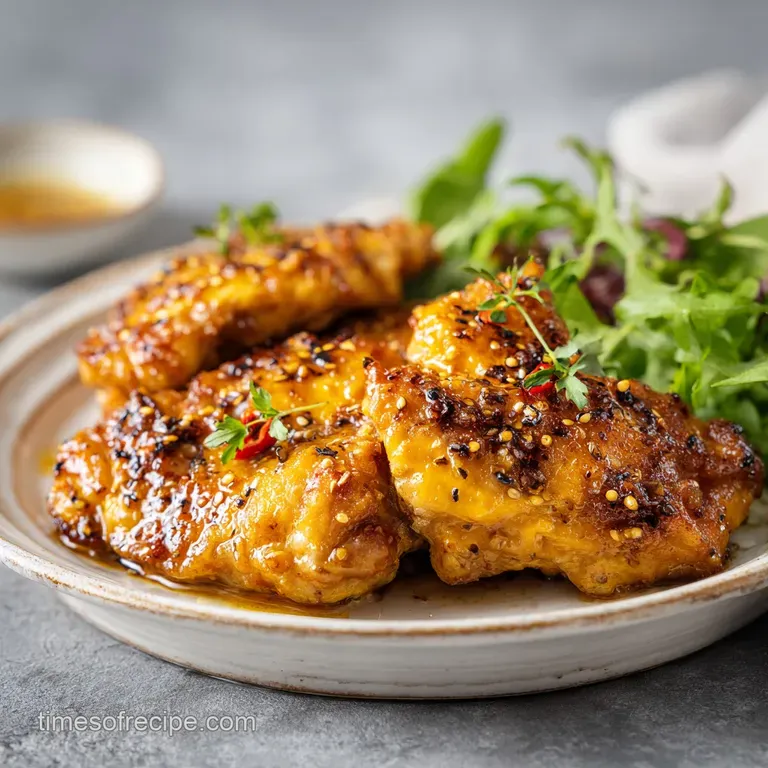
- Time: Active 15 minutes, Passive 40 minutes, Total 55 minutes
- Flavor/Texture Hook: Zippy, caramelized, and velvety
- Perfect for: Hearty family dinners and stress free meal prep
- The Ultimate Honey Mustard Chicken Marinade
- Bold Flavors Families Will Crave
- Essential Specs for Perfect Poultry
- Quality Elements for Maximum Taste
- Essential Gear for Successful Cooking
- Stepwise Guide to Searing Chicken
- Correcting Common Chicken Cooking Errors
- Adaptations for Every Dietary Need
- Strategic Storage and Leftover Safety
- Myths About Marinating Meat
- Serving Suggestions for Perfect Meals
- High in Sodium
- Recipe FAQs
- 📝 Recipe Card
The Ultimate Honey Mustard Chicken Marinade
The second that chicken hits the heavy cast iron skillet, a sweet, pungent cloud fills the kitchen. You hear that rhythmic sizzle—not a frantic pop, but a steady, rhythmic hiss that tells you the honey is beginning to transform into a dark, lacquered crust.
It's the kind of scent that brings people wandering into the kitchen, asking exactly how much longer until dinner is served.
Honestly, I used to struggle with chicken breasts being a bit dull. I'd toss them in a bottle of store-bought dressing and hope for the best, only to end up with something pale and flavorless.
But after years of tweaking ratios in my own kitchen, I discovered that the secret isn't just about the honey; it’s about the specific friction between the sharp Dijon and the mellow yellow mustard.
We’re going for a bold, satisfying meal that feels like a big hug at the end of a long day. This isn't a light, dainty dish it’s a hearty centerpiece that demands a pile of mashed potatoes or a heap of roasted vegetables on the side.
Let’s get into the mechanics of why this specific blend works so well for your family.
Bold Flavors Families Will Crave
The success of this dish lies in how the ingredients interact with the protein fibers over time. When you let the meat sit in this mixture, you aren't just coating the surface; you are fundamentally changing the structure of the chicken to ensure it stays moist even under high heat.
- Enzymatic Tenderization: The apple cider vinegar gently breaks down tough surface proteins, allowing moisture to penetrate deeper into the breast.
- Emulsion Stability: Mustard acts as a natural binder that keeps the oil and honey from separating, ensuring every inch of the chicken gets an even coat.
- Sugar Caramelization: The glucose in the honey reacts with the heat to create a complex, bronze crust known as the Maillard reaction.
- Fat Conductivity: The extra virgin olive oil carries the fat soluble compounds of the smoked paprika and garlic directly into the meat.
| Thickness | Internal Temp | Rest Time | Visual Cue |
|---|---|---|---|
| 1/2 inch | 165°F | 3 mins | Golden brown, firm to touch |
| 3/4 inch | 165°F | 5 mins | Opaque center, juices run clear |
| 1 inch | 165°F | 8 mins | Deep bronze crust, slight spring |
This table helps you decide exactly when to pull the pan off the heat. Remember that thinner pieces will reach that "shatter crisp" exterior much faster than thick ones, so keeping an eye on the clock is key for a consistent family meal.
Essential Specs for Perfect Poultry
Understanding the role of each component helps you become a more confident cook. We aren't just throwing things in a bowl; we are building a flavor profile that hits the front, middle, and back of your palate. If you’ve ever enjoyed a Healthy Grilled Chicken recipe, you know how much the acid to fat ratio matters for the final texture.
| Ingredient | Science Role | Pro Secret |
|---|---|---|
| Dijon Mustard | Emulsifier | Use "Grey Poupon" style for a sharper, more sophisticated bite. |
| Honey | Humectant | Darker honey types provide a deeper, more molasses like finish. |
| Garlic | Aromatic | Grate it into a paste to avoid burnt chunks in the pan. |
By treating these ingredients with respect, you ensure the chicken doesn't just taste like "sweet mustard" but has a layered, savory depth. The oil acts as the vehicle, while the salt pulls everything together, making the flavors pop.
Quality Elements for Maximum Taste
When you're gathering your supplies, try to use the freshest spices you have. That half teaspoon of smoked paprika might seem small, but it provides the "hearty" backbone that prevents the honey from feeling cloying.
- 1.75 lb chicken breast: Why this? Lean protein that absorbs the zippy marinade better than darker meats.
- Substitute: Chicken thighs (boneless) for a richer, fattier finish.
- 1/4 cup honey (85g): Why this? Provides the "sticky" factor and balances the vinegar's bite.
- Substitute: Maple syrup (Grade A) for a woodsy, autumnal flavor.
- 3 tbsp Dijon mustard (45g): Why this? Adds a sophisticated heat and thickens the sauce.
- Substitute: Spicy brown mustard for a more rustic, textured coating.
- 1 tbsp yellow mustard (15g): Why this? Brings that nostalgic, bright tang and classic golden color.
- Substitute: Turmeric plus extra vinegar if you're out of yellow mustard.
- 1/4 cup extra virgin olive oil (60ml): Why this? Ensures the meat doesn't stick and helps the crust develop.
- Substitute: Avocado oil for a higher smoke point during searing.
- 1 tbsp apple cider vinegar (15ml): Why this? The essential acid that tenderizes and cuts through the sugar.
- Substitute: Fresh lemon juice for a brighter, more citrus forward profile.
- 3 cloves garlic, minced: Why this? Adds the savory "umami" punch that every bold marinade needs.
- Substitute: 1 tsp garlic powder if you need a smoother texture.
- 1/2 tsp smoked paprika: Why this? Provides an earthy color and a hint of backyard grill flavor.
- Substitute: Liquid smoke (2 drops) for an even more intense aroma.
- 1 tsp salt: Why this? Enhances every other ingredient; without it, the dish tastes flat.
- Substitute: Soy sauce (1 tbsp) for a saltier, more savory depth.
- 1/2 tsp black pepper: Why this? Adds a subtle, lingering heat that lingers on the tongue.
- Substitute: White pepper for a more floral, less visual spice.
Essential Gear for Successful Cooking
You don't need a professional kitchen to pull this off, but a couple of specific tools make the process much smoother. I personally swear by a heavy bottomed skillet because it holds heat so much better than thin aluminum pans.
If you are planning to cook this for a large group, it's very similar to the prep work needed for a Honey Garlic Pineapple recipe, where managing pan space is everything.
- Large Glass Bowl: Best for mixing because it won't react with the vinegar.
- Whisk: Essential for emulsifying the oil and mustard into a velvety sauce.
- Cast Iron Skillet: The king of the crust; it provides the most even heat.
- Meat Thermometer: The only way to guarantee you aren't serving dry, "shoe leather" chicken.
- Kitchen Tongs: Necessary for flipping the chicken without piercing the skin and losing juices.
Stepwise Guide to Searing Chicken
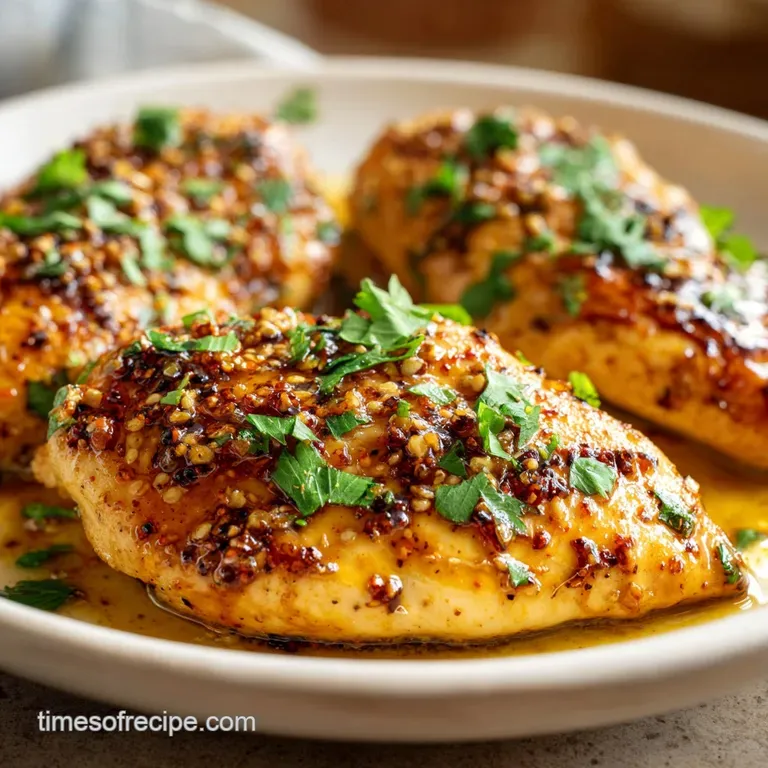
- Prep the meat. Pat the 1.75 lb chicken breast dry with paper towels. Note: Excess moisture on the surface causes steaming instead of searing.
- Whisk the base. In a large bowl, combine the 1/4 cup honey, 3 tbsp Dijon, and 1 tbsp yellow mustard.
- Emulsify the oil. Slowly stream in the 1/4 cup olive oil while whisking constantly. Note: This creates a stable sauce that won't break in the pan.
- Add aromatics. Stir in the 1 tbsp apple cider vinegar, 3 minced garlic cloves, 1/2 tsp smoked paprika, 1 tsp salt, and 1/2 tsp pepper.
- Submerge the chicken. Add the chicken to the bowl, ensuring every inch is coated.
- Cold soak. Cover and refrigerate for 40 minutes. Note: Don't go over 24 hours or the vinegar will turn the meat mushy.
- Preheat the pan. Place your skillet over medium high heat for 3 minutes.
- Sear the first side. Place chicken in the pan and cook for 6 minutes until a deep bronze crust forms.
- Flip and finish. Turn the chicken and cook for another 7-9 minutes until the internal temperature hits 165°F.
- Rest the meat. Transfer to a plate and wait 5 minutes before slicing. Note: This allows the juices to redistribute for a tender bite.
Correcting Common Chicken Cooking Errors
Why Your Chicken Feels Rubbery
If the meat has a bouncy, unpleasant texture, it's likely you skipped the resting phase or cooked it too quickly over "raging" heat. High heat is great for the crust, but if the internal temp climbs too fast, the muscle fibers seize up.
Why the Honey is Burning
Honey has a low burn point. if your pan is smoking before the chicken is cooked through, your heat is too high. You want a steady sizzle, not a blackening char.
| Problem | Root Cause | Solution |
|---|---|---|
| Bitter Aftertaste | Burnt Garlic | Mince garlic finer or use powder for over high heat frying. |
| Pale Chicken | Pan Overcrowding | Cook in two batches to allow steam to escape. |
| Soggy Coating | Not Patting Dry | Always use paper towels on the meat before marinating. |
Common Mistakes Checklist
- ✓ Pat the chicken completely dry before adding to the marinade.
- ✓ Ensure the skillet is preheated for at least 3 minutes.
- ✓ Don't move the chicken for the first 4 minutes of searing.
- ✓ Use a thermometer to hit exactly 165°F don't guess.
- ✓ Let the chicken rest on a warm plate, not a cold counter.
Adaptations for Every Dietary Need
Scaling this recipe up for a big family gathering is easy as long as you watch your liquid ratios. If you're doubling the recipe for 8 people, use 3.5 lbs of chicken but only increase the salt to 1.5 tsp. Too much salt can actually draw out too much moisture during the "cold soak" phase.
For a smaller portion (just 2 people), use half a pound of chicken and reduce the cook time by about 20%. You can even use this same Marinade Sauce recipe for pork chops if you want a change of pace.
Chef's Tip: If you want a more intense crust, freeze your butter for 10 minutes and grate a tiny bit over the chicken just before it finishes in the pan. The milk solids will brown instantly, creating a "bistro style" finish.
| Method | Time | Texture | Best For |
|---|---|---|---|
| Stovetop | 15 mins | Extra Crispy | Quick weeknight meals |
| Oven (400°F) | 22 mins | Evenly Juicy | Hands off cooking |
| Air Fryer | 12 mins | Firm & Tight | Busy lunch prep |
Strategic Storage and Leftover Safety
Storage: You can keep the cooked chicken in an airtight container in the fridge for up to 4 days. If you're meal prepping, keep the sauce separate if possible to avoid the meat getting "spongy."
Freezing: This recipe freezes beautifully. Put the raw chicken and the marinade in a freezer safe bag, squeeze out the air, and freeze for up to 3 months. As it thaws in the fridge overnight, it actually completes the marinating process for you!
Zero Waste: Don't throw away the leftover marinade in the bowl! Pour it into a small saucepan and simmer it for at least 5 minutes (to kill any bacteria from the raw meat). It will thicken into a gorgeous, velvety dipping sauce for your sides.
Myths About Marinating Meat
A huge misconception is that "the longer you marinate, the better it gets." That’s just not true with acidic marinades. After about 12-18 hours, the vinegar starts to chemically "cook" the outside of the chicken, resulting in a mealy, unappealing texture.
Stick to the 40 minute to 4 hour window for the best results.
Another myth is that you need to poke holes in the chicken with a fork to let the flavor in. All this does is create escape routes for the natural juices. Trust the science of osmosis; the salt and sugar will find their way in without you damaging the meat fibers.
Serving Suggestions for Perfect Meals
This chicken is the star of the show, but it needs a supporting cast that can handle the bold mustard profile. I love serving this alongside a heap of garlic roasted green beans or a cold, creamy coleslaw. The crunch of the slaw provides a fantastic contrast to the tender, sticky chicken.
If you’re feeling adventurous, slice the leftovers and toss them into a wrap with some crisp romaine and a little extra Dijon. It’s significantly better than any store-bought lunch you’ll find. For another family favorite that uses similar techniques, take a look at my Chicken Bryan recipe — it’s got that same savory sweet balance that makes dinner feel special.
Wait, did I mention the honey? If you find the glaze is a bit too thick, just add a teaspoon of warm water to the pan at the very end. It will loosen the fond (those tasty brown bits) and create a pan sauce that is absolutely out of this world. Happy cooking!
High in Sodium
845 mg mg of sodium per serving (37% % of daily value)
The American Heart Association recommends limiting sodium intake to about 2,300mg per day.
Tips to Reduce Sodium in Your Honey Mustard Chicken
-
Reduce Added Salt-25%
Eliminate or reduce the 1 tsp of added salt. Taste the dish before adding any salt and adjust to your preference. Even a small reduction can make a difference.
-
Low Sodium Mustard-20%
Choose a low-sodium Dijon mustard. Many brands offer reduced sodium options that can significantly decrease the overall sodium content of the recipe. Check the nutrition label!
-
Fresh Garlic Power-10%
Increase the amount of fresh garlic to 4-5 cloves to add more flavor without adding sodium. Fresh garlic is more potent than garlic powder.
-
Spice It Up!
Experiment with different sodium free spices and herbs like onion powder, garlic powder, dried oregano, thyme, rosemary, or a pinch of red pepper flakes to enhance the flavor.
Recipe FAQs
Can I marinate chicken in honey mustard?
Yes, absolutely, this is a primary use for this marinade. The combination of honey for sweetness and mustard/vinegar for acid creates a balanced mixture that penetrates the meat while the honey helps form a caramelized crust during cooking.
How do you make honey mustard marinade?
Whisk together Dijon mustard, yellow mustard, honey, apple cider vinegar, olive oil, garlic, smoked paprika, salt, and pepper. Ensure you whisk vigorously to emulsify the oil and mustard into a stable, velvety sauce that coats the chicken evenly.
How long should I marinate meat in honey mustard?
Aim for 40 minutes up to 4 hours for optimal results. While you can go up to 12 hours, the vinegar component can begin to break down the chicken fibers too much past that point, leading to a slightly mealy texture.
What not to put in chicken marinade?
Avoid high concentrations of lemon juice or straight vinegar if marinating for over 6 hours. Too much strong acid rapidly denatures proteins, making the meat texture unpleasant; a balanced approach similar to our Garlic Herb Chicken recipe is best.
Can I use honey mustard marinade for grilling instead of searing?
Yes, but monitor the heat closely due to the sugar content. Because honey burns quickly, use indirect heat zones on your grill and watch carefully; if you're interested in grilling techniques, review our steps for a perfect Chicken In Air Fryer recipe as those heat control principles translate well.
My honey mustard sauce burned while cooking; why?
False. The issue is usually the heat setting or the pan temperature being too high. Honey has a low scorch point, so if your pan is smoking violently, reduce the heat immediately; a steady, medium high sizzle is what you are aiming for to achieve a proper crust.
Can I substitute the honey with maple syrup in this marinade?
Yes, maple syrup makes a fantastic, slightly earthier substitute for honey. Maple syrup contains similar sugars and humectant properties, ensuring you still get that excellent sticky glaze when cooked over high heat.
Honey Mustard Chicken Marinade
Ingredients:
Instructions:
Nutrition Facts:
| Calories | 438 kcal |
|---|---|
| Protein | 47.2 g |
| Fat | 16.2 g |
| Carbs | 22.8 g |
| Fiber | 0.6 g |
| Sugar | 18.4 g |
| Sodium | 845 mg |
