Kung Pao Chicken Stir Fry with Velvety Chicken
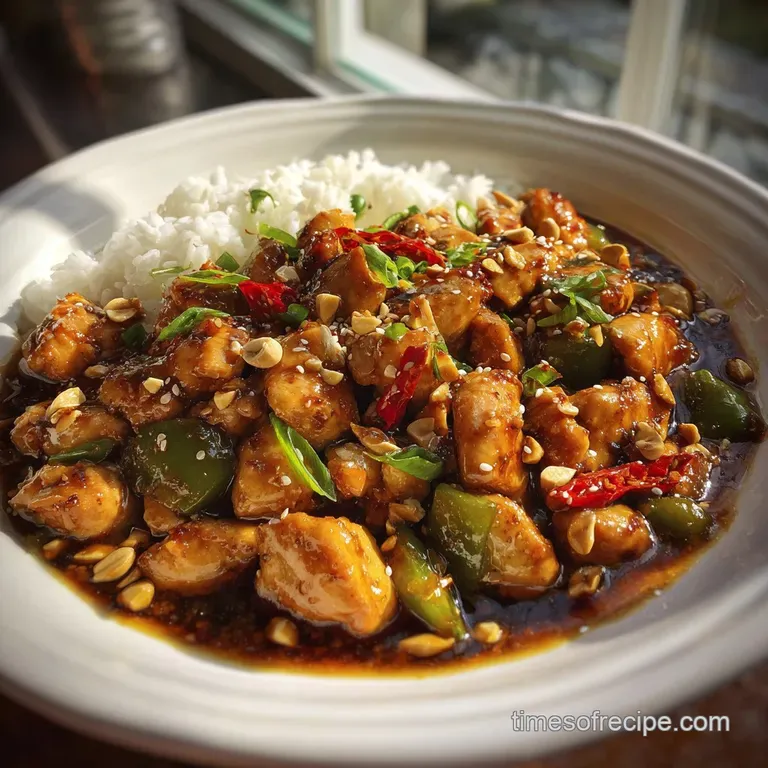
- Time: Active 20 mins, Passive 10 mins, Total 30 mins
- Flavor/Texture Hook: Velvety chicken paired with shatter crisp peanuts
- Perfect for: Bold Friday nights or satisfying meal prep
- Authentic Kung Pao Chicken Stir Fry
- The Science of the Velveting Veil
- Essential Recipe Specifications
- Fresh Components for Bold Flavor
- Basic Kitchen Tools Needed
- Step by Step Assembly
- Avoiding Common Stir Fry Mistakes
- Swaps for Custom Flavor Profiles
- Myths About Wok Cooking
- Storing and Using Leftovers
- Serving and Pairing Suggestions
- Very High in Sodium
- Recipe FAQs
- 📝 Recipe Card
Authentic Kung Pao Chicken Stir Fry
The first time I attempted this Kung Pao Chicken Stir Fry, I nearly cleared out the entire house. I had the wok screaming hot, tossed in a handful of dried chilies, and within seconds, a cloud of capsaicin smoke sent my husband and kids running for the backyard.
It was a chaotic mess, but that scent that deep, toasted, spicy aroma hooked me instantly. I knew I had to get the balance right without calling the fire department next time.
After years of tinkering, I realized this dish isn't about blinding heat. It’s about the "Gong Bao" profile, which is a beautiful dance between salty, sweet, sour, and that signature numbing sensation.
When you hit the pan with that dark vinegar, the steam carries a sharp, fermented tang that makes your mouth water before the plate even hits the table. It’s the kind of hearty meal that feels like a big, spicy hug.
We’ve traded the takeout containers for a heavy skillet because honestly, nothing beats the sizzle of fresh ginger hitting hot oil. This recipe is all about the prep. Once the flame is on, things move fast.
You’ll see the sauce transform from a thin liquid into a glossy, dark glaze that clings to every 1/2 inch cube of chicken. It’s satisfying, bold, and way better than anything arriving in a plastic bag.
The Science of the Velveting Veil
Starch Gelatinization: The cornstarch in the marinade creates a thin, protective barrier that hydrates and swells when it hits the heat. This prevents the protein fibers from tightening up and squeezing out moisture, keeping the meat velvety.
| Thickness | Internal Temp | Rest Time | Visual Cue |
|---|---|---|---|
| 1/2 inch cubes | 165°F | 2 mins | No pink in center |
| 1 inch chunks | 165°F | 4 mins | Opaque and firm |
| Sliced strips | 165°F | 1 min | Edges start to curl |
The cook time for your Kung Pao Chicken Stir Fry depends heavily on how consistently you dice the meat. I always aim for 1/2 inch cubes because they sear quickly without drying out the center. If you're looking for another crowd pleaser with a different vibe, my Buffalo Chicken Dip recipe is a fantastic creamy alternative for game days.
Essential Recipe Specifications
Getting this dish right requires a bit of focus on the details. You want your chicken to have that specific "snap" when you bite into it. If the pieces are too large, the sauce won't coat them properly, and you'll miss out on that concentrated flavor punch.
I’ve found that using 1.5 lbs of boneless skinless chicken breast is the sweet spot for a family of four. It provides enough protein to feel hearty while leaving plenty of room in the pan for the scallions and peanuts to get their moment in the sun.
This isn't just about the chicken; it's about the textures working together.
| Feature | Fresh Prep | Shortcut Version |
|---|---|---|
| Aromatics | Minced fresh ginger | Bottled ginger paste |
| Peanuts | Toasted in the pan | Pre roasted jarred nuts |
| Heat Level | Whole dried chilies | Red pepper flakes |
Fresh Components for Bold Flavor
While the pantry staples do the heavy lifting, the fresh aromatics are what truly bring this Homemade Kung Pao Chicken Stir Fry to life.
- Chicken Breast (1.5 lbs): Diced small. Why this? Lean protein absorbs the marinade effectively for a velvety texture.
- Chinkiang Black Vinegar (3 tbsp): The soul of the dish. Why this? Adds a complex, malty acidity that white vinegar cannot mimic.
- Dried Sichuan Chilies (15 halved): Adjust to your heat tolerance. Why this? Provides essential smoky aroma and visual appeal.
- Sichuan Peppercorns (1 tsp): Lightly crushed. Why this? Creates the "mala" numbing sensation that defines the dish.
- Roasted Peanuts (0.5 cup): Unsalted is best. Why this? Provides a necessary shatter crisp texture against the soft chicken.
| Ingredient | Substitute | Why It Works |
|---|---|---|
| Chinkiang Vinegar | Balsamic + Lime | Mimics the dark, fruity, and acidic notes. Note: Slightly sweeter outcome. |
| Shaoxing Wine | Dry Sherry | Similar alcohol content and fermented depth for marinades. |
| Peanut Oil | Grapeseed Oil | Both have high smoke points; keeps the flavor neutral. |
Chef's Tip: If you don't have Chinkiang vinegar, don't just use plain white vinegar. Mix balsamic with a splash of soy sauce to get closer to that deep, fermented funk we're after.
Basic Kitchen Tools Needed
You don't need a commercial kitchen to make an Authentic Kung Pao Chicken Recipe, but a few specific tools make the process much smoother. A heavy bottomed skillet or a carbon steel wok is your best friend here because it holds heat like a champ.
When you're tossing the chicken, you want that over high heat sear to happen instantly. If the pan temperature drops, the meat will steam instead of searing, and you'll lose that beautiful browning.
I also highly recommend using a sharp chef's knife for the dicing; consistency is king when you're working with such short cook times.
step-by-step Assembly
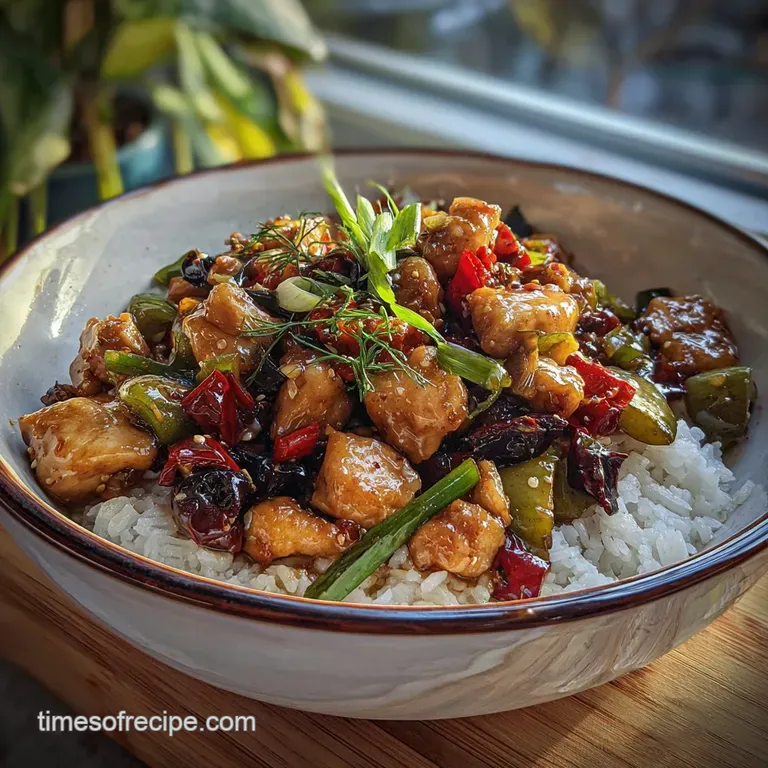
- Whisk the marinade. Combine the diced chicken with 1 tbsp light soy sauce, 1 tbsp Shaoxing wine, 2 tsp cornstarch, and 1 tsp vegetable oil. Note: The oil helps separate the pieces in the pan.
- Mix the sauce. Stir together 3 tbsp Chinkiang vinegar, 2 tbsp light soy sauce, 1 tsp dark soy sauce, 2 tbsp sugar, 1 tsp cornstarch, and 1 tsp sesame oil.
- Prep the aromatics. Slice the garlic, mince the ginger, and cut the scallions into 1 inch lengths.
- Heat the oil. Add 3 tbsp peanut oil to your wok over high heat until you see a faint wisp of smoke.
- Toast the spices. Toss in the chilies and crushed peppercorns for 30 seconds until the air smells spicy and toasted.
- Sear the chicken. Add the chicken in a single layer and let it sit for 2 minutes until a golden crust forms.
- Add aromatics. Stir in the garlic and ginger, tossing frequently for 1 minute until fragrant and softened.
- Pour the sauce. Give the sauce a quick re stir and pour it over the chicken.
- Thicken the glaze. Toss everything together for 2 minutes until the sauce becomes glossy and thick.
- Finish with crunch. Fold in the scallions and peanuts just before serving.
| Problem | Root Cause | Solution |
|---|---|---|
| Gummy sauce | Too much cornstarch | Whisk in a tablespoon of water |
| Bland chicken | Skipped the marinade | Let meat sit in soy/wine for 20 mins |
| Burnt chilies | Pan was too hot | Remove chilies if they turn black |
If you enjoy the process of building a complex sauce like this, you might also like the technique in our Orange Chicken recipe, which uses a similar cornstarch base for that classic glossy finish.
Avoiding Common Stir Fry Mistakes
One of the biggest hurdles is overcrowding the pan. When you dump too much cold meat into a hot skillet, the temperature nose dives. Instead of a sizzle, you get a pool of gray liquid. If you're doubling the recipe, work in batches. It takes a few extra minutes, but the texture difference is massive.
Another mistake is forgetting to re stir the sauce. Cornstarch settles at the bottom of the bowl within minutes. If you pour the sauce in without a quick whisk, you’ll end up with a watery mess and a big clump of gel at the bottom of the pan.
Why Your Stir Fry Is Watery
If your dish looks more like a soup than a glazed stir fry, it's usually because the pan wasn't hot enough or the chicken was still wet before marinading. Moisture is the enemy of a good sear. Always pat your chicken dry with paper towels before you start the velveting process.
Why Your Peanuts Are Soggy
Peanuts should be added at the very last second. If they sit in the simmering sauce for too long, they lose their crunch and become soft. You want that contrast between the velvety chicken and the snap of the nut.
Common Mistakes Checklist
- ✓ Use a high smoke point oil like peanut or canola (avoid olive oil).
- ✓ Cut the chicken into uniform 1/2 inch pieces for even cooking.
- ✓ Have all ingredients chopped and ready before turning on the stove.
- ✓ Don't walk away from the pan; the chilies can burn in seconds.
- ✓ Use Chinkiang vinegar for the authentic malty flavor profile.
Swaps for Custom Flavor Profiles
If you're out of a specific ingredient or want to lighten things up, there are plenty of ways to adapt this Quick Kung Pao Chicken Stir Fry.
- Protein: Swap chicken for firm tofu or large shrimp. If using tofu, press it first to remove excess water so it can crisp up.
- Veggie Boost: Add diced bell peppers or celery for extra crunch and color.
- Spice Level: Leave the dried chilies whole to keep the heat mild, or chop them up to release all the seeds for a fiery kick.
If you find yourself needing a simpler meal for a busy weeknight, our Forgotten Chicken Recipe is a much more hands off approach that still delivers high on comfort.
| Scale | Adjustment | Strategy |
|---|---|---|
| Half (2 servings) | Use 0.75 lbs chicken | Keep pan size the same for better sear. |
| Double (8 servings) | Use 3 lbs chicken | Cook chicken in 2 batches; combine at the end. |
| Triple (12 servings) | Use 4.5 lbs chicken | Use two separate pans to maintain high heat. |
Myths About Wok Cooking
- You need a jet burner to get "wok hei." While commercial burners help, you can achieve incredible flavor on a home stove by letting your pan get properly hot before adding ingredients. It's about heat management, not just raw BTUs.
- Sichuan peppercorns are just "hot." They aren't actually spicy in the way a chili is. They provide a tingling, numbing sensation (parasthesia) that changes how you perceive the other flavors in the dish.
- Cornstarch makes the dish unhealthy. In reality, the tiny amount used in velveting actually prevents the meat from soaking up excessive oil, acting as a barrier rather than just a filler.
Storing and Using Leftovers
This Traditional Kung Pao Stir Fry holds up surprisingly well for meal prep. Store leftovers in an airtight container in the fridge for up to 3 days. When reheating, I suggest using a skillet over medium heat with a splash of water to loosen the sauce.
The microwave works in a pinch, but the peanuts will definitely lose their crispness.
For zero waste cooking, don't throw away the scallion whites. You can toss them into the oil at the start with the ginger and garlic for a deeper onion flavor. Also, any leftover sauce can be kept in a jar for up to a week; it makes a fantastic quick glaze for roasted salmon or even stir fried broccoli.
Serving and Pairing Suggestions
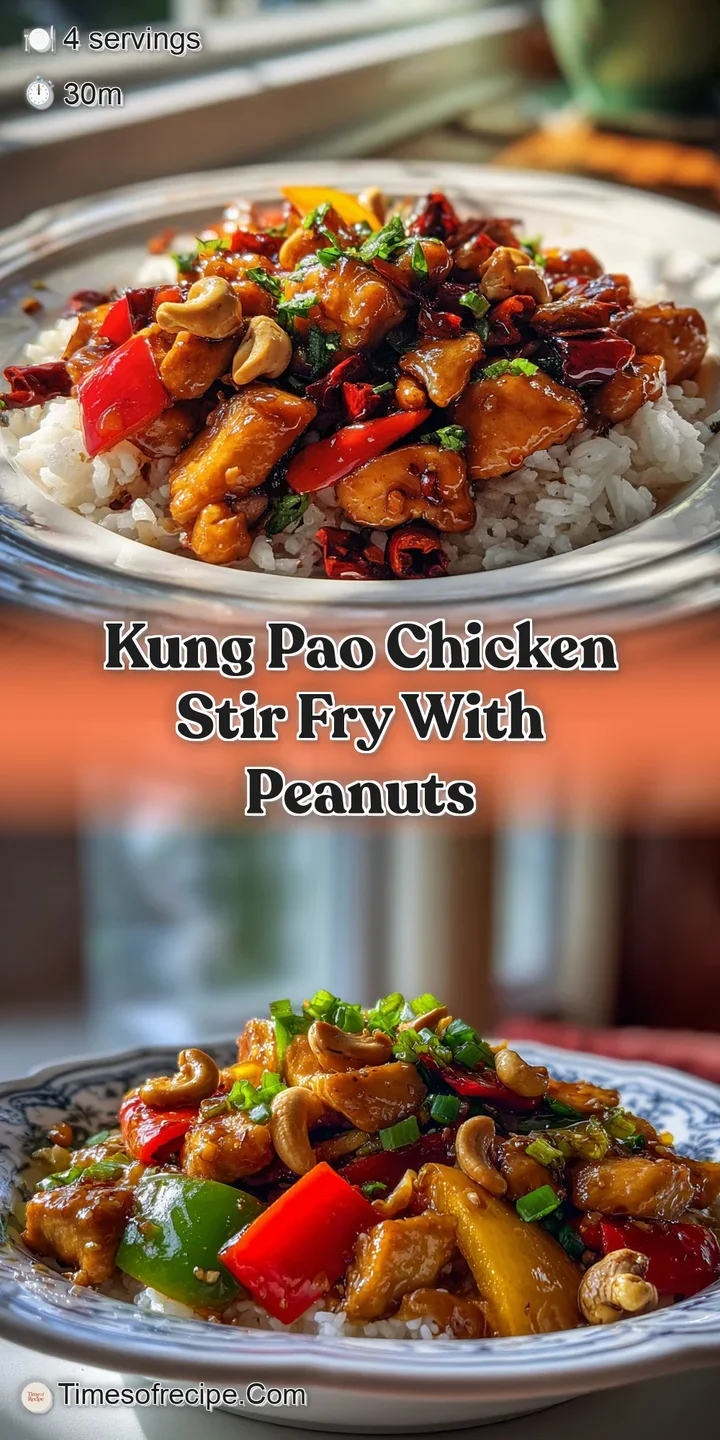
I almost always serve this over a steaming bed of jasmine rice. The grains are perfect for soaking up that extra sauce. If you want something different, Kung Pao Chicken with Noodles is a fantastic variation just toss cooked lo mein noodles into the pan at the very end with an extra splash of soy sauce.
For a full feast, pair this with a crisp cucumber salad dressed in sesame oil and rice vinegar. The coolness of the cucumber balances the numbing heat of the peppercorns perfectly. It creates a satisfying, well rounded meal that hits every taste bud.
Very High in Sodium
1245 mg 1245mg of sodium per serving (54% 54% of daily value)
The American Heart Association recommends limiting sodium intake to about 2,300mg per day for adults.
Tips to Reduce Sodium in Your Kung Pao Chicken
-
Reduce Soy Sauce-20%
Soy sauce is a major sodium contributor. Reduce the total amount of light soy sauce used (both in the marinade and sauce) by 50% and replace the difference with low-sodium broth or water. Consider omitting dark soy sauce entirely, which contributes color more than flavor.
-
Omit Salt Entirely
This recipe does not list salt as an ingredient, so do not add any salt at any stage to reduce overall sodium content.
-
Spice It Up!
Emphasize other flavors to compensate for less salt. Increase the amount of Sichuan chilies and peppercorns to add heat and complexity without adding sodium. Consider adding a pinch of red pepper flakes too.
-
Use Unsalted Peanuts-10%
Ensure you are using unsalted roasted peanuts. Even lightly salted peanuts can significantly increase the sodium content.
-
Fresh Herbs & Spices
Use fresh ginger, garlic, and scallions. Fresh herbs and spices add flavor without adding sodium. Experiment with other aromatics such as star anise or cinnamon for added depth.
Recipe FAQs
What are the core ingredients in a traditional Kung Pao Chicken Stir Fry?
Chicken, dried chilies, Sichuan peppercorns, and Chinkiang black vinegar. The chicken is typically marinated using a velveting technique involving cornstarch to ensure a tender texture, complemented by roasted peanuts for crunch.
How should I use the pre-mixed Kung Pao stir fry sauce?
Whisk the sauce thoroughly immediately before adding it to the pan. Cornstarch settles quickly, so ensure you stir until homogenous right before pouring it over the cooked chicken and aromatics in step 8.
How long does it realistically take to cook Kung Pao Chicken on high heat?
Total active cooking time is around 15-20 minutes once everything is prepped. The chicken searing takes about 5 minutes, aromatics 1 minute, and the final sauce thickening is quick, so preparation time is crucial for success.
How do the Chinese tenderize chicken for authentic stir fry dishes?
Use the velveting technique, which involves marinating the chicken in egg white, rice wine, and cornstarch. The cornstarch gelatinizes when heated, forming a protective coating that locks in moisture, making the meat incredibly succulent.
Is it true that Chinkiang vinegar can be substituted with regular white vinegar?
No, substituting with plain white vinegar results in a completely different flavor profile. Chinkiang vinegar provides a complex, malty, and slightly sweet depth that defines the classic Kung Pao taste; try using balsamic mixed with soy sauce instead if necessary.
What is the best way to avoid burning the dried chilies in the hot oil?
Toast them very briefly (30 seconds) over medium high heat before adding the chicken, and remove them if they begin to blacken. Learning to manage high heat is key to stir frying; if you enjoyed mastering this technique, apply the same temperature control principles when learning our Turkey Quinoa Skillet One-Pot Ready in 30 Min.
Can I use pre-roasted peanuts without toasting them first?
Yes, but they will lack the peak flavor intensity of freshly toasted nuts. For maximum crunch and aroma, toss them in the dry wok for 2 minutes before you start, or add them in the last 30 seconds of cooking if you are pairing this with something like the Easy Chicken Apple Sandwich Recipe: Pan-Seared Chicken.
Kung Pao Chicken Stir Fry Recipe
Ingredients:
Instructions:
Nutrition Facts:
| Calories | 562 kcal |
|---|---|
| Protein | 42.8 g |
| Fat | 34.5 g |
| Carbs | 18.2 g |
| Fiber | 2.4 g |
| Sugar | 7.8 g |
| Sodium | 1245 mg |
