Leftover Prime Rib Recipe with Garlic and Herbs
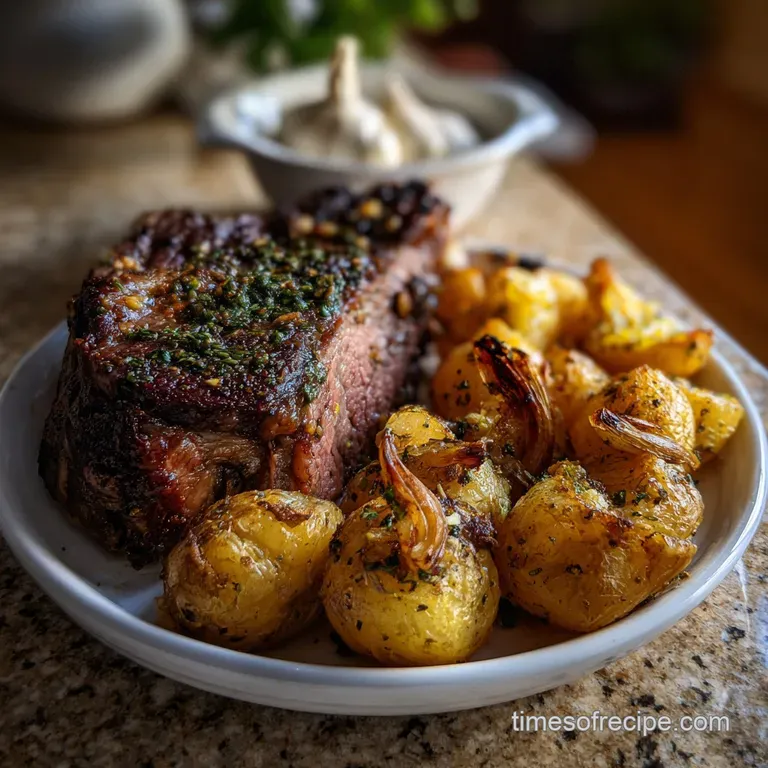
- Time: Active 20 minutes, Passive 6 minutes, Total 26 minutes
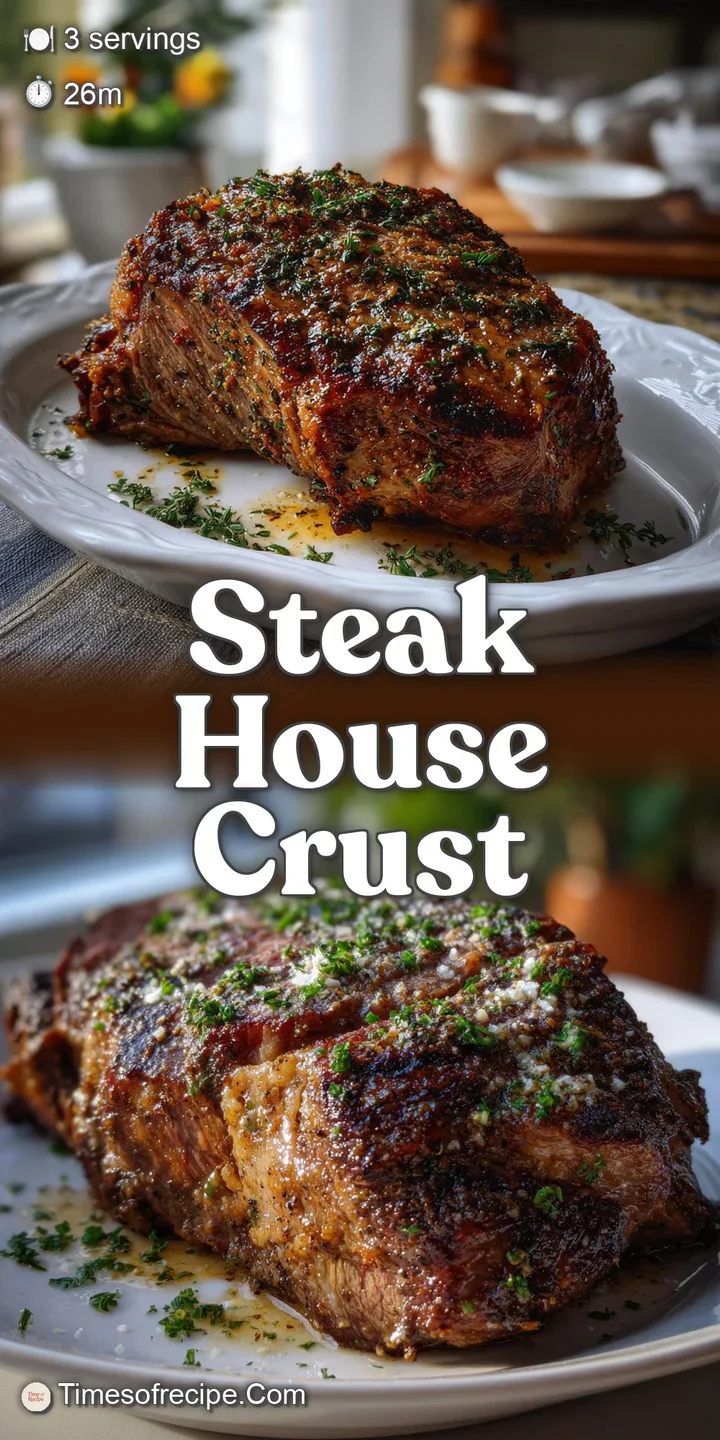
- Flavor/Texture Hook: A shatter crisp mahogany crust giving way to a velvety, warm center.
- Perfect for: A satisfying post holiday lunch or a quick, hearty weeknight dinner.
- Reasons This Seared Method Wins
- Key Metrics for Best Results
- Ingredients for Bold Flavor Profiles
- Proper Gear for Better Searing
- Step-by-Step Basting Guide
- Troubleshooting Your Meat Reheating
- Creative Twists for Next Time
- Scaling and Sustainability Tips
- Plating for a Hungry Group
- Recipe FAQs
- 📝 Recipe Card
The sound of that first thick slice of cold beef hitting a screaming hot Lodge Cast Iron Skillet is enough to wake up anyone in the house. You know that smell, right? It is that intoxicating mix of rendered beef fat, toasted garlic, and woodsy rosemary that fills the kitchen and makes the "crowded table" feel alive again.
This is the only leftover prime rib recipe you'll ever need, bursting with garlic and herbs.
I used to just microwave my leftovers, which honestly, was a crime against the meat. It turned gray, rubbery, and sad. Then I realized that treating a leftover slice like a fresh steak is the secret to a satisfying second meal that might even be better than the original roast.
We are going for bold, punchy flavors here that cut through the richness of the beef.
Don't worry about it being "just leftovers." When you hit this with 1 tbsp of unsalted butter and fresh herbs, it feels like a brand new celebration. We are talking about a meal that brings people back to the table for round two, no questions asked.
Reasons This Seared Method Wins
- Maillard Resurrection: High heat triggers a secondary Maillard reaction on the cut surfaces of the beef, creating a savory, dark crust that wasn't there during the original roasting.
- Conductive Heat Transfer: Using a heavy skillet allows for direct, even heat transfer, which warms the interior quickly without overcooking the delicate protein fibers.
- Aromatic Fat Infusion: The volatile oils in the 3 sprigs of fresh thyme and 1 sprig of rosemary dissolve into the 1 tbsp of unsalted butter, coating the meat in a fragrant, herbal film.
- Thermal Buffering: Allowing the 1 lb of beef to sit at room temperature for 20 minutes ensures the center isn't an ice cube when the outside is perfectly browned.
I remember one Christmas when I rushed this and threw the beef in straight from the fridge. The outside was charred, but the middle was still cold enough to make me wince. Trust me, that 20 minute wait is the difference between a mediocre snack and a hearty dinner.
It’s all about managing how the heat moves through the meat.
Chef's Note: Freeze your butter for 10 minutes before adding it to the pan. This allows the milk solids to toast more slowly, giving you more time to baste the herbs over the beef without the butter burning.
Key Metrics for Best Results
To get that satisfying result, we need to keep an eye on a few specific numbers. Cooking by feel is great, but these checkpoints ensure you don't end up with a rubbery mess.
| Metric | Target Value | Why It Matters |
|---|---|---|
| Meat Temperature | 65°F to 70°F (Pre cook) | Prevents a cold center while searing the exterior. |
| Skillet Temperature | 400°F to 425°F | Essential for the "shatter" crust and instant sizzle. |
| Pull Temperature | 120°F (Internal) | Residual heat brings it to a perfect 125°F medium rare. |
Similar to how you'd treat a fresh Ribeye Roast recipe, precision here keeps the texture velvety rather than tough.
Ingredients for Bold Flavor Profiles
For this recipe, we are keeping things simple but high-quality. You need 1 lb of leftover prime rib, specifically cut into 1 inch thick slices. If they are too thin, they'll overcook before you get a crust.
- 1 lb Leftover Prime Rib: Cold, cut into 1 inch thick slices. Why this? Provides the hearty base and enough surface area for a massive sear.
- 1 tsp Coarse Sea Salt: Maldon or Diamond Crystal works best. Why this? Adds a satisfying crunch and draws out the beef's natural juices.
- 0.5 tsp Cracked Black Pepper: Freshly ground is non negotiable here. Why this? Provides a sharp, floral heat to balance the rich fat.
- 4 cloves Fresh Garlic: Smashed but kept whole. Why this? Perfumes the oil without burning as easily as minced garlic.
- 3 sprigs Fresh Thyme: Whole stems. Why this? Releases earthy notes that pair perfectly with the rosemary.
- 1 sprig Fresh Rosemary: Woody and fragrant. Why this? The essential herb for that classic steakhouse aroma.
- 1 tbsp Avocado Oil: Or another high smoke point oil. Why this? Allows for a over high heat sear without the oil smoking out your kitchen.
- 1 tbsp Unsalted Butter: Kerrygold or another high fat butter. Why this? Creates the "velvety" mouthfeel and carries the herb flavors.
Component Analysis
| Ingredient | Science Role | Pro Secret |
|---|---|---|
| Avocado Oil | Thermal Medium | Has a 500°F smoke point, preventing bitter, burnt flavors during the sear. |
| Fresh Garlic | Allicin Release | Smashing the clove breaks cell walls, releasing sulfur compounds into the fat. |
| Sea Salt | Protein Denaturation | Helps the surface proteins tighten, creating a more "shatter like" crust. |
Ingredient Swaps
| Original Ingredient | Substitute | Why It Works |
|---|---|---|
| Avocado Oil | Ghee (Clarified Butter) | High smoke point with a built in nutty flavor. |
| Fresh Rosemary | Dried Thyme (1/2 tsp) | Use only if fresh is unavailable. Note: Lacks the bright, woodsy punch. |
| Sea Salt | Soy Sauce (1 tsp) | Adds umami. Note: Will darken the crust significantly and may burn. |
Proper Gear for Better Searing
You don't need a kitchen full of gadgets, but a couple of heavy duty items make this Leftover Prime Rib Recipe with Garlic and Herbs much easier to manage.
- Lodge Cast Iron Skillet: This is the heavy hitter. It holds heat like nothing else, which is vital when you drop cold meat into it. If you use a thin pan, the temperature drops instantly, and you'll end up steaming the meat instead of searing it.
- Long Handled Tongs: OXO Good Grips are my favorite. You need control when flipping the beef so you don't splash hot oil.
- Large Metal Spoon: For the basting. You want something deep enough to scoop up that bubbling herb butter.
- Instant Read Thermometer: Something like a Thermapen is a lifesaver to ensure the middle is warm without being gray.
step-by-step Basting Guide
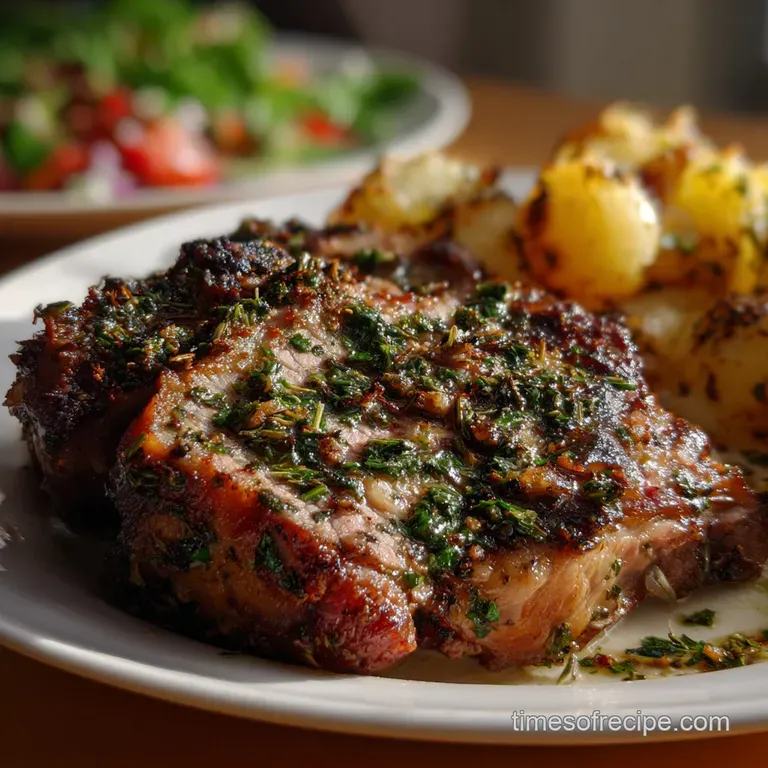
Preparing the Meat for Heat
- Temper the beef. Take your 1 lb of prime rib out of the fridge and let it sit on the counter for 20 minutes. Note: This reduces the thermal shock when it hits the pan.
- Dry the surface. Use a paper towel to pat the meat bone dry on all sides. Note: Moisture is the enemy of a crispy sear; steam will ruin the crust.
- Season generously. Sprinkle the 1 tsp coarse sea salt and 0.5 tsp cracked black pepper onto both sides of the meat, pressing it in with your palms.
Mastering the Flash Sear
- Heat the skillet. Place your Lodge skillet over medium high heat and add 1 tbsp avocado oil. Heat until the oil is shimmering and wisps of smoke appear.
- Sear the first side. Lay the beef slices into the pan, moving away from you to avoid splashes. Press down lightly with tongs.
- Develop the crust. Cook for 2 to 3 minutes without moving the meat until a dark, mahogany crust forms.
- Flip carefully. Turn the slices over. You should see a beautiful, crackling surface.
Infusing and Basting
- Add the aromatics. Drop in 1 tbsp unsalted butter, 4 smashed garlic cloves, 3 sprigs of thyme, and 1 sprig of rosemary. Note: The butter will foam up immediately as the water evaporates.
- Baste the beef. Tilt the pan so the butter pools at the bottom with the herbs. Use your spoon to pour that liquid gold over the beef repeatedly for 2 minutes until the herbs smell toasted and fragrant.
- Rest the meat. Remove the beef from the pan and let it rest for 3 minutes before serving. Note: This allows the juices to redistribute for a velvety texture.
Troubleshooting Your Meat Reheating
Nothing is worse than ruining a perfectly good piece of expensive beef the second time around. Here is how to handle the most common hiccups.
The Center Stays Ice Cold
This usually happens if you skip the tempering step. If the outside looks done but the inside is cold, don't keep searing it. Turn off the heat, cover the pan with a lid, and let it sit for 2 minutes. The residual steam will gently warm the center without toughening the exterior.
The Garlic Burnt and Bitter
Garlic can go from perfect to charcoal in seconds. If you see the garlic turning dark brown, immediately scoop it out of the pan or slide the beef on top of the cloves to shield them from the direct heat of the skillet.
| Problem | Cause | Fix | Pro Tip |
|---|---|---|---|
| Gray, Steamed Meat | Pan wasn't hot enough | Remove meat, wipe pan, reheat until smoking | Use cast iron for better heat retention |
| Butter Smoking Heavily | Heat is too high | Slide pan off the burner for 30 seconds | Use frozen butter to drop the pan temp slightly |
| No Crust Forming | Meat was too wet | Pat dry with extra paper towels | Salt the meat 10 mins before to draw out moisture |
Creative Twists for Next Time
While I love the classic garlic and herb vibe, you can totally change the flavor map based on what you have in the pantry.
- Zesty Chimichurri Twist: Instead of the butter baste, sear the meat in oil and top it with a fresh mix of parsley, oregano, vinegar, and chili flakes. It cuts right through the fat.
- Blue Cheese Melt: In the last 30 seconds of cooking, place a thick slice of gorgonzola on top and cover the pan. It creates a funky, satisfying sauce that pairs well with the rosemary.
- Asian Inspired Ginger Garlic: Swap the herbs for sliced ginger and use sesame oil with the avocado oil. It’s a completely different experience but just as hearty.
If you are looking for a different vibe entirely, you might enjoy the garlic profile in this Beef Tenderloin Recipe, which uses a similar herb heavy approach.
Scaling and Sustainability Tips
If you find yourself with a massive amount of meat after a party, you can easily double this. Just remember to work in batches. If you crowd the pan with 2 or 3 lbs of beef at once, the temperature will plummet, and you won't get that "shatter" crust we're looking for.
Scaling Up or Down
- Doubling (2x): Use a second skillet or work in two batches. Only increase the salt and pepper to 1.5x to avoid over seasoning.
- Halving (1/2): No changes needed to the method, just use a smaller skillet to keep the butter from spreading too thin and burning.
Storage and Kitchen Waste
- Fridge: Store any leftover seared beef in an airtight container for up to 3 days.
- Freezer: You can freeze the sliced, raw leftovers for up to 2 months. Thaw completely in the fridge before attempting this recipe.
- Zero Waste: Don't throw away those herb stems! Toss the used rosemary and thyme sprigs into a bag in the freezer to use next time you're making a beef stock or a hearty soup. Even the garlic skins can go into the stock pot for extra flavor.
Plating for a Hungry Group
When you're serving a crowded table, presentation matters, even for leftovers. I like to slice the beef against the grain into 1/2 inch strips after it has rested. Fan them out on a warm platter and pour every single drop of that herb butter from the pan over the top.
What to Serve Alongside
- Garlic Mashed Potatoes: The butter from the pan is practically made to be stirred into mash.
- Crispy Brussels Sprouts: The bitterness of the sprouts balances the rich beef fat.
- A Bold Red Wine: A Cabernet Sauvignon or a Malbec has enough tannin to stand up to the garlic and herbs.
Debunking Kitchen Tales
- The Searing Myth: Searing meat does not "seal in" juices. Moisture is actually lost during the sear. However, the crust provides such a massive boost in flavor and texture that it is always worth the trade off.
- Room Temp Safety: Leaving meat out for 20 minutes is perfectly safe. Bacteria don't grow that fast, and the surface will be sterilized the moment it hits the 400°F oil anyway.
This is the kind of meal that makes you thankful for leftovers. It’s quick, it’s bold, and it’s deeply satisfying. If you've ever felt like your second day prime rib was a letdown, give this skillet method a shot. It turns a "problem" of having too much food into the best meal of the week. For another way to handle these leftovers, you should check out The Leftover Prime recipe for a velvety sandwich option.
Recipe FAQs
Can I skip resting the prime rib before searing the leftovers?
No, tempering is crucial. Letting the meat sit at room temperature for 20 minutes ensures the internal temperature evens out, preventing the outside from overcooking while the center is still cold.
What is the purpose of using high smoke point oil like avocado oil?
Yes, it's necessary for the Maillard reaction. A high smoke point (around 400°F to 425°F) allows you to achieve that intense, flavorful crust without the oil burning and creating bitter off-flavors in your baste.
My leftover slices are thin; can I still achieve a good sear?
No, stick to at least one-inch thickness. Thinner slices will cook through completely before you can develop a proper crust; they will likely steam or dry out during the quick sear process.
Can I substitute the fresh rosemary and thyme with dried herbs?
Yes, but reduce the amount significantly. Use only about a third of the dried measurement, as dried herbs are much more concentrated; the fresh herbs provide a brighter aromatic infusion during the butter baste.
Why did my butter burn before the beef was fully heated?
Your heat was too high, or the butter wasn't properly cooled. Try freezing the butter for 10 minutes before adding it; this allows the milk solids to toast slower, giving you more time to baste the aromatics over the meat without scorching.
What is the best way to incorporate extra garlic flavor without burning it?
Smash the cloves instead of mincing them. Whole or smashed garlic releases its aromatic oils into the fat more slowly than finely minced pieces, which prevents the garlic from incinerating during the high heat sear and basting phase.
If I want a different flavor profile, what technique should I focus on?
Focus on fat replacement and acid. If you want something lighter, you can skip the heavy butter baste entirely and instead use a bright, acidic topping, similar to the technique used to balance richness in our Chicken Bryan: The Best Copycat Recipe with Lemon Butter Sauce.
Leftover Prime Rib Garlic Herb
Ingredients:
Instructions:
Nutrition Facts:
| Calories | 535 kcal |
|---|---|
| Protein | 36g |
| Fat | 42g |
| Carbs | 1.7g |
| Fiber | 0.3g |
| Sugar | 0.1g |
| Sodium | 780mg |
