Lemon Pepper Seasoning Recipe
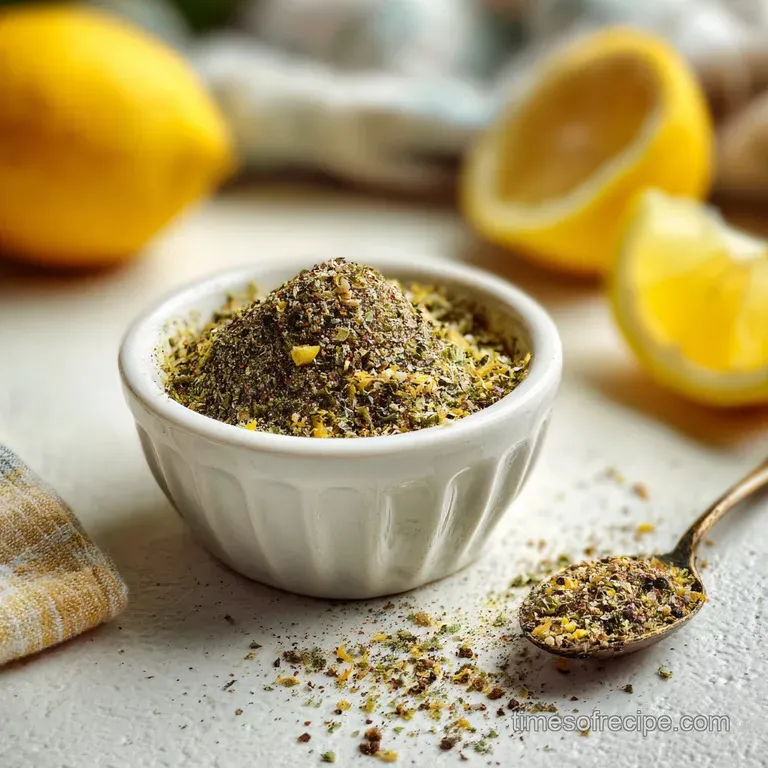
- Time: Active 15 minutes, Passive 1 hours, Total 1 hours 15 mins
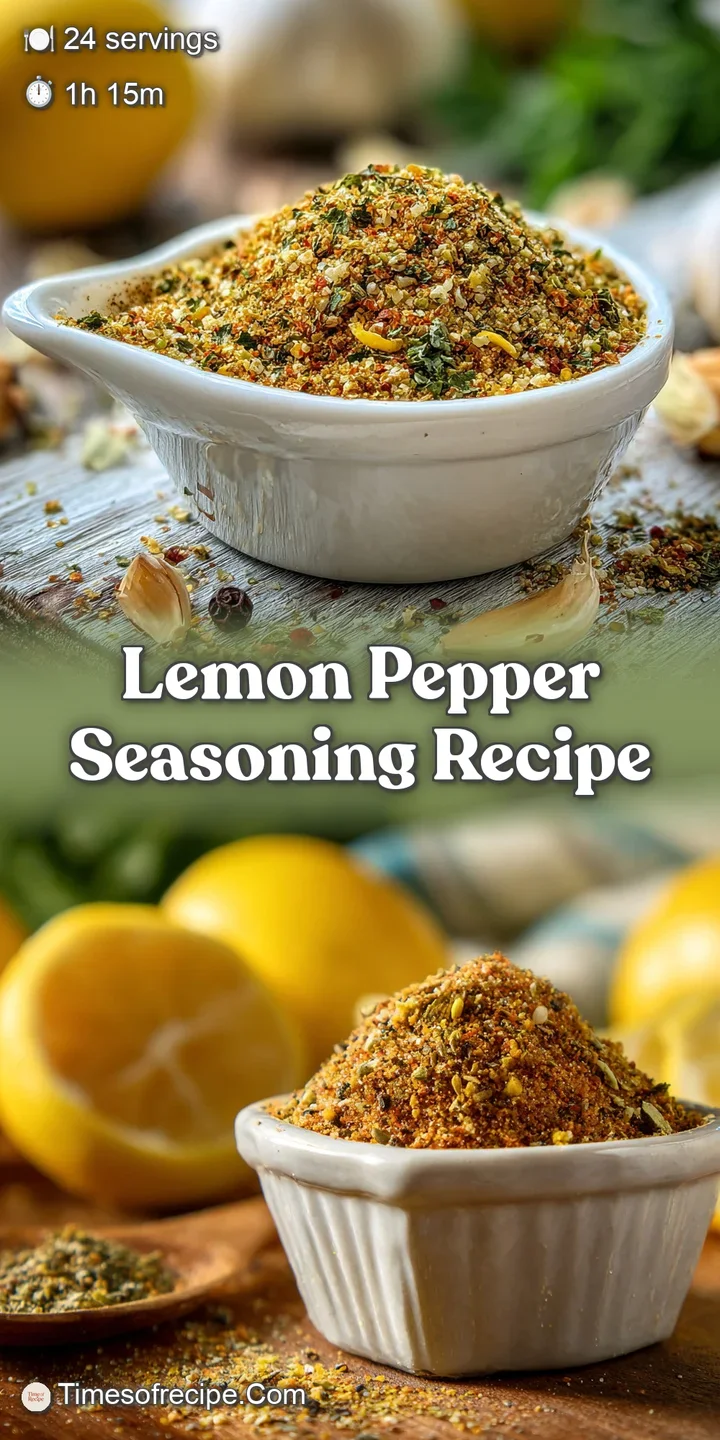
- Flavor/Texture Hook: Sharp, sun drenched citrus with a coarse, tongue tingling pepper shatter
- Perfect for: Weeknight chicken, grilled fish, or leveling up roasted vegetables
- The Ultimate Lemon Pepper Seasoning Recipe
- The Science of Why it Works
- Yield and Prep Time Statistics
- Fresh Citrus and Savory Spices
- Essential Tools for Grinding Spices
- Step by Step Mixing Guide
- Solving Common Seasoning Problems
- Flavorful Swaps and Creative Twists
- Storing for Maximum Freshness
- Best Dishes to Season Now
- High in Sodium
- Recipe FAQs
- 📝 Recipe Card
The Ultimate Lemon Pepper Seasoning Recipe
We've all been there, standing in the spice aisle, staring at those little plastic jars of lemon pepper. You bring one home, shake it onto a beautiful piece of salmon, and... nothing. It's usually just yellow colored salt with a faint hint of floor cleaner.
Honestly, don't even bother with those low flavor versions when the real thing is so easy to make in your own kitchen.
There is something truly satisfying about the aroma of fresh lemon zest filling your home as it dries in the oven. It smells like sunshine and comfort all at once. My family always knows when I'm prepping a batch because the kitchen starts to smell incredibly bright and sharp.
It is the secret weapon that makes a simple Tuesday night dinner feel like a bold, restaurant quality feast.
Right then, let's get into what actually works. I've spent years tweaking this blend, dealing with clumps and bitterness, until I found the exact ratio that provides that "Wingstop" style zing without the chemical aftertaste.
We are going to use real citrus oils and high-quality peppercorns to create a seasoning that actually tastes like, well, lemon and pepper.
The Science of Why it Works
Lipid Solubility: The essential oils in lemon zest are fat soluble, which means they bloom and become more fragrant when they hit the hot oil or butter on your protein.
Hygroscopic Osmosis: The kosher salt draws moisture out of the fresh zest during the over low heat drying process, concentrating the natural citric acid for a much sharper flavor profile.
| Method | Total Time | Flavor Profile | Best For |
|---|---|---|---|
| Fast (store-bought) | 0 mins | Salty, faint citrus, chemical | Emergency only |
| Classic (This Recipe) | 1 hours 15 mins | Bright, pungent, floral, bold | Gourmet home cooking |
This comparison shows why taking an extra hour is a massive win for your palate. While the store-bought version relies on "natural flavors" (which is often code for laboratory scents), this homemade version uses the actual physical oils stored in the lemon peel.
The difference in the finished dish is quite a shock the first time you try it.
Yield and Prep Time Statistics
Before we start zesting, it helps to know exactly what we are working with so you can plan your afternoon. This makes a generous batch that will last you through dozens of family dinners.
| Component | Measurement | Science Role | Pro Secret |
|---|---|---|---|
| Fresh Lemon Zest | 5 large lemons | Primary aromatic | Only zest the yellow part; the white pith is the enemy. |
| Citric Acid | 1 tsp | Flavor stabilizer | This provides the "sour" punch that doesn't fade with heat. |
| Whole Peppercorns | 1/4 cup | Heat source | Grinding fresh releases piperine for a sharper bite. |
The citric acid is the real secret here. While the lemons provide the scent and floral notes, the citric acid ensures that the "zing" sticks around even after over high heat roasting or frying. It keeps the flavors from falling flat when you use this lemon pepper seasoning recipe for chicken or fish.
Fresh Citrus and Savory Spices
For this recipe, we are keeping the ingredients simple but high-quality. Since there are so few elements, each one needs to pull its weight.
- 5 large lemons, zested: Why this? Fresh zest contains the essential oils that dried flakes simply lack.
- 1/4 cup whole black peppercorns: Why this? Pre ground pepper is dusty and dull; we want a coarse shatter.
- 1/4 cup kosher salt: Why this? The coarse grains help keep the mixture flowable and provide better crunch.
- 1 tbsp garlic powder: Why this? Adds a hearty, savory depth that rounds out the sharp acidity.
- 1 tsp onion powder: Why this? Provides a subtle sweetness to balance the heat of the pepper.
- 1 tsp citric acid: Why this? Mimics that professional wing joint tang that makes your mouth water.
If you are looking for a no salt lemon pepper seasoning recipe, you can simply omit the kosher salt and increase the onion powder by a teaspoon. However, for most hearty meals, that salt is essential for helping the citrus oils penetrate the meat.
Essential Tools for Grinding Spices
You don't need a professional laboratory, but a few specific tools will make your life much easier. I used to use a box grater for my lemons, but it was a total nightmare and I ended up with way too much bitter white pith.
- Microplane or fine zester: This is non negotiable for getting long, thin ribbons of zest without the bitterness.
- Spice grinder or mortar and pestle: A dedicated coffee grinder (cleaned well!) works brilliantly to get a uniform crack on the peppercorns.
- Large baking sheet: To spread the zest out thinly so it dries instead of steams.
- Parchment paper: Prevents the zest from sticking to the metal as it dehydrates.
Using a microplane is one of those small changes that yields a huge result. It allows you to shave off just the top layer of the peel where the flavor lives. If you see white, you've gone too deep. We want pure, bright yellow gold for this seasoning recipe.
step-by-step Mixing Guide
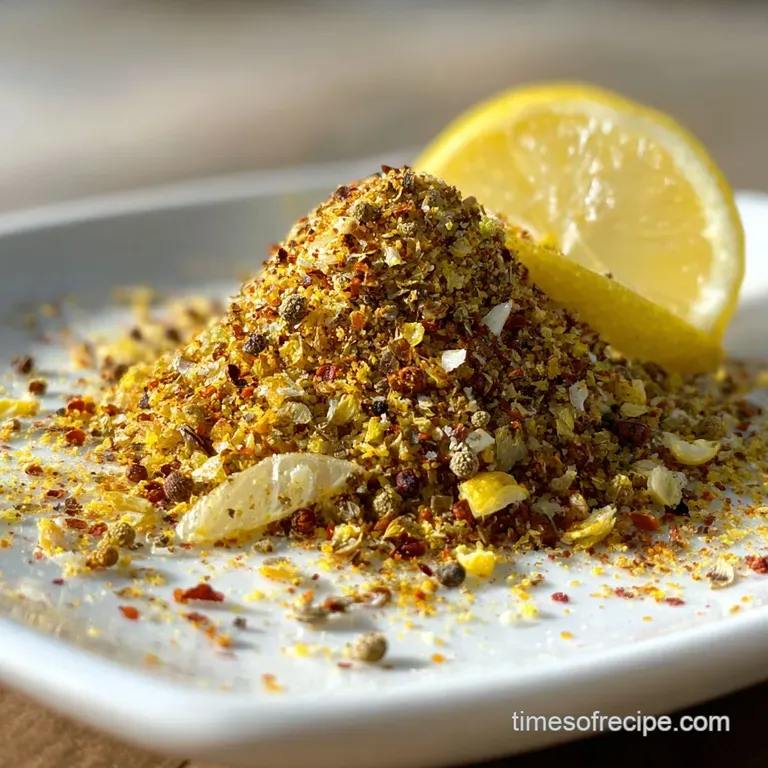
Let's crack on with the process. Follow these steps closely to ensure your seasoning stays punchy and shelf stable for months.
- Zest the lemons. Use your microplane to remove the yellow skin from all 5 lemons. Note: Stop as soon as you see the white pith to avoid bitterness.
- Combine zest and pepper. Mix the fresh lemon zest with the 1/4 cup of whole peppercorns in a small bowl.
- Pulse the mixture. Place the zest and peppercorns into a spice grinder. Pulse until the pepper is a coarse shatter—not a fine powder.
- Spread on parchment. Line a baking sheet with parchment paper and spread the pepper zest mixture in a very thin, even layer.
- Dehydrate the blend. Place in a 200°F (approx. 95°C) oven for about 1 hours. Check every 20 minutes to ensure it isn't browning.
- Test for dryness. The zest should be brittle and break easily when touched. If it feels leathery, it needs more time.
- Cool completely. Remove from the oven and let it sit on the counter for 15 minutes. Note: Adding salt to warm zest can cause clumping.
- Add remaining spices. Toss the dried mixture with the salt, garlic powder, onion powder, and citric acid.
- Final pulse (Optional). If you want a finer texture like a "Wingstop" clone, give the whole mix one last quick pulse in the grinder.
- Store properly. Transfer the finished blend into a clean glass jar.
Chef's Tip: If you really want to deepen the flavor, toast the peppercorns in a dry pan for 2 minutes until they smell fragrant before grinding them with the zest. This brings out a smoky, woody note that pairs perfectly with hearty meats.
Solving Common Seasoning Problems
Even with the best intentions, things can go a bit sideways. Usually, it comes down to moisture or how the lemons were handled.
Why Your Seasoning Tastes Bitter
If your blend has a harsh, lingering bitterness, you likely caught some of the lemon pith. The pith contains alkaloids that turn very bitter when heated. Always use a light touch when zesting. Another cause could be over roasting; if the zest turns brown, the sugars have burned, leaving a charred flavor.
Why Your Seasoning is Clumping
Clumping is almost always caused by residual moisture. If the zest wasn't 100% brittle before you added the salt, the salt will pull the remaining water out and create little rocks in your jar. You can fix this by spreading the mix back on a tray and drying it for another 15 minutes at a very low temp.
| Problem | Root Cause | Solution |
|---|---|---|
| Gritty Texture | Salt grains too large | Pulse the finished mix in a blender for 5 seconds. |
| Dull Aroma | Old peppercorns | Use whole peppercorns and grind them fresh for this batch. |
| No "Zing" | Missing citric acid | Stir in an extra 1/2 tsp of citric acid to brighten it up. |
Common Mistakes Checklist
- ✓ Pat the lemons completely dry before zesting (prevents clumping).
- ✓ Don't overcrowd the baking sheet - the zest needs airflow to dry.
- ✓ Avoid high heat; anything over 225°F will cook the zest rather than dry it.
- ✓ Let the mixture cool entirely before sealing the jar.
- ✓ Use glass storage containers; plastic can absorb the citrus oils over time.
Flavorful Swaps and Creative Twists
While this is the best lemon pepper seasoning recipe in its classic form, you can easily adapt it to suit your family's preferences or whatever you have in the pantry.
| Original Ingredient | Substitute | Why It Works |
|---|---|---|
| Kosher Salt (1/4 cup) | Smoked Sea Salt (1/4 cup) | Adds a deep, campfire aroma. Note: Best for grilled steaks or heavy fish. |
| Lemon Zest | Lime or Orange Zest | Changes the citrus profile. Note: Orange is sweeter; lime is much more floral/tart. |
| Black Peppercorns | White Peppercorns | Provides a fermented, earthier heat. Note: More "sneaky" heat than black pepper. |
If you want a quick lemon pepper seasoning recipe variation, you can add a tablespoon of dried thyme or oregano. This turns it into a Mediterranean style rub that works wonders on a Healthy Weeknight Dinners recipe featuring roasted chicken and potatoes.
For those who want to experiment with more earthy, Southern flavors, consider using a pinch of this seasoning on your greens or even in a Black Eyed Peas Recipe to cut through the smokiness of the ham hock. It provides a beautiful high note to those heavier, hearty dishes.
Storing for Maximum Freshness
Because we took the time to dehydrate the zest properly, this seasoning will stay potent for a long time. However, light and heat are the enemies of essential oils. Store your jar in a cool, dark cupboard not right next to the stove where the heat will cause the flavors to dissipate.
- Fridge/Pantry: Keep in an airtight glass jar for up to 6 months.
- Freezer: You can actually freeze the dry rub in a vacuum sealed bag for up to a year.
- Zero Waste: Don't throw those zested lemons away! Squeeze the juice into ice cube trays and freeze them. Use the lemon cubes for tea, cocktails, or to deglaze a pan after cooking your seasoned chicken.
Best Dishes to Season Now
This blend is incredibly versatile. Beyond the obvious choices like wings or tilapia, try shaking it over popcorn for a zesty snack or mixing it into softened butter to create a compound butter for steaks. It also makes a fantastic crust for pan seared tofu.
If you want a "Wingstop" clone, do this: Grind the final mixture into a very fine powder. Add an extra 1/2 tsp of citric acid. Toss the wings in melted butter first, then heavily coat with the seasoning.
One myth I hear a lot is that you can just use lemon juice instead of zest in a rub. That is simply not true. Juice adds liquid, which steams the meat and prevents a crispy crust. The zest provides the flavor without the moisture, which is why this homemade lemon pepper seasoning recipe is so superior for achieving that velvety, golden skin on poultry.
Another misconception is that the "lemon" flavor in store-bought mixes comes from lemons. Often, it's just lemongrass or "lemon oil" spray on salt. When you make it yourself, you are getting the full spectrum of the fruit the scent, the oils, and the tang.
Trust me, once you've had the real deal, you'll never go back to the yellow plastic jar again. It is a simple way to bring big, bold flavor to every hearty meal you serve.
High in Sodium
969 mg mg of sodium per serving (42% % of daily value)
The American Heart Association recommends limiting sodium intake to no more than 2,300mg per day for most adults.
Tips to Reduce Sodium in Your Lemon Pepper Seasoning
-
Reduce Salt by Half-25%
Kosher salt is a major contributor to the sodium content. Try reducing the amount of kosher salt to 1/8 cup, and adjust to taste.
-
No-Salt Substitute-20%
Consider replacing some of the kosher salt with a potassium based salt substitute (like Nu-Salt) to maintain flavor while drastically reducing sodium.
-
Boost Lemon Zest-10%
Enhance the lemon flavor by adding the zest of 1-2 extra lemons. More lemon will compensate for a reduction in salt.
-
Fresh Garlic is Best!-5%
Replace garlic powder with fresh, minced garlic. You can use 2-3 cloves of fresh garlic. Fresh garlic is more potent and flavorful, you may need to add to taste.
-
Fresh Onion is Best!-5%
Replace onion powder with fresh, minced onion. You can use 1/4 cup finely minced onion. Fresh onion is more potent and flavorful, you may need to add to taste.
-
Experiment with Herbs
Add sodium free herbs and spices like dried parsley, thyme, or rosemary to enhance the overall flavor profile and reduce reliance on salt.
Recipe FAQs
What are the main ingredients in lemon pepper seasoning?
Dried lemon zest, black peppercorns, kosher salt, garlic powder, onion powder, and citric acid. The zest provides the bright, aromatic oils, while the citric acid intensifies the tang. Grinding whole peppercorns ensures a fresh, pungent bite.
What's the secret to the best homemade lemon pepper seasoning?
Use fresh lemon zest and whole peppercorns, and add citric acid. Fresh zest captures potent essential oils that dried flakes lack, and whole peppercorns ground fresh offer superior flavor. Citric acid boosts the tartness for that signature zing.
What can I use as a substitute for lemon pepper seasoning?
Combine lemon zest, black pepper, garlic powder, and salt. For a quick fix, you can mix fresh lemon zest with freshly ground black pepper, garlic powder, and a pinch of salt. If you're looking to replicate a similar tangy flavor profile, consider our Chicken Bryan: The Best Copycat Recipe with Lemon Butter Sauce which utilizes a bright lemon sauce.
What are the ingredients in McCormick lemon pepper seasoning?
McCormick's blend typically includes lemon peel, black pepper, salt, citric acid, and silicon dioxide. They also often list "natural flavor" which can encompass various extracts. While convenient, homemade versions offer a more intense, fresh citrus aroma.
Can I use dried lemon zest instead of fresh for lemon pepper seasoning?
No, fresh zest is significantly better. Dried lemon zest lacks the potent essential oils found in fresh zest, resulting in a much duller flavor. The secret to its vibrancy lies in capturing those volatile oils right before they dissipate, as we do with New Years Eve Easy Dinner Idea with Garlic Butter Steak where fresh aromatics are key.
Why does my homemade lemon pepper seasoning clump?
Clumping is usually caused by residual moisture. If the lemon zest isn't completely dry before you mix in the salt, the salt will absorb the remaining water and form clumps. Ensure your zest is brittle before proceeding.
How long does homemade lemon pepper seasoning last?
Stored properly, it lasts up to 6 months. Keep the seasoning in an airtight glass jar in a cool, dark place like a pantry. Avoid storing it near the stove where heat can degrade the essential oils and diminish its potency.
Lemon Pepper Seasoning Recipe
Ingredients:
Instructions:
Nutrition Facts:
| Calories | 5 kcal |
|---|---|
| Protein | 0.2 g |
| Fat | 0.1 g |
| Carbs | 1.3 g |
| Fiber | 0.3 g |
| Sugar | 0.1 g |
| Sodium | 969 mg |
