Mangu Clásico: Silky Green Plantain Mash (Dominican Breakfast Staple)
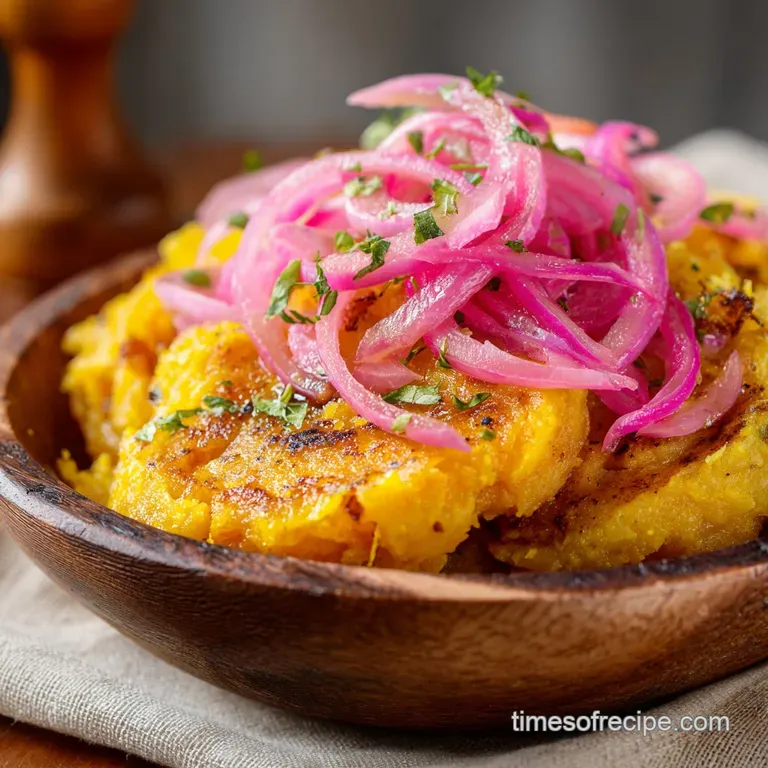
- Embracing Dominican Comfort: What is Authentic Mangu?
- Ingredients Checklist: Everything You Need for Classic Mangu
- Master the Process: Step-by-Step Instructions for Perfect Mangu
- Troubleshooting Your Mangu: Expert Tips and Avoiding Common Errors
- Storage Solutions: How to Keep Leftover Mangu Fresh
- Completing the Plate: Traditional Dominican Mangu Pairings
- Recipe FAQs
- 📝 Recipe Card
Embracing Dominican Comfort: What is Authentic Mangu?
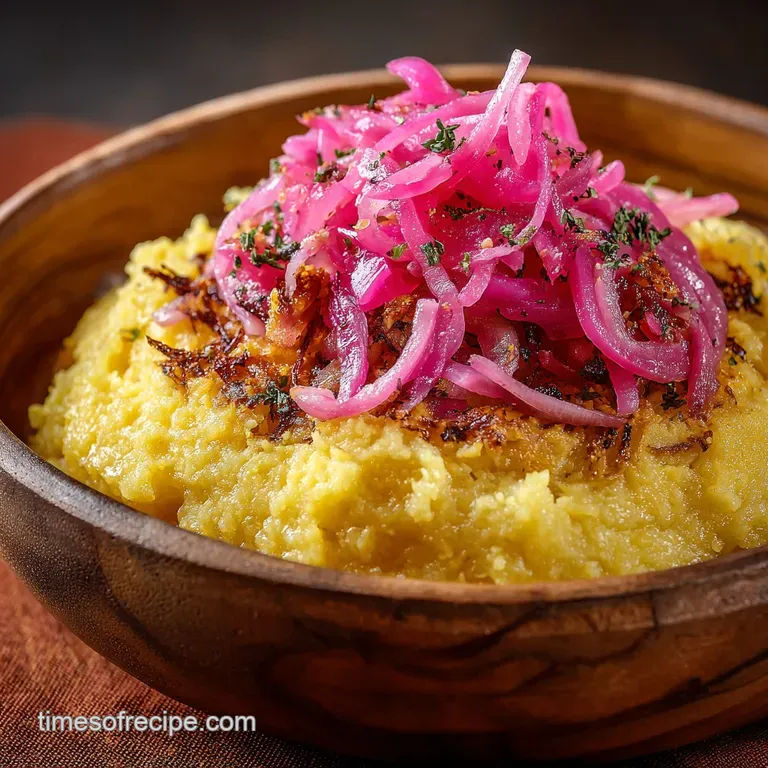
Imagine the richest, silkiest mashed potatoes you’ve ever had, but bolder, heartier, and slightly savory, without a hint of dairy. The aroma of starchy boiled plantain mixing with that sharp, vibrant vinegar from the onions is a sensory experience you won't soon forget.
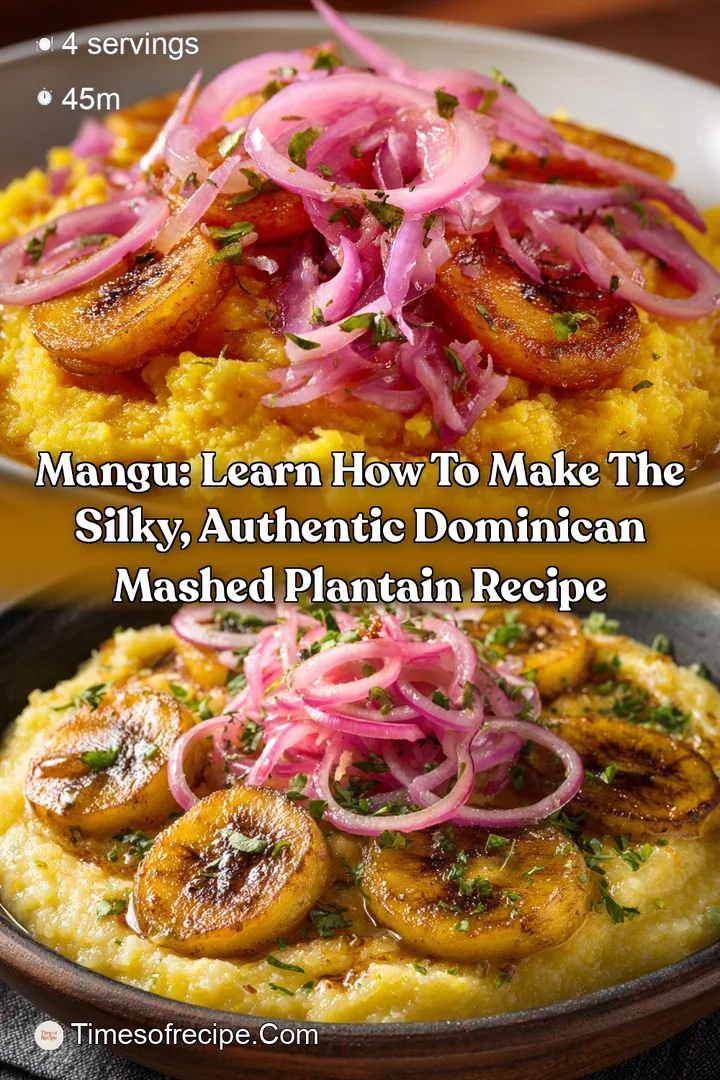
This dish, Mangu, is the undeniable queen of Dominican comfort food, celebrated for its dense, satisfying texture.
This Mangu recipe isn’t just food; it’s pure, uncomplicated fuel, often served as the cornerstone of the biggest meal of the day. It’s essentially starch, water, and fat, making it one of the most budget friendly, satisfying classics you can whip up quickly.
Seriously, once you master the boiling time, the rest is smooth sailing.
I made so many mistakes trying to achieve that perfect, non-gluey texture when I first started cooking this. I ruined entire batches! But I finally cracked the code, and now I’m sharing the real secrets to getting Mangu that is perfectly smooth, holds its shape beautifully, and tastes absolutely incredible.
Let's crack on with this Dominican power breakfast.
More Than Mash: The Cultural Significance of Mangu
Mangu is the backbone of "Los Tres Golpes," the iconic Dominican breakfast platter literally meaning "The Three Hits." This dish is about providing foundational energy and connecting with deep culinary roots.
It represents the heart of Dominican ingenuity, transforming a humble, starchy vegetable into something profoundly comforting.
The Secret to Perfect Mangu Texture: A Lesson in Plantain Starch
The major hurdle here is avoiding glue. Green plantains are loaded with starch, and if you mash them when they're cold or overwork them, they release a gooey substance that is frankly unpleasant. The secret is speed, heat, and fat.
We mash immediately after draining and incorporate a cold piece of butter or margarine right away. This step coats the starch granules, helping to achieve a pliable but stable consistency, preventing that dreaded sticky mess.
Why Pickled Red Onions (Cebolla Roja) are Essential
Mangu, on its own, is rich, dense, and starchy. It needs a high acid, pungent counterpart to balance the palate, and that’s where the gorgeous, bright pink cebolla roja comes in. These quick pickled onions provide a tangy, acidic kick that cuts through the fat and starch, making every bite dynamic.
Skip them at your peril; they are absolutely non-negotiable for an authentic experience.
Ingredients Checklist: Everything You Need for Classic Mangu
We are sticking to the basics here. You don't need fancy equipment or exotic spices, just excellent, firm green plantains and quality vinegar.
Selecting the Right Green Plantain: Firmness and Ripeness
This step is critical: Your plantains must be totally green, hard, and firm to the touch. If there is any yellowing or softening, they contain too much sugar and will taste sweet and mash into a softer, different texture, which is not what we want for a savory Mangu.
Essential Pantry Items for Dominican Cooking (Salt, Oil, Butter/Margarine)
For the best texture and flavor, we rely heavily on simple ingredients. Salt enhances the natural starch flavor during boiling. The fat (butter or margarine) adds richness and helps with the silky texture.
Traditionally, margarine is often used because of its subtle flavor and ease of mixing into the hot mash, but I prefer the flavor of butter.
Substitutions for Cebolla Roja Ingredients (Vinegar Types)
| Ingredient | Primary Choice | Viable Substitution | Notes on Swap |
|---|---|---|---|
| Plantains | Firm Green Plantains | Starchy Yucca (Cassava) or firm Yams | Adjust boiling time; texture will be slightly different. |
| Fat | Unsalted Butter/Margarine | Olive Oil or Lard | Use equal amounts; reduce salt if using salted lard. |
| Vinegar | Distilled White Vinegar | Apple Cider Vinegar | Flavor will be softer and sweeter; ensure it’s 5% acidity. |
Controlling Starch: Why Boiling Time Matters for Green Plantains
Boiling time ensures the plantain is tender enough to mash without struggling, but not so long that it starts to break down excessively in the water. We are looking for fork tender, not mushy. This process also creates the vital starchy cooking water , which is the absolute key to success.
Master the Process: step-by-step Instructions for Perfect Mangu
Preparing the Plantains: Peeling and Slicing Techniques
First, grab your sharpest knife. Green plantains have tough, sticky skin, so scoring them carefully is essential. Slice off both ends, then make three or four shallow lengthwise cuts just through the skin, from tip to tip. Use the knife edge to lever the skin off.
Pro Tip: Peeling Plantains Safely and Efficiently If you are struggling, don’t brute force it. You can soak the scored plantains in a bowl of very hot tap water for about five minutes; the heat loosens the skin dramatically, making peeling much easier and safer.
Recipe Within a Recipe: Quick Pickling the Red Onions
Thinly slice your large red onion into half moons; you want them delicate. Place the slices into a small, non-reactive bowl glass is perfect. In a measuring cup, whisk together the white vinegar, water, and salt until the salt dissolves completely.
Pour the hot liquid over the onions, ensuring they are fully submerged, and leave them alone to get pink and tangy while the plantains cook.
The Critical Mashing Phase: Achieving the Ideal Smoothness
Once the plantains are fork tender (about 25- 30 minutes of boiling), drain them immediately, but please, save that starchy water! Throw a chunk of cold butter (or margarine) right onto the piping hot plantains in the pot. Now, mash quickly and vigorously.
You must work fast while the steam is still rising.
Finishing Touches: Incorporating the Reserved Plantain Water and Fat
As you mash, the mixture will be very stiff. Gradually add the warm, starchy reserved cooking water, maybe a quarter cup at a time, continuing to mash and stir. The goal is a texture that is silky smooth, lump free, yet firm enough that if you lift it on a spoon, it holds its shape perfectly.
Taste, adjust the salt, and keep it warm until plating.
Troubleshooting Your Mangu: Expert Tips and Avoiding Common Errors
Mistake Alert: What Happens If You Over Mash (Gluey Texture)
If you keep mashing the plantains long after they have cooled, or if you use a high powered food processor (please, never do this!), you activate too much starch. The result is a sticky, elastic, wallpaper paste consistency. If it starts to look gooey, stop mashing immediately.
You might be able to save it by adding a little more cold fat and a splash of boiling water, stirring rapidly rather than pressing.
Temperature Control: Serving Mangu Hot vs. Lukewarm
Mangu is meant to be eaten hot. When it cools, the starches seize up, and the mash becomes incredibly dense and heavy. Serve it right out of the pot, shaped into a dome on the plate.
Crucial Chef’s Note: Never use cold water, milk, or room temperature liquid when mashing. Only the warm, starchy cooking water will hydrate the starches properly without causing them to tighten up into a gluey mass.
Storage Solutions: How to Keep Leftover Mangu Fresh
Reheating Mangu: Tips for Restoring Moisture and Texture
Mangu is best eaten immediately, but leftovers are inevitable and manageable. You can store cooked, mashed Mangu in an airtight container in the fridge for up to 3 days.
Freezing is tricky, but doable. If you need to freeze it, press it flat in a freezer bag, squeezing out all the air, and use it within one month. To reheat, the stove is your friend, not the microwave.
Put the cold Mangu in a saucepan over low heat and add a generous splash of water or broth and a little extra butter. Cover and steam it, stirring occasionally, until it relaxes back into its pliable texture. You need to reintroduce moisture forcefully.
Completing the Plate: Traditional Dominican Mangu Pairings
Mangu is often served as the foundation, allowing the savory toppings to shine. It is incredibly versatile and handles strong flavors beautifully.
Designing "Los Tres Golpes": Pairing Mangu with Savory Companions
To achieve the classic "Three Hits," you need three savory partners. The most common are fried queso de freír (a salty, high melt cheese perfect for frying), slices of Dominican fried salami, and one or two perfectly fried or scrambled eggs. The combination of rich fat, salt, vinegar, and starch is divine.
Beyond Breakfast: Serving Mangu as a Dinner Side Dish
While it's famous as a breakfast item, Mangu works brilliantly as a savory side dish instead of rice or potatoes. I love serving it alongside simple roasted pork or deeply seasoned stewed goat. Its neutral, starchy profile soaks up rich sauces like a dream, providing heft to any meal.
Recipe FAQs
Why is my Mangu tough, dry, or lumpy?
Lumpiness usually means the plantains were not boiled long enough or they weren't mashed while piping hot. Ensure you incorporate a small amount of the starchy cooking water or melted butter during the mashing process; this reserved liquid is essential for achieving the required smooth, pliable texture.
Can I use ripe (yellow or black) plantains for Mangu?
No, you must use very green, unripe plantains for traditional mangu. Ripe plantains are very high in sugar and moisture, resulting in a sweet, sticky paste rather than the required firm, savory mash. Only the green plantains provide the necessary starch content for proper texture.
Why did my Mangu turn gray or dark after peeling?
The discoloration is due to oxidation, which occurs when the raw starch in the plantains interacts with the air after peeling. To prevent this, peel the plantains quickly and immediately submerge them in cold, salted water until you are ready to boil them. This limits air exposure and maintains the lighter color.
How should I store and reheat leftover Mangu?
Store cooled mangu in an airtight container in the refrigerator for up to three days, but note it will solidify significantly. To reheat, place it in a microwave with a splash of milk or stock, or gently reheat it in a pan with a knob of butter until it becomes pliable and smooth again.
What are "Los Tres Golpes" (The Three Hits)?
"Los Tres Golpes" refers to the classic Dominican accompaniments served alongside Mangu for a full breakfast. These elements are typically fried eggs, fried Dominican salami (salchichón), and fried or grilled cheese (queso frito).
These savory additions provide a perfect balance to the rich, starchy plantain mash.
How do I make this recipe vegan or dairy-free?
Mangu is very easy to adapt for vegan diets. Simply substitute the butter or margarine traditionally used for mashing with a high-quality vegan butter or flavorless oil, such as olive oil. Ensure you rely heavily on the reserved starchy cooking water to achieve the optimal creamy texture.
Should I peel the plantains before or after boiling them?
For the easiest method, score the plantain skins lengthwise before boiling, and cook them with the skins on. Once boiled and still hot, the skins will slip off much more easily than trying to peel the sticky, tough raw plantain. This also helps prevent the oxidation that causes graying.
Mangu Dominican Plantain Mash
Ingredients:
Instructions:
Nutrition Facts:
| Calories | 200 kcal |
|---|---|
| Protein | 0.0 g |
| Fat | 20.0 g |
| Carbs | 0.0 g |
