One Pot Cajun Pasta with Andouille Sausage
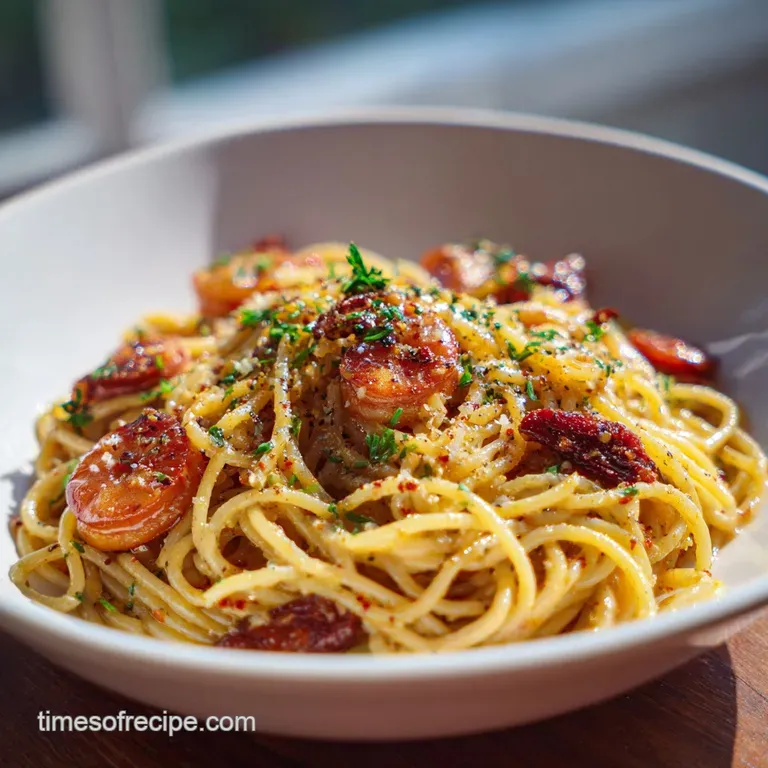
- Time: Active 10 minutes, Passive 20 minutes, Total 30 minutes
- Flavor/Texture Hook: Smoky, charred Andouille paired with a silky, spice infused cream sauce
- Perfect for: High flavor family weeknights or satisfying a crowd with minimal cleanup
- Master the Ultimate One Pot Cajun Pasta
- The Mechanics of Starch and Spice
- Essential Ingredient Science Analysis
- The Bold Cajun Flavor Map
- Selecting Your Hearty Elements
- Essential Tools for Success
- From Searing to the Final Simmer
- Correcting the Heat and Texture
- Customizing the Bold Flavor Map
- Protecting Your Hearty Leftover Servings
- Choosing Sides for a Complete Meal
- High in Sodium
- Recipe FAQs
- 📝 Recipe Card
Master the Ultimate One Pot Cajun Pasta
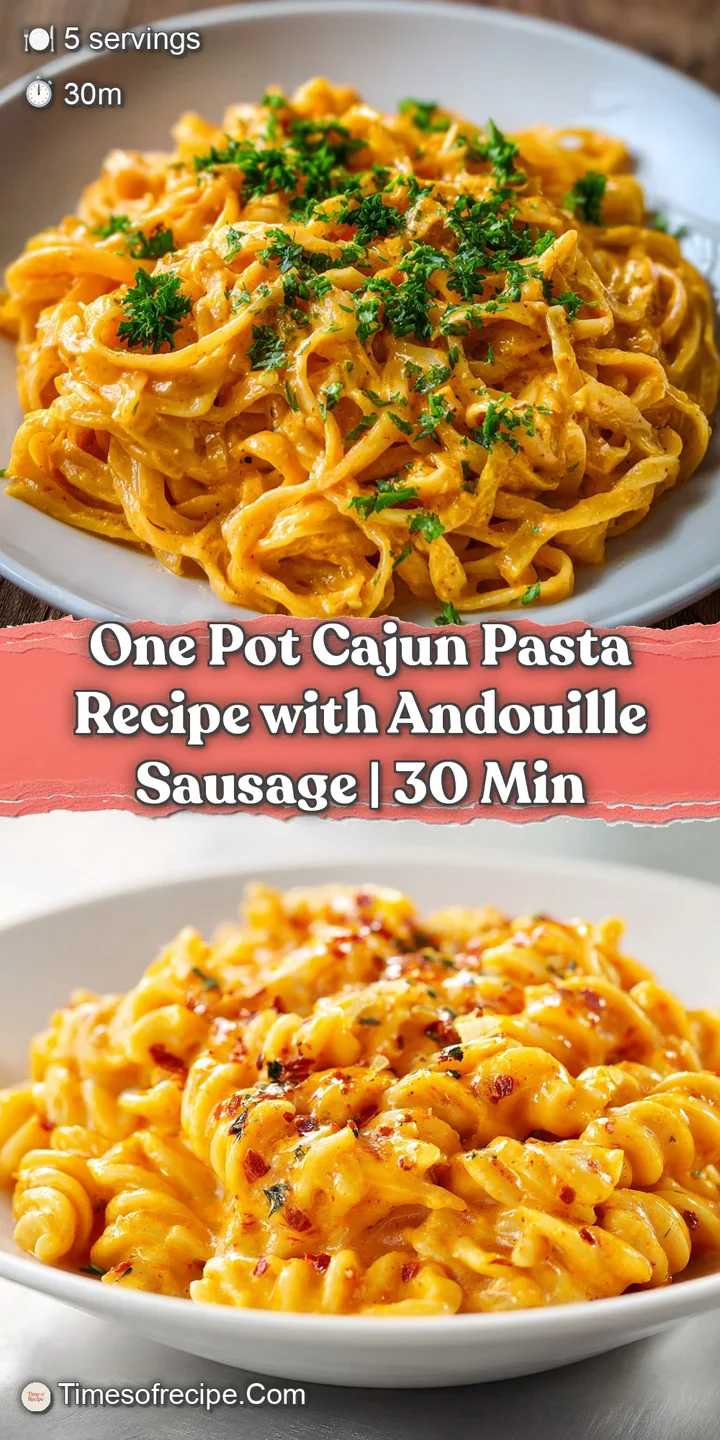
The first time the aroma of browning Andouille sausage filled my kitchen, I knew there was no going back to plain old buttered noodles. You know that specific sizzle? The one where the fat renders out of the sausage, turning a vibrant, smoky red in the pan? That's the heartbeat of this dish.
I remember hovering over the skillet on a particularly gray Tuesday, watching the steam rise as the "Holy Trinity" of onions, peppers, and celery softened into the spice crusted chicken. It wasn't just dinner; it was a sensory overhaul that made the whole house smell like a French Quarter bistro.
We've all been there with pasta recipes that leave you with a mountain of pots to scrub and a sauce that feels thin or disconnected. This recipe solves that by letting the pasta cook right in the broth and cream.
The result is a satisfying, bold meal where the starch from the noodles acts as a natural thickener, creating a velvety coating that you just can't get by boiling pasta in a separate vat of water. It is a robust, family friendly staple that brings everyone to the table before you even announce that food is ready.
Trust me, once you see how the heavy cream transforms the fiery Cajun broth into a sunset orange sauce, you'll understand why this is a weekly request in my home. We aren't looking for something light or delicate here; we want a hearty, soul warming bowl of comfort that stands up to the biggest appetites.
Right then, let's get into why this method actually works better than the traditional two pot approach.
The Mechanics of Starch and Spice
Making a One Pot Cajun Pasta isn't just about saving time; it's about better flavor through chemistry. When you boil pasta in a large pot of water, you’re literally pouring all that valuable starch down the drain.
In a one pot setting, that starch stays in the pan, acting as a bridge between the fat from the sausage and the liquid in the broth. This creates a stable emulsion that won't break or feel greasy on your tongue.
- Starch Emulsification
- The noodles release amylose into the simmering liquid, which binds with the heavy cream to create a naturally thick, glossy sauce.
- Maillard Reaction
- Searing the chicken and sausage first creates a fond (those little brown bits) on the bottom of the pan, which dissolves into the broth for deep, charred undertones.
- Osmotic Infusion
- Because the pasta absorbs seasoned broth instead of plain water, the flavor is baked into the very center of every penne tube.
- Fat Solubilization
- The heat from the spices, particularly the capsaicin in the Cajun seasoning, dissolves into the cream, mellowing the sharp "sting" into a lingering, pleasant warmth.
| Cooking Method | Cook Time | Cleanup Level | Flavor Depth |
|---|---|---|---|
| One Pot (This Recipe) | 30 minutes | Low (1 pan) | Intense; pasta is seasoned inside and out |
| Classic (Two Pots) | 45 minutes | High (2-3 pans) | Moderate; sauce sits on top of noodles |
| Slow Cooker | 4 hours | Low (1 pot) | Mellow; pasta can sometimes become over soft |
Choosing the one pot method is usually a no brainer for a busy weeknight. If you're looking for another similar time saver, you should try the OnePan Steak Bite recipe which uses a very similar starch retention technique. Both recipes rely on that "liquid gold" pasta water to make the sauce feel professional rather than homemade.
Essential Ingredient Science Analysis
| Ingredient | Science Role | Pro Secret |
|---|---|---|
| Penne Pasta | Provides the structure and essential starch | Use bronze cut pasta for a rougher surface that grips the sauce better |
| Andouille Sausage | Adds smoky fat and primary salt profile | Searing until the edges "shatter" slightly releases maximum fat for sautéing |
| Heavy Whipping Cream | Acts as a pH buffer for the spicy Cajun seasoning | Add at room temperature to prevent the sauce from "shocking" and curdling |
| Chicken Broth | The primary hydration source for the noodles | Use low sodium versions so you can control the saltiness of the final reduction |
The "Holy Trinity" of onion, green pepper, and celery isn't just a tradition; it's a flavor map. The onion provides sweetness, the pepper adds an earthy bite, and the celery offers a subtle, salty mineral note that balances the richness of the cream. When these hit the pan with the garlic, the smell is unmistakable.
It’s the foundation of everything bold and satisfying about this dish.
The Bold Cajun Flavor Map
- Smoke: Derived from the 8 oz Andouille and the tsp of smoked paprika.
- Sweet: Created by the caramelization of the medium yellow onion.
- Rich: Provided by the cup of heavy cream and half cup of Parmesan.
- Zing: Delivered by the fresh scallions and the 2.5 tbsp of Cajun seasoning.
Selecting Your Hearty Elements
- Chicken Breast (1 lb): Cut into 1 inch pieces. Why this? It cooks fast and stays tender when simmered in the sauce.
- Substitute: Chicken thighs for a juicier, higher fat alternative.
- Andouille Sausage (8 oz): Sliced into rounds. Why this? Provides the authentic smoky, spicy backbone of Cajun cuisine.
- Substitute: Smoked kielbasa if you want a milder, less spicy profile.
- Penne Pasta (1 lb): Dry. Why this? The ridges (rigate) and hollow center are designed to hold heavy cream sauces.
- Substitute: Rotini or Bowtie (Farfalle) work equally well for trapping sauce.
- Heavy Whipping Cream (1 cup): Why this? High fat content ensures the sauce doesn't break when hitting the acidic spices.
- Substitute: Full fat coconut milk (note: adds a slight tropical sweetness).
- Cajun Seasoning (2.5 tbsp): Low sodium preferred. Why this? This is the primary driver of the "bold" flavor profile.
- Substitute: A mix of paprika, garlic powder, onion powder, and cayenne pepper.
- Parmesan Cheese (1/2 cup): Freshly grated. Why this? Acts as a final emulsifier to tighten the sauce.
- Substitute: Pecorino Romano for a sharper, saltier finish.
Essential Tools for Success
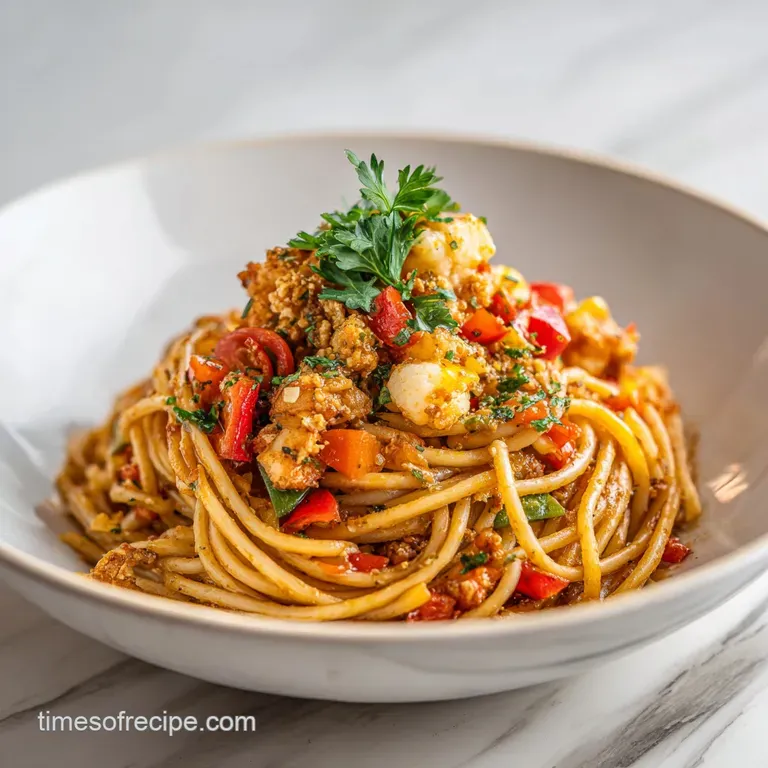
You don't need a professional kitchen, but a heavy bottomed pan is non negotiable here. I personally use a 12 inch cast iron skillet or a Dutch oven. These hold heat much better than thin aluminum pans, which is crucial when you’re trying to get a snappy sear on the chicken without steaming it.
If the pan isn't hot enough, the meat will just release its juices and turn gray and honestly, nobody wants gray chicken.
A sturdy wooden spoon is your best friend for scraping the "fond" off the bottom. That's the brown stuff that looks like it's burning but is actually concentrated flavor. When you pour in that chicken broth, those bits lift off and join the party.
It's the difference between a flat sauce and one that has layers of charred, smoky depth.
From Searing to the Final Simmer
Mastering the Starch Emulsification
- Sear the chicken. Heat 2 tbsp olive oil in your large skillet over medium high heat. Add the 1 lb chicken pieces, dusted with a pinch of the Cajun spice, and cook for 5 minutes until golden and snappy on the outside. Don't worry about cooking them through yet; we just want color.
- Brown the sausage. Toss in the 8 oz of Andouille rounds. Cook for another 3-4 minutes until the edges are crisp and the fat has rendered. Remove the meat from the pan and set it aside on a plate, leaving the flavored oil behind.
- Sauté the Trinity. Lower the heat to medium. Add the diced onion, green pepper, and celery. Sauté for about 5 minutes until the onions are translucent and the peppers are soft.
- Toast the aromatics. Stir in the 4 cloves of minced garlic, the 2.5 tbsp Cajun seasoning, and 1 tsp smoked paprika. Cook for 60 seconds until the spices smell toasted and fragrant.
- Deglaze the pan. Pour in the 3 cups of chicken broth. Use your wooden spoon to scrape all those flavorful brown bits off the bottom of the pan.
- Simmer the pasta. Add the 1 lb of dry penne. Bring the liquid to a boil, then reduce the heat to a simmer. Cover the pan and cook for 10-12 minutes until the pasta is al dente and most liquid is absorbed.
- Incorporate the cream. Pour in the 1 cup of heavy cream and return the chicken and sausage to the pan. Stir constantly over low heat for 2 minutes until the sauce turns silky and thickens.
- The cheesy finish. Remove from the heat and stir in the 1/2 cup of freshly grated Parmesan. The residual heat will melt it into the sauce perfectly.
- Garnish and rest. Sprinkle with the 1/4 cup of fresh parsley and scallions. Let the dish sit for 3 minutes before serving; this allows the sauce to fully "set" against the noodles.
Chef's Tip: If the sauce looks too thick after the pasta is done, add a splash more broth. If it’s too thin, let it simmer uncovered for an extra 2 minutes before adding the cheese.
Correcting the Heat and Texture
Sometimes things don't go exactly to plan, especially if your stove runs hot or your pasta brand absorbs more liquid than others. But don't panic! Most One Pot Cajun Pasta issues are easily fixed with a little more liquid or a heat adjustment. If you ever find yourself struggling with a different version, like a Pastalaya recipe, the same troubleshooting rules usually apply.
Rescuing a Broken Sauce
If you see the oil separating from the cream, your heat was likely too high. A broken sauce looks grainy instead of velvety. The Fix: Remove the pan from the heat immediately. Add a tablespoon of room temperature heavy cream and whisk vigorously.
The cold fat can sometimes "pull" the emulsion back together.
Fixing Undercooked Noodles
If your liquid is gone but the penne still has a crunch, don't just keep boiling it. You’ll scorch the bottom. The Fix: Add 1/4 cup of warm broth, cover tightly with a lid, and let it steam on the lowest heat setting for 3-4 minutes.
The trapped steam is more effective than boiling at this stage.
| Problem | Root Cause | Solution |
|---|---|---|
| Sauce is "gloopy" | Pasta overcooked and released too much starch | Stir in a splash of chicken broth to loosen the proteins |
| Dish is way too spicy | Too much Cajun seasoning or spicy sausage | Add a squeeze of lemon juice or an extra splash of cream to neutralize the capsaicin |
| Chicken is dry | Overcooked during the initial sear | Ensure you remove the chicken as soon as it's browned; it finishes in the simmer |
Common Mistakes Checklist
- ✓ Pat the chicken dry: Use a paper towel before searing to ensure you get a crust rather than steaming the meat.
- ✓ Don't skip the celery: It provides the essential "savory" backbone that balances the heavy cream.
- ✓ Grate your own cheese: Pre shredded Parmesan is coated in potato starch, which can make your sauce gritty.
- ✓ Preheat the pan: Wait until the oil shimmers before adding the proteins to prevent sticking.
- ✓ Watch the salt: Cajun seasonings vary wildly in salt content; always taste before adding extra salt.
Customizing the Bold Flavor Map
While this version is a hearty classic, you can easily shift the profile. If you're feeding a family that prefers things a bit milder, you can swap the Andouille for a sweet Italian sausage. The technique remains identical, but the vibe shifts from New Orleans to a more traditional comfort bake.
- If you want it creamier: Increase the heavy cream to 1.5 cups and reduce the broth by 1/2 cup.
- If you want it spicier: Add a teaspoon of cayenne pepper or a dash of hot sauce during the "deglazing" step.
- If you want it leaner: Use half and half instead of heavy cream, but be careful not to boil it too hard or it might curdle.
Making a Vegetarian Garden Version
You can absolutely skip the meat and still have a satisfying meal. Swap the chicken and sausage for thick cut portobello mushrooms and smoked tofu. The mushrooms provide that "meaty" texture, and the smoked tofu mimics the Andouille's charred flavor.
Use vegetable broth and add a pinch of "liquid smoke" to the pot to keep that signature Cajun depth.
Protecting Your Hearty Leftover Servings
Storage: This pasta stays great in the fridge for up to 3-4 days. Store it in an airtight glass container. Be aware that the pasta will continue to soak up the sauce as it sits, so it will be much thicker the next day.
Reheating: Avoid the microwave if you can. The high, uneven heat often breaks the cream sauce, leaving you with a puddle of oil. Instead, put the pasta in a small skillet with a splash of milk or broth over medium low heat. Stir gently until it’s silky again.
It takes an extra 5 minutes, but the texture remains velvety.
Freezing: I generally don't recommend freezing cream based pasta dishes. The cream can take on a grainy texture when thawed, and the noodles often turn to mush. If you must freeze it, do so for no more than 1 month, and thaw it overnight in the fridge before reheating slowly.
Zero Waste Tip: Don't throw away those celery leaves or scallion ends! The leaves can be chopped and added to the garnish for an extra punch of herbal flavor. You can also toss the onion skins and celery butts into a freezer bag to make your own veggie stock later.
Choosing Sides for a Complete Meal
Because this One Pot Cajun Pasta is so bold and rich, you want side dishes that offer a "bright" contrast. A simple green salad with a sharp lemon vinaigrette is my go to. The acidity cuts right through the heavy cream and Parmesan, refreshing your palate between bites of spicy sausage.
If you want to lean into the comfort aspect, a piece of crusty garlic bread or a side of honey buttered cornbread is stellar. The cornbread provides a sweet contrast to the savory spice of the Cajun seasoning. It's the kind of meal that makes everyone feel full, happy, and maybe a little bit ready for a nap.
If you have leftovers, they actually make a great lunch the next day, assuming nobody sneaks into the kitchen for a midnight snack!
High in Sodium
1040 mg mg of sodium per serving (45% % of daily value)
The American Heart Association recommends limiting sodium intake to about 2,300mg per day for most adults.
Tips to Reduce Sodium in Your Cajun Pasta
-
DIY Cajun Seasoning-25%
Make your own Cajun seasoning blend using herbs and spices like paprika, cayenne pepper, garlic powder, onion powder, oregano, and thyme. This lets you control the sodium content and avoid store-bought blends that are often high in salt.
-
Lean Protein Swap-20%
Andouille sausage is very high in sodium. Reduce the amount used, or substitute it with a lower sodium option like cooked chicken breast or turkey sausage with less than 300mg sodium per serving.
-
Reduce Parmesan-15%
Parmesan cheese contributes significantly to the sodium content. Use less Parmesan cheese for garnish or opt for a low-sodium hard cheese alternative.
-
Fresh Herbs Power
Enhance the flavor with generous amounts of fresh parsley, scallions, and other fresh herbs like thyme or oregano. They add complexity without adding sodium from salt.
Recipe FAQs
Can I substitute the heavy cream with milk for a lighter sauce?
No, heavy cream is essential for stability. Milk does not have enough fat content to properly emulsify with the starch and spices, resulting in a thin, broken sauce.
How do I prevent the sauce from separating or looking oily when reheating leftovers?
Reheat slowly on the stovetop with added liquid. Place leftovers in a skillet over low heat and stir in a splash of broth or milk; rapid microwave heating often breaks the emulsion.
How do I maximize the smoky flavor if I cannot find Andouille sausage?
Use smoked kielbasa and add smoked paprika or liquid smoke. Sear the substitute sausage well to render fat, and add an extra teaspoon of smoked paprika during the spice toasting step.
Why must I use dry pasta instead of fresh pasta in this one pot method?
Yes, use dry pasta for starch release. Dry pasta releases the necessary starch gradually as it cooks in the liquid, which is what thickens the sauce naturally.
What is the best way to ensure the chicken gets a good sear instead of steaming?
Ensure your pan is screaming hot before adding the chicken pieces. Pat the chicken very dry and only add it in a single layer so the pan temperature doesn't drop too severely.
Is it true that I must use freshly grated Parmesan for the sauce to thicken properly?
Yes, freshly grated cheese is highly recommended. Pre-shredded cheese contains anti caking agents, like cellulose, which prevent it from melting smoothly into a cohesive sauce.
How can I add a contrasting flavor profile to balance the richness of this dish?
Incorporate acid at the very end to cut the fat. A small squeeze of fresh lemon juice or a splash of white wine vinegar stirred in off the heat brightens the whole flavor profile, similar to how we balance richness in the Chicken Bryan recipe.
One Pot Cajun Pasta
Ingredients:
Instructions:
Nutrition Facts:
| Calories | 906 kcal |
|---|---|
| Protein | 53.6 g |
| Fat | 42.2 g |
| Carbs | 76.1 g |
| Fiber | 4.2 g |
| Sugar | 5.4 g |
| Sodium | 1040 mg |
