Beef Tenderloin Recipes Oven: No More Dry Roasts!
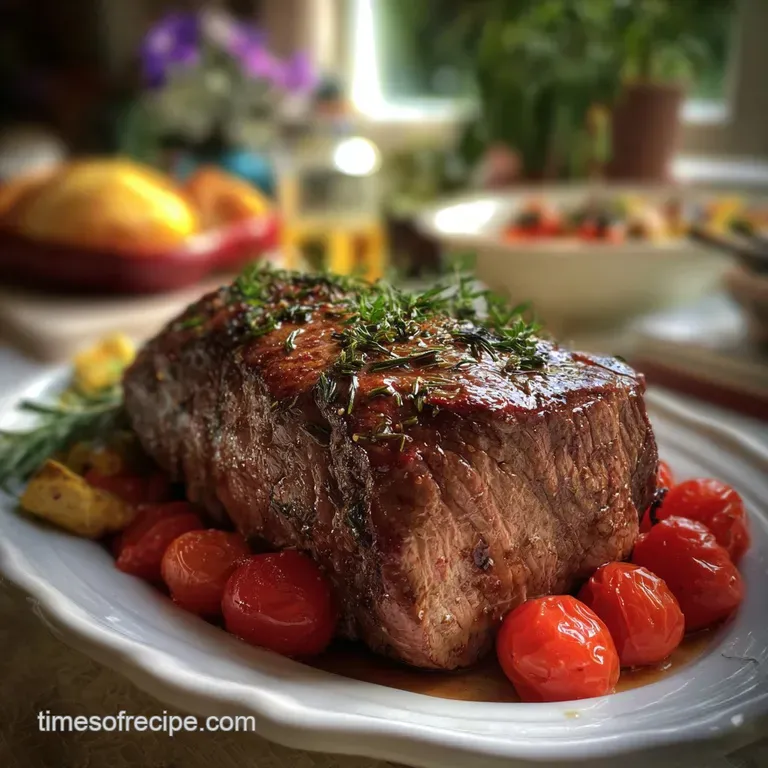
- Effort/Time: 55 minutes total (20 mins prep, 35 mins cook)
- Flavor Hook: Rich garlic-herb butter crust with a melt-in-your-mouth interior
- Perfect for: Holiday-centerpieces, high-stakes-dinner-parties, and celebratory-feasts
Masterclass Beef Tenderloin Recipes Oven Guide
The sizzle of a 4 lbs center cut beef tenderloin hitting a scorching Lodge Cast Iron Skillet is the sound of success. But let’s be real: staring at a $100 piece of meat and wondering if you're about to turn it into expensive shoe leather is a legitimate kitchen anxiety.
I’ve been there, serving a "medium rare" roast that was actually blue in the middle and gray on the edges.
Trust me, the secret isn't a fancy oven; it's understanding the physics of heat transfer. Most beef tenderloin recipes oven instructions fail because they ignore surface moisture and carryover cooking.
We are going to fix that today with a technique that produces a shatter crisp crust and a velvety interior.
Let’s crack on with the only beef tenderloin recipes oven method you'll ever need. We're combining the Maillard reaction with a low-impact oven finish to ensure every slice is uniform.
This recipe is the ultimate solution for anyone who has ever struggled with uneven cooking or a lack of flavor in lean cuts.
Why This Works
- Surface Dehydration: Removing moisture from the exterior allows the Maillard reaction to occur immediately, creating a deep brown crust without overcooking the interior.
- Thermal Momentum: Starting with a over high heat sear builds a heat gradient that carries the roast through the gentler oven phase.
- Fat-Soluble Aromatics: Basting with 4 tbsp unsalted butter infused with 1 tbsp fresh rosemary and 1 tbsp fresh thyme forces flavor into the outer muscle fibers.
- Enzymatic Tenderization: A brief dry-brine period with 2 tbsp Diamond Crystal Kosher Salt breaks down tight protein structures before the heat is applied.
The Science of Beef Tenderloin Recipes Oven Success
The Science Behind 4 lbs Center cut Beef Tenderloin
- What It Does
- Provides the structural foundation and primary protein source for the dish.
- The Chemistry
- During cooking, protein denaturation causes muscle fibers to contract and expel moisture; the center cut (chateaubriand) has minimal connective tissue, making it exceptionally tender but prone to drying out.
- Why This Matters
- Keeping the internal temperature precise prevents excessive fiber contraction, ensuring a buttery, "velvety" mouthfeel.
The Science Behind 2 tbsp Diamond Crystal Kosher Salt
- What It Does
- Seasons the meat deeply while altering the surface texture.
- The Chemistry
- Through osmosis, salt draws moisture out, dissolves into a brine, and is then reabsorbed into the muscle, breaking down the myosin filaments.
- Why This Matters
- This internal seasoning prevents the "bland center" syndrome often found in thick cut beef tenderloin recipes oven.
The Science Behind 2 tbsp Avocado Oil
- What It Does
- Acts as the heat transfer medium for the initial sear.
- The Chemistry
- With a smoke point of 520°F, avocado oil remains stable during over high heat contact, facilitating the Maillard reaction without oxidizing or burning.
- Why This Matters
- You achieve a dark, savory crust (complex sugars and amino acids) without the acrid taste of burnt fats.
Ingredients & Substitution Guide
| Original Ingredient | Substitute | Why It Works |
|---|---|---|
| 4 tbsp Unsalted Butter | Kerrygold Salted Butter | Higher fat content; just reduce the added 2 tbsp kosher salt by half. |
| 1 tbsp Fresh Rosemary | 1 tbsp Fresh Sage | Sage provides a similar earthy, resinous note that survives high oven heat. |
| 2 tbsp Avocado Oil | Grapeseed Oil | Both have high smoke points (above 400°F), essential for the initial sear. |
| 4 cloves Garlic | 1 tsp Garlic Powder | Note: Use powder only if fresh is unavailable; it lacks the pungent aromatic depth. |
For a perfect pairing, this roast sits beautifully alongside Blackeyed Pea Recipes: Rich & Creamy Southern Side, which provides a rustic contrast to the elegant beef.
step-by-step Instructions
1. Temper and dry the beef.Note: Bringing the 4 lbs center cut beef tenderloin to room temperature for 1 hour ensures even heat distribution and prevents a cold core.
2. Season aggressively with Diamond Crystal Kosher Salt.Note: Using 2 tbsp kosher salt facilitates protein denaturation, allowing the seasoning to penetrate the thickest part of the roast.
3. Heat 2 tbsp avocado oil in a Lodge Cast Iron Skillet.Note: over High heat stability is required to trigger the Maillard reaction without producing bitter, oxidized compounds.
4. Sear all sides until a dark crust forms.Note: This step creates the "shatter" texture on the exterior while the interior remains raw and protected.
5. Add 4 tbsp unsalted butter, garlic, and herbs.Note: Basting creates a "flavor jacket," as the fats in the butter carry the aromatic compounds from the 1 tbsp fresh rosemary into the meat's surface.
6. Transfer to oven at 400°F. Note: A consistent 400°F environment provides the radiant heat necessary to finish the interior to exactly 125°F for medium rare.
7. Rest the meat for 15 minutes. Note: Resting allows the internal pressure to equalize, preventing the juices from rushing out when sliced.
If you're a fan of preserved beef with intense flavor profiles, you might also enjoy learning about this Biltong Recipe: Authentic Home Cured Tender Beef Jerky Style.
Troubleshooting Your Beef Tenderloin Recipes Oven
| Problem | Root Cause | The Fix | Pro Protocol |
|---|---|---|---|
| Gray ring under the crust | Searing for too long at too low a temperature. | Use a smoking hot skillet; sear for max 2 mins per side. | Use a Thermapen One to verify the pan surface is 450°F+ before adding meat. |
| Meat is tough/chewy | Slicing with the grain instead of against it. | Rotate the roast 90 degrees; slice across the muscle fibers. | Look for the linear "lines" in the raw meat to identify grain direction beforehand. |
| Butter burns in the pan | Adding butter too early in the over high heat searing phase. | Only add 4 tbsp unsalted butter after the initial sear is complete. | Drop the heat slightly before adding butter to prevent milk solids from scorching. |
Common Beef Tenderloin Myths
Myth: Searing "locks in" the juices.Truth: Searing is strictly for flavor and texture via the Maillard reaction. In fact, a seared roast loses roughly the same amount of moisture as an unseared one; it just tastes significantly better.
Myth: You should salt the meat right before it hits the pan.Truth: If you can't salt 45 minutes in advance, salt immediately before. Salting 10 minutes before creates a slippery surface of extracted moisture that prevents a good sear.
Myth: The meat is done when the juices run clear.Truth: This is an old wives' tale that leads to overcooked beef. Always use a digital probe thermometer to pull the meat at 125°F for a perfect 130 135°F finish after resting.
Storage and Reheating
In the Fridge
Store leftovers in an airtight container for up to 4 days. Wrap tightly in plastic wrap before placing in the container to minimize oxygen exposure, which prevents the "warmed over flavor" caused by lipid oxidation.
In the Freezer
Beef tenderloin freezes well for up to 3 months. Slice the roast first, wrap individual portions in foil, and place them in a heavy duty freezer bag. Thaw overnight in the fridge before reheating.
Reheating Protocol
Avoid the microwave; it turns beef into rubber by vibrating water molecules too violently. Instead, place slices in a baking dish with a splash of beef broth, cover with foil, and warm in a 300°F oven for 10 15 minutes.
This gentle conduction heat preserves the velvety texture.
Chef's Tip: To get a restaurant quality crust, "freeze" your herb butter for 10 minutes before adding it to the pan. This allows the butter to melt slowly, giving the garlic and 1 tbsp fresh thyme more time to infuse without the milk solids burning.
When executing beef tenderloin recipes oven, remember that precision is your best friend. From the 2 tbsp avocado oil used for that initial high smoke-point sear to the 15 minutes of resting time, every detail contributes to the final result.
This recipe provides a sophisticated yet manageable way to master the most prized cut of beef. Whether it's your first time or your fiftieth, focusing on the science of the sear and the accuracy of the internal temperature will ensure your beef tenderloin recipes oven are always a success.
Recipe FAQs
Can I skip the initial high heat sear?
No. Searing develops the Maillard reaction crust. This critical step creates complex savory flavors and desirable surface texture otherwise impossible with oven only heat.
- Activates amino acids and reducing sugars
- Protects internal moisture retention
- Achieves exterior crispness
Is resting meat for 10 minutes mandatory?
Yes. Resting allows muscle fibers to reabsorb released juices. Heat contracts muscle proteins, forcing moisture to the center; resting allows relaxation and redistribution.
- Prevents juice loss when slicing
- Stabilizes internal temperature gradient
- Optimizes perceived tenderness
Should I use a meat thermometer or just rely on time?
Use a probe thermometer for accuracy. Oven temperatures fluctuate significantly, making time estimations unreliable for expensive roasts. Digital probes measure core temperature precisely, ensuring edge-to-edge doneness.
- Guarantees medium rare target
- Compensates for roast shape variations
- Essential for avoiding dry edges
Is fresh thyme always better than dried thyme for the butter?
Fresh thyme imparts cleaner, brighter herbaceous notes. Dried herbs concentrate flavor but lack the volatile essential oils found in fresh sprigs, which infuse better during basting.
Can I sear the tenderloin in olive oil instead of butter?
Olive oil has a lower smoke point than clarified butter. Using EVOO risks burning the surface before the desirable sear develops. Use oil with a smoke point above 400°F (like avocado) for searing.
Myth: Cooking beef tenderloin to 135°F guarantees medium rare.
Myth: Cooking beef tenderloin to 135°F guarantees medium rare. Reality: Carryover cooking will increase the internal temperature 5-10 degrees post removal from heat. Pull the roast at 125°F for a true medium rare finish.
Myth: Tying the roast is only for appearance.
Myth: Tying the roast is only for appearance. Reality: Tying forces the roast into a uniform cylinder, ensuring consistent heat penetration and preventing the thinner tail section from overcooking before the center reaches temperature.
Oven Beef Tenderloin Masterclass
Ingredients:
Instructions:
Nutrition Facts:
| Calories | 578 kcal |
|---|---|
| Protein | 47 g |
| Fat | 42 g |
| Carbs | 1 g |
| Fiber | 0 g |
| Sugar | 0 g |
| Sodium | 1540 mg |
