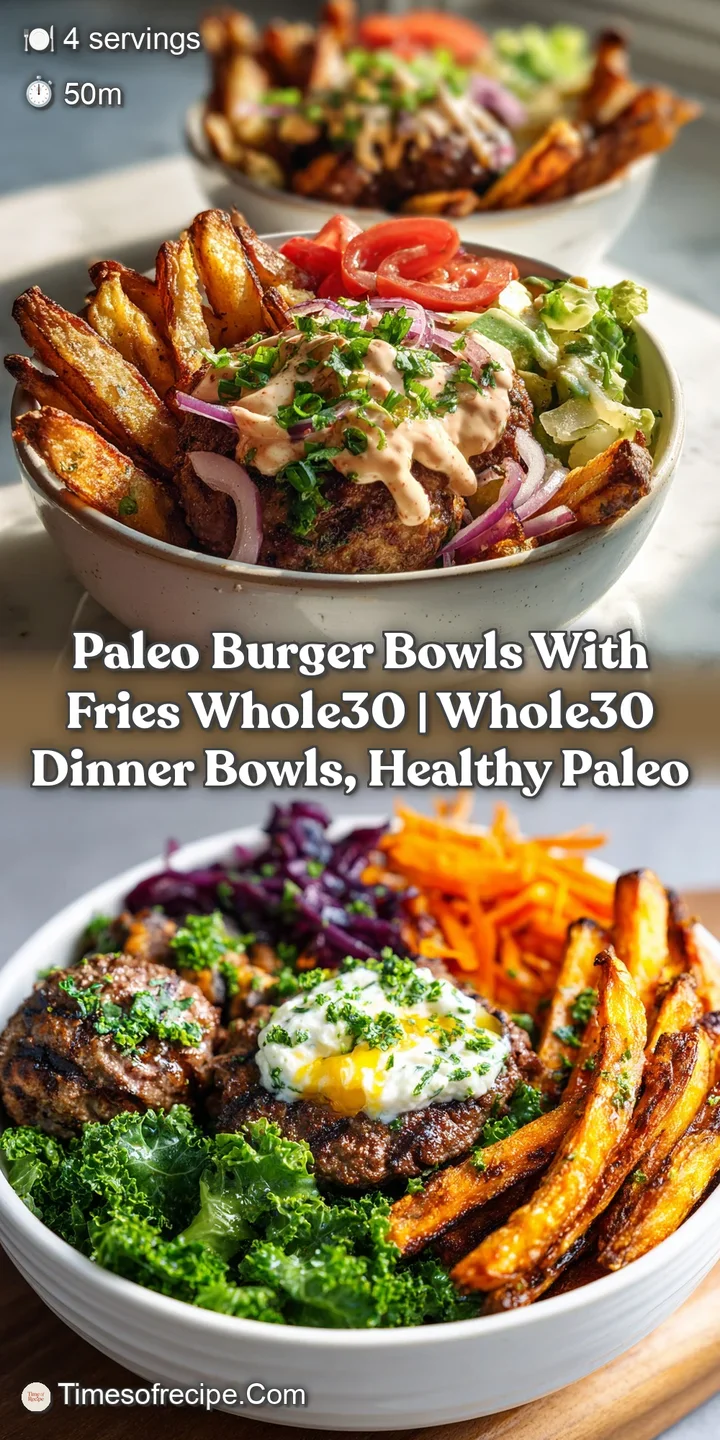
Paleo Burger Bowls with Fries Whole30
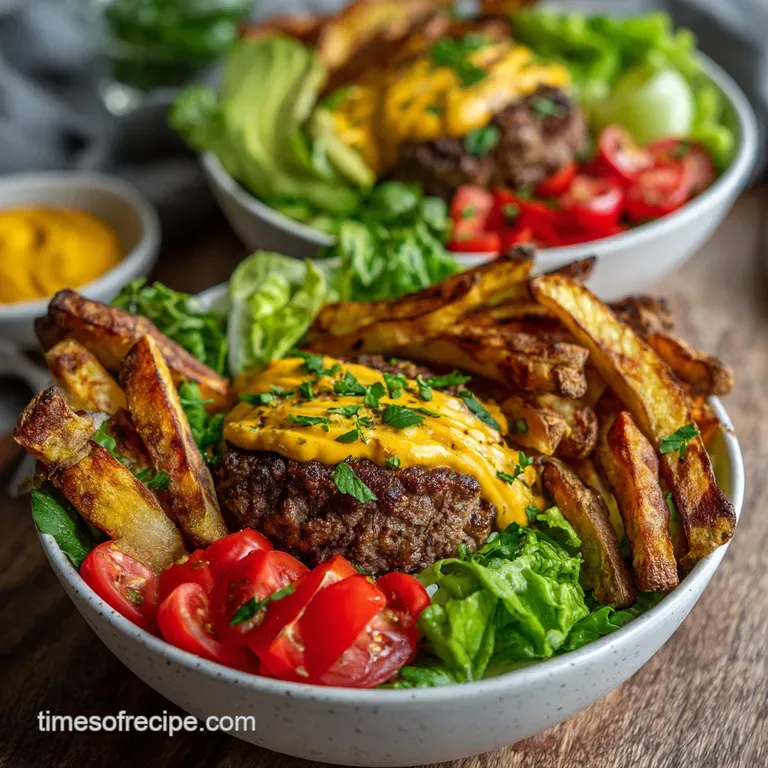
- Time: Active 20 minutes, Passive 30 minutes, Total 50 minutes
- Flavor/Texture Hook: Shatter crisp potato wedges meeting velvety special sauce and smoky seared beef.
- Perfect for: A Friday night "fake away" dinner or a high protein meal prep session.
- Savory Paleo Burger Bowls with Fries Whole30
- Solving the Boring Salad Problem
- The Science of Satisfying Textures
- Component Analysis for Optimal Flavor
- Essential Elements for Bold Flavor
- Best Tools for Crispy Results
- Crafting the Perfect Burger Bowl
- Simple Fixes for Common Flaws
- Flavor Variations and Tasty Swaps
- Preserving Freshness and Reducing Waste
- Perfect Sides for Hearty Meals
- Expert Insights for Best Results
- Precision Checkpoints
- Recipe FAQs
- 📝 Recipe Card
Savory Paleo Burger Bowls with Fries Whole30
The kitchen fills with that unmistakable heavy scent of rendered beef fat hitting a hot pan, a sound that starts as a low hiss and builds into a rhythmic sizzle. It's the kind of aroma that pulls everyone toward the counter, hovering with forks in hand, waiting for the first fry to be pulled from the tray.
We aren't just making a salad here, we are rebuilding the very soul of a burger joint favorite. This is about the contrast between the cold, crisp snap of romaine and the steaming, juice heavy weight of a perfectly seared patty.
Solving the Boring Salad Problem
We have all been there, staring down a bowl of wilted greens and calling it dinner while our hearts long for a double cheeseburger. It’s the classic diet trap where flavor gets sacrificed for "clean" eating.
I remember my first attempt at a "healthy" burger, it was a sad, dry turkey patty on a piece of iceberg lettuce that felt like a punishment. I learned quickly that if you want to stay on track, you have to lean into the fat and the heat.
You need the satisfying weight of 80/20 beef and the salty, golden crunch of real potatoes to make the experience feel like a reward rather than a chore.
The magic happens when you stop trying to make it "light" and start making it hearty. By focusing on high-quality fats like avocado oil and ghee, we create a meal that keeps you full until morning. This isn't a side dish, it's a centerpiece.
The secret lies in the special sauce, which acts as the bridge between the hot beef and the cold vegetables. When that tangy, pickle studded dressing hits the warm burger juices, it creates a rich slurry that makes every bite of lettuce taste like a treat.
Trust me, this version of Paleo Burger Bowls with Fries Whole30 will change how you view your weekend meal routine. It’s a way to keep the crowded table happy, serving up big, bold flavors that even the kids will dive into. You get all the fun of a burger night without the bloated feeling of a heavy bun.
It’s about balance, texture, and never, ever settling for a boring meal again.
The Science of Satisfying Textures
Maillard Reaction: High heat causes a chemical reaction between amino acids and reducing sugars, creating that dark, savory crust on the beef. This step is non negotiable for achieving a deep, meaty flavor that mimics a professional flat top grill.
Starch Retrogradation: Cooling potatoes slightly after their initial roast allows the starches to realign, which results in a firmer, more satisfying bite. This process prevents the wedges from turning into mush when they hit the moisture of the burger juices.
Emulsification Stability: Using avocado oil mayonnaise as a base for the sauce creates a stable fat in-water emulsion that coats the tongue. This fat carries the flavor of the mustard and pickles more effectively than a water based dressing could.
Protein Denaturation: Salting the ground beef just before cooking, rather than mixing it in advance, prevents the proteins from cross linking too early. This ensures the patty remains tender and juicy instead of becoming rubbery or sausage like in texture.
Lipid Flavor Carrying: The fat in the 80/20 beef blend acts as a solvent for the volatile aromatic compounds in the onion and garlic powder. Without enough fat, these spices would taste dull and one dimensional.
Component Analysis for Optimal Flavor
| Ingredient | Science Role | Pro Secret |
|---|---|---|
| 1.5 lbs 80/20 Ground Beef | Provides essential fat for flavor and moisture. | Keep the meat cold until the second it hits the Lodge Cast Iron Skillet. |
| 600g Russet Potatoes | High starch content for maximum exterior crispness. | Soak in hot water for 10 minutes to remove excess surface starch. |
| 120ml Avocado Oil Mayo | Acts as the emulsifier for the special sauce base. | Use Primal Kitchen Mayo for a clean, Whole30-compliant tang. |
| 15ml Ghee | High smoke point fat that adds a buttery richness. | Brush it on the pan mid sear to bast the burgers in flavor. |
Essential Elements for Bold Flavor
- 600g Russet potatoes (2 large): Cut into 1/2 inch wedges. Why this? Russets have the high starch needed for a thick, golden crust.
- Substitute: Sweet potatoes (will be softer, but add a lovely sweetness).
- 30ml avocado oil (2 tablespoons): Chosen for its high smoke point and neutral profile.
- Substitute: Melted beef tallow for an even more "old school" fry taste.
- 5g sea salt (1 teaspoon): Use Diamond Crystal Kosher Salt for even coverage.
- 2g garlic powder (1/2 teaspoon): Adds a savory baseline to the potato coating.
- 680g 80/20 ground beef (1.5 lbs): The fat ratio is vital for a juicy Paleo Burger Bowls with Fries Whole30.
- Substitute: Ground bison (add an extra tablespoon of fat to compensate).
- 4g onion powder (1 teaspoon): Provides a concentrated onion punch without the moisture of fresh onions.
- 5g salt (1 teaspoon): Essential for the beef seasoning.
- 2g coarse black pepper (1/2 teaspoon): Freshly cracked is always best for heat.
- 15ml ghee (1 tablespoon): Used for searing the beef to add a rich, buttery depth.
- 120ml avocado oil mayonnaise (1/2 cup): The creamy heart of our special sauce.
- 15g sugar-free tomato paste (1 tablespoon): Adds acidity and a deep red hue.
- 15ml yellow mustard (1 tablespoon): Provides that classic, sharp burger tang.
- 30g finely minced dill pickles (2 tablespoons): For crunch and vinegar driven brightness.
- 5ml coconut aminos (1 teaspoon): Adds a subtle umami depth that mimics soy sauce.
- 2g smoked paprika (1/2 teaspoon): Gives the sauce a faint, grill like smokiness.
- 200g romaine lettuce (4 cups): Chopped small for better "sauce to leaf" ratio.
- 60g red onion (1/2 cup): Sliced thin to provide a sharp, crisp bite.
- 150g cherry tomatoes (1 cup): Halved to release their sweet juices into the bowl.
- 150g large avocado (1 sliced): Adds a velvety, cooling element to the dish.
- 100g sugar-free bacon (8 slices): Cooked crispy for a smoky, salty garnish.
Best Tools for Crispy Results
To get the most out of these Fries Whole30, a heavy rimmed baking sheet is a must. I prefer a half sheet pan because it gives the wedges enough room to breathe; crowding is the enemy of the crunch. For the beef, nothing beats a Lodge Cast Iron Skillet.
The heat retention ensures that when the cold meat hits the pan, the temperature doesn't drop, giving you that dark, savory sear immediately.
You'll also want a solid metal spatula, something thin but sturdy enough to scrape up every bit of that crust from the pan. For the special sauce, a small KitchenAid whisk helps emulsify the mayo and mustard into a silky consistency.
If you're feeling adventurous with your Fries Whole30, you might even try a mandoline for the red onion to get those paper thin, restaurant style curls. Just watch your fingers!
Crafting the Perfect Burger Bowl
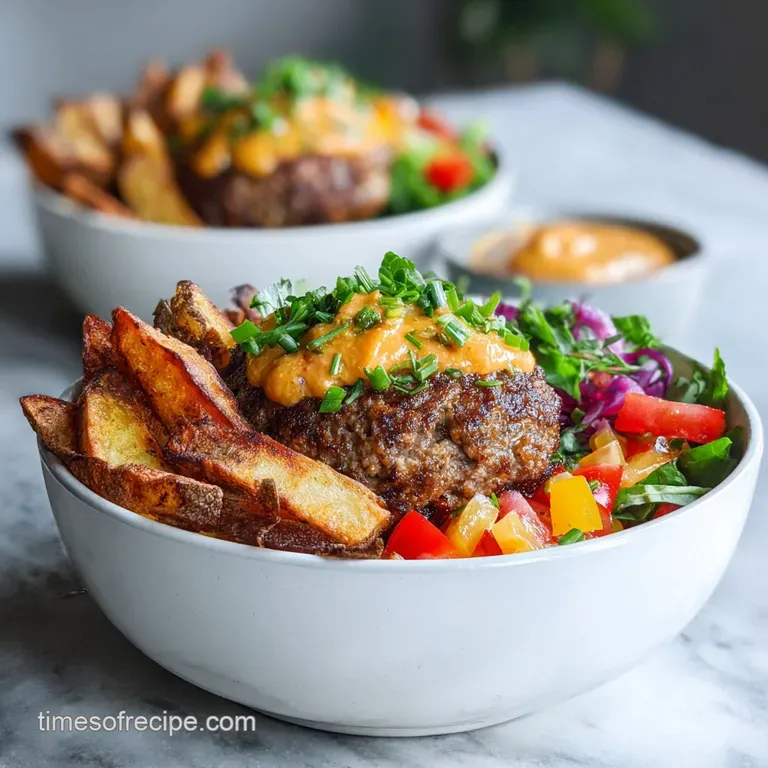
- Prep the potatoes. Slice the 600g Russet potatoes into even 1/2 inch wedges. Note: Uniformity ensures they all finish cooking at the same moment.
- Season the wedges. Toss the potatoes with 30ml avocado oil, 5g sea salt, and 2g garlic powder on the baking sheet. Toss until every surface is glossy.
- Roast the fries. Bake at 220°C for 30 minutes, flipping halfway through. Cook until the edges are dark golden and the skin is bubbly.
- Whisk the sauce. Combine 120ml avocado oil mayo, 15g tomato paste, 15ml yellow mustard, 30g pickles, 5ml coconut aminos, and 2g smoked paprika. Note: Let this sit while you cook the beef to marry the flavors.
- Shape the beef. Form 680g ground beef into 4 thick patties, making a small thumbprint indentation in the center. Note: This prevents the "football" shape where the burger puffs up in the middle.
- Season the meat. Sprinkle both sides generously with 4g onion powder, 5g salt, and 2g black pepper. Apply seasoning just before the meat hits the heat.
- Sear the patties. Melt 15ml ghee in the Lodge Cast Iron Skillet over medium high heat. Sear for 4 minutes until a deep brown crust forms.
- Finish the burgers. Flip and cook for another 3-4 minutes. Listen for the sizzle to slow slightly as the juices move toward the center.
- Build the base. Divide 200g romaine lettuce into 4 large bowls and top with 150g tomatoes and 60g red onion.
- Assemble the bowl. Place a patty on each bed of greens, tuck in the Fries Whole30, add avocado slices, and 2 strips of bacon. Drizzle heavily with the special sauce while the beef is still radiating heat.
Simple Fixes for Common Flaws
Fixing Soft Potato Wedges
If your wedges come out limp instead of crispy, it's usually a steam issue. This happens if the potatoes were too wet or the oven temperature was too low. The moisture trapped inside the potato needs to escape rapidly to let the starch form a crust.
Rescuing Dry Burger Patties
Dry meat is almost always a result of overcooking or using a blend that is too lean. If you find the beef is lacking juice, don't panic. You can still save the bowl by doubling the special sauce or adding a spoonful of ghee over the hot patty to mimic that missing fat.
Balancing a Sharp Sauce
Sometimes the mustard or the pickles can make the sauce feel too aggressive. If the tang is hitting too hard, add a tiny pinch more of the mayo or a drop of coconut aminos. This helps round out the sharpness with fat and salt.
| Problem | Cause | Fix | Pro Tip |
|---|---|---|---|
| Soggy Fries | Crowded pan | Spread them out | Use two pans if needed |
| Shrunken Burgers | Overworking meat | Be gentle with patties | Don't press with spatula |
| Broken Sauce | Too much acid | Add more mayo | Whisk vigorously by hand |
Flavor Variations and Tasty Swaps
If you want to move away from the classic burger profile, this base is incredibly versatile. I often think about the technique we used in our Crack Slaw Recipe, where bold seasonings transform simple ground meat. You could easily swap the mustard and pickles for ginger and lime if you wanted an Asian inspired bowl.
Animal Style Swap
For a nod to the West Coast classic, sauté the 60g of red onion in a little ghee until they are caramelized and sweet before adding them to your bowl. This adds a rich, jammy depth that contrasts beautifully with the tangy sauce.
The Mediterranean Twist
Swap the Russet potatoes for roasted cauliflower florets and change the special sauce for a tahini based dressing with lemon and garlic. Use ground lamb instead of beef for a flavor profile that feels lighter but just as satisfying.
Protein Swap: Ground Turkey
If you prefer turkey, just ensure you add a fat source to the meat, like a tablespoon of avocado oil or some finely chopped bacon, to prevent it from drying out. It won't have the same "burger" heft, but it’s a great way to use what you have in the fridge.
Chef's Note: If you're looking for something even more "Sunday Dinner" style, the searing technique here is very similar to how I handle the meat in my Beef Tenderloin Recipe. High heat and a good crust are universal.
Preserving Freshness and Reducing Waste
Storage: Store the components separately for the best results. The cooked beef and potatoes will stay fresh in the fridge for up to 4 days. Keep the lettuce and fresh toppings in a separate airtight container to maintain their snap.
The special sauce actually improves after a day in the fridge as the spices permeate the mayo.
Freezing: You can freeze the cooked burger patties for up to 3 months. I don't recommend freezing the roasted potatoes as the texture becomes grainy upon thawing. To reheat the patties, a quick sear in a hot pan is better than the microwave to preserve that crust.
Zero Waste: Don't throw away those potato peels if you decide to peel your Russets! Toss them with oil and salt and bake them until they are like chips. Any leftover red onion or cherry tomatoes can be tossed into a morning omelet or added to a quick stir fry.
Even the pickle juice from the jar can be used to brine chicken later in the week.
Perfect Sides for Hearty Meals
While these Paleo Burger Bowls with Fries Whole30 are a complete meal on their own, sometimes you want a little something extra on the table. A side of quick pickled cucumbers can add even more acidity to cut through the richness of the beef.
If you're hosting a larger group, a big bowl of slaw with a vinegar based dressing provides a nice crunch that doesn't compete with the creamy special sauce.
For a drink pairing, a sparkling water with a splash of lime and a few dashes of bitters keeps things Whole30-compliant while feeling a bit more special than plain water. It mimics the bite of a soda without any of the sugar.
If you aren't strictly following a protocol, a crisp kombucha is a fantastic companion to the salty, savory notes of the burger.
Expert Insights for Best Results
Stovetop vs Oven Cooking
| Feature | Stovetop (Cast Iron) | Oven (Roasting) |
|---|---|---|
| Texture | Superior crust/sear | Uniform doneness |
| Flavor | Deep, charred notes | Concentrated sweetness |
| Speed | Very fast (8-10 min) | Slower (30 min) |
Correcting the Beef Sear
If the beef isn't browning, your pan likely isn't hot enough. Wait for the oil or ghee to shimmer and just start to wisps of smoke before adding the meat. Also, don't flip the burger too early! It needs time to develop that crust so it releases naturally from the pan.
Fixing the Special Sauce Balance
If the sauce feels too thick to drizzle, you can thin it with a teaspoon of water or pickle juice. This makes it easier to distribute throughout the romaine leaves without adding unnecessary calories or non compliant ingredients.
Potato Selection Secrets
Russets are the king of fries for a reason. Their high starch and low moisture content mean they crisp up better than thin skinned red or yellow potatoes. If you only have Yukon Golds, they will work, but expect a creamier, softer center rather than a fluffy one.
Emulsification for Velvety Texture
When making your sauce, add the tomato paste and mustard to the mayo slowly. Whisking in a circular motion helps the fat molecules surround the water based ingredients, creating a texture that is silky and thick enough to cling to the back of a spoon.
The Decision Shortcut
- If you want the crispiest fries, soak the potato wedges in cold water for 30 minutes, then pat them completely dry before oiling.
- If you want the juiciest burger, use 80/20 beef and do not press down on the patty with your spatula while it's cooking.
- If you want a spicier bowl, add a teaspoon of hot sauce (check for sugar) or a pinch of cayenne pepper to the special sauce mix.
Truths About Searing Beef
Searing meat does not "seal in juices." This is a common kitchen myth that has been debunked by food scientists. Moisture loss actually increases at higher temperatures. However, we sear the beef because the Maillard reaction creates hundreds of flavor compounds that simply don't exist in steamed or boiled meat.
The crust is about flavor and texture, not hydration.
Potato Soaking Reality
You might hear people say soaking potatoes is a waste of time. For mashed potatoes, that might be true, but for fries, it's vital. It washes away surface starch that would otherwise burn too quickly, allowing the potato to cook through while the outside reaches a perfect, golden shatter point.
Fat and Satiety
Don't be afraid of the ghee or the mayo in this recipe. Healthy fats are what trigger the release of cholecystokinin, the hormone that tells your brain you are full. By including these fats, you're making a meal that actually stops your cravings rather than fueling them.
Precision Checkpoints
- Potato Temp: Ensure the oven is preheated to exactly 220°C before the tray goes in.
- Beef Weight: Each of the 4 patties should weigh approximately 170g before cooking.
- Fry Texture: At the 15 minute mark, the potatoes should be pale but firm; this is when you flip them for the final 15 minute crisping phase.
Recipe FAQs
Are these burger bowls Whole30 compliant?
Yes, completely. This recipe uses compliant ingredients like 80/20 ground beef, russet potatoes, avocado oil mayo, and coconut aminos, avoiding any sugar or grains.
What makes the fries extra crispy?
Roasting at high heat and ensuring they have space. Tossing the wedges with oil, salt, and garlic powder and baking at 220°C on a single layer helps them develop a golden, bubbly crust without steaming.
How do I prevent my burger patties from shrinking or puffing up?
Make a thumbprint indentation in the center. This shallow divot helps the patty cook evenly, preventing it from doming in the middle and ensuring a flatter, more uniform shape.
Can I make the special sauce ahead of time?
Yes, absolutely. The special sauce can be whisked together up to 5 days in advance and stored in an airtight container in the refrigerator. The flavors will meld beautifully.
What kind of potatoes are best for these fries?
Russet potatoes are ideal. Their high starch and low moisture content create the perfect fluffy interior and a wonderfully crisp exterior when roasted.
My special sauce tastes too sharp, how can I fix it?
Add a little more creamy binder or a touch of sweetness. Whisk in another small spoonful of avocado oil mayonnaise or a tiny pinch of compliant sweetener if you find the tang from the mustard or pickles too overpowering.
Is it possible to make these without the fries?
Yes, you can omit the fries. The recipe still functions as a delicious burger salad bowl without the potato component, focusing on the seared beef, special sauce, and fresh toppings.
Paleo Burger Bowls Whole30
Ingredients:
Instructions:
Nutrition Facts:
| Calories | 962 kcal |
|---|---|
| Protein | 43 g |
| Fat | 72 g |
| Carbs | 36 g |
| Fiber | 7 g |
| Sugar | 5 g |
| Sodium | 1535 mg |
