Panera Bread Mac and Cheese Recipe

- Time: Active 15 minutes, Passive 5 minutes, Total 20 minutes
- Flavor/Texture Hook: Sharp, tangy white cheddar meets a velvety, tongue coating cream sauce
- Perfect for: Cozy family dinners, rainy day comfort, or satisfying a serious cheese craving
- Recreating the Iconic Panera Bread Mac and Cheese Recipe
- Critical Specs for This Hearty Comfort Classic
- Component Analysis: The Elements of Creaminess
- Selecting Bold Elements for Maximum Flavor Impact
- Essential Tools for a Silky Cheese Sauce
- Layering Flavors Step by Step for Success
- Professional Techniques to Avoid Grainy Sauce
- Adjusting Ratios for a Larger Crowd
- Creative Variations for Your Family Table
- Debunking Common Kitchen Myths
- Preserving Texture During Storage and Reheating
- Perfect Sides for a Satisfying Family Meal
- Recipe FAQs
- 📝 Recipe Card
Recreating the Iconic Panera Bread Mac and Cheese Recipe
The first time I tried to replicate that signature white cheddar goodness, I ended up with a grainy mess that looked more like scrambled eggs than a velvety sauce. It was a heartbreak in a saucepan.
But after months of tinkering with ratios and cheese types, I realized the secret isn't just in the cheese itself it’s in how you layer the fats and liquids to create a permanent emulsion.
We’ve all stood in that long cafe line just for a bread bowl filled with this liquid gold. It is the ultimate comfort food, striking that specific balance between a sharp bite and a mellow, creamy finish.
This homemade version isn't just a close second; it’s a hearty, soul satisfying upgrade that you can pull together in about 20 minutes.
Trust me, once you see that first ribbon of sauce coating the pipette pasta, you'll never go back to the boxed stuff. We are building flavor from the ground up here, starting with a golden roux and finishing with a blend of cheeses that provides both flavor and structural integrity.
Let’s get into the nitty gritty of why this works.
Critical Specs for This Hearty Comfort Classic
Before we turn on the stove, let's look at how this recipe stacks up against the standard methods. Most home cooks struggle with sauce separation or pasta that turns to mush. By understanding the timing and the "fast vs. classic" trade offs, you can ensure a satisfying result every single time you cook for your family.
The Science of Why it WorksStarch Gelatinization: As the flour and butter cook, starch granules swell and trap liquid, creating a stable, thickened base for the cheese.
Emulsification Stability: The small addition of American cheese introduces sodium citrate, which acts as a bridge between the fat and water, ensuring a velvety texture.
| Method | Prep Time | Texture Profile | Best For |
|---|---|---|---|
| Fast (Boxed/Instant) | 10 minutes | Thin, often artificial | Last minute snacks |
| Classic (Roux Based) | 20 minutes | Velvety, rich, and thick | Hearty family dinners |
| Slow Cooker | 3 hours | Very soft, ultra creamy | Large potluck crowds |
This recipe leans into the classic roux based method because it offers the most bold flavor and a texture that truly mimics the high end cafe experience. It’s the difference between a simple meal and a decadent event.
Component Analysis: The Elements of Creaminess
To get that authentic flavor, we have to be picky about our components. Each ingredient plays a specific role in building the layers of taste that make the panera bread mac and cheese recipe so legendary. We aren't just tossing things in a pot; we are conducting a small symphony of fats and proteins.
| Ingredient | Science Role | Pro Secret |
|---|---|---|
| White Cheddar | Flavor & Protein | Use extra sharp for a bold, tangy kick that cuts through the cream. |
| Heavy Cream | Fat Emulsion | Provides the luxurious mouthfeel and prevents the sauce from thinning out. |
| Pipette Pasta | Surface Area | The hollow, curved shape acts like a tiny scoop for the cheese sauce. |
| White Pepper | Warmth | Adds a hidden floral heat without leaving black specks in the white sauce. |
The choice of pasta is particularly important. While you can use standard elbows, the pipette (or Lumaconi) shape is the "secret weapon" for a satisfying bite. These little shells hold onto the sauce, ensuring every single mouthful is bursting with cheesy goodness. If you're looking for a hearty side to go with this, it pairs beautifully with something textured like our Crispy Cacio e recipe.
Selecting Bold Elements for Maximum Flavor Impact
Ready to shop? Don't just grab whatever is on sale. For a dish this focused on cheese, the quality of your dairy will make or break the final result.
- 1 lb Pipette or shell pasta (Lumaconi): Why this? The "snail" shape traps maximum sauce inside the shell for a better ratio.
- 1 tbsp Salt (for the pasta water): Why this? This is your only chance to season the pasta itself from the inside.
- 1/4 cup Unsalted butter: Why this? Using unsalted allows you to control the final sodium level precisely.
- 1/4 cup All purpose flour: Why this? Creates the thickening agent (roux) for a stable, long lasting sauce.
- 2 cups Whole milk: Why this? Provides the liquid volume while maintaining a rich, creamy baseline.
- 1 cup Heavy cream: Why this? Elevates the sauce from "everyday" to "decadent" with extra fat content.
- 8 oz Extra sharp white cheddar cheese: Why this? Must be freshly grated; pre shredded cheese is coated in starch that ruins the texture.
- 2 oz high-quality American cheese (White): Why this? Contains essential melting salts for that signature glossy, cafe style finish.
- 1/2 tsp Dijon mustard: Why this? The acidity brightens the heavy fats and enhances the cheddar’s tang.
- 1/4 tsp Kosher salt: Why this? Rounds out the flavors; adjust at the very end.
- 1/4 tsp White pepper: Why this? Traditional seasoning that provides a subtle, "invisible" spice profile.
| Original Ingredient | Substitute | Why It Works |
|---|---|---|
| Pipette Pasta | Large Elbow Macaroni | Similar surface area. Note: Does not hold sauce inside as effectively as shells. |
| Heavy Cream | Half and Half | Lower fat content. Note: The sauce will be slightly thinner and less velvety. |
| White Cheddar | Sharp Yellow Cheddar | Same fat/protein. Note: Will change the color to orange but tastes similar. |
Essential Tools for a Silky Cheese Sauce
You don't need a professional kitchen, but a few specific tools make this panera bread mac and cheese recipe much easier to execute. I always reach for my heavy bottomed saucepan. It distributes heat evenly, which is critical when you're working with delicate dairy that can scorch in a heartbeat.
A sturdy whisk is your best friend here. You'll use it to work the flour into the butter and then to slowly incorporate the milk. If you have a box grater, use the smallest holes for the cheddar; the finer the shred, the faster and more evenly it will melt into your sauce.
Finally, keep a large colander ready in the sink. Timing is everything, and you don't want your pasta sitting in hot water for even sixty seconds longer than necessary while you hunt for a strainer. Overcooked pasta is the enemy of a satisfying meal.
Layering Flavors step-by-step for Success
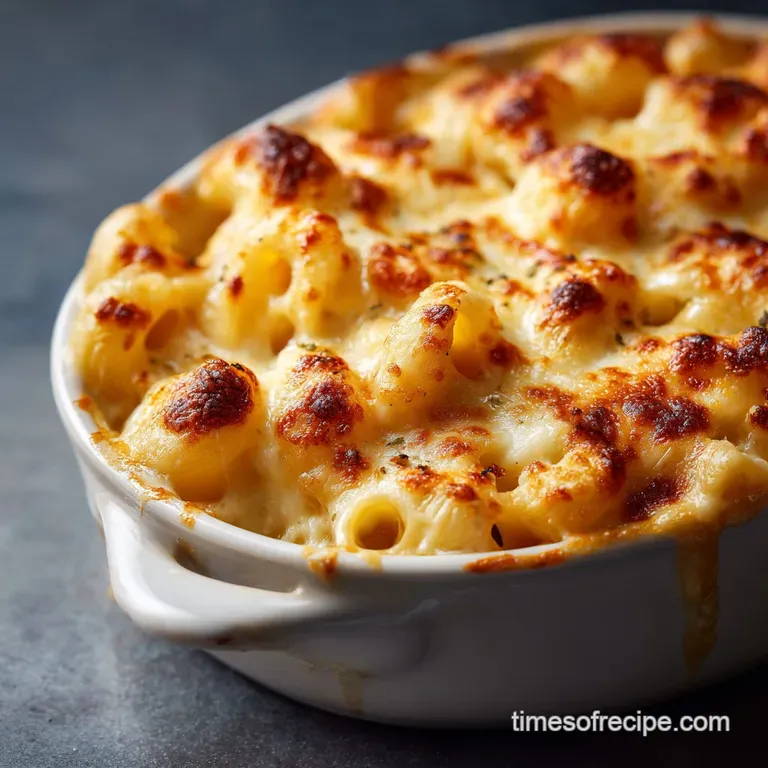
Follow these steps closely, and pay attention to the sensory cues. Cooking is as much about listening and looking as it is about following a timer.
1. The Al Dente Foundation
Boil 4 quarts of water in a large pot. Add 1 tbsp salt. Once roaring, add 1 lb pipette pasta. Cook for 8-9 minutes until the pasta has a slight bite in the center. Note: It will soften further when combined with the hot sauce.
2. Building the Velvety Base
In a heavy saucepan over medium heat, melt 1/4 cup unsalted butter until it begins to foam and sizzle. Do not let it brown; we want a clean, milky flavor for this white sauce.
3. Creating the Roux
Whisk in 1/4 cup all purpose flour. Cook for 1-2 minutes until it smells slightly nutty and looks like wet sand. This removes the "raw" flour taste that ruins many homemade sauces.
4. Integrating the Liquids
Slowly pour in 2 cups whole milk and 1 cup heavy cream, whisking constantly. Increase heat slightly until the mixture begins to simmer and thickens enough to coat the back of a spoon.
5. The Flavor Infusion
Stir in 1/2 tsp Dijon mustard and 1/4 tsp white pepper. This is where the layers of flavor start to build, giving the sauce that complex, professional profile.
6. The Emulsion Phase
Lower the heat to low. Add the 2 oz of American cheese first, whisking until melted. Then, add the 8 oz freshly grated white cheddar in three batches, whisking gently until each batch is fully incorporated and glossy.
7. The Final Fold
Drain your pasta thoroughly shake that colander! Pour the hot pasta into the cheese sauce. Use a large spoon to fold everything together until every shell is brimming with velvety sauce.
8. The Seasoning Check
Taste a spoonful. Add 1/4 tsp kosher salt if needed. The sharpness of your cheddar will dictate how much extra salt you need to make the flavors pop.
9. Resting Period
Let the mac and cheese sit for 2-3 minutes. This allows the sauce to thicken slightly and adhere to the pasta for that classic, heavy coated look.
Professional Techniques to Avoid Grainy Sauce
We’ve all been there a sauce that looks perfect one minute and separates into oily clumps the next. Usually, this happens because of temperature or the type of cheese used. If your sauce is struggling, don't panic. Most issues are fixable if you catch them early.
Why Your Cheese Sauce Turned Grainy
This is the most common heartbreak. It usually happens because the heat was too high when the cheddar was added. High heat causes the proteins in the cheese to tighten and squeeze out the fat, resulting in a gritty texture that feels like sand on the tongue.
| Problem | Root Cause | Solution |
|---|---|---|
| Grainy Texture | Heat was too high; cheese proteins seized. | Remove from heat and whisk in 1 tbsp of cold heavy cream. |
| Sauce is Too Thin | Roux wasn't cooked long enough or not enough flour. | Simmer for 2 more mins or add a small "slurry" of cornstarch and milk. |
| Oily Surface | Sauce "broke" due to over stirring or high fat. | Add a splash of milk and whisk vigorously off the heat to re emulsify. |
Common Mistakes Checklist
- ✓ Never use pre shredded cheese; the cellulose coating prevents a smooth melt.
- ✓ Ensure the milk is at least room temperature before adding to the hot roux to prevent lumps.
- ✓ Don't skip the American cheese; it provides the essential salts for a glossy finish.
- ✓ Turn the heat to the lowest setting (or off entirely) before adding the cheddar.
- ✓ Only cook the pasta to al dente; mushy pasta ruins the satisfying contrast of the dish.
Adjusting Ratios for a Larger Crowd
If you're feeding a big family or prepping for a potluck, scaling this recipe is straightforward, but you need to be careful with the seasonings. Doubling the cheese doesn't always mean you need to double the salt, as the cheese itself brings quite a bit of sodium to the party.
When scaling up (2x), use a much larger pot than you think you need. A 6 quart Dutch oven is perfect for a double batch. Keep your liquids at the 2x ratio, but only increase your salt and white pepper by 1.5x initially.
You can always add more at the end, but you can't take it out once it's stirred into that velvety sauce!
For scaling down (half batch), use a small saucepan and be extra vigilant about the roux. A smaller amount of butter and flour can burn much faster. Reduce the cooking time of the sauce by about 20% since the smaller volume will reach a simmer much quicker.
Chef's Tip: If you want a deeper flavor profile, freeze your butter for 10 minutes before starting the roux, then grate it into the pan. This allows it to melt more evenly and prevents any early browning.
Creative Variations for Your Family Table
While the classic white cheddar version is king, sometimes you want to switch things up. This base recipe is incredibly sturdy and handles additions well without breaking.
Panera Bread Broccoli Mac and Cheese Recipe Variation Steam 2 cups of small broccoli florets until tender crisp. Fold them into the finished mac and cheese at the same time as the pasta. The earthy broccoli provides a beautiful contrast to the sharp, velvety cheese sauce.
Panera Bread Bacon Mac and Cheese Recipe Variation Fry 6 slices of thick cut bacon until they shatter. Drain the grease, crumble the bacon, and stir half into the sauce. Use the remaining half as a crispy topper. The smoky fat from the bacon layers perfectly with the tangy white cheddar.
If you are looking for another hearty starch to round out a family feast, consider serving this alongside a Garbage Bread recipe. It turns a simple bowl of pasta into a full blown comfort food spread that will have everyone asking for seconds.
Debunking Common Kitchen Myths
Myth: You must use expensive "fancy" cheese for the best flavor. Truth: While quality matters, using only expensive aged cheddar can actually make your sauce oily and grainy.
The best results come from a blend of a high-quality sharp cheddar for flavor and a humble processed cheese for texture and stability.
Myth: Rinsing pasta after boiling helps the sauce stick better. Truth: Never rinse your pasta! The starch on the surface of the noodles acts like "glue" that helps the cheese sauce cling to the pipette shells. Rinsing just washes away your best chance at a cohesive dish.
Preserving Texture During Storage and Reheating
If you have leftovers (a rare occurrence in my house!), you need to be careful with how you store them. The pasta will continue to soak up the sauce as it sits in the fridge, meaning it can become dry or "tight" the next day.
- Storage: Keep in an airtight container in the fridge for up to 3 days. I don't recommend freezing this dish, as the cream sauce tends to break and become grainy once thawed and reheated.
- Zero Waste: If you have leftover cheese sauce but no pasta, use it as a dip for pretzels or drizzle it over steamed cauliflower for a quick, hearty side dish.
Reheating Pro Tip: Never microwave on high power. Put the leftovers in a small saucepan with 2 tablespoons of milk or heavy cream. Heat over low, stirring gently, until the sauce loosens up and becomes velvety again.
This "low and slow" method prevents the oils from separating and keeps the pasta from becoming rubbery.
Perfect Sides for a Satisfying Family Meal
This mac and cheese is a heavy hitter, so it benefits from sides that offer a bit of acidity or crunch. A simple green salad with a lemon vinaigrette is the classic choice to cut through the richness of the heavy cream and cheddar.
If you’re doing a weekend brunch, this dish is surprisingly good alongside a Breakfast Casserole recipe. The savory sausage and eggs provide a bold protein boost that makes the whole meal feel incredibly satisfying. No matter how you serve it, the key is the contrast something crisp or bright will always make the velvety cheese sauce taste even better.
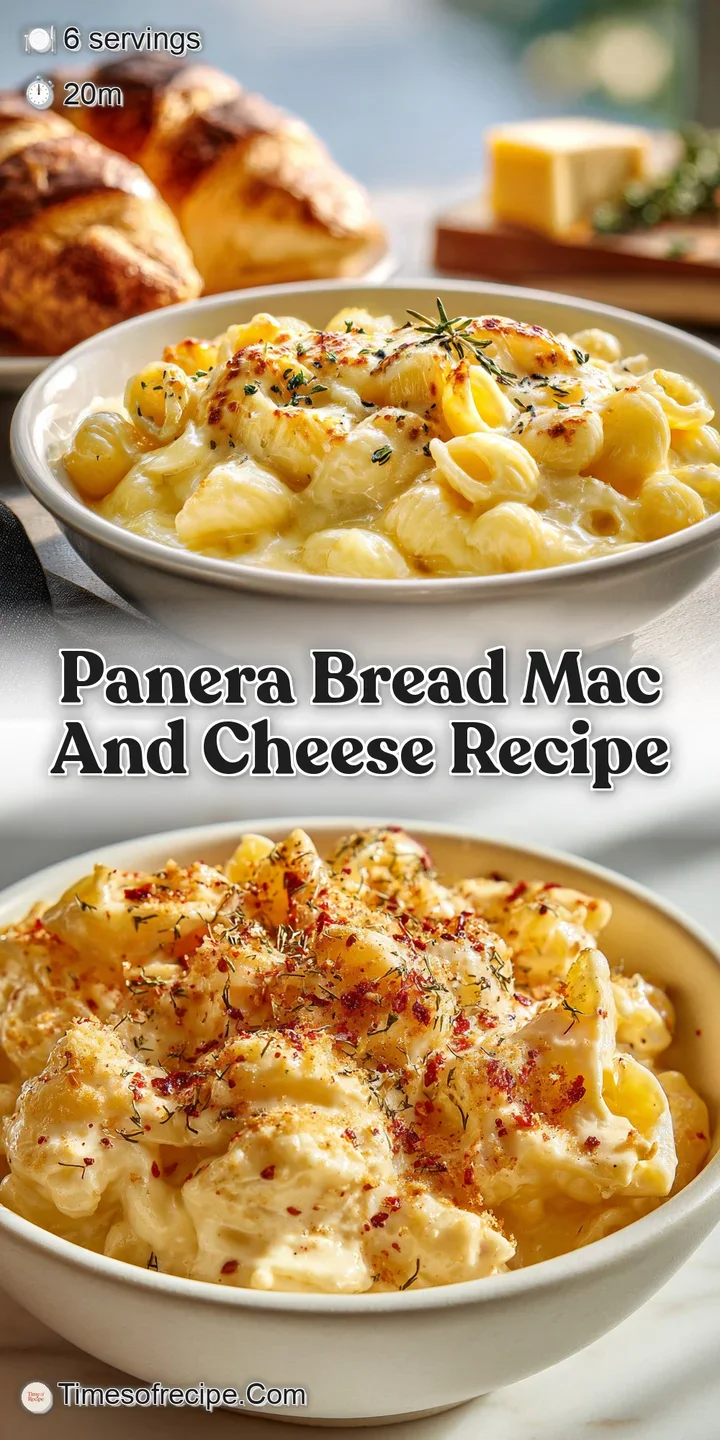
Recipe FAQs
What are the ingredients in Panera mac and cheese?
The core ingredients include: Pipette or shell pasta, butter, all-purpose flour, whole milk, heavy cream, extra sharp white cheddar cheese, and white American cheese for that signature velvety finish. Dijon mustard, salt, and white pepper season it perfectly.
Where does Panera get their mac and cheese from?
Panera Bread makes its mac and cheese in-house daily. They use a proprietary blend of cheeses and a roux based sauce, prioritizing fresh ingredients and a consistent texture.
What is the world's best mac and cheese?
The "best" mac and cheese is subjective and depends on personal preference! However, many enthusiasts praise recipes that achieve a perfect balance of creamy, tangy, and cheesy with a smooth, non-grainy texture. If you love rich, cheesy comfort, our Crab Dip Recipe: Velvety Seafood Appetizer uses similar dairy based emulsification techniques to achieve luxurious texture.
Is the Panera Bread mac and cheese healthy?
No, it is not generally considered a health food. It's a rich, indulgent dish high in calories, saturated fat, and sodium due to the cheese, cream, and butter used.
How do I make my mac and cheese creamy like Panera's?
Use a roux based sauce with a blend of cheeses, including a small amount of processed cheese. The roux (butter and flour) creates a stable base, while white American cheese acts as a stabilizer, preventing the sauce from breaking and ensuring a glossy, velvety texture.
Can I use a different pasta shape for Panera mac and cheese?
Yes, you can, but it might affect sauce adherence. Panera uses pipette (or Lumaconi) pasta because its shell shape perfectly traps the sauce. For a similar outcome, choose pasta shapes with nooks and crannies that can hold plenty of cheese sauce.
How do I avoid grainy texture in my homemade Panera mac and cheese?
Cook over low heat when adding cheese and avoid pre-shredded varieties. High heat causes cheese proteins to seize, releasing fat and creating graininess. Pre-shredded cheese has anti caking agents that prevent smooth melting. If you're learning to control dairy textures, our Freezer Breakfast Sandwiches: Velvety Eggs & Sausage guide teaches essential temperature and fat management.
Panera Mac Cheese Recipe
Ingredients:
Instructions:
Nutrition Facts:
| Calories | 740 kcal |
|---|---|
| Protein | 25.1 g |
| Fat | 41.3 g |
| Carbs | 66.3 g |
| Fiber | 2.3 g |
| Sugar | 8.1 g |
| Sodium | 765 mg |
